

P1614 on 2010-2017 Chevrolet Equinox: Immobilizer Failure Causes and Fixes
P1614 on a 2010-2017 Equinox means the car's anti-theft system doesn't recognize your key, preventing it from starting. The most common cause is a faulty key transponder or a dead key fob battery. Trying your spare key is the first and easiest diagnostic step. A weak vehicle battery can also cause intermittent communication errors.
- P1614 means your Equinox's anti-theft system has been triggered and is preventing the engine from starting.
- Always try your spare key first; it's the simplest way to determine if your primary key has failed.
- Do not immediately assume a major component has failed. The issue is most often the key itself.
- Repairs beyond a simple key swap, such as replacing an immobilizer antenna or BCM, require professional programming tools.
What's Unique About the 2010-2017 Chevrolet Equinox
On this generation of Equinox, the immobilizer function is managed by the Body Control Module (BCM). Unlike some other brands that have more straightforward key-relearn procedures, resolving a P1614 code on this GM platform often requires professional diagnostic tools to reprogram keys or modules if the issue goes beyond a simple faulty key. Owners have reported that intermittent starting problems can sometimes be traced back to seemingly unrelated issues like poor ground connections or even a weak vehicle battery causing module communication errors during cranking. The system can also be sensitive to Radio Frequency Interference (RFI) from other devices on a keychain.
Symptoms You May Notice
- Engine will not start (cranks but does not fire up)
- Engine starts and then immediately stalls
- Flashing or solid security indicator light (a car with a lock symbol) on the dashboard
- Check Engine Light is on
- "Service Theft Deterrent System 🎬 See how to reset the theft deterrent system" message on the Driver Information Center (DIC)
- Replacing the starter motor when the engine cranks but won't start.
- Replacing the battery without addressing the underlying security system fault.
- Replacing the fuel pump because the engine starts and stalls.
Most Likely Causes
- Defective or Damaged Ignition Key 🔴 High Probability → Shop Ignition Switch The transponder chip inside the key can be damaged if the key is dropped or exposed to water. The battery inside the key fob can also die, preventing communication.
How to confirm: The easiest way to confirm is to try starting the vehicle with a spare key. If the spare key works, the original key is the problem.
Typical fix: Replace the faulty key and have the new key programmed to the vehicle by a dealer or automotive locksmith.
Est. part cost: $75-$250 - Faulty Immobilizer Antenna Ring 🟡 Medium Probability → Shop Antenna The antenna ring is a coil of wire around the ignition cylinder that reads the key's transponder. Over time, this component can fail due to electrical issues, preventing it from reading the key chip.
How to confirm: This typically requires a professional scan tool to observe the data stream from the immobilizer system. If the tool shows no key data is being received, the antenna is a likely suspect.
Typical fix: Replace the immobilizer antenna ring (also called a transceiver), which is located around the ignition lock cylinder. The part number is often shared across many GM models.
Est. part cost: $50-$150 - Wiring or Connection Issues ⚪ Low Probability Wiring between the immobilizer antenna, Body Control Module (BCM), and Engine Control Module (ECM) can become damaged, corroded, or disconnected. A poor ground connection for the BCM can also cause this fault.
How to confirm: Visually inspect the wiring harness around the steering column and BCM for any signs of damage. Check for continuity and proper voltage at the connectors using a multimeter. Ensure the BCM ground connection is clean and tight.
Typical fix: Repair or replace the damaged section of the wiring harness or clean/tighten the faulty ground connection. 🎬 Watch: Easy fix for security light no-start issue
Est. part cost: $10-$300 - Weak Vehicle Battery ⚪ Low Probability → Shop Vehicle Battery Low system voltage during engine cranking can cause communication glitches between the BCM and ECM, leading to a false immobilizer fault.
How to confirm: Test the vehicle's battery with a multimeter or battery tester. A resting voltage below 12.4V indicates a weak battery. The issue may only appear during the voltage drop of starting the engine.
Typical fix: Charge or replace the vehicle's 12V battery. The correct group size is typically 78.
Est. part cost: $150-$250
Rare But Worth Checking
- Faulty Body Control Module (BCM): → Shop Body Control Module While less common, the BCM itself, which houses the immobilizer logic, can fail. This is usually the last item to suspect after all other possibilities (key, antenna, wiring) have been ruled out.
- Faulty Engine Control Module (ECM): It is very rare for the ECM to be the cause of this specific code, but an internal failure could theoretically disrupt communication with the immobilizer system.
- Radio Frequency Interference (RFI): As noted in GM TSBs for the platform mate GMC Terrain (PIC5650), other electronic devices on the keychain or aftermarket chargers plugged into the car can interfere with the key transponder signal, causing an intermittent no-start.
Diagnosis Steps
- Attempt to start the vehicle with a known-good spare key. If it starts, the primary key is faulty.
- If the key has a replaceable battery, replace it and try again.
- Remove all other keys, fobs, and electronic devices from the keychain to eliminate potential Radio Frequency Interference (RFI). Unplug any aftermarket phone chargers.
- Check the dashboard for a flashing or solid security light. This confirms an active immobilizer issue.
- Check the vehicle's main battery voltage. A voltage below 12.4V at rest can cause module communication issues.
- Visually inspect the wiring around the ignition cylinder and steering column for any obvious damage.
- Check fuses related to the ignition and Body Control Module (BCM).
- If the above steps do not resolve the issue, use a professional scan tool to check for communication between the BCM and ECM.
- If communication is lost, test the immobilizer antenna ring and its wiring.
- As a last resort, consider the possibility of a faulty BCM, which requires professional diagnosis and likely replacement/reprogramming.
Parts You'll Likely Need
- Transponder Ignition Key — The transponder chip in the key is the most frequent point of failure for this code.
Trusted brands: ACDelco, Strattec
OEM price range: $100-$200
Aftermarket price range: $50-$120 - Immobilizer Antenna / Transponder Reader
(OEM #13523275)— This component reads the key chip and can fail, preventing the security code from being sent to the control module.
Trusted brands: ACDelco, GM Genuine Parts
OEM price range: $70-$150
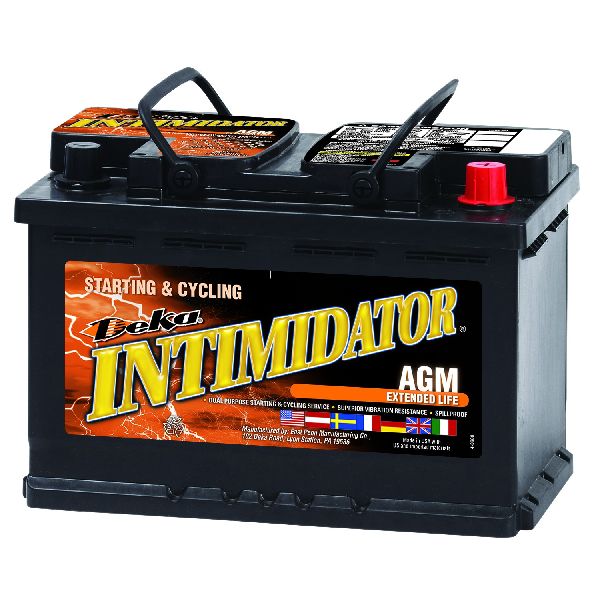
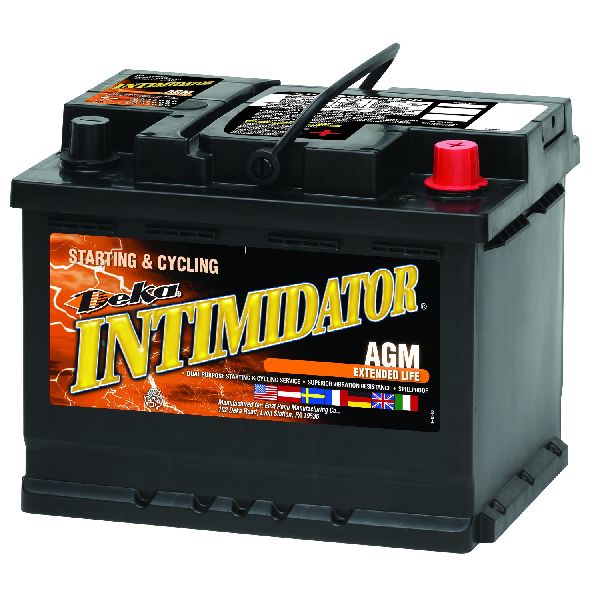
Aftermarket price range: $40-$90 - Vehicle Battery
(OEM #78G)— A weak battery can cause intermittent communication faults between modules during startup, triggering a false P1614 code.
Trusted brands: ACDelco
OEM price range: $180-$250
Aftermarket price range: $150-$220
Platform-Specific Known Issues
- Sensitivity to Low Voltage: Multiple owners in forums report that the first sign of a failing vehicle battery was an intermittent no-start with the security light, sometimes setting a P1614 code, before the battery was too weak to crank the engine at all.
Mechanic-Grade Diagnostic Values
- Continuity/Resistance of BCM Low Reference Circuit — expected: Less than 2 Ω. Failure: 2 Ω or greater indicates an open or high resistance in the circuit, which can disrupt communication.
Scan Tool Commands That Help
- GDS2/Tech2 (GM SPS): BCM Programming/Setup — This is mandatory when replacing the Body Control Module. A new BCM must be programmed with the vehicle's VIN and specific configuration. This function downloads the correct software and settings to the new module.
- GDS2/Tech2 (GM SPS): Immobilizer Relearn / VTD Relearn — Required after replacing the BCM or programming new keys. This function synchronizes the transponder keys with the newly programmed BCM, allowing the vehicle to start.
- Manual Procedure (No Scan Tool): 30-Minute Key Relearn Procedure 🎬 Watch: How to program a new transponder key yourself — This can be used to add new keys if at least one working key is available, or sometimes after a BCM replacement if prompted by the security light. It involves cycling the key to 'ON' for three consecutive 10-minute intervals.
Wiring & Ground Locations
- Body Control Module (BCM) — Located under the driver's side of the dashboard, often near the center console area.. The BCM manages the entire immobilizer system logic. All communication from the key's transponder, via the antenna, is processed by the BCM before a signal is sent to the ECM to allow the engine to start.
- G103 (Ground) — Located at the left rear of the engine compartment on the cowl, often above the brake booster.. This is a primary ground point for multiple interior modules, including the BCM. A poor connection at G103 can cause intermittent communication failures and false immobilizer codes.
- BCM Fuses — In the main interior fuse box, located on the passenger side of the center console, accessible from the passenger footwell.. Multiple fuses power different functions of the BCM. A blown fuse can cause a partial or total loss of BCM function, leading to a P1614 code. Relevant fuses include numbers 4, 6, 7, 8, 16, 20, 30, 34, and 40.
OEM Part Supersession History
13502301→13504286, 13523275— Standard part evolution for improved reliability or manufacturing changes.
Diagnostic Flowchart
Other Known Issues on This Vehicle
Issues unrelated to this code that are worth knowing about as an owner of this generation:
- Excessive Oil Consumption (2.4L Ecotec) 🔴 High — Very common, especially in 2010-2013 models. Caused by faulty piston rings. Can lead to low oil levels and catastrophic engine damage if not monitored closely. (Ref: Multiple TSBs and Special Coverage Adjustments issued, including 15285C, 16118, and N192291100, extending warranty coverage for piston ring replacement.)
- Stretched Timing Chains (2.4L & V6) 🔴 High — A common issue, particularly on the 2.4L engine. Symptoms include a rattling noise on cold starts, rough idling, and misfire codes. Failure can cause severe engine damage.
- Frozen/Clogged PCV System & Blown Rear Main Seal 🔴 High — In cold climates, moisture can freeze in the PCV orifice/hoses, causing excessive crankcase pressure that blows out the rear main seal, leading to a massive oil leak and potential engine failure. (Ref: GM issued TSB 14882 and PIP5093B addressing this condition, providing a special coverage adjustment for repairs.)
- Faulty A/C Compressor 🟠 Medium — Many owners report premature failure of the A/C compressor, resulting in no cold air from the vents.
- Electrical Gremlins 🟡 Low — Owners report various minor electrical issues such as malfunctioning power windows/locks, infotainment system glitches, and phantom warning lights.
Used vs. New Parts: Buying Guide for This Vehicle
When a used part is the smart pick: A used immobilizer antenna ring is a good candidate as it is a simple, robust coil that rarely fails electronically. A used Body Control Module (BCM) can be a cost-effective option ONLY if you use a specialized 'cloning' service to transfer the data from your original module to the used one.
Donor-vehicle mileage cap: roughly under 150000 miles for the part to have meaningful remaining life.
What to inspect on the donor part:
- For a BCM, ensure there is no water damage or corrosion on the case or connectors.
- Verify the part number on the used BCM exactly matches the original.
- For an immobilizer antenna, check for any cracks in the plastic housing or damage to the wiring pigtail.
OEM-only on this vehicle (don't cheap out):
- Transponder Key: Used keys cannot be reprogrammed to a different vehicle. You must purchase a new key blank and have it cut and programmed.
- Body Control Module (BCM): A new OEM BCM is the most straightforward, though expensive, option as it can be programmed by a dealer or qualified independent shop. A used BCM cannot be reprogrammed by a dealer; it is 'VIN-locked' and requires a cloning service.
Aftermarket brands forum-validated for this vehicle:
- ACDelco (for keys and modules)
- Strattec (for ignition keys)
Brands owners have reported issues with on this vehicle:
- Unbranded, low-cost keys from online marketplaces often have transponder chips that fail to program or have a very short lifespan.
Real Owner Stories
Aggregated from forums and TSBs cited above. Mileages and costs reflect what owners reported in those sources.
2014 Chevrolet Equinox
Symptoms: The vehicle would not start and the immobilizer/security light was illuminated on the dashboard.
What fixed it: The problem was traced to a bad ground connection for the Body Control Module (BCM). Cleaning and tightening the connection resolved the issue.
Source hint: Chevrolet Forum
2010-2017 Chevrolet Equinox
Symptoms: Intermittent no-start with the security light appearing, occurring even before the battery was too weak to crank the engine.
What fixed it: Replacing the vehicle's 12V battery (typically group size 78) to resolve low system voltage during cranking.
Source hint: vehicle_specific_issues: Sensitivity to Low Voltage
2010-2017 Chevrolet Equinox
Symptoms: The engine would not start; the owner was advised to check the spare key first.
What fixed it: Reprogramming the key at a workshop, which resolved the immobilizer lockout.
Cost: $45-$50
Source hint: Carly Community
Related OBD-II Codes
Frequently Asked Questions
My 2014 Equinox won't start and the security light is on. Could this be a simple wiring issue?
Can I use a used Body Control Module (BCM) from another Equinox to fix a P1614 code?
Is there a TSB for the oil consumption issues mentioned in the known issues section?
I have a 2012 Equinox with a P1614; could a weak battery be the cause even if it still cranks?
Can I buy a used transponder key and have it programmed to my Equinox?
Does the GMC Terrain suffer from the same P1614 immobilizer issues as the Equinox?
Is there a specific TSB for the rear main seal failure on these models?
Helpful Videos

Used OEM Parts in Stock





New Aftermarket Parts Available


The information in this article is provided for general reference and educational purposes only. Vehicle specifications, procedures, and part compatibility can vary by production date, trim level, and region. Always consult your vehicle's factory service manual and verify part numbers before purchasing or performing repairs. Safety-critical components such as airbags, seat belts, and braking systems should be installed by a qualified professional.
- Chevrolet Equinox:
- 🧭 Diagnostic Flowchart
- 🎬 Helpful Videos
- 🛍️ Shop This Part
- What's Unique About the 2010-2017 Chevrolet Equinox
- Symptoms You May Notice
- Most Likely Causes
- Rare But Worth Checking
- Diagnosis Steps
- Parts You'll Likely Need
- Platform-Specific Known Issues
- Mechanic-Grade Diagnostic Values
- Scan Tool Commands That Help
- Wiring & Ground Locations
- OEM Part Supersession History
- Other Known Issues on This Vehicle
- Used vs. New Parts: Buying Guide for This Vehicle
- Real Owner Stories
- 2014 Chevrolet Equinox
- 2010-2017 Chevrolet Equinox
- 2010-2017 Chevrolet Equinox
- Related OBD-II Codes
- Frequently Asked Questions
- 🎟️ Get 5% Off