

P1614 on 2008-2012 Chevrolet Malibu: Immobilizer Issues & Fixes
This code means your Malibu's anti-theft system doesn't recognize your key, preventing the car from starting. The most common fix is trying a spare key or performing a 'security relearn procedure'. If that fails, the issue is likely a faulty ignition lock cylinder or immobilizer module.
- P1614 means your car's anti-theft system is preventing it from starting.
- Always try your spare key first; it's the easiest way to diagnose a bad key.
- Before replacing any parts, attempt the 30-minute security relearn procedure, as it costs nothing and often resolves the issue.
- If the relearn fails and spare keys don't work, the problem is likely a hardware failure in the Theft Deterrent Module or ignition cylinder.
What's Unique About the 2008-2012 Chevrolet Malibu
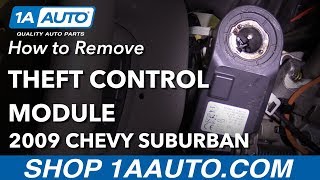
The seventh-generation Malibu uses GM's Pass-Key III+ immobilizer system. A common point of failure is not just the key itself, but the immobilizer module (also called the Theft Deterrent Module or TDM) located on the steering column. Owners often experience intermittent no-start conditions where the security light flashes, which can sometimes be temporarily resolved with a security relearn procedure before the component fails completely. This system is known for being sensitive, and sometimes even a low vehicle battery can cause it to lose key programming.
Symptoms You May Notice
- Engine will not crank or cranks but does not start
- Flashing or solid security indicator light (a car with a lock symbol) on the dashboard
- Message on the Driver Information Center (DIC) like "SERVICE THEFT DETERRENT SYSTEM"
- Engine starts for a few seconds and then immediately stalls
- Replacing the starter motor when the engine doesn't crank. The immobilizer system actively prevents the ECM from engaging the starter relay.
- Replacing the battery without attempting a security relearn. A new battery won't solve the problem if the security system has lost its key memory.
Most Likely Causes
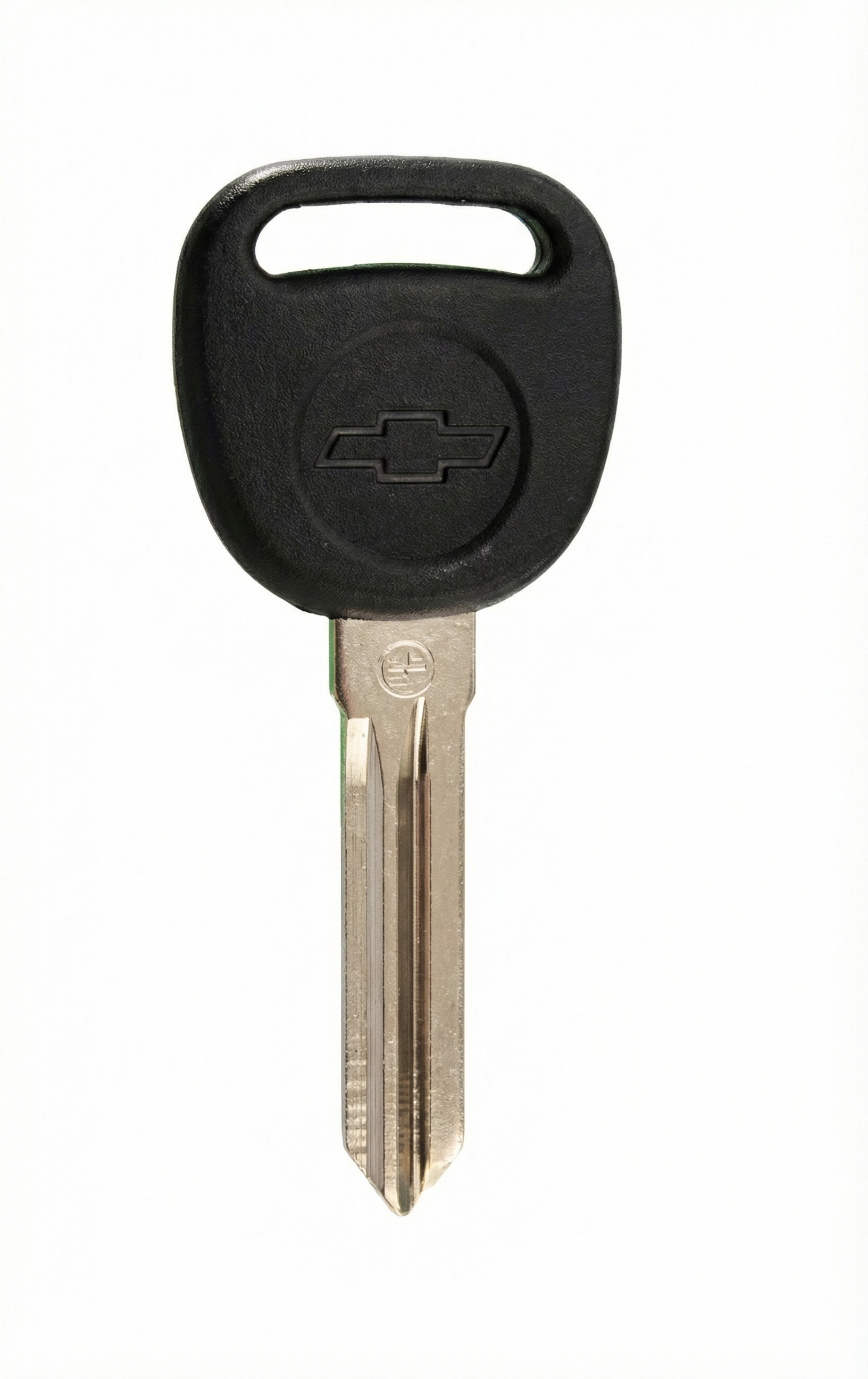
- Defective or Damaged Ignition Key 🔴 High Probability → Shop Ignition Switch The transponder chip embedded in the plastic head of the key can be damaged from being dropped or from normal wear and tear over time. A weak battery in the key fob can also cause detection issues.
How to confirm: Try starting the vehicle with a spare key. If the spare key works consistently, the original key is faulty.
Typical fix: Replace and program a new key. This usually requires a professional automotive locksmith or a dealership.
Est. part cost: $70-$150 - Failed Immobilizer Module (Theft Deterrent Module) 🟡 Medium Probability The module, which reads the key's transponder via an antenna ring, can fail electronically over time, leading to intermittent or complete loss of communication.
How to confirm: If multiple known-good keys fail to start the vehicle and the security relearn procedure doesn't work, the module is suspect. A professional scan tool can often detect a communication fault with this module.
Typical fix: Replace the immobilizer module and perform a key relearn procedure. This often requires a dealer or well-equipped locksmith as a Tech II scan tool may be needed.
Est. part cost: $50-$120 - Corrupted Key Data / System Needing a Relearn 🟡 Medium Probability Events like a dead or disconnected battery can sometimes cause the security system to lose its synchronization with the programmed keys. This is a well-documented quirk of the GM Pass-Key system.
How to confirm: Attempt the 30-minute security relearn procedure. 🎬 Watch: Step-by-step GM security relearn procedure If the procedure works and the car starts, the system's memory was the issue.
Typical fix: Perform the security relearn procedure. No parts are needed.
Est. part cost: $0 - Faulty Ignition Lock Cylinder or Switch ⚪ Low Probability → Shop Ignition Switch The electrical contacts within the ignition switch can wear out, or the housing containing the immobilizer's antenna ring can become damaged, leading to poor signal reception from the key.
How to confirm: If wiggling the key in the ignition sometimes allows the car to start, it points to a worn switch or cylinder. A technician can test the wiring and continuity at the switch.
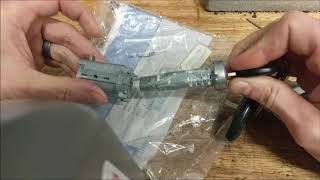
Typical fix: Replace the ignition lock cylinder and/or switch, followed by a key relearn procedure. 🎬 See how to replace the ignition lock cylinder
Est. part cost: $100-$250
Rare But Worth Checking
- Body Control Module (BCM) or Engine Control Module (ECM) Failure: → Shop Body Control Module While rare, the BCM is the central hub for the immobilizer system. A failure within the BCM or ECM can mimic the symptoms of a faulty key or immobilizer module. This is usually accompanied by other seemingly unrelated electrical issues.
- Wiring Harness Damage: Damage to the wiring between the ignition cylinder, immobilizer module, and BCM can cause a communication breakdown. This could be due to previous repairs, rodent damage, or chafing.
Diagnosis Steps
- Check for Symptoms: Confirm the primary symptom is a no-crank or crank-no-start condition accompanied by a flashing security light and/or a 'Service Theft Deterrent System' message.
- Try the Spare Key: This is the simplest and most crucial first step. If a spare key works, the original key is the problem.
- Attempt the Security Relearn Procedure: Insert a key and turn it to the 'ON' position (do not start). Wait for the security light to stop flashing and turn off, which takes about 10 minutes. Turn the key to 'OFF' for 5-10 seconds. Repeat this process two more times for a total of three 10-minute cycles (about 30 minutes total). After the third cycle, turn the key off and then try to start the engine. If the security light never turns off during the 10-minute cycle, the relearn has failed, indicating a deeper hardware or communication issue.
- Check Battery Voltage: Ensure the vehicle battery has at least 12.4 volts. A low battery can cause various electrical issues, including problems with security modules.
- Inspect Fuses: Check fuses related to the Body Control Module (BCM), Engine Control Module (ECM), and Theft Deterrent System in the vehicle's fuse boxes.
- Scan for Codes: Use an advanced OBD-II scanner that can communicate with the BCM. Look for codes specifically related to the immobilizer, key, or theft deterrent module.
- Inspect Immobilizer Wiring: Visually inspect the wiring and connector at the ignition lock cylinder and the theft deterrent module on the steering column for any obvious damage or loose connections.
- Professional Diagnosis: If the above steps fail, the issue is likely a failed hardware component like the immobilizer module or ignition cylinder, which requires professional diagnosis and replacement. A dealer or locksmith with a Tech II scan tool may be required for programming new modules.
Parts You'll Likely Need
- Transponder Ignition Key — The chip inside the key is the most common point of failure. If a spare key works, the original key needs replacement.
Trusted brands: ACDelco
OEM price range: $50-$100 (plus programming)
Aftermarket price range: $20-$50 (plus programming) - Theft Deterrent Module (Immobilizer Control Module)
(OEM #20980414)— This module reads the key's signal. It can fail electronically, preventing any key from being recognized.
Trusted brands: ACDelco
OEM price range: $70-$150
Aftermarket price range: $40-$90 - Ignition Lock Cylinder with Passlock Sensor
(OEM #15815961)— The cylinder houses the antenna that reads the key. Wear and tear can lead to a poor connection and signal loss.
Trusted brands: ACDelco, Dorman
OEM price range: $120-$200
Aftermarket price range: $80-$150
Platform-Specific Known Issues
- Some owners on Chevrolet forums have reported that simply disconnecting the battery for 15-30 minutes 🎬 Watch: Quick anti-theft system reset demonstration and reconnecting it can sometimes reset the system and allow the car to start, although this may not be a permanent fix.
Scan Tool Commands That Help
- GM Tech2: Theft Module Re-Learn — After replacing the Body Control Module (BCM) or Theft Deterrent Module (TDM), this function, found under the 'Service Programming' menu, is required to synchronize the new module with the vehicle's existing keys and Powertrain Control Module (PCM).
- GM Tech2: BCM Setup — When installing a brand new BCM, this function is used to program the vehicle's VIN, mileage, and specific RPO code options into the new module before performing the security relearn.
Wiring & Ground Locations
- Theft Deterrent Module (TDM) — Located directly on the ignition key cylinder housing inside the steering column.. This module contains the antenna that reads the transponder chip in the key. A loose connector or internal failure of this module is a direct cause of P1614.
- Body Control Module (BCM) — Under the center console, often integrated with the passenger compartment fuse box.. The BCM stores the valid key data and communicates with the TDM and ECM to authorize engine start. A failure here or a bad connection can prevent key recognition.
- G201 / G203 — These are primary grounds for the BCM, located under the center console area. G203 is specifically noted as being near the right side of the dash or A-pillar area.. A poor or corroded ground connection at these points can cause intermittent BCM and immobilizer system malfunctions, leading to a P1614 code even if all components are otherwise functional.
Real Owner Repair Stories
- gmtruckclub.com forum member (2015 GMC Sierra 1500 (similar GM theft deterrent system)) — Displayed 'Service Theft Deterrent System' message and would not start after disconnecting and reconnecting the battery.
❌ Tried (didn't work) Trying a spare key, Replacing key fob battery, Disconnecting battery for several hours, Performing the 30-minute security relearn procedure multiple times
✅ What actually fixed it The starter wire had pulled out just enough from its connection to cause an intermittent signal, which the system interpreted as a fault. Resecuring the starter wire resolved the no-start condition.
Diagnostic Flowchart
Other Known Issues on This Vehicle
Issues unrelated to this code that are worth knowing about as an owner of this generation:
- Premature Timing Chain Wear (3.6L V6 & 2.4L I4) 🔴 High — Very common, often appearing between 70,000 and 120,000 miles. Can lead to catastrophic engine failure if ignored. (Ref: Special Coverage Adjustment #11340C (for V6))
- Electric Power Steering (EPS) Failure 🔴 High — Widespread issue leading to a sudden loss of power steering assist, making the vehicle difficult to steer at low speeds. (Ref: Special Coverage 14329 / NHTSA Recall 14V153000)
- Fractured Transmission Shift Cable 🔴 High — Common on models with the 4-speed automatic transmission. The cable end can break, causing a mismatch between the gear shifter position and the actual transmission gear, potentially leading to a rollaway risk. (Ref: NHTSA Recall 12V460000 (GM Recall #12106))
- Excessive Oil Consumption (2.4L Ecotec) 🟠 Medium — Common issue related to piston ring design, which can lead to low oil levels and accelerate timing chain wear. (Ref: Multiple TSBs address this, e.g., PIP5025E)
- Faulty Fuel Level Sensor 🟡 Low — The fuel gauge may become inaccurate or read empty, a common annoyance for owners.
Used vs. New Parts: Buying Guide for This Vehicle
When a used part is the smart pick: A used ignition lock cylinder is a viable option as it is a mechanical part with an integrated but simple electronic antenna. However, electronic modules like the Theft Deterrent Module (TDM) and Body Control Module (BCM) are generally poor candidates for used parts unless you have access to professional reprogramming services.
Donor-vehicle mileage cap: roughly under 80000 miles for the part to have meaningful remaining life.
What to inspect on the donor part:
- For an ignition cylinder, check for smooth key operation without sticking or excessive play.
- For any electronic module, ensure there are no signs of water damage, corrosion on the pins, or physical damage to the casing.
- Verify the part number on the used module exactly matches the original part.
OEM-only on this vehicle (don't cheap out):
- Body Control Module (BCM)
- Theft Deterrent Module (TDM)
Aftermarket brands forum-validated for this vehicle:
- Dorman (for Ignition Lock Cylinder)
Brands owners have reported issues with on this vehicle:
- Unbranded, no-name electronic modules from online marketplaces should be avoided due to high failure rates and potential programming incompatibilities.
Real Owner Stories
Aggregated from forums and TSBs cited above. Mileages and costs reflect what owners reported in those sources.
2009 Malibu
Symptoms: Intermittent no-start condition when the engine is hot. The car drives perfectly but will not start after being driven unless it is boosted. Previous owner replaced sensors, starter, alternator, and ignition switch without success.
What fixed it: A technical service bulletin (#PIC5234) suggested the issue might be a misadjusted or damaged transmission shift cable or a faulty Park Neutral (PN) switch.
Source hint: Chevrolet Forum owner report
2008-2012 Chevrolet Malibu
Symptoms: User experienced the 'Service Theft Deterrent System' message and a no-start condition.
What fixed it: Disconnecting and reconnecting the battery terminals to reset the system.
Source hint: chevroletforum.com/forum/malibu-15/service-theft-deterrent-system-78523/
2008-2012 Chevrolet Malibu
Symptoms: The security light failed to turn off during the 30-minute relearn cycle, indicating a failed procedure.
What fixed it: The failure of the light to turn off during the relearn points toward a faulty Passkey module or instrument cluster issue.
Source hint: askatechnician.com/questions/passkey-iii-help/
Related OBD-II Codes
Frequently Asked Questions
My 2008-2012 Malibu shows a 'SERVICE THEFT DETERRENT SYSTEM' message and won't start. Is there a quick fix I can try before calling a tow truck?
I have a 2.4L Ecotec Malibu with P1614; could this be related to my oil consumption issues?
Will a standard OBD-II scanner help me fix the P1614 code on my Malibu?
My security light stays on and the car won't crank. Could this be a recall issue?
Can I use a key from a Saturn Aura or Pontiac G6 for my Malibu?
Helpful Videos
Used OEM Parts in Stock
New Aftermarket Parts Available


The information in this article is provided for general reference and educational purposes only. Vehicle specifications, procedures, and part compatibility can vary by production date, trim level, and region. Always consult your vehicle's factory service manual and verify part numbers before purchasing or performing repairs. Safety-critical components such as airbags, seat belts, and braking systems should be installed by a qualified professional.
- Chevrolet Malibu:
- 🧭 Diagnostic Flowchart
- 🎬 Helpful Videos
- 🛍️ Shop This Part
- What's Unique About the 2008-2012 Chevrolet Malibu
- Symptoms You May Notice
- Most Likely Causes
- Rare But Worth Checking
- Diagnosis Steps
- Parts You'll Likely Need
- Platform-Specific Known Issues
- Scan Tool Commands That Help
- Wiring & Ground Locations
- Real Owner Repair Stories
- Other Known Issues on This Vehicle
- Used vs. New Parts: Buying Guide for This Vehicle
- Real Owner Stories
- 2009 Malibu
- 2008-2012 Chevrolet Malibu
- 2008-2012 Chevrolet Malibu
- Related OBD-II Codes
- Frequently Asked Questions
- 🎟️ Get 5% Off