

P1614 on 2005-2009 Hyundai Tucson: Immobilizer Fault Causes and Fixes
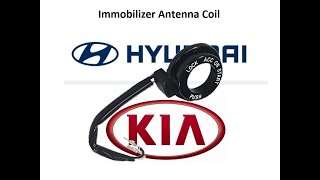
On a 2005-2009 Tucson, P1614 almost always means the anti-theft system has failed, causing a 'crank but no start' issue. Before anything else, try your spare key. If that doesn't work, the immobilizer antenna coil around the ignition is the next most likely culprit, costing about $40-$80 for the part. This is a common failure point that prevents the key's transponder chip from being read.
- P1614 on a 2005-2009 Tucson almost always points to an immobilizer (anti-theft) system failure, resulting in a 'crank-no-start' condition.
- Always try your spare key first. This is the simplest and cheapest diagnostic step and will immediately rule out a faulty key.
- The immobilizer antenna coil (Part #95420-H1000) is the second most common failure and can often be replaced without reprogramming.
- Do not confuse this issue with a bad starter or crankshaft position sensor; the flashing security light is the key symptom pointing to the immobilizer.
What's Unique About the 2005-2009 Hyundai Tucson
While the P1614 code has several conflicting definitions across the broader Hyundai lineup, including 'Runnable Signal Malfunction' or 'MIL Request Circuit High' on models like the Sonata, the real-world evidence for the first-generation Tucson strongly points to an immobilizer fault. Owners almost exclusively report a 'crank-no-start' condition with a flashing security light, which is the classic symptom of an anti-theft system problem. Therefore, diagnosing this code on a Tucson should prioritize the immobilizer system over other potential definitions. The immobilizer system on this platform is relatively simple, with failures commonly isolated to the key or the antenna coil.
Symptoms You May Notice
- Engine cranks but will not start
- Engine starts and immediately stalls
- Flashing immobilizer/security light on the dashboard (often looks like a car with a key inside).
- Intermittent starting issues, where the car may start after multiple attempts
- Car will not start and there is no security light illumination at all (can indicate a failed SMARTRA module).
- Replacing the starter motor. A bad starter typically won't crank the engine at all, whereas this issue usually involves the engine cranking normally.
- Replacing the fuel pump. While a no-start can be a fuel pump issue, the presence of code P1614 and a flashing security light specifically points to the anti-theft system disabling the fuel system, not a faulty pump.
- Replacing the Crankshaft Position Sensor (CKP). A failing CKP sensor can also cause a crank-no-start or intermittent stalling. However, a bad CKP sensor will typically set its own specific trouble codes (like P0335-P0339) and will not cause the immobilizer security light to flash.
Most Likely Causes
- Defective or Damaged Ignition Key 🔴 High Probability → Shop Ignition Switch The transponder chip inside the key can be damaged from being dropped, getting wet, or from simple age-related failure. The internal coil can break, preventing it from responding to the antenna coil's signal.
How to confirm: The easiest way to confirm is to try starting the vehicle with a spare key. If the spare key works reliably, the original key is faulty. Removing other keys or electronic fobs from the keychain can also help rule out radio frequency interference (RFI).
Typical fix: Replace the faulty key. A new key must be cut and programmed to the vehicle by a dealer or an automotive locksmith.
Est. part cost: $70-$150 - Faulty Immobilizer Antenna Coil 🟡 Medium Probability → Shop Antenna This coil, which reads the key chip, is a common failure point in the immobilizer system due to electrical stress and age. It is a known issue on this platform and its Kia counterpart.
How to confirm: After ruling out the key, this is the next logical part to suspect. Diagnosis involves testing for a signal at the coil's connector with an oscilloscope or replacing it as a diagnostic step, as it's relatively inexpensive. A DIY test involves wiggling the key in the ignition to see if a connection can be made intermittently. A more definitive test is measuring the coil's resistance, which should be between 7.5 and 8.5 Ω.
Typical fix: Replace the immobilizer antenna coil. On many Hyundai models, this part can be replaced without needing to reprogram the system. It is located under the steering column shroud and is typically a plug-and-play part.
Est. part cost: $40-$80 - Low Vehicle Battery Voltage ⚪ Low Probability → Shop Vehicle Battery A weak battery can cause unpredictable communication errors between various electronic modules, including the immobilizer system. Some owners report intermittent electrical issues, including dead batteries, on this generation of Tucson.
How to confirm: Test the vehicle's 12V battery with a multimeter or battery tester. A reading below 12.4 volts at rest indicates a weak battery that needs charging or replacement.
Typical fix: Recharge or replace the vehicle's 12V battery.
Est. part cost: $150-$250 - Wiring or Connector Issue ⚪ Low Probability
How to confirm: Visually inspect the wiring harness and connectors between the immobilizer antenna coil, the immobilizer module (SMARTRA unit), and the ECM. Look for chafed wires, corrosion, or loose pins. A poor connection at the SMARTRA module's multi-plug is a known cause of this issue on related platforms.
Typical fix: Repair the damaged section of the wiring harness or clean/replace the faulty connector. Kia has issued repair kits for faulty multi-plugs on similar models.
Est. part cost: $10-$100
Rare But Worth Checking
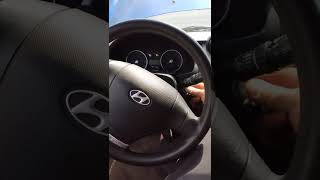
- Faulty Immobilizer Control Module (SMARTRA): → Shop Anti-Theft Control Module While less common than the antenna coil, the control module itself can fail. A key symptom can be the complete absence of the immobilizer light on the dash 🎬 Watch how to diagnose a missing security light. when the key is turned on. This is a more expensive repair as the module itself costs more and requires programming by a dealer or specialist.
- Faulty Engine Control Module (ECM): An internal ECM failure is rare but possible. This is a diagnosis of last resort after all other components in the immobilizer chain have been verified as working correctly. A replacement ECM must be programmed to the vehicle.
Diagnosis Steps
- Verify P1614 is present using an OBD-II scanner.
- Observe the dashboard when trying to start the engine. Note if the security indicator light is flashing, which strongly suggests an immobilizer fault.
- Try your spare key. If the car starts and runs with the spare, the primary key is the problem.
- Remove other keys and fobs from the keychain to rule out Radio Frequency Interference (RFI) and try again.
- If the spare key also fails, check the vehicle's main 12V battery. Ensure it is fully charged (above 12.4V) and the terminals are clean and tight.
- Inspect the wiring and connector for the immobilizer antenna coil located around the ignition lock cylinder. Check for any visible damage or loose connections.
- If the key and battery are good and wiring appears intact, the most likely cause is a failed immobilizer antenna coil. Consider replacing it as a cost-effective diagnostic step.
- If replacing the antenna coil does not resolve the issue, the problem may lie with the SMARTRA immobilizer control module or the ECM, which requires professional diagnosis with a Hyundai-specific scan tool.
Parts You'll Likely Need
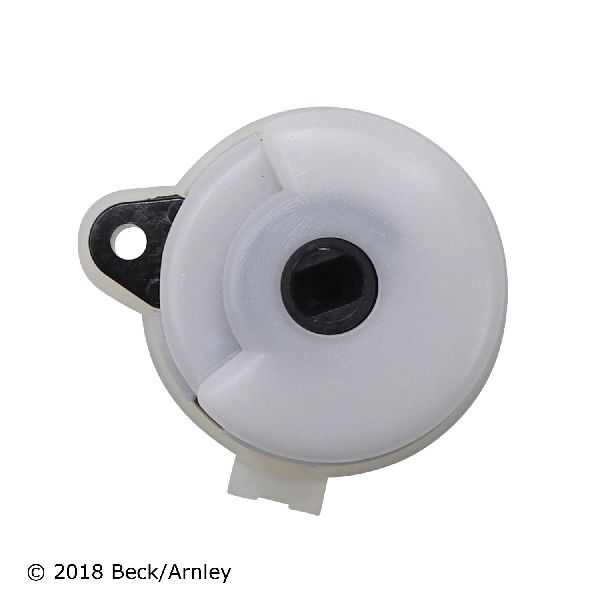
- Immobilizer Antenna Coil
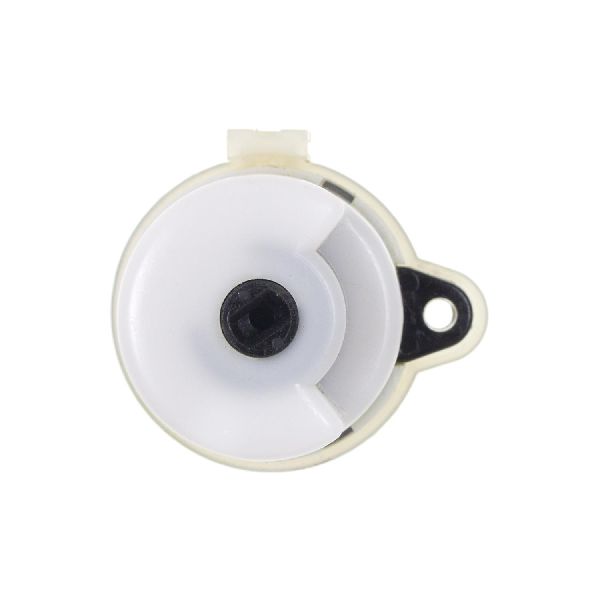
(OEM #95420-H1000)— This component is responsible for reading the transponder chip in the key and is a common failure point that leads directly to code P1614.
Trusted brands: Hyundai Genuine
OEM price range: $40-$80
Aftermarket price range: $25-$50 - Transponder Ignition Key — The chip inside the key can fail, preventing the car from recognizing it as valid. This is a very common cause of P1614.
Trusted brands: Hyundai Genuine
OEM price range: $70-$150
Aftermarket price range: $40-$90
Platform-Specific Known Issues
- Real-world Repair Story: Antenna Coil Replacement: A user on a forum described a classic P1614 scenario on their Tucson: intermittent crank-no-start with a flashing key light. After trying the spare key with no success, they replaced the immobilizer antenna coil (part #95420-H1000). The repair was straightforward, involving removal of the steering column plastics, 🎬 Watch this step-by-step antenna coil replacement walkthrough. and immediately solved the problem without requiring any key reprogramming.
Mechanic-Grade Diagnostic Values
- Immobilizer Antenna Coil Resistance — expected: 7.5 Ω to 8.5 Ω. Failure: An open circuit (infinite resistance) or a value significantly outside the expected range indicates a faulty coil.
- SMARTRA Module Signal Voltage — expected: Approx. 5.48V. Failure: 0V or significantly lower voltage suggests an open or short in the signal circuit harness from the ECM.
- SMARTRA, ECU, and Key Status on GDS Scan Tool — expected: All parameters should display 'LEARNT'.. Failure: If any parameter shows 'VIRGIN' or does not show 'LEARNT', it indicates a programming, communication, or component mismatch issue that is preventing engine start.
Scan Tool Commands That Help
- Hyundai GDS (Global Diagnostic System): Immobilizer Key Teaching — This function is required after replacing a key, the SMARTRA/ICM module, or the ECM. It programs the components to recognize each other. This procedure requires a 6-digit vehicle-specific PIN code obtained from a Hyundai dealer.
- Hyundai GDS (Global Diagnostic System): Immobilizer Status Check (Live Data) — Used to diagnose the state of the system. A technician will check parameters for the ECM, SMARTRA, and Key. In a functioning system, all components should report a status of 'LEARNT'. A 'VIRGIN' status on any component indicates it is new or has been neutralized and requires the 'Key Teaching' procedure.
- Hyundai GDS (Global Diagnostic System): Module Neutralization — This is a specialist function used to erase the learned vehicle data from an ECM or SMARTRA module, returning it to a 'VIRGIN' state. This is typically done before installing a used module into a different vehicle, but it is a complex procedure and not part of a standard diagnosis for P1614.
Wiring & Ground Locations
- SMARTRA / ICM Module — Behind the instrument cluster, typically mounted to a metal support bracket under the top of the dashboard. On some models, it may be on the left side A-pillar under the dash trim.. This is the brain of the immobilizer system. Knowing its location is critical for checking its connector for corrosion, damage, or looseness, which are known failure points.
- SMARTRA Module Connector Pinout (Example) — The multi-pin connector on the SMARTRA module itself.. Technicians can perform voltage and continuity tests at this connector. Based on similar Hyundai models, the pinout typically includes: Main Power (12V+), Ground, two wires for the Antenna Coil, and a communication line (W-Line) to the ECM.
Model Year Variations Within This Range
- 2005-2009: The immobilizer system type depends on the engine. Vehicles with the 2.0L 4-cylinder engine use the 'SMARTRA' (SMART TRansponder Antenna) system. Vehicles with the 2.7L V6 engine use the 'Shinchang' type system, which uses an 'ICM' (Immobilizer Control Module) instead of a SMARTRA unit. While functionally similar, the control modules have different names and potentially different part numbers.
Diagnostic Flowchart
Other Known Issues on This Vehicle
Issues unrelated to this code that are worth knowing about as an owner of this generation:
- Rear Subframe Corrosion 🔴 High — Common in 'Salt Belt' regions, can occur on vehicles over 10 years old. Leads to severe structural failure. (Ref: Hyundai Recall 113 (NHTSA Campaign 13V354000) was issued for some vehicles to inspect and treat or replace the rear crossmember.)
- ABS/ESC System Faults 🟠 Medium — Fairly common, often causing the ABS and ESC warning lights to illuminate. Onset can be at any mileage. (Ref: Often caused by a faulty brake light switch (subject to a recall on some Hyundai models) or failed wheel speed sensors.)
- Crankshaft Position Sensor (CKP) Failure 🟠 Medium — A common failure item on many Hyundai models of this era, typically occurring around or after 100,000 miles. (Ref: No specific recall, but a widely recognized failure. Symptoms include intermittent stalling, difficulty starting, and rough idling, often setting codes like P0335.)
- Engine and Electrical System Complaints 🟡 Low — The NHTSA has logged numerous complaints related to the electrical system and engine, though no single issue dominates. Problems range from intermittent stalling to battery drain.
Used vs. New Parts: Buying Guide for This Vehicle
When a used part is the smart pick: A used Immobilizer Antenna Coil from a junkyard is a very smart and cost-effective choice. It is a simple, non-programmed part that either works or doesn't. It can be used as a cheap diagnostic tool before buying a new one.
Donor-vehicle mileage cap: roughly under 150000 miles for the part to have meaningful remaining life.
What to inspect on the donor part:
- Ensure the part is from the exact same vehicle model range (2005-2009 Tucson).
- Visually inspect the plastic housing for cracks or heat damage.
- Check the electrical connector pins for corrosion or damage.
OEM-only on this vehicle (don't cheap out):
- Immobilizer Control Module (SMARTRA / ICM)
- Engine Control Module (ECM)
- Transponder Ignition Key
Brands owners have reported issues with on this vehicle:
- Unbranded 'clone' transponder keys from online marketplaces often have high failure rates during programming.
Real Owner Stories
Aggregated from forums and TSBs cited above. Mileages and costs reflect what owners reported in those sources.
2009 Hyundai Tucson
Symptoms: Car cranks but won't start; immobilizer light in the dash (little car with key in it) doesn't come on when cycling the key on/off; scanner shows P1676 and P0560.
What fixed it: The source notes the battery condition was good and charging at 14V, but the SMARTRA and Key status showed 'Not Checked' on the scan tool, indicating a communication failure with the immobilizer module.
Source hint: Reddit r/Cartalk post regarding 2009 Hyundai Tucson (Canada)
2005-2009 Hyundai Tucson
Symptoms: Intermittent crank-no-start with a flashing key light. Spare key also failed to resolve the issue.
What fixed it: Replaced the immobilizer antenna coil (part #95420-H1000). The repair involved removing the steering column plastics and did not require reprogramming.
Source hint: Real-world Repair Story: Antenna Coil Replacement
Related OBD-II Codes
Frequently Asked Questions
My 2005 Tucson has a flashing key light on the dash and won't start. Is this a known issue?
Can I replace the immobilizer antenna coil on my Tucson myself, or does it need dealer programming?
Is there a specific resistance value I should look for when testing the antenna coil?
My 2009 Tucson won't start and the security light doesn't come on at all. What does this mean?
Is there a recall for the structural issues mentioned in the known issues section?
Could a simple wiring connector be causing my P1614 code?
Helpful Videos

Used OEM Parts in Stock
New Aftermarket Parts Available



The information in this article is provided for general reference and educational purposes only. Vehicle specifications, procedures, and part compatibility can vary by production date, trim level, and region. Always consult your vehicle's factory service manual and verify part numbers before purchasing or performing repairs. Safety-critical components such as airbags, seat belts, and braking systems should be installed by a qualified professional.
- Hyundai Tucson:
- 🧭 Diagnostic Flowchart
- 🎬 Helpful Videos
- 🛍️ Shop This Part
- What's Unique About the 2005-2009 Hyundai Tucson
- Symptoms You May Notice
- Most Likely Causes
- Rare But Worth Checking
- Diagnosis Steps
- Parts You'll Likely Need
- Platform-Specific Known Issues
- Mechanic-Grade Diagnostic Values
- Scan Tool Commands That Help
- Wiring & Ground Locations
- Model Year Variations Within This Range
- Other Known Issues on This Vehicle
- Used vs. New Parts: Buying Guide for This Vehicle
- Real Owner Stories
- 2009 Hyundai Tucson
- 2005-2009 Hyundai Tucson
- Related OBD-II Codes
- Frequently Asked Questions
- 🎟️ Get 5% Off