

P1614 on 2010-2021 Subaru Outback: Immobilizer Failure Causes and Fixes
P1614 on a Subaru Outback means the car's anti-theft system doesn't recognize your key, preventing the engine from starting. The most common cause is a faulty transponder chip inside the key itself. Always try your spare key first before attempting any other repairs.
- P1614 means your Outback's anti-theft system has been activated due to a key recognition failure.
- The very first step should always be to try your spare key to rule out a bad key.
- A weak car battery is a frequent cause of this code due to communication glitches between modules.
- Repairs beyond a key or battery replacement almost always require a dealer or specialized locksmith due to the need for programming.
What's Unique About the 2010-2021 Subaru Outback
On these generations of Subaru Outback, the immobilizer system is not a single component but a network of synchronized parts, including the key, the Body Integrated Unit (BIU), the instrument cluster, and the Engine Control Module (ECM). All these components are electronically 'married' to each other. This means you cannot simply swap a used part like a BIU or ECM from another vehicle without a complex reprogramming or 'cloning' process to transfer the original immobilizer data. This makes professional service with specialized tools almost mandatory for anything beyond a simple key replacement.
Generation note: This range covers the 4th generation (2010-2014), 5th generation (2015-2019), and the first two years of the 6th generation (2020-2021) Outback. 🎬 Watch: Diagnostic guide for the P1614 transponder error While the fundamental cause of P1614 is the same across these generations, the specific key types (standard transponder vs. smart key/push-button start) and Body Integrated Unit (BIU) part numbers will vary. The diagnostic and programming procedures also become more complex on newer models with smart key systems. The 6th generation (2020+) sits on the new Subaru Global Platform, which has a different electrical architecture.
Symptoms You May Notice
- Engine will not start (cranks but does not fire)
- Engine starts and immediately stalls
- Flashing or solid security indicator light on the dashboard
- No-crank, no-start condition in some cases
- Key fob functions (lock/unlock) may work, but the engine won't start
- Replacing the starter motor when the engine doesn't crank.
- Replacing the fuel pump when the engine cranks but won't start, without first checking for immobilizer codes.
Most Likely Causes
- Defective or Damaged Key Transponder 🔴 High Probability The RFID transponder chip inside the key housing can be damaged from being dropped, getting wet, or from simple electronic failure over time. The chip does not have its own battery; it is energized by the antenna ring.
How to confirm: The easiest and most definitive test is to try starting the vehicle with a spare key. If the spare key works and the primary key does not, the primary key is faulty. This simple step can save hundreds in diagnostic fees. 🎬 See how to easily program a Subaru spare key
Typical fix: The defective key must be replaced and the new key programmed to the vehicle by a dealer or qualified automotive locksmith.
Est. part cost: $75-$250 for a new key and programming. - Low Vehicle Battery Voltage 🟡 Medium Probability → Shop Vehicle Battery A weak main vehicle battery can cause voltage to drop during cranking, leading to communication errors between the various control modules in the immobilizer system, triggering a false code. Newer Outbacks, particularly the 2019-2021 models, are noted for having batteries that drain quickly.
How to confirm: Test the vehicle's battery with a multimeter or battery tester. A healthy, fully charged battery should read approximately 12.6 volts with the engine off. If it is below 12.4V, it may cause issues.
Typical fix: Recharge or replace the vehicle's 12V battery.
Est. part cost: $150-$300 for a new battery. - Faulty Immobilizer Antenna Ring ⚪ Low Probability → Shop Antenna The antenna ring, located around the ignition cylinder, energizes and reads the key's transponder chip. It can fail electronically, preventing the key's signal from being read.
How to confirm: This requires a diagnostic scan tool capable of reading live data from the immobilizer system to see if the key is being recognized. A technician may also test the circuit for continuity. The part itself is relatively inexpensive, but diagnosis is key.
Typical fix: Replace the immobilizer antenna ring. This part is often included with the ignition assembly.
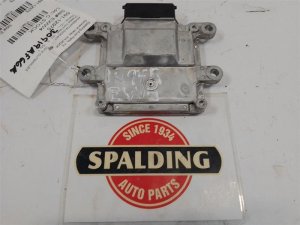
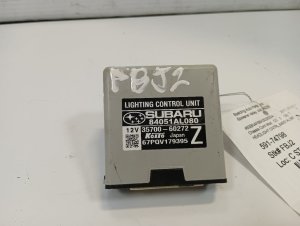
Est. part cost: $50-$150 - Failing Body Integrated Unit (BIU) ⚪ Low Probability → Shop Body Control Module The BIU is the central hub for many electronics, including the immobilizer. It can fail due to internal circuit board issues or corrosion. BIU failure is a known issue on 2010-2011 models in particular.
How to confirm: Diagnosis involves using an advanced scan tool to check for communication with the BIU (e.g., code U0140) and looking for other BIU-related trouble codes. Other seemingly unrelated electrical problems (windows, locks, lights acting erratically, parasitic battery drain) are a strong indicator of BIU failure.
Typical fix: The BIU must be replaced and programmed to sync with the vehicle's ECM and instrument cluster. The part number must be matched exactly.
Est. part cost: $200-$600 for a new or remanufactured BIU, plus programming costs.
Rare But Worth Checking
- Wiring or Connector Issues: A loose or corroded connector at the BIU, ECM, or antenna ring can interrupt the signal and trigger the code. This is worth checking before replacing expensive modules.
- Radio Frequency (RF) Interference: Aftermarket remote starters, toll passes, or even other keys with transponders on the same keychain can sometimes interfere with the signal between the key and the antenna ring. Try starting the car with all other electronic devices and keys removed from the vicinity.
Diagnosis Steps
- Try the spare key. This is the most important first step. If the car starts, the problem is with your primary key.
- Check the vehicle's main battery. Ensure it has a full charge (at least 12.4V). A weak battery is a common cause of electronic communication errors.
- Remove any potential sources of RF interference from your keychain and try the key again. Separate the car key from all other keys and fobs.
- Inspect the fuses related to the anti-theft system, Body Control Module, and ECU in the vehicle's fuse box.
- Perform a 'hard reset' by disconnecting the negative battery terminal for 15-30 minutes. This can sometimes clear temporary communication glitches.
- Observe the security indicator light on the dashboard. Its behavior (blinking, solid, off) can provide diagnostic clues 🎬 Watch: Why your Subaru security light is flashing according to the service manual.
- If the problem persists, the vehicle needs to be scanned with a professional tool (like the Subaru Select Monitor) that can communicate with the immobilizer system to pinpoint the fault (key, antenna, or BIU).
- Professional diagnosis will be required to test the circuits between the antenna, BIU, and ECM.
Parts You'll Likely Need
- Transponder Ignition Key — The transponder chip inside the key is the most frequent point of failure for this code.
Trusted brands: Subaru (OEM)
OEM price range: $150-$300 (including cutting and programming)
Aftermarket price range: $75-$200 (including cutting and programming) - Immobilizer Antenna Ring
(OEM #88215AG000 (fits many 2008-2014 models), 88215AG00A (fits many 2005-2014 models), 88216FL001 (fits many 2018+ models without push start))— If the antenna fails, it cannot read the key's transponder chip. It's a less common but possible failure point.
Trusted brands: Subaru (OEM)
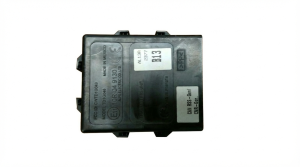
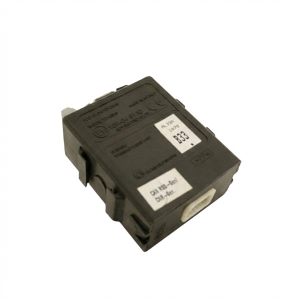
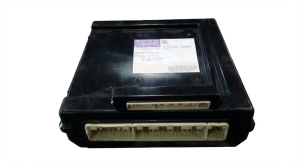
OEM price range: $60-$120 - Body Integrated Unit (BIU) — If the BIU itself fails, it cannot process the key's signal. This is a less common but significant cause, often accompanied by other electrical issues.
Trusted brands: Subaru (OEM)
OEM price range: $400-$600
Aftermarket price range: $200-$400 (remanufactured)
Related Codes That Often Appear With This One
- U0140 —
Technical Service Bulletins (TSBs) & Recalls
- TSB 16-112-18R: A software update for the Body Integrated Unit (BIU) on 2018 models to address various electrical concerns, including remote key fob functionality.
Platform-Specific Known Issues
- On models with push-button start, a weak key fob battery can sometimes cause starting issues, though this typically presents with a different warning message, not a P1614 code. However, it's an easy item to rule out.
- Subaru issued TSB 16-112-18R which involves a BIU software update for 2018 models to address issues where remote keyless entry fobs may stop working and other electrical glitches, which could be related to the BIU's overall stability.
Diagnostic Flowchart
Other Known Issues on This Vehicle
Issues unrelated to this code that are worth knowing about as an owner of this generation:
- CVT Transmission Failure/Shudder 🔴 High — Common across 2010-2019 models, often presenting as shuddering, jerking, or hesitation. Can occur at various mileages. (Ref: Subaru extended the CVT warranty to 10 years/100,000 miles for many affected models (e.g., TSB 16-107-17R).)
- Excessive Oil Consumption (FB25 Engine) 🔴 High — Particularly noted in 2011-2014 models with the 2.5L FB series engine. Caused by defective piston rings. (Ref: Subject of a class-action lawsuit, resulting in an extended engine warranty (8 years/100,000 miles) and reimbursements for repairs for affected owners.)
- Parasitic Battery Drain 🟠 Medium → Shop Vehicle Battery — Frequently reported on 5th (2015-2019) and 6th (2020+) generation models. Owners report batteries dying repeatedly, sometimes overnight. (Ref: Multiple potential causes, including software glitches in the Body Integrated Unit (BIU). A class-action lawsuit was filed regarding this issue.)
- Spontaneously Cracking Windshields 🟠 Medium — Common complaint on 5th and 6th generation Outbacks (2015-2021). Small impacts can quickly lead to large cracks, often attributed to the acoustic glass used.
- Infotainment System Glitches 🟡 Low — Affects 2015-2019 models with screen freezing and unresponsiveness. The large vertical screen in 2020+ models is also known for software bugs and random reboots. (Ref: Software updates were released to address some issues, but problems persist for some owners.)
Real Owner Stories
Aggregated from forums and TSBs cited above. Mileages and costs reflect what owners reported in those sources.
2018 Subaru Outback
Symptoms: Remote keyless entry fobs stopped working and the vehicle experienced various electrical glitches.
What fixed it: A Body Integrated Unit (BIU) software update as per TSB 16-112-18R.
Source hint: TSB 16-112-18R
Subaru Outback (Generation 5 or 6)
Symptoms: Recurring failure where power windows and wipers would stop working.
What fixed it: Dealer replacement of the Body Integrated Unit (BIU).
Source hint: Reddit r/Subaru_Outback
Subaru Outback
Symptoms: P1614 code and engine will not start.
What fixed it: Installation of a new battery or using the spare key.
Source hint: subaruoutback.org
Related OBD-II Codes
Frequently Asked Questions
My 2018 Outback is having remote keyless entry issues and electrical glitches; is there a software fix?
I have a 2010 Outback with a P1614 code and my windows and locks are acting erratically. What is the likely cause?
Could the frequent battery drain on my 2020 Outback be triggering this immobilizer code?
If my primary key won't start my Outback but the spare does, do I need a new Body Integrated Unit?
Is the P1614 issue common on the Subaru Legacy as well?
Helpful Videos
We Have This Part in Stock

The information in this article is provided for general reference and educational purposes only. Vehicle specifications, procedures, and part compatibility can vary by production date, trim level, and region. Always consult your vehicle's factory service manual and verify part numbers before purchasing or performing repairs. Safety-critical components such as airbags, seat belts, and braking systems should be installed by a qualified professional.
- Subaru Outback:
- 🧭 Diagnostic Flowchart
- 🎬 Helpful Videos
- 🛍️ Shop This Part
- What's Unique About the 2010-2021 Subaru Outback
- Symptoms You May Notice
- Most Likely Causes
- Rare But Worth Checking
- Diagnosis Steps
- Parts You'll Likely Need
- Related Codes That Often Appear With This One
- Technical Service Bulletins (TSBs) & Recalls
- Platform-Specific Known Issues
- Other Known Issues on This Vehicle
- Real Owner Stories
- 2018 Subaru Outback
- Subaru Outback (Generation 5 or 6)
- Subaru Outback
- Related OBD-II Codes
- Frequently Asked Questions
- 🎟️ Get 5% Off