

P1621 on 2014-2018 Kia Forte: Decoding an Ambiguous Immobilizer, A/C, or Fuel System Fault
P1621 on a 2014-2018 Kia Forte is an ambiguous code with at least three possible meanings. It could be an A/C relay fault, an immobilizer issue, or a fuel system problem. A professional diagnosis with a Kia-specific scan tool is required to determine the true cause before buying any parts.
- Do not buy any parts until you get a professional diagnosis. P1621 has multiple meanings for a 2014-2018 Kia Forte.
- The first step is always to scan the vehicle with a Kia-specific tool to get the true definition of the code.
- The problem could be as simple as a $15 A/C relay or as complex as an immobilizer issue requiring key programming.
- If the car cranks but won't start and a key symbol is flashing, the issue is likely immobilizer-related.
- If the A/C just stopped working, the most likely cause is a faulty A/C relay, which is an easy and cheap DIY test.
What's Unique About the 2014-2018 Kia Forte
The 2014-2018 Kia Forte (second generation, YD) sits in an era where Kia used the P1621 code for multiple, unrelated systems across its model line. While some platforms like the Hyundai Elantra almost exclusively use this code for a simple A/C relay fault, other Hyundai/Kia models use it for critical immobilizer or fuel system issues. This ambiguity is the defining characteristic for this code on the Forte; assuming it's a simple fix (or a complex one) without proper diagnosis is a common pitfall. This is compounded by the fact that many Fortes of this generation were built without a standard engine immobilizer, making the immobilizer-related definition less likely unless the anti-theft software update has been performed.
Symptoms You May Notice
- Check Engine Light is on
- Vehicle may not start, or may crank but not fire (if immobilizer or fuel related)
- Engine may stall unexpectedly (if fuel related)
- Flashing security/immobilizer indicator light on the dashboard (key symbol)
- Air conditioning (A/C) does not blow cold (if A/C relay related)
- A/C works intermittently or not at all
- Replacing the A/C relay when the problem is actually the immobilizer system (or vice-versa).
- Replacing the Engine Control Module (ECM) before confirming the specific fault definition and ruling out wiring or component failures.
- Replacing the key or immobilizer components when the fault is actually related to the A/C or fuel system.
Most Likely Causes
- Diagnostic Uncertainty / Multiple Code Definitions 🔴 High Probability Kia used this code for different systems (A/C, Immobilizer, Fuel) across its lineup in this time period. A Kia-specific scan tool is the only way to get the true definition.
How to confirm: Scan the vehicle with a Kia-specific diagnostic tool (like a GDS or equivalent) that provides the manufacturer's detailed description for the stored P1621 code. This is the only way to know which system to diagnose.
Typical fix: Perform a professional diagnostic scan to get the true definition of the code before proceeding with any repairs.
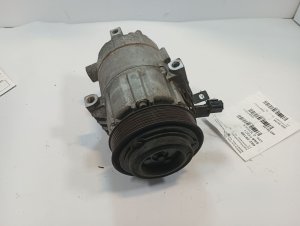
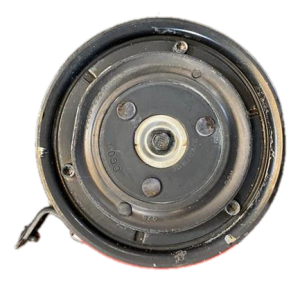
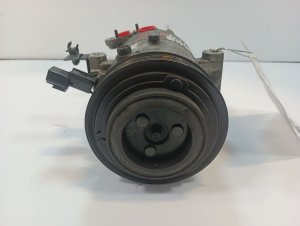
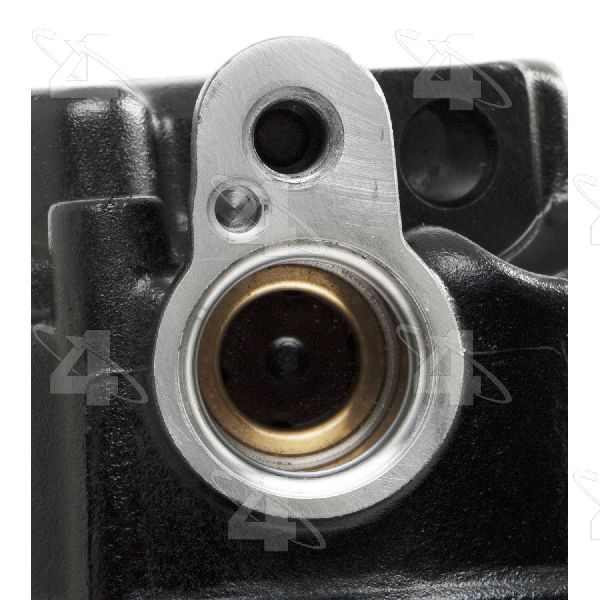
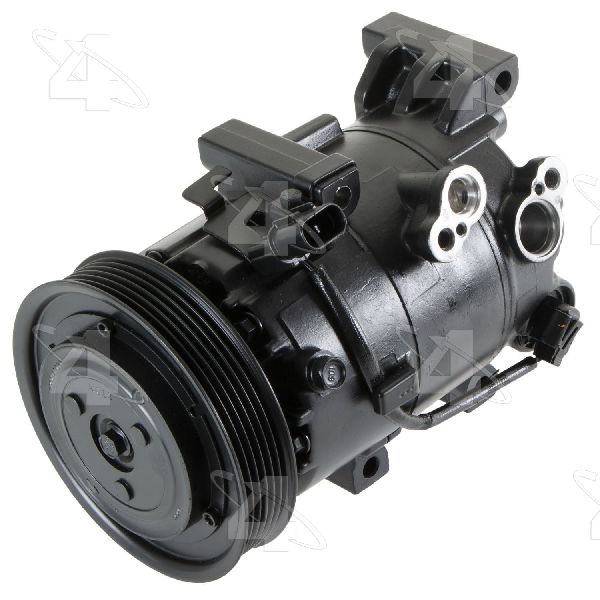
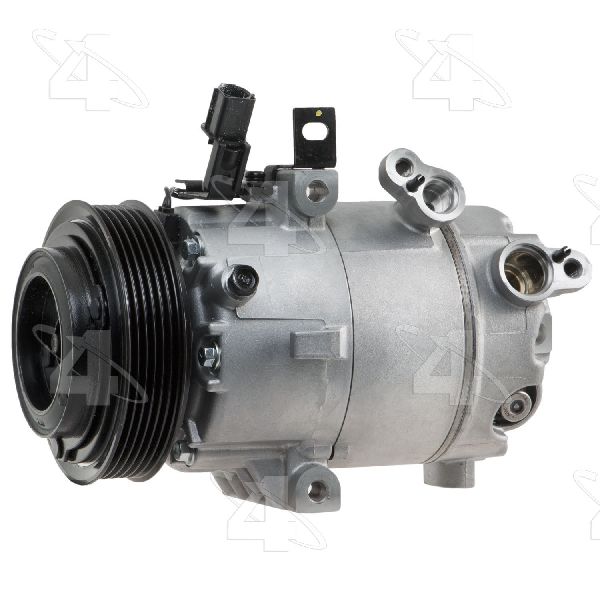
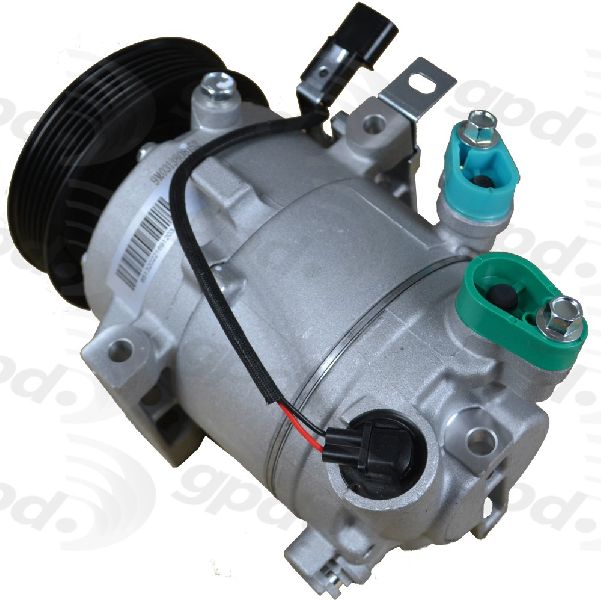
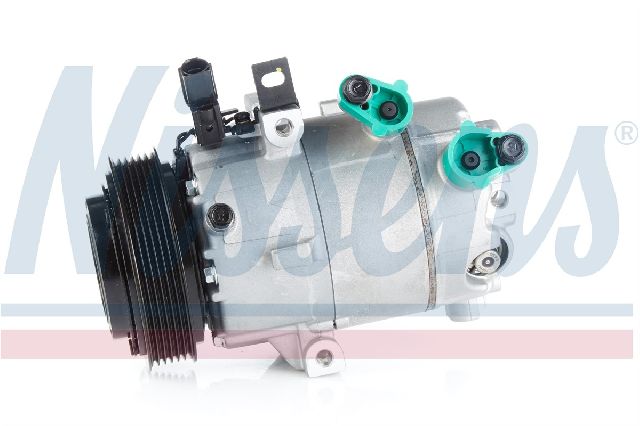
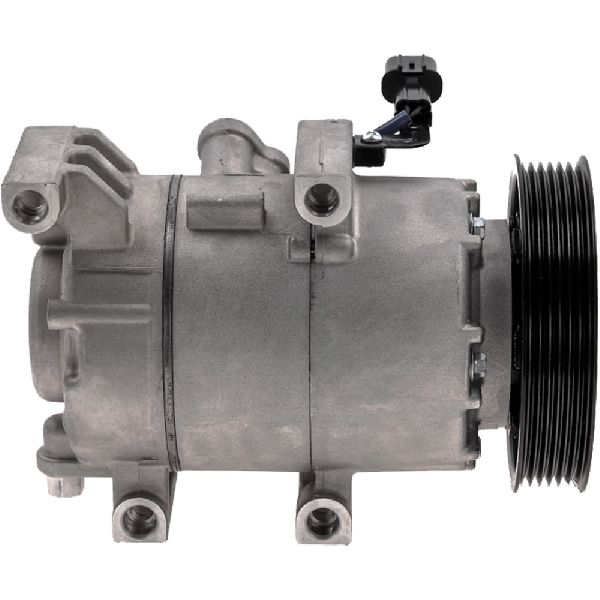
Est. part cost: $0 - Faulty A/C Compressor Relay 🟡 Medium Probability → Shop A/C Compressor This is a common failure point on related Hyundai/Kia platforms. The relay is an inexpensive electro-mechanical switch that wears out over time.
How to confirm: If the scan tool confirms an A/C circuit fault, the easiest test is to swap the A/C relay in the under-hood fuse box with an identical relay from a non-critical system (like the horn). If the A/C starts working and the horn stops, the relay is bad. The relay part number is often shared with the horn and fuel pump relays.
Typical fix: Replacement of the A/C relay. 🎬 Watch: How to troubleshoot a Kia A/C system
Est. part cost: $10-$25 - Immobilizer System Fault (Key, Antenna, or Wiring) 🟡 Medium Probability Key fob batteries die, transponder chips can be damaged, and the antenna coil around the ignition switch is a known failure point on some Kia/Hyundai models. This is especially relevant if the vehicle has had the anti-theft software update installed, which activates immobilizer functions.
How to confirm: If the scan tool confirms an immobilizer fault, first try the spare key and replace the key fob battery. If the problem persists, a technician will test the resistance of the immobilizer antenna coil and check for power and communication signals at the immobilizer module.
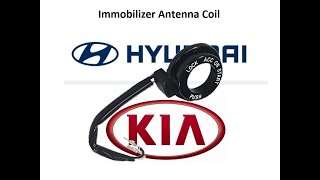
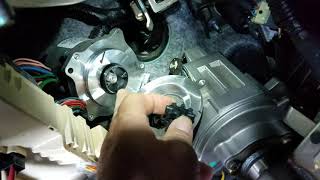
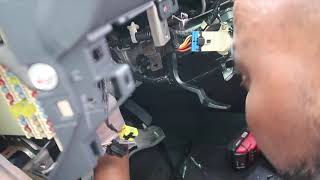
Typical fix: Replace the key fob battery, reprogram or replace the key, or replace the immobilizer antenna coil. 🎬 See this step-by-step antenna coil replacement walkthrough
Est. part cost: $5-$150 - Fuel System Component Failure (e.g., Fuel Cut Valve, Fuel Rail Pressure Sensor) ⚪ Low Probability While less common for this specific code, some documented cases show a link between P1621 and stalling caused by a faulty fuel system component. One owner experience showed that a faulty fuel rail pressure sensor, which also triggered a P0193 code, was the ultimate cause of a P1621 and stalling condition.
How to confirm: If the scan tool confirms a fuel system fault and the vehicle is stalling, a technician will monitor live fuel pressure data. A faulty fuel rail pressure sensor may give erratic or impossibly high readings.
Typical fix: Replacement of the faulty fuel system component, such as the fuel rail pressure sensor.
Est. part cost: $50-$150
Rare But Worth Checking
- Low Battery Voltage / Failing Alternator: → Shop Vehicle Battery A weak battery can cause voltage drops during startup, which can corrupt a control module's self-test and trigger a false memory or communication code like P1621. Always test the battery and charging system before replacing expensive modules.
- Engine Control Module (ECM) Fault: → Shop Engine Control Module (ECM) In very rare instances, the internal driver circuit in the ECM that controls the A/C relay, fuel system, or immobilizer can fail. This should be the last consideration after all other possibilities have been exhausted. One owner reported replacing the ECU did not fix their stalling issue, which was later traced to a fuel pressure sensor.
Diagnosis Steps
- CRITICAL FIRST STEP: Connect a professional, Kia-specific scan tool (like a Kia GDS) to the vehicle.
- Read the trouble codes and, most importantly, the detailed manufacturer-specific description for P1621. This will tell you which system is affected (A/C, Immobilizer, etc.).
- IF A/C RELATED: Inspect the 'A/C' fuse. Locate the A/C relay in the under-hood fuse box and swap it with an identical relay (e.g., horn relay) to see if the symptom changes. If it does, the relay is faulty.
- IF IMMOBILIZER RELATED: Note if the security light is flashing. Try the spare key. Replace the battery in the primary key fob. Inspect and clean the connector to the immobilizer antenna coil around the ignition switch. If the issue persists, further diagnosis of the immobilizer antenna and wiring is needed.
- IF FUEL SYSTEM RELATED: Monitor live fuel pressure data with the scan tool. Check for other fuel-related codes, particularly P0193. Inspect wiring to the fuel rail pressure sensor and/or fuel cut valve.
- In all cases, inspect the wiring and connectors related to the identified faulty system for any visible damage, corrosion, or looseness.
- Test the battery and charging system to rule out low voltage as a cause for the code.
Parts You'll Likely Need
- A/C Compressor Relay (Multi-Purpose Relay)
(OEM #95224-2D000)— If the fault is A/C related, this is the most common and inexpensive part to fail. This relay is used for many functions including the horn and fuel pump.
Trusted brands: Kia (Genuine), Hyundai, Standard Motor Products, Bosch
OEM price range: $15-$30
Aftermarket price range: $10-$20 - Immobilizer Antenna Coil
(OEM #95401-A4010)— If the fault is immobilizer related, this coil around the ignition switch is a common failure point that prevents the key's signal from being read.
Trusted brands: Kia (Genuine)
OEM price range: $25-$40
Aftermarket price range: $20-$35 - Fuel Rail Pressure Sensor
(OEM #35342-2E500)— In cases where P1621 is accompanied by stalling and a P0193 code, this sensor is a likely culprit.
Trusted brands: Bosch, Kia (Genuine), Delphi
OEM price range: $100-$180
Aftermarket price range: $60-$120
Related Codes That Often Appear With This One
- P0193 — If P1621 is caused by a fuel system issue, it may appear with P0193 (Fuel Rail Pressure Sensor Circuit High Input), especially if engine stalling is a symptom. 🎬 Watch: How to fix P1621 and P0193 codes
Technical Service Bulletins (TSBs) & Recalls
- CHA074
- SC210
- SC271 / CS2311
- ENG222
- PI1802
Platform-Specific Known Issues
- It's important to be aware that many 2011-2021 Kia models with a physical key ignition were built without a standard engine immobilizer, making them vulnerable to theft. Kia released a free anti-theft software update (Service Campaign SC271 / CS2311) to address this. This highlights the variability in Kia's security systems and reinforces the need for proper diagnosis, as an immobilizer fault is impossible on a car without one.
Mechanic-Grade Diagnostic Values
- Fuel Rail Pressure Sensor (FRPS) Signal Voltage (Key On, Engine Off) — expected: 1.5V - 1.8V. Failure: A reading near 5.0V suggests a shorted sensor or wiring. A reading near 0V suggests an open circuit or bad ground.
- Fuel Rail Pressure Sensor (FRPS) 5V Reference Voltage — expected: 5.0V. Failure: Significantly less than 5.0V points to a wiring issue or a fault in the ECM's 5V reference circuit.
- Fuel Rail Pressure Sensor (FRPS) Ground Circuit Resistance — expected: < 0.5 Ω (Ohms). Failure: Higher resistance indicates a corroded or broken ground wire, which can cause erratic sensor readings.
- Low-Pressure Fuel Pump Pressure (In-tank pump) — expected: 69.6 PSI (1.6L GDI) or 71.8 PSI (2.0L GDI). Failure: Low pressure indicates a weak in-tank fuel pump, which can starve the high-pressure pump.
- Immobilizer Antenna Coil Resistance — expected: ~8 Ω (Ohms) (unofficial). Failure: An open circuit (infinite resistance) or a dead short (0 ohms) indicates a failed coil. However, a 'good' reading does not rule out a faulty connection.
Hidden / Shadow Codes Worth Checking
- P1690: Immobilizer-SMARTRA No Response. This is a more specific code indicating the ECM received no answer from the immobilizer module. If seen with P1621, it points strongly to an immobilizer module or wiring fault. (see via Kia GDS or equivalent professional scan tool.)
- P1693: Immobilizer Transponder Error. This indicates a failure to read the key's transponder chip, pointing to a bad key, faulty antenna coil, or interference. (see via Kia GDS or equivalent professional scan tool.)
Scan Tool Commands That Help
- Kia GDS (Global Diagnostic System): DTC Analysis — This is the first step. It retrieves the manufacturer-specific definition of P1621, telling you whether to diagnose the A/C, Immobilizer, or Fuel system.
- Kia GDS (Global Diagnostic System): Key Teaching — Required after replacing a key, immobilizer module, or ECM. This function programs new keys to the vehicle's immobilizer system using a vehicle-specific PIN code.
- Kia GDS (Global Diagnostic System): Actuation Test — If P1621 is defined as an A/C fault, this command can be used to manually turn the A/C compressor relay on and off to verify the relay, wiring, and clutch are functional.
- Kia GDS (Global Diagnostic System): Resetting Adaptive Values — After a repair affecting the engine management system (like replacing a fuel pressure sensor), this function clears the learned fuel trim and other adaptations, forcing the ECM to relearn with the new component.
Wiring & Ground Locations
- Immobilizer Antenna Connector — Located on the immobilizer antenna coil, which is a plastic ring around the ignition key cylinder, under the steering column shrouds.. This connector is a known weak point. Oxidation can build up on the terminals, causing high resistance and intermittent no-start conditions that mimic a failed antenna coil. Cleaning this connector is a critical, often-overlooked diagnostic step.
- Engine Ground Strap — General locations include straps from the engine block or cylinder head to the chassis/frame rail. A specific ground wiring assembly for the Forte is part number 91860A7140.. A poor engine ground can cause electrical noise and voltage fluctuations, potentially triggering false communication codes like P1621 in any of its forms.
Real Owner Repair Stories
- YouTube channel 'iofix' (2005 Kia Picanto (similar immobilizer system)) — Intermittent crank but no start. The immobilizer warning light on the dash would fail to illuminate when the fault occurred.
❌ Tried (didn't work) The owner tested the resistance of the immobilizer antenna coil and found it read 8 ohms, which seemed correct, suggesting the coil itself was not broken.
✅ What actually fixed it The owner disconnected and reconnected the immobilizer antenna coil's electrical connector several times. This action scraped off oxidation on the terminals, restoring a proper connection. The problem was resolved for over a week and 20+ starts. - YouTube commenter (Kia (model unspecified, new)) — Random no-start condition since the car was brand new.
❌ Tried (didn't work) The owner discovered that opening and closing the car door would sometimes allow the car to start.
✅ What actually fixed it After watching a video of an immobilizer antenna coil replacement, the owner realized the force of slamming the door was likely jarring the faulty coil/connection enough to make contact. The dealership later confirmed the immobilizer antenna coil was the faulty component.
OEM Part Supersession History
952240x000, 9522429800→95224-2D000— Part consolidation and potential minor revisions for the A/C & Multi-Purpose Relay.353422b100→35342-2E500— Updated design for the Fuel Rail Pressure Sensor.
Model Year Variations Within This Range
- 2017-2018: The 2017 model year introduced a mid-cycle refresh with updated styling and a new base engine (2.0L with 147 hp replacing the previous 1.8L with 145 hp). While P1621 causes are similar, be aware of engine-specific parts if the fault is fuel-related.
- 2014-2015: Early models in this generation with the 1.8L and 2.0L engines have been noted by the Automobile Protection Association (APA) for potential engine issues like piston scuffing. While not directly related to P1621, it's a point of concern for overall vehicle health.
Diagnostic Flowchart
Other Known Issues on This Vehicle
Issues unrelated to this code that are worth knowing about as an owner of this generation:
- Engine Failure (Theta II & Nu MPI) 🔴 High — Widespread issue affecting a significant number of vehicles, leading to class-action lawsuits. Can occur at various mileages, sometimes as low as 20,000-40,000 miles. (Ref: Recall SC210 (2017-2018 2.0L Nu MPI for oil pump failure); TSB ENG222 / PI1802 (KSDS update).)
- MDPS Steering Coupler Disintegration 🟠 Medium — Extremely common. A clicking or clunking noise from the steering column when turning is a classic symptom. Usually appears between 40,000 and 100,000 miles. (Ref: TSB CHA074 (Acknowledges issue and provides repair procedure).)
- Vulnerability to Theft (Key-to-Start Models) 🔴 High — Affects all 2014-2018 models with a traditional key ignition, as they were manufactured without an engine immobilizer. (Ref: Service Campaign SC271 / CS2311 (Free anti-theft software update).)
- Engine Misfires / Faulty Ignition Coils 🟡 Low — A relatively common cause of a check engine light and rough running. Can occur at any mileage.
- Brake Light Switch Failure 🟡 Low — A recall was issued for the brake pedal stopper pad, which could deteriorate and cause the brake lights to stay on or allow the car to be shifted out of park without depressing the brake. (Ref: Recall 17V773000)
Used vs. New Parts: Buying Guide for This Vehicle
When a used part is the smart pick: For the A/C relay, a used part from a junkyard is a perfectly acceptable and cost-effective option for diagnosis (swapping) or repair, as it is a simple, non-VIN-coded component. An immobilizer antenna coil is also a good candidate for a used part, as it is a passive electronic component with a low failure rate; the connector is the more likely issue.
Donor-vehicle mileage cap: roughly under 100000 miles for the part to have meaningful remaining life.
What to inspect on the donor part:
- For relays, look for clean, non-corroded terminals.
- For the antenna coil, ensure the plastic housing is not cracked and the wiring pigtail is undamaged.
- Check the donor vehicle for signs of flood or fire damage, and avoid parts from such vehicles.
OEM-only on this vehicle (don't cheap out):
- Engine Control Module (ECM)
- Smart Key Module
- Fuel Rail Pressure Sensor (Strongly Recommended): Given the high pressures of the GDI system and the sensor's criticality, aftermarket versions can have quality control issues that lead to repeat failures or inaccurate readings. Using a genuine Kia/Hyundai part is the safest bet.
Aftermarket brands forum-validated for this vehicle:
- For the Fuel Rail Pressure Sensor (if not OEM): Bosch, Delphi, Standard Motor Products (SMP).
- For the A/C Relay: Bosch, Standard Motor Products (SMP), WVE.
Brands owners have reported issues with on this vehicle:
- Avoid unbranded, 'white box' sensors and relays from online marketplaces, as their quality and calibration are often questionable and can cause more diagnostic headaches.
Real Owner Stories
Aggregated from forums and TSBs cited above. Mileages and costs reflect what owners reported in those sources.
2014 Kia Forte
Symptoms: The vehicle was experiencing stalling issues and the check engine light was on with codes P1621 and P0193.
What fixed it: Replacement of the fuel rail pressure sensor.
Source hint: YouTube video titled 'P1621 & P0193 FIXED see how we FIXED it'
2014 Kia Forte — ~70000 miles
Symptoms: Clicking or clunking noise from the steering column when turning.
What fixed it: Replacement of the MDPS steering coupler.
Source hint: TSB CHA074 and YouTube video '2014 Kia Forte Steering Coupler Replacement for the MDPS'
Related OBD-II Codes
Frequently Asked Questions
Why does my 2014-2018 Kia Forte have multiple definitions for code P1621?
Is there a TSB for the clicking noise in my steering column along with this code?
My Forte cranks but won't start and shows P1621; could this be related to the anti-theft update?
Can a bad A/C relay cause P1621 on my Kia Forte?
Is the engine failure issue on the 2017-2018 Forte 2.0L Nu MPI related to this code?
Could a fuel sensor be causing my P1621 and stalling issues?
Helpful Videos

Used OEM Parts in Stock
New Aftermarket Parts Available

The information in this article is provided for general reference and educational purposes only. Vehicle specifications, procedures, and part compatibility can vary by production date, trim level, and region. Always consult your vehicle's factory service manual and verify part numbers before purchasing or performing repairs. Safety-critical components such as airbags, seat belts, and braking systems should be installed by a qualified professional.
- Kia Forte:
- 🧭 Diagnostic Flowchart
- 🎬 Helpful Videos
- 🛍️ Shop This Part
- What's Unique About the 2014-2018 Kia Forte
- Symptoms You May Notice
- Most Likely Causes
- Rare But Worth Checking
- Diagnosis Steps
- Parts You'll Likely Need
- Related Codes That Often Appear With This One
- Technical Service Bulletins (TSBs) & Recalls
- Platform-Specific Known Issues
- Mechanic-Grade Diagnostic Values
- Hidden / Shadow Codes Worth Checking
- Scan Tool Commands That Help
- Wiring & Ground Locations
- Real Owner Repair Stories
- OEM Part Supersession History
- Model Year Variations Within This Range
- Other Known Issues on This Vehicle
- Used vs. New Parts: Buying Guide for This Vehicle
- Real Owner Stories
- 2014 Kia Forte
- 2014 Kia Forte — ~70000 miles
- Related OBD-II Codes
- Frequently Asked Questions
- 🎟️ Get 5% Off