

P1629 on 1997-2004 Buick Regal: Theft System No-Start Causes and Fixes
This code means the car's anti-theft system has failed, causing a 'crank but no start' or 'starts and stalls' issue. The most common cause is a faulty Passlock sensor inside the ignition lock cylinder housing or broken wires in the steering column. Replacing the ignition lock housing and performing a security relearn procedure is the typical fix.
- P1629 means your Regal thinks it's being stolen and has disabled the engine, causing a 'crank but no start' issue.
- The problem is almost certainly in the steering column: either a bad Passlock sensor in the ignition lock housing or the wires connected to it.
- Do not waste money on a new fuel pump or starter; they are not the cause of the problem.
- A DIY fix is possible by repairing the wires or replacing the ignition lock housing, but it requires disassembly of the steering column covers. A security relearn procedure is mandatory after the repair.
- If you replace the Body Control Module (BCM), it MUST be programmed by a shop with the proper tools.
What's Unique About the 1997-2004 Buick Regal
The 1997-2004 Regal uses GM's Passlock II anti-theft system. Unlike earlier Pass-Key systems that used a resistor pellet in the key, Passlock II uses a Hall effect sensor and magnet located within the ignition lock housing to verify a correct key turn. The system is notorious for failures within the ignition switch assembly and the delicate wiring that runs through the steering column. These components are the primary suspects for a P1629 code on this specific vehicle, far more so than a failure of the main computer modules.
Symptoms You May Notice
- Engine cranks but will not start
- Engine starts and immediately stalls (within 1-2 seconds)
- Security light is illuminated or flashing on the instrument cluster
- No Malfunction Indicator Lamp (Check Engine Light) will be on for this specific code
- Replacing the fuel pump. The fuel pump is working correctly; it is being intentionally shut off by the PCM as part of the security response.
- Replacing the starter. The engine cranks, which means the starter and its circuit are functioning properly.
- Replacing the key. The Passlock II system in this Regal does not have a chip in the key, so a new key will not solve the problem.
Most Likely Causes
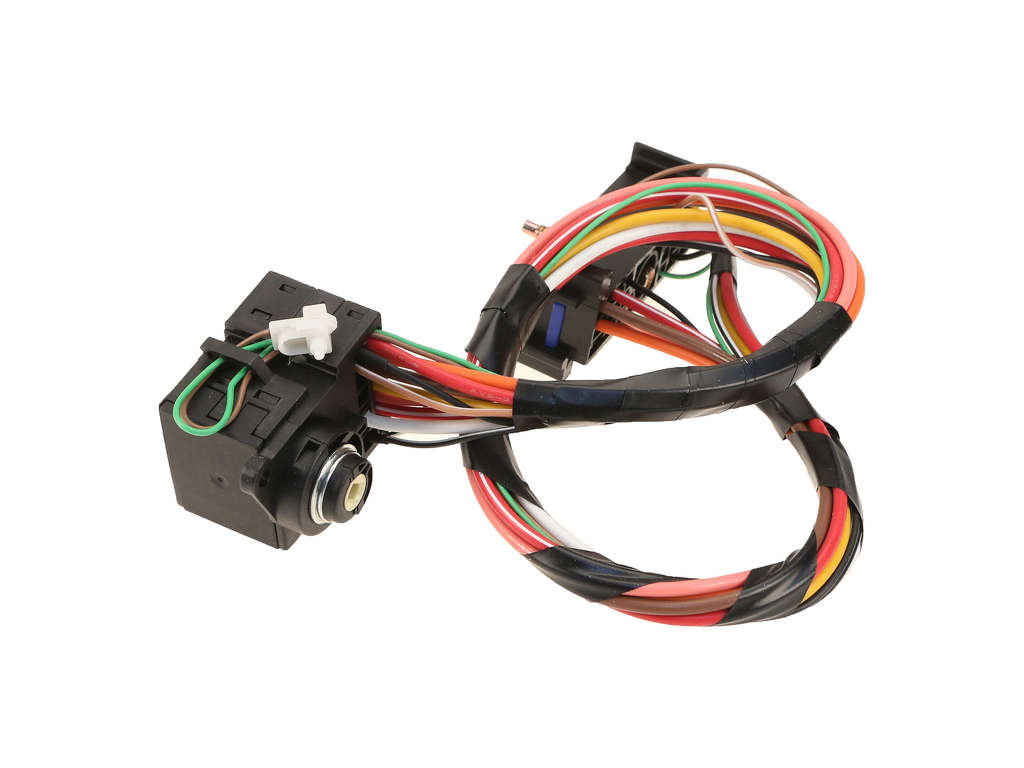
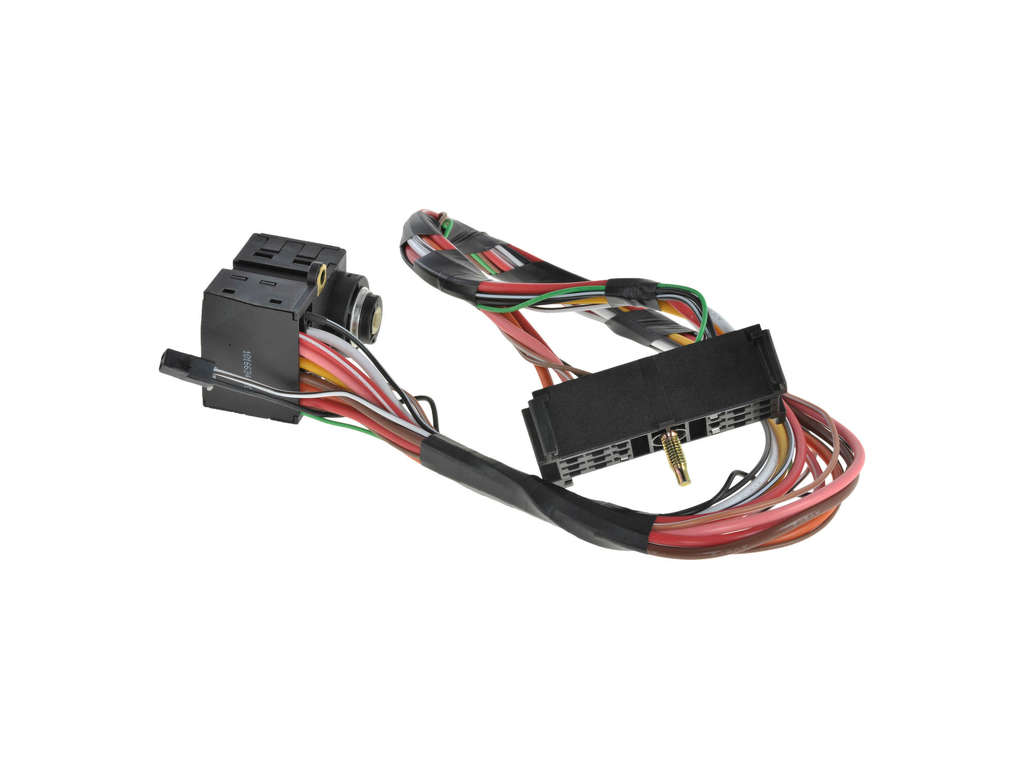
- Faulty Ignition Lock Cylinder Housing (Passlock Sensor Failure) 🔴 High Probability → Shop Ignition Switch The Passlock sensor is integrated into the ignition lock housing. Over time, wear and tear on the ignition cylinder and the sensor's internal components cause it to fail, preventing it from sending the required security signal to the BCM. This is the most common failure point for the Passlock system.
How to confirm: A mechanic can use a scan tool to monitor the Passlock data voltage from the BCM while turning the key. If the voltage is erratic, absent, or does not change from its initial state during the crank attempt, the sensor is likely bad. If the 30-minute relearn procedure fails and the security light never turns off during the 10-minute wait cycles, this also points to a failed sensor.
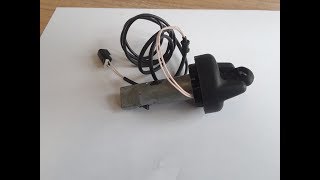
Typical fix: Replace the ignition lock cylinder housing, which contains the new Passlock sensor. 🎬 Watch: Step-by-step guide to replacing the lock cylinder housing. After replacement, a 'Security Relearn Procedure' must be performed, which typically takes 30 minutes.
Est. part cost: $60-$150 - Broken Wires in Steering Column 🟡 Medium Probability → Shop Steering Column The three small wires (typically yellow, black, and white/orange) that run from the ignition lock housing down the steering column are thin and can break or chafe from the rotation of the steering wheel and use of the tilt function. This is a well-documented failure point on many GM vehicles from this era.
How to confirm: Visually inspect the wires coming from the back of the ignition switch for breaks, especially within the orange or black sheathing. This requires removing the plastic steering column covers. 🎬 Watch: How to access and replace the ignition switch. You can also test for continuity with a multimeter from the connector at the base of the steering column to the ignition switch itself.
Typical fix: Carefully solder the broken wire(s) back together and protect the repair with heat shrink tubing. In some cases, a new ignition switch pigtail connector is needed if the break is too close to the connector.
Est. part cost: $1-$25 - Faulty Body Control Module (BCM) ⚪ Low Probability → Shop Body Control Module The BCM is the module that interprets the Passlock signal and sends the 'OK' to the PCM. While electronic failure is less common than mechanical wear, the BCM can fail internally, causing a loss of communication.
How to confirm: This is typically a diagnosis of exclusion. If the ignition switch, sensor, and wiring are all confirmed to be good, and there are other strange electrical issues (e.g., with power windows, lights, locks), the BCM is the likely culprit. A scan tool may also show communication codes (U-codes) or specific BCM faults.
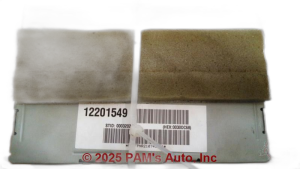
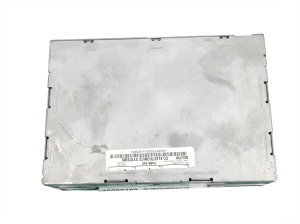
Typical fix: Replace the Body Control Module. A new or used BCM must be professionally programmed to your car's VIN and security settings using a tool like a Tech 2.
Est. part cost: $75-$200 for a used/remanufactured unit, plus programming costs.
Rare But Worth Checking
- Faulty Powertrain Control Module (PCM): → Shop Engine Control Module (ECM) Extremely rare for this code. The PCM is the receiver of the security signal, not the sender. It should only be suspected after all other causes, including wiring and the BCM, have been definitively ruled out.
- Poor BCM or PCM Ground Connection: A loose or corroded ground wire for the BCM or PCM can cause a wide range of communication errors, including P1629. Always check that the main module grounds are clean and tight.
- Aftermarket Remote Starter Issues: Improperly installed or failing aftermarket remote start systems can interfere with the Passlock security system, causing intermittent no-start conditions and P1629. These systems often tap into the same wiring that fails.
Diagnosis Steps
- Confirm Symptoms: Verify the engine cranks but does not run, or starts and stalls. Check for a solid or flashing 'Security' light on the dash.
- Scan for Codes: Use an OBD-II scanner capable of reading Body codes to confirm P1629 in the PCM. Check for any other 'P', 'B', or 'U' codes. Codes like B2960 are a strong clue pointing to the Passlock sensor.
- Check Battery and Fuses: Ensure the battery voltage is above 12.4V. A weak battery can cause communication errors. Inspect all fuses related to the BCM, PCM, and instrument panel.
- Attempt Security Relearn Procedure: Before replacing parts, try the 30-minute relearn procedure. Turn the key to 'ON' (not start). The security light will flash or stay on. Wait for approximately 10-11 minutes until the light turns off. Turn the key off for 10-30 seconds. Repeat this process two more times for a total of three cycles 🎬 See how to perform the 30-minute security relearn procedure. (about 30-33 minutes). If the car starts and runs after, the issue may be intermittent or temporarily resolved. If the light never turns off, the Passlock sensor is likely dead.
- Inspect Ignition Switch Wiring: Remove the steering column covers and visually inspect the small wires (often in an orange sheath) coming from the ignition lock cylinder housing. Look for any obvious breaks, chafing, or poor connections.
- Test the Passlock Signal: If the wiring looks good, the next step is to test the signal from the Passlock sensor. This requires a multimeter and knowledge of the specific wire colors (often yellow, black, and white/orange). This step may be best left to a professional.
- Replace Parts: If the relearn fails and diagnosis points to a specific component, replace the faulty part (most often the ignition lock housing). If the BCM is suspected, it must be replaced and programmed.
Parts You'll Likely Need
- Ignition Lock Cylinder Housing with Passlock Sensor
(OEM #88965342)— This is the most common failure point. The integrated Passlock sensor wears out or fails, causing the P1629 code and a no-start condition.
Trusted brands: ACDelco (OEM), Dorman (924-713)
OEM price range: $120-$180
Aftermarket price range: $60-$100 - Body Control Module (BCM) — If the ignition switch and wiring are good, a faulty BCM may be preventing the security signal from being processed correctly. This part requires professional programming.
Trusted brands: ACDelco (Remanufactured), Dorman
OEM price range: $200-$350
Aftermarket price range: $100-$200
Related Codes That Often Appear With This One
- P1626 — P1626 means 'Theft Deterrent Fuel Enable Signal Lost', indicating the security signal was lost *after* the engine was already running. P1629 means the signal was not present during crank. They point to the same failing system, just at different times.
- B2960 — This is a Body Control Module code for 'Security System Sensor Data Incorrect but Valid'. It often sets in the BCM right before the PCM sets P1629, pointing directly to a problem with the Passlock sensor reading or its wiring.
Technical Service Bulletins (TSBs) & Recalls
- While no specific TSB for P1629 on the Regal was found, TSB PIC5460B for other GM models points to wiring issues near the ECM as a potential cause for similar no-start conditions, corroborating the 'broken wires' diagnosis.
Platform-Specific Known Issues
- Owner Experience with Ignition Switch Replacement: → Shop Ignition Switch An owner on carforums.com reported successfully fixing their Passlock issue by replacing the entire ignition switch assembly for around $95, taking about 3.5 hours for a first-time DIY repair. This solved the problem without needing to cut wires.
- Passlock Bypass with Resistor: A common long-term fix or workaround is to bypass the Passlock sensor entirely by soldering a resistor with a specific value into the wiring. This permanently sends the correct signal to the BCM. The correct resistance value must be measured from the original, functioning sensor before it fails completely, or a standard value like 2.2k Ohms (2200 Ohms) can be used, followed by a relearn procedure.
Mechanic-Grade Diagnostic Values
- Passlock Sensor Signal Wire Voltage (Yellow Wire) — expected: Approximately 5V with key on, engine off. This voltage should change/drop when the key is turned to the 'CRANK' position.. Failure: Voltage is absent, erratic, or does not change when attempting to crank the engine.
- Passlock Sensor Power Wire Voltage — expected: 12V (Battery Voltage) on the power supply wire to the sensor.. Failure: Low or no voltage indicates a wiring or BCM power supply issue, not necessarily a sensor failure.
- Passlock Bypass Resistor Value — expected: Commonly 2.2K Ohms (2200 Ohms), but can vary. The ideal method is to measure the resistance of the working sensor before it fails completely.. Failure: N/A - this is a value for a bypass repair, not a diagnostic measurement of a failed part.
Scan Tool Commands That Help
- GM Tech 2: BCM Special Functions -> New VIN — This function is required after replacing the Body Control Module (BCM) to program the vehicle's VIN into the new module.
- GM Tech 2: BCM Special Functions -> Programming Theft Deterrent System Components — This must be performed after installing a new BCM to sync the Passlock system. Failure to do so will result in a no-start condition.
- GM Tech 2: BCM Data Display -> Passlock Data — To monitor the live voltage signal from the Passlock sensor as the key is turned. This helps confirm if the sensor is sending a signal to the BCM.
Wiring & Ground Locations
- Body Control Module (BCM) — Located behind the lower left side of the instrument panel (driver's side dash), often accessible by removing the insulator panel above the pedals.. The BCM receives the signal from the Passlock sensor and sends the fuel enable password to the PCM. All relevant wiring originates or terminates here.
- Passlock Sensor Wires — A small three-wire harness (typically yellow, black, and orange/black or white) running from the ignition lock cylinder housing down the steering column.. This harness is the most common point of physical failure due to chafing or breaking from steering wheel and tilt column movement.
- G103 Ground — Located on the cowl at the left rear of the engine compartment, often near the brake booster.. This is a major ground point that serves the BCM, Instrument Panel Cluster (IPC), and other interior modules. A poor connection here can cause a variety of communication errors, including P1629.
Real Owner Repair Stories
- YouTube user 'Greasebelly Garage' (1998 GMC Sierra 1500 (similar GM truck platform with Passlock II)) — Starts and immediately stalls, intermittent no-start.
❌ Tried (didn't work) Replaced Mass Air Flow sensor, Replaced Crankshaft Position sensor, Replaced Camshaft Position sensor
✅ What actually fixed it The owner permanently fixed the issue by installing a 2200 Ohm (2.2K Ohm) resistor to bypass the Passlock sensor. The yellow signal wire from the ignition switch was cut, and the resistor was soldered in-line between the BCM side of the yellow wire and the black ground wire.
OEM Part Supersession History
26075081, 26093782→88965342— Part consolidation and updates by GM.
Heads up: The OEM part 88965342 has been discontinued by GM, making aftermarket options like the Dorman 924-713 the primary replacement.
Diagnostic Flowchart
Other Known Issues on This Vehicle
Issues unrelated to this code that are worth knowing about as an owner of this generation:
- Intake Manifold Gasket Failure (Upper and Lower) 🔴 High — Extremely common on the 3800 Series II engine. The original plastic gaskets and upper intake plenum are prone to degradation from coolant and EGR heat, leading to coolant leaks, vacuum leaks, and potential engine damage if coolant mixes with oil. (Ref: GM Corporate Bulletin 01-06-01-007B addresses this issue.)
- Premature Water Pump Failure 🟠 Medium — Many owners report water pump failures, leading to coolant leaks and potential engine overheating.
- Power Window Regulator/Motor Failure 🟡 Low — A very common annoyance where the window regulators or motors fail, causing windows to become stuck.
- 4T65-E Transmission Problems 🔴 High → Shop Transmission Assembly — The 4T65-E automatic transmission, especially in supercharged (GS) models, can suffer from issues like slipping, harsh shifting, and pressure control solenoid failure.
- Stalling Due to MAF or Crankshaft Position Sensor Failure 🟠 Medium — Failures of the Mass Air Flow (MAF) or Crankshaft Position Sensor (CPS) are common and can cause random stalling, sometimes at highway speeds.
Used vs. New Parts: Buying Guide for This Vehicle
When a used part is the smart pick: A used Body Control Module (BCM) from a junkyard can be a cost-effective option, but ONLY if you have access to a GM Tech 2 scan tool or a shop that can program it. A used BCM will not work as a simple plug-and-play part. Buying a used ignition lock housing is NOT recommended, as the internal Passlock sensor is a high-wear item and a used part is likely to have significant wear and fail soon.
Donor-vehicle mileage cap: roughly under 80000 miles for the part to have meaningful remaining life.
What to inspect on the donor part:
- For a BCM, ensure the part number matches your original module exactly.
- Check for any signs of water damage or corrosion on the BCM casing and connector pins.
- Verify the donor vehicle was not involved in a flood or fire.
Aftermarket brands forum-validated for this vehicle:
- Dorman (for Ignition Lock Housing, P/N 924-713)
Brands owners have reported issues with on this vehicle:
- No-name, unbranded ignition lock housings from online marketplaces may have poor quality control and premature failure rates.
Real Owner Stories
Aggregated from forums and TSBs cited above. Mileages and costs reflect what owners reported in those sources.
Buick Regal
Symptoms: Owner experienced a Passlock issue causing a no-start or start-and-stall condition.
What fixed it: Replacing the entire ignition switch assembly, which includes the Passlock sensor.
Cost: $95-$95
Source hint: Owner Experience with Ignition Switch Replacement from carforums.com
Pontiac Grand Am
Symptoms: The car would start and then immediately stall.
What fixed it: A 10-minute relearn procedure provided a temporary fix, but the discussion indicated the Passlock sensor was the ultimate culprit requiring replacement.
Source hint: BAT Auto Technical Forum: A 2010 thread on a Pontiac Grand Am with P1629
Related OBD-II Codes
Frequently Asked Questions
My 2001 Regal cranks but won't start and the 'Security' light is on. Is there anything I can try before taking it to a shop?
I suspect the common broken wires in the steering column are my problem. What exactly should I be looking for?
Is the P1629 code and its no-start symptom common on other GM cars from this era?
Will my Check Engine Light come on for code P1629?
I'm tired of dealing with this Passlock issue. Can the system be permanently bypassed on my Buick Regal?
A mechanic diagnosed a bad Passlock sensor. How much does the part typically cost?
If I need to replace the Body Control Module (BCM) to fix P1629, can I just install a used one myself?
Helpful Videos
Used OEM Parts in Stock
New Aftermarket Parts Available


The information in this article is provided for general reference and educational purposes only. Vehicle specifications, procedures, and part compatibility can vary by production date, trim level, and region. Always consult your vehicle's factory service manual and verify part numbers before purchasing or performing repairs. Safety-critical components such as airbags, seat belts, and braking systems should be installed by a qualified professional.
- Buick Regal:
- 🧭 Diagnostic Flowchart
- 🎬 Helpful Videos
- 🛍️ Shop This Part
- What's Unique About the 1997-2004 Buick Regal
- Symptoms You May Notice
- Most Likely Causes
- Rare But Worth Checking
- Diagnosis Steps
- Parts You'll Likely Need
- Related Codes That Often Appear With This One
- Technical Service Bulletins (TSBs) & Recalls
- Platform-Specific Known Issues
- Mechanic-Grade Diagnostic Values
- Scan Tool Commands That Help
- Wiring & Ground Locations
- Real Owner Repair Stories
- OEM Part Supersession History
- Other Known Issues on This Vehicle
- Used vs. New Parts: Buying Guide for This Vehicle
- Real Owner Stories
- Buick Regal
- Pontiac Grand Am
- Related OBD-II Codes
- Frequently Asked Questions
- 🎟️ Get 5% Off