

P1629 on 1997-2003 Chevrolet Malibu: Theft System Fault, Causes, and Fixes
This code indicates a failure in the GM Passlock anti-theft system, usually causing a crank-no-start or start-and-stall condition. The most common cause is a faulty Passlock sensor inside the ignition lock cylinder housing. Replacing the ignition lock cylinder (which contains the sensor) and performing a 30-minute security relearn procedure is the most common and effective repair.
- P1629 means your car thinks it's being stolen due to a fault in the Passlock anti-theft system, and has disabled fuel to the engine.
- Before replacing any parts, try the 30-minute security relearn procedure (3 cycles of key 'ON' for 10 minutes). This may get the car started temporarily and confirms the fault is in the security system.
- The most likely permanent fix is to replace the ignition lock cylinder, which contains the failure-prone Passlock sensor.
- Do not waste money on a new key; this system does not use a chip-in-key transponder.
- A weak battery can cause this code, so ensure your battery is healthy before proceeding with more complex repairs.
What's Unique About the 1997-2003 Chevrolet Malibu
The 1997-2003 Malibu uses the GM Passlock I or Passlock II anti-theft system, which is notoriously prone to failure. Unlike later systems that use a transponder chip in the key, Passlock relies on a Hall effect sensor and a magnet within the lock cylinder housing that move when the key is turned. This design makes the ignition lock cylinder and its integrated sensor the primary point of failure for this specific code on this vehicle and its platform mates.
Symptoms You May Notice
- Engine cranks but does not start
- Engine starts and runs for a few seconds, then stalls
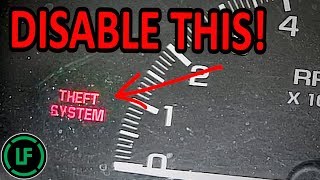
- Flashing or steadily illuminated 'Security' or 'Theft' light on the instrument cluster
- Intermittent no-start condition that may temporarily resolve after waiting 10-15 minutes with the key on
- Replacing the fuel pump. The symptoms of a start and immediate stall can mimic a failing fuel pump. However, in the case of P1629, the PCM is intentionally cutting fuel, so the pump is likely working as commanded.
- Replacing the key. The Passlock system on this Malibu does not use a transponder chip in the key, so a new, non-programmed key will not solve the problem.
Most Likely Causes
- Failed Passlock Sensor in Ignition Lock Cylinder 🔴 High Probability → Shop Ignition Switch The Passlock sensor, integrated into the ignition lock cylinder housing, is a very common failure point on this platform due to wear and tear on its internal components.
How to confirm: The presence of P1629 along with a flashing security light and a crank-no-start or start-stall symptom is a strong indicator. If the 30-minute relearn procedure temporarily resolves the issue, it further points to a failing sensor. The BCM may also store code B2960.
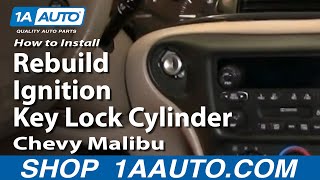
Typical fix: Replace the ignition lock cylinder housing. 🎬 Watch this step-by-step cylinder replacement and relearn guide. This part contains the new Passlock sensor. A security relearn procedure must be performed after installation. Some owners opt to bypass the system entirely using a resistor with a value matching the sensor's output, but this permanently disables the anti-theft feature. 🎬 Learn how to permanently bypass the Passlock system.
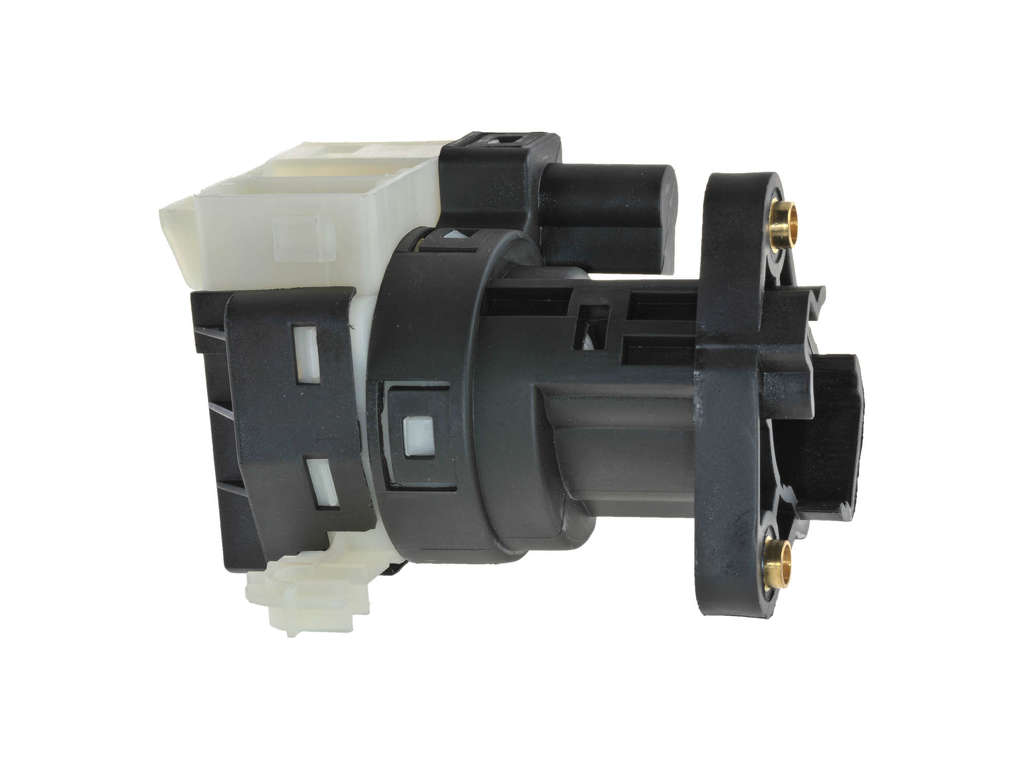
Est. part cost: $50-$150 - Faulty Ignition Switch 🟡 Medium Probability → Shop Ignition Switch The separate electrical ignition switch can develop worn internal contacts, causing intermittent power loss to the BCM or instrument cluster. This voltage fluctuation can be misinterpreted by the BCM as a tamper attempt, triggering the theft system.
How to confirm: Check for other electrical issues that coincide with the no-start problem, such as flickering dash lights, dim battery light, or loss of power to accessories when turning the key. Probing the instrument cluster fuse for steady power while turning the key can reveal a faulty switch.
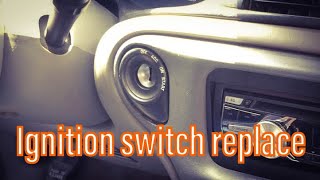
Typical fix: Replace the electrical ignition switch located at the base of the steering column. 🎬 See how to swap out the electrical ignition switch. This is a separate part from the lock cylinder.
Est. part cost: $40-$100 - Wiring Harness Damage ⚪ Low Probability The three thin wires running from the ignition lock cylinder down the steering column can break or chafe over time from use of the tilt-wheel function or simple fatigue.
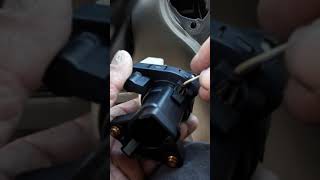
How to confirm: Visually inspect the wiring harness coming from the ignition lock cylinder for any signs of damage, chafing, or poor connections at the connector. The yellow wire is the critical Passlock signal wire, while the black is ground and the orange/black is power. A YouTube video by 'wagslick' shows a user splicing the yellow wire to install a bypass toggle switch.
Typical fix: Repair the broken or damaged section of wire. In severe cases, the ignition lock cylinder pigtail may need to be replaced.
Est. part cost: $5-$30 - Failing Body Control Module (BCM) ⚪ Low Probability → Shop Body Control Module
How to confirm: This is typically diagnosed by exclusion. If the ignition lock cylinder, switch, and wiring are all confirmed to be good but the problem persists, the BCM is the next suspect. A scan tool may show communication-related U-codes (like U0140) along with P1629. Water intrusion is a known cause of BCM failure on some GM vehicles.
Typical fix: Replace the Body Control Module. A new or used BCM must be programmed to the vehicle's VIN by a dealer or a properly equipped independent shop.
Est. part cost: $100-$300
Rare But Worth Checking
- Low Battery Voltage: A weak or dying battery (below 12.4V) can cause random communication errors between modules, falsely triggering a P1629 code. Always ensure the battery is fully charged and connections are clean before diagnosing other components. This is especially common after a jump-start or battery replacement.
Diagnosis Steps
- Confirm Symptoms: Verify the engine cranks but won't start (or starts and stalls) and that the 'Security' light is flashing or on solid.
- Check Battery Health: Ensure the battery is fully charged (above 12.4V) and the terminals are clean and tight. A low battery can cause this fault.
- Perform Security Relearn Procedure: This is a crucial diagnostic step. Turn the ignition key to the 'ON' position (do not attempt to start). Wait for the 'Security' light to stop flashing and turn off (this takes approximately 10 minutes). Turn the key 'OFF' for 10-30 seconds. Repeat this cycle two more times for a total of three 10-minute cycles. After the third cycle, turn the key off, then attempt to start the engine. If it starts, the Passlock system was the issue. This may only be a temporary fix for a failing component.
- Scan for Codes: Use an OBD-II scanner capable of reading body codes (B-codes) and network codes (U-codes). Check for P1629 in the PCM and, more importantly, B2960 in the BCM. The presence of B2960 strongly points to the ignition lock cylinder/Passlock sensor.
- Inspect Wiring: Visually inspect the small three-wire harness (typically yellow, black, and orange/black wires) coming from the ignition lock cylinder down the steering column. Look for any signs of breaks, chafing, or loose pins at the connector, especially if the vehicle has a tilt steering wheel.
- Replace Ignition Lock Cylinder: If the relearn fails or the problem returns quickly, the most probable cause is the ignition lock cylinder assembly. Replace it with a new unit. Remember to perform the 30-minute relearn procedure after installation.
- Consider Ignition Switch: If a new lock cylinder does not solve the issue, the electrical ignition switch is the next most likely cause, especially if other seemingly unrelated electrical issues are present.
- Diagnose BCM: If all other components are verified as good, the Body Control Module (BCM) may be faulty. This step often requires professional diagnosis with advanced tools to verify communication failures.
Parts You'll Likely Need
- Ignition Lock Cylinder with Passlock Sensor
(OEM #15822354 (Supersedes 12458191))— This is the most common failure point for the P1629 code on this vehicle, as it contains the Passlock sensor that sends the security signal.
Trusted brands: ACDelco (D1493F), Dorman (924-719), Standard Motor Products (US614L)
OEM price range: $100-$180
Aftermarket price range: $50-$120 - Ignition Switch
(OEM #10355512)— This is the electrical part of the ignition system. Its internal contacts can wear out, causing intermittent power and triggering the theft system.
Trusted brands: ACDelco, Dorman, Wells
OEM price range: $70-$120
Aftermarket price range: $40-$80
Related Codes That Often Appear With This One
- B2960 — This is a Body Control Module (BCM) code for 'Security System Sensor Data Incorrect but Valid'. It often appears with P1629 and points directly to a problem with the Passlock sensor in the ignition lock cylinder.
- P1631 — This code means 'Theft Deterrent Password Incorrect'. It indicates the PCM received a signal, but it was the wrong password. This can occur alongside P1629 if communication is intermittent.
- P1626 — This code means 'Theft Deterrent Fuel Enable Signal Not Received', which is very similar to P1629. Some GM diagnostics state that P1626 indicates a corrupted signal was received, while P1629 indicates NO signal was received at all. P1629 points to a more complete communication loss.
Platform-Specific Known Issues
- The GM Passlock anti-theft system used in this generation is notoriously prone to failure, leading to widespread reports of no-start or stalling issues related to the security system.
- A common owner experience involves the car failing to start, waiting the required 10 minutes for the security light to go out, and then being able to start the car. This cycle repeats with increasing frequency until the failing part is replaced.
Mechanic-Grade Diagnostic Values
- Passlock Sensor Resistance Value — expected: A specific resistance value, often around 2.2K Ohms (2,200 Ohms), though it can vary. The BCM expects this value with a tolerance of about 5-10%.. Failure: An open circuit (infinite resistance) or a reading that is significantly different from the learned value will trigger the theft system.
Scan Tool Commands That Help
- GM Tech 2: Body Control Module (BCM) > Special Functions > Immobilizer Relearn — This function is used after replacing the BCM or ignition lock cylinder to make the modules learn the new component's security code. It is a faster alternative to the 30-minute manual relearn procedure.
- GM Tech 2: Body Control Module (BCM) > Data Display — To monitor the status of the Passlock system in real-time. A technician can view data PIDs like 'Theft System Status' or 'Passlock Sensor Value' to see if the BCM is receiving a valid signal from the ignition cylinder when the key is turned.
- GM Tech 2: Powertrain Control Module (PCM) > Data Display — To check the 'Fuel Enable' status. If the PCM data shows 'Fuel Disabled' or 'Theft Active', it confirms the PCM is correctly responding to a lack of authorization from the BCM, pointing the diagnosis away from the PCM itself.
Wiring & Ground Locations
- Passlock Wires — In the wiring harness coming from the ignition lock cylinder, accessible by removing the trim around the radio/ignition area.. This 3-wire bundle contains the critical Passlock signal wire (Yellow), a power/reference wire (Orange/Black), and a ground (Black). Damage or breaks in the Yellow wire are a direct cause of P1629.
- G201 / G202 — Located on the left (driver's) side of the dash.. These are primary instrument panel ground points. A poor connection at G201 or G202 can cause erratic behavior in the Body Control Module (BCM) and Instrument Panel Cluster (IPC), which can be misinterpreted as a theft attempt, triggering P1629.
- BCM Location — Behind the passenger side of the dashboard.. This is the physical location of the module that interprets the Passlock signal. It is known to be susceptible to water damage from HVAC drain leaks on some GM platforms, which can cause this code.
Real Owner Repair Stories
- YouTube video by 'wagslick' (2003 Chevrolet Malibu) — Intermittent no-start condition where the theft system light would blink. The owner was tired of performing the 10-15 minute wait/relearn procedure to get the car started.
❌ Tried (didn't work) Repeatedly performing the manual security relearn procedure, which was only a temporary fix.
✅ What actually fixed it The owner permanently bypassed the system by splicing a toggle switch into the yellow Passlock signal wire coming from the ignition cylinder. This allowed them to manually interrupt and restore the signal, but a more permanent version of this fix involves using a resistor of the correct value (e.g., 2.2K Ohm) to permanently mimic the signal.
OEM Part Supersession History
12458191→15822354, which is the service number for ACDelco D1493F and Dorman 924-719.— Part consolidation and potential minor revisions over the production life.
Heads up: No known incompatibilities within the 1997-2003 Malibu range. The replacement parts are designed to be direct fits for the entire generation.
Model Year Variations Within This Range
- 1997-2003: The system used is GM's Passlock II. Unlike Passlock I which used a different resistance measurement method, or Passlock III which used a transponder key, the Passlock II system in this Malibu relies on the Hall-effect sensor in the lock cylinder. This makes diagnosis consistent across this entire model year range.
Diagnostic Flowchart
Other Known Issues on This Vehicle
Issues unrelated to this code that are worth knowing about as an owner of this generation:
- Lower Intake Manifold (LIM) Gasket Failure 🔴 High — Very common on the 3.1L V6 engine. Gaskets made of a plastic/silicone composite degrade over time from contact with Dex-Cool coolant, causing coolant to leak externally or internally into the engine oil.
- Brake Light Malfunction 🟠 Medium — Commonly caused by a faulty brake light switch or a poor ground connection at the tail light assembly. Symptoms include brake lights not working or staying on continuously.
- Coolant Elbow Failure 🟠 Medium — The plastic coolant elbows on the 3.1L V6 engine that connect the water pump to the tensioner assembly become brittle and crack, causing a significant coolant leak. Aftermarket aluminum replacements are a popular upgrade.
- Front Wheel Bearing / Hub Assembly Failure 🟠 Medium — Hub assemblies are a common wear item, often failing before 100,000 miles. Symptoms include a humming or roaring noise that gets louder with vehicle speed and may change when turning.
Used vs. New Parts: Buying Guide for This Vehicle
When a used part is the smart pick: A used Body Control Module (BCM) from a junkyard can be a cost-effective option, but ONLY if you use a 'cloning' service. This service copies the VIN, mileage, and security data from your original BCM to the used one, making it plug-and-play.
Donor-vehicle mileage cap: roughly under 120000 miles for the part to have meaningful remaining life.
What to inspect on the donor part:
- For a BCM, inspect the case and connectors for any signs of white or green corrosion, which indicates water damage.
- Ensure the part number on the donor BCM exactly matches your original module.
- Avoid purchasing a used ignition lock cylinder; it is a high-wear item and the reason for the failure in the first place. A used one is likely to fail again soon.
OEM-only on this vehicle (don't cheap out):
- While not strictly OEM-only, using a high-quality replacement for the Ignition Lock Cylinder (like ACDelco or a reputable aftermarket brand like Dorman) is highly recommended to prevent premature failure of the new part.
Aftermarket brands forum-validated for this vehicle:
- Dorman (924-719 for the lock cylinder)
- Standard Motor Products (US614L for the lock cylinder)
Brands owners have reported issues with on this vehicle:
- Unbranded, low-cost 'economy' lock cylinders may have lower durability and less precise manufacturing tolerances, potentially leading to a repeat failure.
Real Owner Stories
Aggregated from forums and TSBs cited above. Mileages and costs reflect what owners reported in those sources.
2002 Chevrolet Malibu
Symptoms: Vehicle experienced a 'tamper condition' consistent with the Passlock system failing, leading to a no-start situation.
What fixed it: It was advised that replacing both the ignition switch and the lock cylinder is a good idea to fully resolve the condition.
Source hint: chevroletforum.com thread titled '2002 malibu passlock'
1997-2003 Chevrolet Malibu
Symptoms: The car would intermittently fail to start, but after waiting for the required 10 minutes for the security light to go out, it would then start. This problem occurred more and more frequently over time.
What fixed it: The issue was resolved by replacing the failing part, which is typically the Passlock sensor within the ignition lock cylinder.
Source hint: vehicle_specific_issues section of article context
Related OBD-II Codes
Frequently Asked Questions
My 2002 Malibu won't start and the security light is flashing. If I wait 10-15 minutes, it sometimes starts. Is this a known issue?
I'm replacing the ignition lock cylinder on my Malibu to fix P1629. Do I need to do anything special after installing the new part?
My scanner shows code B2960 along with P1629 on my Malibu. What does that point to?
Can I just bypass the Passlock system on my 1999 Malibu instead of replacing parts?
Could a bad ignition switch, not the lock cylinder, cause the P1629 code on my Chevrolet Malibu?
Does this P1629 Passlock problem affect other GM cars from the same era?
Helpful Videos
We Have This Part in Stock


The information in this article is provided for general reference and educational purposes only. Vehicle specifications, procedures, and part compatibility can vary by production date, trim level, and region. Always consult your vehicle's factory service manual and verify part numbers before purchasing or performing repairs. Safety-critical components such as airbags, seat belts, and braking systems should be installed by a qualified professional.
- Chevrolet Malibu:
- 🧭 Diagnostic Flowchart
- 🎬 Helpful Videos
- 🛍️ Shop This Part
- What's Unique About the 1997-2003 Chevrolet Malibu
- Symptoms You May Notice
- Most Likely Causes
- Rare But Worth Checking
- Diagnosis Steps
- Parts You'll Likely Need
- Related Codes That Often Appear With This One
- Platform-Specific Known Issues
- Mechanic-Grade Diagnostic Values
- Scan Tool Commands That Help
- Wiring & Ground Locations
- Real Owner Repair Stories
- OEM Part Supersession History
- Model Year Variations Within This Range
- Other Known Issues on This Vehicle
- Used vs. New Parts: Buying Guide for This Vehicle
- Real Owner Stories
- 2002 Chevrolet Malibu
- 1997-2003 Chevrolet Malibu
- Related OBD-II Codes
- Frequently Asked Questions
- 🎟️ Get 5% Off