

P1775 on 2005-2008 Dodge Magnum 6.1L SRT-8: A Likely Code Mismatch
The trouble code P1775 is not applicable to the 6.1L SRT-8's Mercedes-built NAG1 transmission; it is a known issue for the Chrysler-built 42RLE transmission found in V6 Magnum models. If your SRT-8 is stuck in gear ('limp mode'), the actual cause is almost certainly a faulty conductor plate or a leaking electrical connector, not a P1775 fault.
- P1775 is the wrong code for a 6.1L HEMI SRT-8 Magnum; it applies to V6 models with a different transmission.
- If your SRT-8 is stuck in gear ('limp mode'), the most probable cause is a failed conductor plate inside the transmission.
- A leaking 13-pin electrical connector is another extremely common issue on this transmission and should be inspected immediately.
- Do not replace any parts based on a P1775 code alone. A proper diagnosis with an advanced scan tool is required to find the true fault code.
What's Unique About the 2005-2008 Dodge Magnum
This is a critical point of confusion for this vehicle. The P1775 code and its cause—a sticking Solenoid Switch Valve—are specific to Chrysler-designed transmissions like the 42RLE, which was used in the V6-powered Dodge Magnums. The 6.1L V8 HEMI SRT-8 model, however, is equipped with a more robust, Mercedes-Benz-designed 5-speed automatic transmission known as the NAG1 or W5A580. This transmission has a different internal design and does not have the same Solenoid Switch Valve component that fails on the 42RLE. Therefore, P1775 is not a valid or applicable trouble code for an SRT-8 Magnum. If a generic scanner displays this code for an SRT-8, it is almost certainly misinterpreting a different, underlying transmission fault, most commonly related to the speed sensors on the conductor plate.
Symptoms You May Notice
- Transmission is stuck in a single gear (usually 2nd gear), also known as 'limp mode'
- Harsh or abrupt 'clunk' when coming to a stop as the transmission fails to downshift properly
- Check Engine Light is illuminated
- Vehicle has very slow acceleration from a stop
- Inability to manually shift gears using the autostick function
- Replacing the solenoid pack or valve body based on the incorrect P1775 code, when the actual issue is the conductor plate's speed sensors.
- Replacing the entire transmission when only the conductor plate, electrical connector, or a single solenoid has failed.
Most Likely Causes
- Faulty Transmission Conductor Plate 🔴 High Probability → Shop Transmission Assembly The NAG1 transmission's conductor plate, which houses the input and output speed sensors, is a well-documented, common failure item. Failure of these sensors is the primary cause of the transmission entering limp mode, often triggering codes P0715 and P0720.
How to confirm: Use a high-quality scan tool capable of reading Dodge/Mercedes-specific transmission codes. Look for codes related to input/output speed sensor circuits (like P0715 or P0720). A failing conductor plate is the most common reason for these codes.
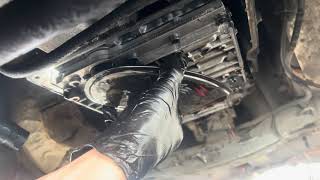
Typical fix: Drop the transmission pan and valve body to replace the conductor plate. This is often done 🎬 Watch: Step-by-step NAG1 conductor plate replacement guide along with a fluid and filter service, and the 13-pin electrical connector should always be replaced at the same time.
Est. part cost: $150-$250 - Leaking 13-Pin Electrical Connector 🔴 High Probability The O-rings on the 13-pin connector that plugs into the transmission frequently fail, allowing transmission fluid to leak. This fluid can wick up the wiring harness into the Transmission Control Module (TCM), causing shorts and erratic behavior. This is a known issue addressed by Chrysler TSB 21-014-06.
How to confirm: Visually inspect the round electrical connector on the front passenger side of the transmission case. Any sign of reddish fluid indicates a leak. The leak can be misdiagnosed as a pan gasket leak.
Typical fix: Replace the electrical connector sleeve and its 🎬 See: How to fix NAG1 electrical connector leaks O-rings. If fluid has contaminated the harness or TCM, they may also need cleaning or replacement. This part is inexpensive and should be replaced whenever the pan is dropped.
Est. part cost: $15-$40 - Failing Shift Solenoid 🟡 Medium Probability → Shop Transmission Valve Body While generally reliable, the solenoids within the valve body can fail electrically or mechanically over time, causing shifting problems and triggering limp mode.
How to confirm: A diagnostic scan tool can often identify a fault with a specific solenoid circuit. The solenoid can also be tested for proper resistance after removing the valve body.
Typical fix: Replace the individual faulty solenoid. Solenoids are typically replaced during a conductor plate service.
Est. part cost: $50-$100 per solenoid - Low or Degraded Transmission Fluid ⚪ Low Probability → Shop Transmission Assembly The NAG1 is sensitive to fluid level and condition. Low fluid can cause pressure issues, while old, burnt fluid can cause valves and solenoids to stick. It requires a specific fluid meeting Shell ATF 3403-M115 or Mopar ATF+4 specifications.
How to confirm: The fluid level must be checked with a special service tool/dipstick (not included with the vehicle) while the transmission is at a specific temperature. The fluid should be bright red and not smell burnt.
Typical fix: Perform a transmission fluid and filter change using the correct specification fluid.
Est. part cost: $100-$180 for fluid and filter
Diagnosis Steps
- CRITICAL FIRST STEP: Disregard the P1775 code. Scan the vehicle with a professional-grade scan tool (like a Snap-on, Autel, or the dealer's WiTech) that can accurately read proprietary Dodge/Mercedes transmission codes.
- Record any specific transmission codes found, paying close attention to any codes related to speed sensors (P0715, P0720) or solenoid circuits.
- Carefully inspect the 13-pin electrical connector on the transmission case for any signs of fluid leakage. If wet, this is a mandatory repair.
- Check the transmission fluid level and condition using the appropriate dipstick tool and procedure. The level must be checked at a specific operating temperature.
- If speed sensor codes (e.g., P0715, P0720) are present, the conductor plate is the most likely cause.
- If specific solenoid codes are present, the problem is likely that individual solenoid or its wiring.
- If no other codes are present and the connector is dry, the issue could be a failing Transmission Control Module (TCM) or a wiring problem between the TCM and the transmission.
Parts You'll Likely Need
- Transmission Conductor Plate
(OEM #52108308AC)— This is the most common cause of limp mode and speed sensor-related fault codes in the NAG1 transmission. The OEM part number 52108308AC supersedes 52108308AB.
Trusted brands: Mopar, Bosch, Vaico, Dorman
OEM price range: $200-$250
Aftermarket price range: $120-$180 - Transmission Electrical Connector Plug Adapter
(OEM #68021352AA)— The O-rings on the original plug are a guaranteed failure point, leading to fluid leaks that can damage other electronics. It should be replaced anytime the transmission pan is removed. This part has had many previous part numbers, including 52108322AA and 5189122AA.
Trusted brands: Mopar, Febi, Vaico
OEM price range: $25-$40
Aftermarket price range: $15-$25 - Transmission Filter and Pan Gasket Kit
(OEM #52108325AA)— Required for any service that involves dropping the transmission pan, such as replacing the conductor plate or solenoids.
Trusted brands: Mopar, Mahle, ATP
OEM price range: $40-$60
Aftermarket price range: $20-$35
Related Codes That Often Appear With This One
- P0700 — This is a generic code indicating the Transmission Control Module (TCM) has stored a fault and requested the Check Engine Light be turned on. It will almost always appear alongside more specific transmission codes.
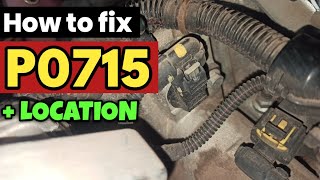
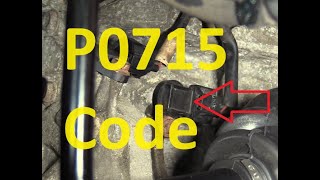
- P0715 — This code indicates a fault with the Input Speed Sensor circuit, which is located on 🎬 Watch: How to diagnose and fix code P0715 the conductor plate. This is a very common code on NAG1 transmissions and a primary cause of limp mode.
- P0720 — This code indicates a fault with the Output Speed Sensor circuit, also located on the conductor plate, and is another common cause of limp mode.
Technical Service Bulletins (TSBs) & Recalls
- TSB 21-014-06: Addresses the common fluid leak from the 13-pin electrical connector on the NAG1 transmission and the potential for fluid to wick up the wiring harness to the TCM.
Mechanic-Grade Diagnostic Values
- Shift Solenoid Resistance — expected: 4.0 - 5.0 Ohms. Failure: A reading outside this range indicates a faulty solenoid coil.
- Torque Converter Lock-Up (TCC) Solenoid Resistance — expected: 2.5 - 3.5 Ohms. Failure: A reading outside this range points to a failure in the TCC solenoid.
- Sensor Supply Voltage at TCM — expected: 4.8 - 7.2 Volts. Failure: Voltage outside this range indicates a problem with the TCM or a short in the wiring harness.
- Resistance between sensor supply circuit and other circuits — expected: Above 5.0 Ohms. Failure: Resistance below 5.0 ohms indicates a short circuit in the wiring or conductor plate.
Scan Tool Commands That Help
- wiTECH or equivalent professional scanner: Reset Adaptive Values / Reset Learned Adaptives (NAG1) — This must be performed after replacing the conductor plate, valve body, or entire transmission. It clears the old shift timing and pressure data, allowing the TCM to re-learn with the new components.
- wiTECH or equivalent professional scanner: Store Learned Adaptives — After performing the road-based re-learn procedure, this command can be used to manually save the new adaptation values immediately, rather than waiting for the automatic 10-minute interval.
- wiTECH: Quick Learn — For some newer Chrysler vehicles, this is an automated procedure to learn new clutch adaptive values. While more common on later transmissions like the 845RE, it's a function to look for to remedy poor shift quality after a repair.
Wiring & Ground Locations
- TCM (Transmission Control Module) — Inside the cabin, under the driver's side dashboard, to the left of the steering column.. This is the computer that controls the transmission. Fluid that wicks up the harness from a leaking 13-pin connector can contaminate and damage this module, causing various faults. Its location is needed for inspection and replacement.
- Z912 — This is the circuit designator for a ground wire in the TCM's C1 harness connector.. A poor ground connection on this circuit can cause erratic TCM behavior, leading to false codes and incorrect diagnoses. Verifying this ground is a key step before condemning the TCM.
- 13-Pin Transmission Connector — On the front passenger side of the transmission case, pointing towards the front of the vehicle.. This is the single point of electrical connection to the transmission's internal components (conductor plate, solenoids). It is the most common source of fluid leaks that lead to electrical issues.
Real Owner Repair Stories
- MBWorld.org Forums (2003 Mercedes-Benz SL500 (uses the same 722.6/NAG1 transmission)) — Vehicle stuck in gear (limp mode), unable to shift.
❌ Tried (didn't work) Clearing codes with OBD scanner, Disconnecting batteries overnight to reset modules
✅ What actually fixed it The user replaced the conductor plate as part of a service kit, which is the standard and correct repair for these symptoms on the NAG1 transmission. - YouTube video by 'colin7761' (Dodge Charger/Magnum/Challenger/Chrysler 300 with NAG1) — Transmission in limp mode due to a lost input speed sensor signal (P0715/P2767).
❌ Tried (didn't work) A repair shop quoted $750 for the fix without specifying the exact component.
✅ What actually fixed it A DIY replacement of the conductor plate, 13-pin connector, filter, and fluid resolved the issue for under $200 in parts. - NHTSA ODI #10314835 (Dodge Dakota reference) — An owner reported that the codes P1775 (Solenoid Switch Valve Latched in TCC Position) and P0218 (Trans-High Temp Activated) appeared, leading to a recommendation to remove the transmission to find internal failure or replace the unit entirely.
OEM Part Supersession History
52108308AB→52108308AC— Standard part revision and improvement by the manufacturer.
Model Year Variations Within This Range
- 2008: The 2008 model year featured a facelift with narrower headlights and a new grille, along with a functional hood scoop. The 6.1L HEMI engine received a minor power increase of 7 hp. However, the NAG1/W5A580 transmission and its common failure points (conductor plate, connector) remained the same throughout the 2005-2008 production run.
Diagnostic Flowchart
Other Known Issues on This Vehicle
Issues unrelated to this code that are worth knowing about as an owner of this generation:
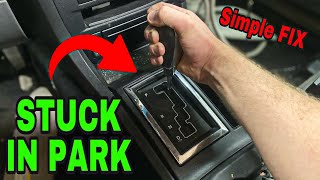
- Shifter Stuck in Park ('Pink Thingy' Failure) 🔴 High — Extremely common across all 2005-2007 LX platform vehicles. The plastic park interlock lever inside the shifter assembly becomes brittle and breaks. (Ref: Customer Satisfaction Notification K39 was issued for some vehicles, but not all VINs were covered.)
- Premature Front Suspension Wear 🟠 Medium — Commonly occurs between 60,000 and 100,000 miles. The front tension struts and outer tie rod ends are known weak points, leading to clunking noises over bumps and poor alignment.
- Rear Differential Axle Seal Leaks 🟡 Low — A common issue where the seals on the rear differential may begin to leak over time, requiring replacement.
- ESP/BAS and ABS Lights Due to Steering Angle Sensor/ABS Sensor Failure 🟠 Medium — Fairly common. The warning lights for the stability control system often illuminate due to a failing ABS wheel speed sensor or, less commonly, a problem with the steering angle sensor.
Used vs. New Parts: Buying Guide for This Vehicle
When a used part is the smart pick: For this specific repair, using used parts is generally not recommended. The primary failure components are electronic (conductor plate) or rubber seals (connector) which degrade with age and heat cycles. A complete used valve body from a very low-mileage, verified-running donor vehicle could be considered, but the risk is high.
Donor-vehicle mileage cap: roughly under 50000 miles for the part to have meaningful remaining life.
What to inspect on the donor part:
- Verify the donor vehicle was running and shifting correctly before being dismantled.
- Inspect the 13-pin connector socket on the donor part for any cracks or damage.
- Ask for the VIN of the donor car to ensure it's a compatible year and model.
OEM-only on this vehicle (don't cheap out):
- While not strictly required, using a Mopar or OEM-supplier (Bosch/Mercedes) conductor plate is highly recommended for reliability. The labor to replace this part is significant, making a premature failure of a cheap part very costly.
Aftermarket brands forum-validated for this vehicle:
- Dorman (Conductor Plate, Connector)
- Vaico (Conductor Plate, Connector)
- Febi (Connector)
Brands owners have reported issues with on this vehicle:
- Some forum users have reported fitment issues with Dorman conductor plates on NAG1 transmissions, occasionally requiring modification to install. Unbranded, low-cost conductor plates from online marketplaces carry a high risk of early failure.
Real Owner Stories
Aggregated from forums and TSBs cited above. Mileages and costs reflect what owners reported in those sources.
2006 Dodge Magnum 6.1L HEMI SRT-8
Symptoms: Transmission went into limp mode with a P0700 and P1775 code showing on a basic scanner.
What fixed it: Replacing the conductor plate and the leaking 13-pin connector. The owner noted that P1775 was a ghost code and the real issue was the speed sensors on the plate.
Source hint: LXForums.com - 'Limp mode, P0700, P1775'
2006 Dodge Magnum NAG1 5-Spd
Symptoms: Vehicle threw a P2767 code related to the speed sensor and entered limp mode. A shop quoted $750 for the repair.
What fixed it: DIY replacement of the NAG1 conductor plate, transmission filter, and 13-pin connector.
Cost: $0-$200
Source hint: How to replace NAG1 5 Spd Transmission Conductor Plate Dodge Charger Magnum Challenger Chrysler 300 by colin7761
Related OBD-II Codes
Frequently Asked Questions
My 2006 Magnum SRT-8 is leaking red fluid from the front passenger side of the transmission. Is this a pan gasket failure?
Does the P1775 code on my 6.1L HEMI mean I need a new transmission?
Can I check the transmission fluid level myself on my 2005 Magnum SRT-8?
What specific transmission fluid should I use for my 6.1L Magnum to avoid shift issues?
My Magnum is stuck in 2nd gear and won't shift manually with the Autostick. Is this 'limp mode'?
Is there a common reason my Magnum SRT-8 shifter won't move out of Park?
Helpful Videos



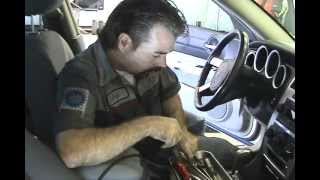
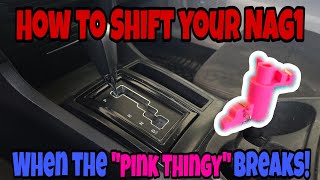
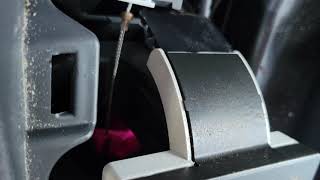
We Have This Part in Stock
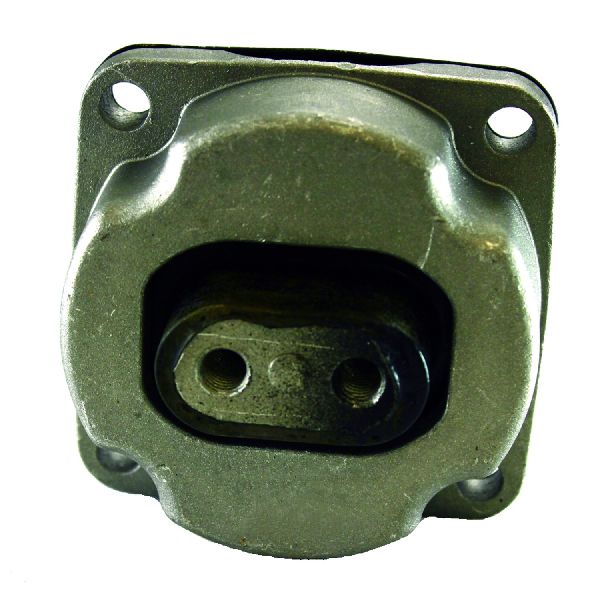


The information in this article is provided for general reference and educational purposes only. Vehicle specifications, procedures, and part compatibility can vary by production date, trim level, and region. Always consult your vehicle's factory service manual and verify part numbers before purchasing or performing repairs. Safety-critical components such as airbags, seat belts, and braking systems should be installed by a qualified professional.
- Dodge Magnum:
- 🧭 Diagnostic Flowchart
- 🎬 Helpful Videos
- 🛍️ Shop This Part
- What's Unique About the 2005-2008 Dodge Magnum
- Symptoms You May Notice
- Most Likely Causes
- Diagnosis Steps
- Parts You'll Likely Need
- Related Codes That Often Appear With This One
- Technical Service Bulletins (TSBs) & Recalls
- Mechanic-Grade Diagnostic Values
- Scan Tool Commands That Help
- Wiring & Ground Locations
- Real Owner Repair Stories
- OEM Part Supersession History
- Model Year Variations Within This Range
- Other Known Issues on This Vehicle
- Used vs. New Parts: Buying Guide for This Vehicle
- Real Owner Stories
- 2006 Dodge Magnum 6.1L HEMI SRT-8
- 2006 Dodge Magnum NAG1 5-Spd
- Related OBD-II Codes
- Frequently Asked Questions
- 🎟️ Get 5% Off