

P2015 on 2008-2014 Dodge Avenger 2.4L: Intake Runner Control Causes and Fixes
On the 2.4L Dodge Avenger, code P2015 almost always points to a problem with the intake manifold runner control (IMRC) system. The most common and reliable fix is to replace the entire intake manifold assembly, as the internal plastic flaps and linkage are prone to breaking or sticking. Expect to pay between $150 and $300 for a new manifold.
- P2015 on a 2.4L Avenger almost always points to a mechanical failure inside the plastic intake manifold.
- The most reliable and cost-effective long-term repair is to replace the entire intake manifold assembly.
- Replacing only the sensor or the external motor is likely to be a waste of time and money, as the code will probably return.
- Symptoms include a Check Engine Light, rough idle, and a noticeable lack of power during acceleration.
- The vehicle is safe to drive in the short term, but performance and fuel economy will be poor until it is repaired.
What's Unique About the 2008-2014 Dodge Avenger
The 2.4L "World Engine" used in the Dodge Avenger and its many platform mates (Jeep Compass/Patriot, Dodge Caliber/Journey, Chrysler 200/Sebring) is notorious for issues with its plastic intake manifold. The internal flaps and, more specifically, the plastic bushings and linkage that move them, become brittle and fail due to constant heat cycles and carbon buildup. This causes the flaps to get stuck or the linkage to break entirely. While the code P2015 points to a sensor performance issue, the root cause is overwhelmingly a mechanical failure inside the manifold, not an electrical problem with the sensor itself. This is why simply replacing the external sensor or actuator often fails to fix the problem permanently, as the underlying mechanical bind or break remains.
Symptoms You May Notice
- Check Engine Light is on
- Reduced engine power and sluggish acceleration, especially below 3,000 RPM
- Rough or uneven idle
- Decreased fuel economy
- Hesitation or stumbling when accelerating
- Failed emissions test
- Replacing only the IMRC position sensor. The P2015 code indicates a 'performance' or 'range' issue, which usually means the sensor is correctly reporting a mechanical problem (stuck/broken flaps), not that the sensor itself is electrically bad.
- Replacing only the IMRC actuator/motor. While the motor can fail, it's more common for the internal plastic linkage inside the manifold to break or bind, preventing the new motor from being able to move the flaps.
- Believing that cleaning carbon buildup is a permanent fix. While cleaning can temporarily free up stuck runners, it does not address the wear and fatigue of the plastic components, and the problem often returns.
Most Likely Causes
- Failed Intake Manifold Assembly 🔴 High Probability → Shop Engine Intake Manifold The internal plastic flaps or the linkage/bushings that actuate them break or get stuck due to carbon buildup and material fatigue. This is a very common failure point on the 2.4L World Engine across multiple Chrysler, Dodge, and Jeep models.
How to confirm: Visually inspect the runner control linkage on the side of the manifold. Command the actuator with a bi-directional scan tool and observe if the linkage moves freely. If it's stuck, loose, or you hear clicking/crunching sounds, the internal mechanism has likely failed. Manually trying to move the linkage arm should be met with smooth spring resistance; excessive play or stiffness indicates failure.
Typical fix: Replace the entire intake manifold assembly. This is the most reliable and permanent solution as it replaces the manifold, internal flaps, linkage, and often the sensor and actuator as a complete unit.
Est. part cost: $150-$300 for aftermarket, $400+ for OEM. - Faulty Intake Manifold Runner Control (IMRC) Actuator/Motor 🟡 Medium Probability → Shop Engine Intake Manifold The electronic motor that moves the runner flaps can fail, but it's less common than the internal manifold components breaking. Sometimes the actuator fails because it's overworked from trying to move stuck flaps.
How to confirm: Use a bi-directional scan tool to command the actuator to open and close. If you can hear the motor trying to work but the linkage doesn't move, the manifold is the issue. If the motor is silent and doesn't respond, test for power and ground at the connector. If power is present, the actuator is likely bad.
Typical fix: Replace the IMRC actuator (often sold as a 'runner control valve'). This is often sold separately (e.g., Dorman 911-902) but may not 🎬 Watch: How to replace the intake manifold runner valve solve the problem if the internal flaps are also damaged or binding.
Est. part cost: $50-$100 - Carbon Buildup ⚪ Low Probability PCV systems can lead to oil and carbon deposits inside the intake manifold over time, causing the flaps to bind.
How to confirm: This is difficult to confirm without removing the intake manifold. Sometimes, attempting to manually move the linkage will reveal stiffness or a binding feeling. A YouTube video by 'Smashin On It' shows a temporary fix by cleaning the manifold internally. 🎬 See this video for a P2004 and P2017 diagnostic fix
Typical fix: Remove the intake manifold and manually clean the intake ports and runner flaps with a suitable solvent like carburetor cleaner. This is often a temporary fix, as worn plastic components are the underlying cause of sticking and will likely fail again.
Est. part cost: $10-$20 for cleaning supplies
Rare But Worth Checking
- Damaged Wiring or Connector: The wiring harness to the IMRC actuator or sensor can become damaged from engine heat and vibration, leading to a poor connection or short. Always inspect the harness for any signs of fraying, melting, or corrosion before replacing parts.
- Faulty Powertrain Control Module (PCM): While extremely rare, it is possible for the PCM itself to be the source of the problem. This should only be considered after all other possibilities have been exhaustively ruled out.
- Aftermarket Intake Runner Bushing/Linkage Repair Kit: Some companies have developed metal repair kits to replace the failure-prone plastic linkage arm and bushings. This is a more involved DIY repair that requires removing the manifold but can be a cheaper alternative to a full manifold replacement if the main housing and flaps are intact. This is not an OEM-sanctioned repair.
Diagnosis Steps
- Scan the vehicle for all stored trouble codes. Note if P2004, P2017, or P200A are present alongside P2015.
- Perform a visual inspection of the intake manifold, focusing on the IMRC actuator and its external linkage on the side of the manifold. Look for any visible damage, loose parts, or broken plastic.
- With the engine off, try to move the external linkage by hand. It should move smoothly with some spring resistance. If it is loose, stiff, or makes crunching sounds, the internal manifold mechanism is broken.
- If you have a bi-directional scan tool, command the IMRC actuator to open and close while watching the linkage for movement and listening for motor operation.
- Inspect the wiring harness and connector going to the IMRC actuator for any signs of damage, corrosion, or loose pins.
- If the actuator does not operate but the linkage moves freely by hand, test for power and ground at the actuator's electrical connector when commanded by the scan tool.
- Based on the high probability of internal failure, if the linkage is stuck or loose, the most effective diagnostic step is to plan for intake manifold replacement.
Parts You'll Likely Need
- Intake Manifold Assembly
(OEM #04884495AK (supersedes 4884495AD, 4884495AF, 4884495AJ, etc.))— This is the most common failure. The internal plastic runner flaps and linkage break or seize. The Mopar replacement is a complete assembly that includes the manifold, flaps, linkage, IMRC actuator, and position sensor, ensuring all failure points are addressed.
Trusted brands: Mopar, Dorman, SKP
OEM price range: $450-$750
Aftermarket price range: $150-$300
Related Codes That Often Appear With This One
- P2004 — P2004 means 'Intake Manifold Runner Control Stuck Open'. This is a mechanical code that frequently appears with P2015 because if the flaps are stuck open, the sensor's position will not match what the PCM expects, triggering both codes.
- P2017 — P2017 means 'Intake Manifold Runner Position Sensor/Switch Circuit High'. This electrical code can appear alongside P2015 if there is a circuit issue or if the mechanical failure causes the sensor to read at the high end of its electrical range.
- P200A — P200A is a generic 'Intake Manifold Runner Performance' code. It can be set along with P2015 as it also indicates a general failure in the IMRC system's operation.
Platform-Specific Known Issues
- The 2.4L World Engine platform, which includes the Dodge Avenger, Caliber, and Jeep Compass/Patriot, is widely known for this specific intake manifold failure. Owners frequently report that attempting to clean the manifold or replace just the actuator results in the code returning shortly after, making a full replacement the recommended long-term fix.
Mechanic-Grade Diagnostic Values
- IMRC Position Sensor Voltage (Live Data) — expected: Approx. 1.2V - 1.7V at idle (flaps closed), sweeping smoothly to approx. 3.8V - 4.5V above 3000 RPM (flaps open).. Failure: Voltage is stuck high (near 5.0V) or low (near 0V) at all times, or does not change when the engine RPM passes the activation threshold.
- IMRC Actuator/Solenoid Resistance — expected: 30-40 Ohms (generic value for similar components).. Failure: Reading of 'OL' (Over Limit) indicates an open circuit and a failed component.
- IMRC Signal Circuit Short-to-Ground Test — expected: Resistance should be above 100 Ohms.. Failure: Resistance below 100 Ohms indicates the signal wire is shorted to ground in the harness.
Hidden / Shadow Codes Worth Checking
- PCM Software Update: In some Chrysler products, codes related to the IMRC (P2016/P2017) can be triggered by overly sensitive diagnostic software. A TSB for some 5.7L engines advises a PCM reflash as a potential fix before replacing hardware. While not specific to the 2.4L, it indicates a possibility of software-related issues for this code family. (see via A dealer using a WiTech scan tool would check for applicable Technical Service Bulletins (TSBs) and available PCM software updates.)
Scan Tool Commands That Help
- WiTech (or equivalent professional bidirectional scanner): Intake Manifold Runner Control Actuator Test / Flow Control Valve Test — This command allows the technician to manually cycle the IMRC actuator motor on and off. It's used to verify if the motor is responding to commands and to visually check if the external linkage moves through its full range of motion. If the motor is heard running but the linkage doesn't move, it confirms an internal mechanical failure in the manifold.
Wiring & Ground Locations
- G105 — Right side of the engine compartment.. A poor ground at this location could affect various engine sensors and actuators, including the IMRC system, leading to erratic voltage readings.
- G321 — Left side of the engine compartment.. This is another primary engine compartment ground. Corrosion or a loose connection here can cause intermittent electrical faults for components controlled by the PCM.
- G308 — Located on the right rear of the engine.. An engine-block-specific ground is critical for the proper operation of sensors and actuators mounted directly to the engine, like the IMRC.
- IMRC Actuator Connector — On the IMRC actuator motor, located on the side of the intake manifold.. This connector provides power, ground, and control signals to the actuator and receives position feedback. It has a two-stage lock (a red tab that must be moved before the main release tab can be pressed). Damage or corrosion here is a common cause of electrical faults.
Real Owner Repair Stories
- YouTube user 'EVERYTHING cpo' (Vehicle with 2.0T engine (similar IMRC design principles)) — Check Engine Light with codes P2006 (Stuck Closed) and P2015.
❌ Tried (didn't work) Initial assumption was a completely failed manifold requiring replacement.
✅ What actually fixed it The user diagnosed a vacuum leak using a hand pump. The vacuum actuator diaphragm on the manifold itself was bad and not holding a vacuum, preventing the runners from opening. The user swapped the vacuum actuator assembly from a spare intake manifold onto the existing one, which resolved the codes without replacing the entire manifold.
OEM Part Supersession History
4884495AD, 4884495AE, 4884495AF, 4884495AG, 4884495AH, 4884495AI, 4884495AJ, 4884542AC→04884495AK— Progressive design updates to address the common failure of the internal runner flap mechanism.
Heads up: The newest part number (04884495AK) is the recommended replacement for all previous versions and is fully compatible.
Diagnostic Flowchart
Used vs. New Parts: Buying Guide for This Vehicle
When a used part is the smart pick: Buying a used intake manifold is strongly discouraged. The failure is due to wear and heat fatigue of internal plastic components. A used part from a junkyard is highly likely to have the same wear and will probably fail in a short amount of time.
Donor-vehicle mileage cap: roughly under 20000 miles for the part to have meaningful remaining life.
What to inspect on the donor part:
- If considering used against advice, only select from a very low-mileage, collision-totaled vehicle.
- Manually actuate the runner linkage arm on the side of the manifold. It must move smoothly with no binding, clicking, or excessive looseness.
- Visually inspect the plastic housing for any cracks, especially around the linkage area and mounting points.
OEM-only on this vehicle (don't cheap out):
- Intake Manifold Assembly - While aftermarket options exist, the OEM Mopar part (04884495AK) is the most reliable and least likely to have premature failure or fitment issues.
Brands owners have reported issues with on this vehicle:
- Dorman: While widely available, owner experiences are mixed. Some report successful repairs, while others experience failures much sooner than the original OEM part.
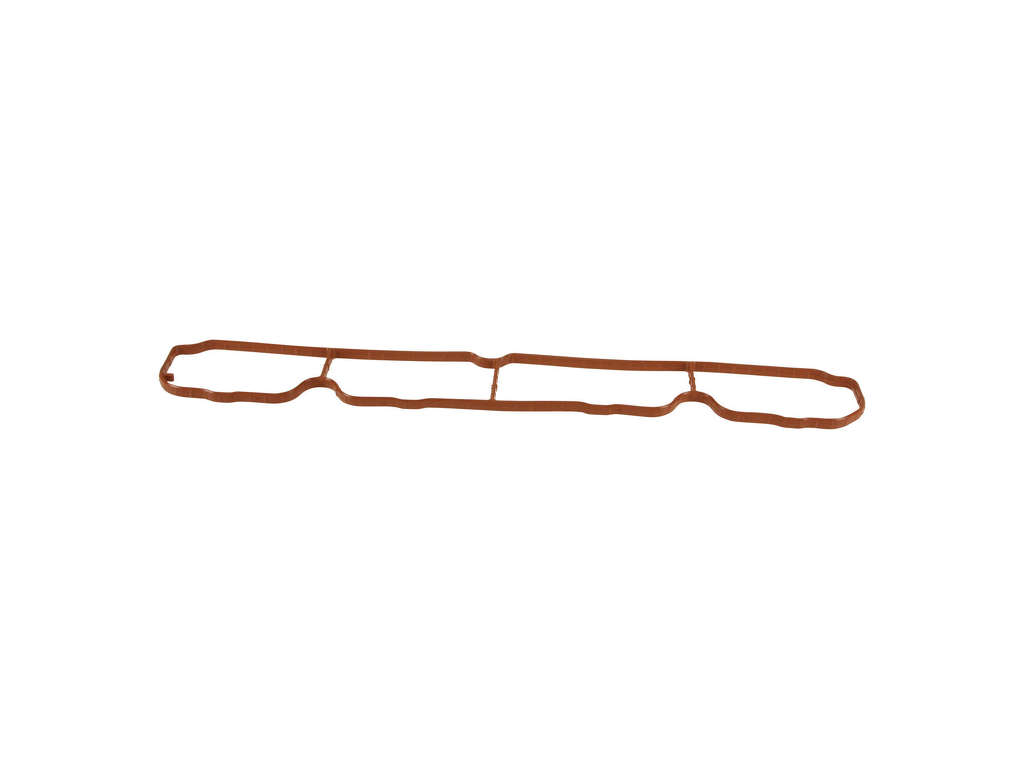
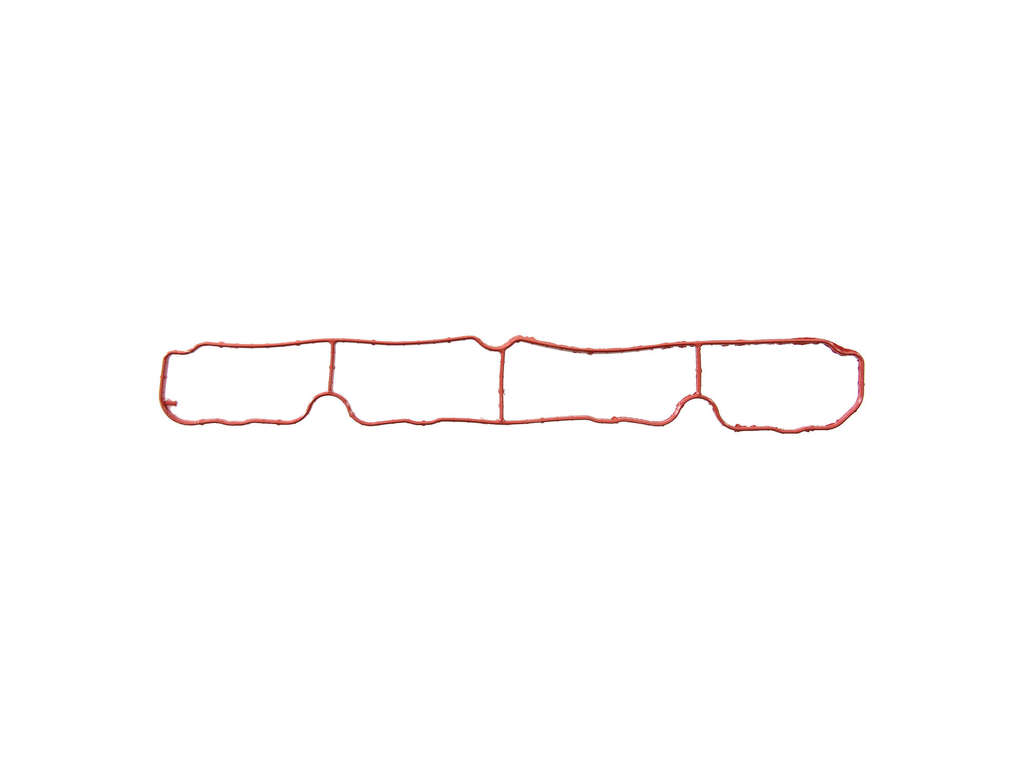
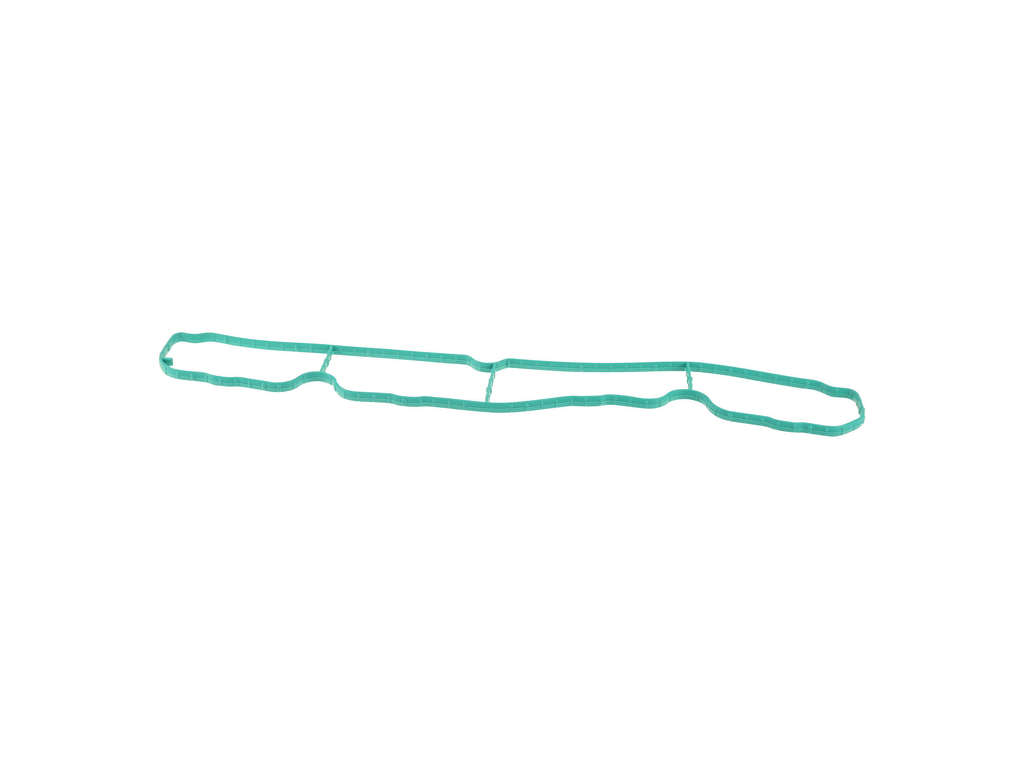
- SKP: Some owners have reported very poor quality, including gaskets that shrink and cause vacuum leaks, and using coarse screws instead of proper metal inserts for mounting points.
Real Owner Stories
Aggregated from forums and TSBs cited above. Mileages and costs reflect what owners reported in those sources.
2009 Dodge Journey 2.4L
Symptoms: Check engine light was on with code P2015 and a cylinder one misfire. The car had very sluggish acceleration, would stall, had a horrible vibration, and trouble getting up to speed.
What fixed it: Replaced the entire intake manifold assembly because the internal runner flaps were stuck.
Source hint: YouTube comment from 'Traveling Car Guru' on video '2009 Dodge Journey 2.4 4cyl - The Conclusion to stalling and misfire issues( P2015, P0301,P0315)'
Dodge Avenger 2.4L
Symptoms: Check Engine Light with code P2004, which is often seen with P2015.
What fixed it: A full intake manifold replacement was recommended because the internal bushings wear out, making cleaning a temporary solution at best.
Cost: $800-$1000
Source hint: DodgeForum.com - P2004 Intake Manifold Runner Control Stuck Open Bank 1
Related OBD-II Codes
Frequently Asked Questions
Is it better to replace just the actuator motor (Dorman 911-902) or the whole intake manifold for a P2015 code on my Avenger?
My mechanic suggested cleaning the carbon buildup from the intake manifold. Will this fix the P2015 code permanently?
I have a 2012 Jeep Patriot with the 2.4L engine and a P2015 code. Is the problem the same as on the Dodge Avenger?
How can I quickly check if my intake manifold is broken without any special tools?
What other trouble codes are commonly found with P2015 on this engine?
What are the typical symptoms of a failing intake manifold runner control on my Avenger besides the Check Engine Light?
Helpful Videos
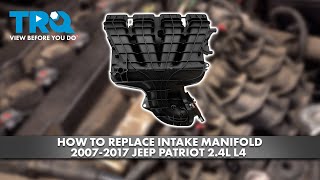
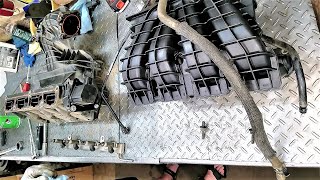
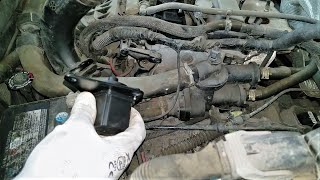
We Have This Part in Stock


The information in this article is provided for general reference and educational purposes only. Vehicle specifications, procedures, and part compatibility can vary by production date, trim level, and region. Always consult your vehicle's factory service manual and verify part numbers before purchasing or performing repairs. Safety-critical components such as airbags, seat belts, and braking systems should be installed by a qualified professional.
- Dodge Avenger:
- 🧭 Diagnostic Flowchart
- 🎬 Helpful Videos
- 🛍️ Shop This Part
- What's Unique About the 2008-2014 Dodge Avenger
- Symptoms You May Notice
- Most Likely Causes
- Rare But Worth Checking
- Diagnosis Steps
- Parts You'll Likely Need
- Related Codes That Often Appear With This One
- Platform-Specific Known Issues
- Mechanic-Grade Diagnostic Values
- Hidden / Shadow Codes Worth Checking
- Scan Tool Commands That Help
- Wiring & Ground Locations
- Real Owner Repair Stories
- OEM Part Supersession History
- Used vs. New Parts: Buying Guide for This Vehicle
- Real Owner Stories
- 2009 Dodge Journey 2.4L
- Dodge Avenger 2.4L
- Related OBD-II Codes
- Frequently Asked Questions
- 🎟️ Get 5% Off