

P2015 on 2007-2012 Dodge Caliber 2.4L: Intake Runner Causes and Fixes
On a 2007-2012 Dodge Caliber with the 2.4L engine, code P2015 almost always means the intake manifold has failed internally. The plastic 'swirl flaps' or the linkage that controls them get stuck or break. The most reliable fix is to replace the entire intake manifold assembly. Expect to pay $120-$250 for an aftermarket part.
- P2015 on your Dodge Caliber almost certainly means you need a new intake manifold, not just a sensor or motor.
- Before buying any parts, remove the actuator motor (3 bolts) and check if the manifold linkage moves freely. If it's stuck, you need the whole manifold. This is the single most important diagnostic step.
- Replacing only the actuator motor without checking the linkage is a common misdiagnosis and will likely result in the code returning.
- Always replace the intake manifold gasket when performing this repair to prevent future vacuum leaks. Many aftermarket manifolds include a new gasket.
- An aftermarket intake manifold is significantly cheaper than the OEM part and is a common, effective repair.
What's Unique About the 2007-2012 Dodge Caliber
The 2.4L "World Engine" used in the Dodge Caliber and its platform-mates (Jeep Compass/Patriot, Dodge Avenger/Journey, Chrysler 200/Sebring) is notorious for this specific failure. Unlike many vehicles where P2015 could be an electrical sensor issue, on this platform, it almost always points to a mechanical failure inside the plastic intake manifold itself. The internal plastic flaps and, more specifically, the plastic bushings and linkage that move them, become brittle from constant heat cycles, get clogged with carbon and oil deposits from the PCV system, and ultimately break or stick. The sensor is usually working correctly; it is accurately reporting the mechanical failure of the flaps not moving as commanded.
Symptoms You May Notice
- Check Engine Light is on
- Reduced engine power and sluggish acceleration, especially at low RPMs
- Poor fuel economy
- Rough or unstable idle
- Engine may sound 'choppy' or different than usual
- Hesitation during acceleration
- Replacing only the IMRC actuator motor when the intake manifold flaps are seized. The new motor will not be able to move the stuck flaps, and the code will return, often very quickly.
- Believing that cleaning carbon buildup from the manifold is a permanent fix. While carbon contributes to the problem, the plastic components are often too worn, brittle, or the bushings have failed, and the issue will likely reappear soon.
- Replacing only the position sensor. The P2015 code indicates a 'performance' issue, meaning the sensor is correctly reporting a mechanical problem (the flaps aren't where they should be), not that the sensor itself has failed electrically.
Most Likely Causes
- Failed Intake Manifold Assembly 🔴 High Probability → Shop Engine Intake Manifold The 2.4L World Engine's plastic intake manifold has internal flaps and linkage that are known to become brittle, bind with carbon, and break over time due to engine heat cycles. The bushings for the runner flap shaft are a common wear point, leading to excess play or seizure.
How to confirm: The most definitive test is to remove the intake manifold runner control actuator from the side of the manifold (typically held by three 8mm or 10mm bolts). Manually try to move the plastic linkage arm on the manifold. It should move smoothly through its range of motion with light spring tension. If it is stiff, gritty, stuck, or excessively loose, the manifold has failed internally. A video from Rust Belt Auto on a Jeep Patriot shows this exact diagnostic step.
Typical fix: Replace the entire intake manifold assembly. This is the most common and reliable long-term repair as it addresses the root mechanical problem.
Est. part cost: $120-$480 - Failed Intake Manifold Runner Control (IMRC) Actuator 🟡 Medium Probability → Shop Engine Intake Manifold The actuator motor can fail electrically or mechanically. However, it's often replaced unnecessarily when the true fault is a seized manifold, which can overwork and burn out the motor.
How to confirm: After removing the actuator, test the manifold linkage as described above. If the linkage moves freely with light spring tension, the actuator itself is the likely point of failure. You can also test for power, ground, and signal at the actuator's electrical connector with a multimeter.
Typical fix: Replace the IMRC actuator motor. This part is mounted to the side of the intake manifold. This should only be done after confirming the manifold linkage is not seized.
Est. part cost: $80-$150
Rare But Worth Checking
- Wiring Harness or Connector Issue: A damaged wire or corroded connector for the IMRC actuator can cause a loss of signal, triggering the P2015 code. This should be checked, especially if the manifold and actuator appear to be in good working order. Look for chafing or damage where the harness routes near the engine.
Diagnosis Steps
- Confirm the P2015 code is present using an OBD-II scanner. Note any other codes like P2004 or P2017.
- Visually inspect the wiring harness and connector going to the intake manifold runner control actuator for any signs of damage, corrosion, or loose connections.
- Remove the IMRC actuator from the side of the intake manifold. It is typically held by three bolts with 8mm or 10mm heads.
- CRITICAL STEP: With the actuator removed, attempt to manually move the plastic linkage on the manifold itself. It should move smoothly with some spring tension and return to its original position.
- If the linkage is stuck, stiff, gritty, or has excessive play, the intake manifold assembly has failed and must be replaced.
- If the linkage moves freely, the IMRC actuator is the most likely culprit. It should be replaced.
- After replacing the necessary parts (manifold or actuator), clear the trouble codes with the scanner and perform a test drive, including varied RPMs, to ensure the fix was successful.
Parts You'll Likely Need
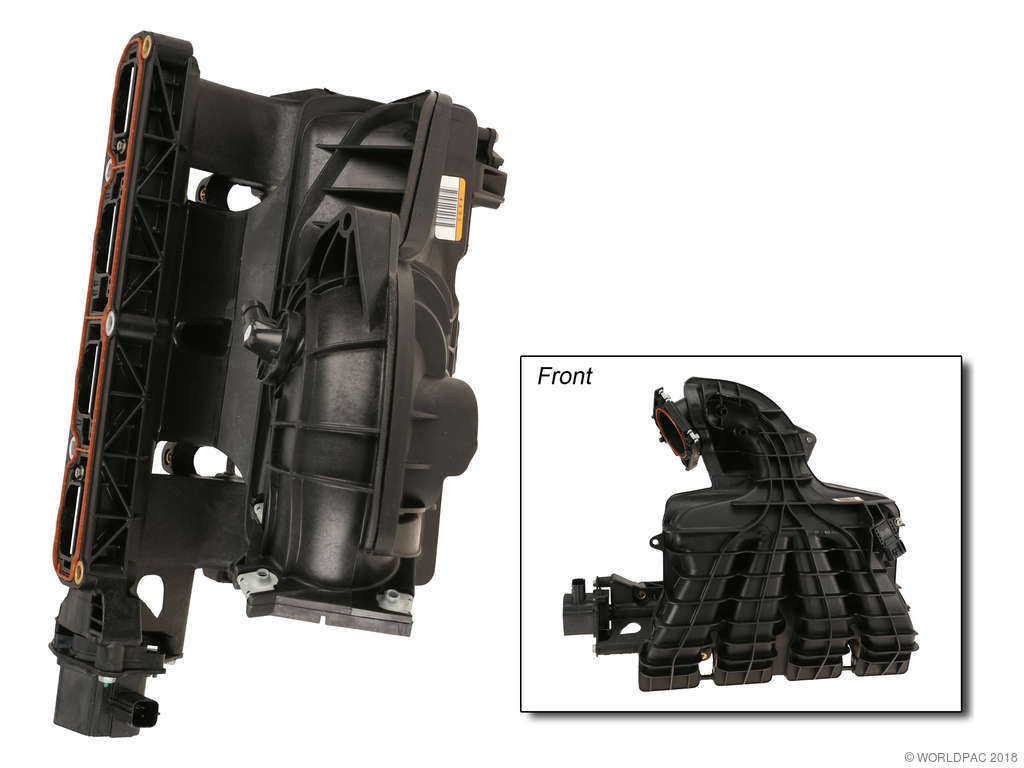
- Intake Manifold Assembly
(OEM #4884495AK)— This is the most common failure point for code P2015 on this engine, as the internal plastic flaps and linkage break or seize. The OEM Mopar part often includes the actuator, MAP sensor, and gaskets.
Trusted brands: Mopar, Dorman (615-282 is listed for the Patriot, check application), SKP, APDTY
OEM price range: $460-$500
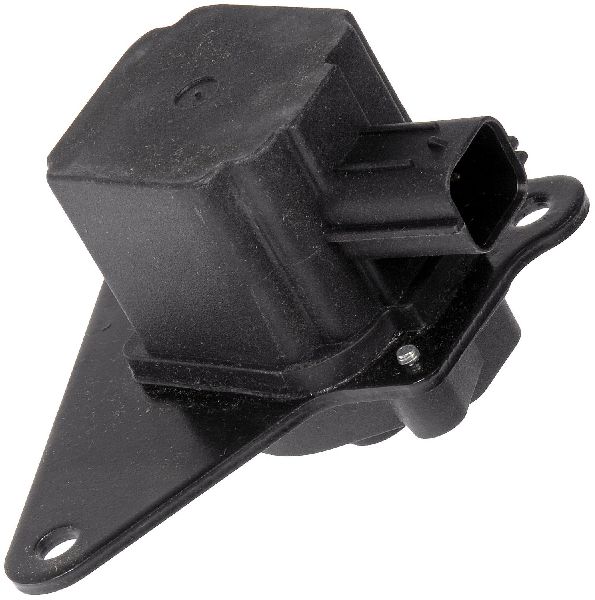
Aftermarket price range: $120-$250 - Intake Manifold Runner Control Actuator
(OEM #4884549AD)— This motor can fail, but it should only be replaced after confirming the manifold's internal linkage moves freely. It is often replaced in error.
Trusted brands: Mopar, Dorman (911-902)
OEM price range: $120-$160
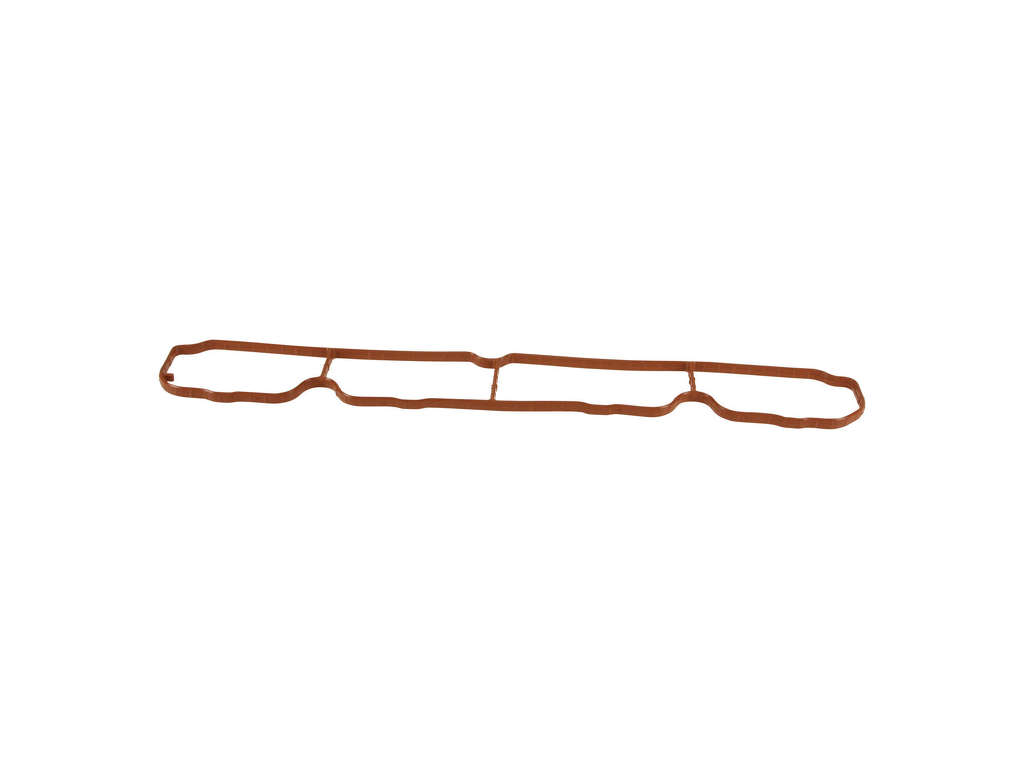
Aftermarket price range: $80-$120 - Intake Manifold Gasket Set
(OEM #MS96840)— This gasket should always be replaced when the intake manifold is removed to ensure there are no vacuum leaks. Many aftermarket manifolds come with new gaskets.
Trusted brands: Fel-Pro, Victor Reinz, Mahle
OEM price range: $15-$25
Aftermarket price range: $8-$15
Related Codes That Often Appear With This One
- P2004 — This code means 'Intake Manifold Runner Control Stuck Open'. It is extremely common to see with P2015 because the underlying mechanical issue—stuck flaps—can cause the system to be seized in the open position.
- P2006 — This code means 'Intake Manifold Runner Control Stuck Closed'. It can appear with P2015 if the flaps are seized in the closed position.
- P2017 — This code for 'Intake Manifold Runner Position Sensor/Switch Circuit High' points to an electrical fault in the sensor circuit, which is part of the same system. It often appears alongside P2004 and P2015 when the actuator or wiring is compromised.
Platform-Specific Known Issues
- The 2.4L World Engine platform is widely documented across Dodge, Jeep, and Chrysler models to have a high failure rate for the plastic intake manifold's runner control system.
- A user on a Jeep forum noted that engineers made this 'plastic crap' that is notorious for cracking or getting gunked up with oil, causing the runners to stick.
Mechanic-Grade Diagnostic Values
- IMRC Position Sensor Live Data Voltage (Scan Tool) — expected: Should sweep smoothly from a low voltage (approx. 0.5V - 1.7V) at idle to a high voltage (approx. 3.8V - 4.5V) when the engine is revved past 3,000 RPM.. Failure: A voltage reading that is stuck, erratic, or does not change when engine RPM changes.
- IMRC Actuator Connector - 5V Reference — expected: 5.0 volts on the Yellow/Pink wire with key on, engine off.. Failure: Significantly lower or no voltage, indicating a PCM or wiring issue.
- IMRC Actuator Connector - Sensor Ground — expected: Less than 50 mV on the Dark Blue/Dark Green wire.. Failure: Higher voltage indicates a bad ground connection.
- IMRC Actuator Connector - Signal Wire Bias Voltage — expected: Approximately 5.0 volts on the Yellow/Dark Blue wire with the actuator connector unplugged and key on.. Failure: No voltage may indicate an open in the signal wire or a PCM issue. This is a bias voltage from the PCM to check circuit integrity.
- IMRC Actuator Motor Resistance — expected: Approximately 12.0-12.8 Ohms. Some generic sources suggest a wider range of 20-50 Ohms.. Failure: A reading of 'OL' (Over Limit) indicates an open circuit, while a reading near zero indicates a short circuit.
Scan Tool Commands That Help
- Professional Scan Tool (e.g., WiTech): Actuator Test / Bidirectional Control — To command the IMRC actuator open and closed while observing live data or listening for mechanical operation. This helps determine if the actuator motor is responding to PCM commands, isolating the issue to the actuator, wiring, or a mechanical jam in the manifold.
Wiring & Ground Locations
- IMRC Actuator Connector Pinout — On the IMRC actuator motor, located on the driver's side of the plastic intake manifold.. Knowing the pinout is critical for electrical testing. The pins are typically: Pin 1 (Black/White): Motor Ground, Pin 2 (Brown/Violet): Motor Power, Pin 3 (Yellow/Pink): 5V Reference, Pin 4 (Dark Blue/Dark Green): Sensor Ground, Pin 5 (Yellow/Dark Blue): Signal.
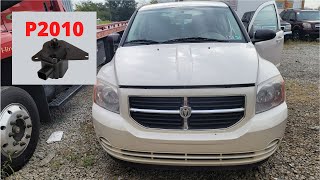
- G104 — A body ground point, likely in the engine bay near the driver's side.. A diagnostic video for a similar code (P2010) on a Caliber identified a bad G104 ground as the cause of the fault. The IMRC actuator motor receives its ground from this point, and high resistance here can prevent the motor from operating correctly.
OEM Part Supersession History
4884495AH, 4884495AI, 4884495AJ→4884495AK— Revisions by the manufacturer to address the common failure of the internal runner flaps and linkage.
Heads up: While older versions will physically fit, the latest revision (4884495AK) is recommended as it may contain durability improvements. Aftermarket parts from brands like Dorman and SKP are also widely available.
Diagnostic Flowchart
Other Known Issues on This Vehicle
Issues unrelated to this code that are worth knowing about as an owner of this generation:
- Front & Rear Subframe/Crossmember Corrosion 🔴 High — Very common, especially in salt-belt regions. Can occur under 100,000 miles. The rust can be severe enough to cause structural failure. (Ref: Chrysler issued an extended warranty (X69) for 10 years for this issue on some model years, but many owners report issues outside the warranty period.)
- CVT Transmission Failure 🔴 High — Common complaint. Symptoms include whining noises, overheating (transmission temperature light), slipping, and sudden loss of power or limp mode.
- Electronic Throttle Body Failure 🟠 Medium — Fairly common. Leads to a flashing 'red lightning bolt' on the dash, sudden loss of acceleration (limp mode), and rough running. Often caused by worn plastic gears inside the throttle body.
- Water Leaks into Cabin 🟡 Low — Often reported, typically from clogged sunroof drain tubes or poor seals around the doors or firewall, which can lead to wet carpets and potential electrical issues.
Used vs. New Parts: Buying Guide for This Vehicle
When a used part is the smart pick: For this specific repair, purchasing a used intake manifold from a junkyard is strongly discouraged. The failure is caused by the aging and embrittlement of internal plastic components due to heat and time. A used part, even from a lower-mileage vehicle, is likely to have the same underlying wear and will probably fail in a short amount of time.
What to inspect on the donor part:
- Not applicable, as a used manifold is not a recommended repair path for this P2015 code.
OEM-only on this vehicle (don't cheap out):
- While not strictly 'OEM-only', the complete intake manifold assembly is the required part. Simply replacing the external actuator or sensor is a common misdiagnosis that will not fix the internal mechanical failure.
Aftermarket brands forum-validated for this vehicle:
- Dorman (Part numbers like 615-282, 911-902 for the actuator)
- SKP
- APDTY (Autoparts Direct to You)
- MaXpeedingRods
Brands owners have reported issues with on this vehicle:
- No specific brands are consistently reported as problematic, but given the low cost of aftermarket manifolds ($120-$250), opting for a new aftermarket assembly is a much safer and more durable repair than a used OEM part.
Real Owner Stories
Aggregated from forums and TSBs cited above. Mileages and costs reflect what owners reported in those sources.
2008 Dodge Caliber
Symptoms: Check engine light with code P2017 (Intake Manifold Runner Position Circuit High). The signal wire was stuck at 5 volts.
What fixed it: The report indicates a diagnostic of a failed repair where a new controller was installed but the code remained, suggesting an internal manifold failure or faulty new part.
Source hint: youtube_comment from New Level Auto
2007 Dodge Caliber
Symptoms: Owner experienced a 'stuck open' code and replaced the actuator, but the code returned.
What fixed it: The owner removed the manifold and confirmed the flaps moved freely by hand, suggesting the issue was electrical or related to actuator positioning.
Source hint: DodgeForum.com - Manifold Problems
2012 Dodge Caliber 2.4L — 140000 miles
Symptoms: P2004 and P2017 codes present.
What fixed it: Preemptively replaced the entire intake manifold assembly rather than just the sensor or actuator.
Source hint: Reddit r/DodgeCaliber - Intake manifold replacement
2010 Jeep Patriot 2.4L
Symptoms: P2004, P2008, and P2017 codes; mechanic diagnosed a 'gunked up' intake manifold.
What fixed it: Replacement of the intake manifold assembly after a new IMRC actuator failed to fix the return of the codes.
Cost: $900-$900
Source hint: Reddit r/JeepPatriot - P2004, P2008, P2017 codes
Related OBD-II Codes
Frequently Asked Questions
Is there a recall or extended warranty for the intake manifold on my 2.4L Dodge Caliber?
Can I just replace the IMRC actuator motor to fix the P2015 code?
Why does my Caliber feel sluggish at low RPMs with this code?
How can I tell if the intake manifold itself has failed without a professional scanner?
Is the intake manifold failure common on other vehicles besides the Caliber?
Helpful Videos
We Have This Part in Stock


The information in this article is provided for general reference and educational purposes only. Vehicle specifications, procedures, and part compatibility can vary by production date, trim level, and region. Always consult your vehicle's factory service manual and verify part numbers before purchasing or performing repairs. Safety-critical components such as airbags, seat belts, and braking systems should be installed by a qualified professional.
- Dodge Caliber:
- 🧭 Diagnostic Flowchart
- 🎬 Helpful Videos
- 🛍️ Shop This Part
- What's Unique About the 2007-2012 Dodge Caliber
- Symptoms You May Notice
- Most Likely Causes
- Rare But Worth Checking
- Diagnosis Steps
- Parts You'll Likely Need
- Related Codes That Often Appear With This One
- Platform-Specific Known Issues
- Mechanic-Grade Diagnostic Values
- Scan Tool Commands That Help
- Wiring & Ground Locations
- OEM Part Supersession History
- Other Known Issues on This Vehicle
- Used vs. New Parts: Buying Guide for This Vehicle
- Real Owner Stories
- 2008 Dodge Caliber
- 2007 Dodge Caliber
- 2012 Dodge Caliber 2.4L — 140000 miles
- 2010 Jeep Patriot 2.4L
- Related OBD-II Codes
- Frequently Asked Questions
- 🎟️ Get 5% Off