

P2097 on 2010-2017 GMC Terrain 2.4L: Causes and Fixes for Rich Fuel Trim
On the 2010-2017 GMC Terrain 2.4L, code P2097 is most often caused by a cracked exhaust manifold or a leaking fuel injector. Before replacing the O2 sensor, thoroughly inspect the manifold for cracks, check for fuel in the oil which points to a bad high-pressure fuel pump, and be aware of the engine's known oil consumption issues which can foul sensors.
- Do not immediately replace the oxygen sensor. P2097 is often a symptom of another problem on this vehicle.
- The most likely cause is a cracked exhaust manifold. Inspect it carefully before proceeding with any other repairs.
- Check for fuel in the engine oil by smelling the dipstick. This is a clear sign of a leaking fuel injector or a failing high-pressure fuel pump.
- Be aware of the engine's history of high oil consumption, which can contaminate sensors and the catalytic converter over time.
- GM has issued a service bulletin (PIP4964F) advising technicians to check for leaking fuel injectors early in the diagnostic process for this code.
What's Unique About the 2010-2017 GMC Terrain
For this generation of GMC Terrain with the 2.4L Ecotec engine, P2097 is frequently linked to two major platform-specific issues. The first is a cast iron exhaust manifold that is highly prone to cracking, which skews oxygen sensor readings and causes a rich condition. The second is the engine's notorious problem with excessive oil consumption due to piston ring design, which can foul O2 sensors and the catalytic converter, leading to this code. GM has also issued service bulletins, like PIP4964F, pointing to leaking fuel injectors as a common culprit that should be investigated before replacing other parts.
Symptoms You May Notice
- Check Engine Light is on
- Reduced fuel economy
- Poor or rough idle
- Engine may hesitate or stumble on acceleration
- Fuel odor
- Black smoke from the exhaust in some cases.
- Replacing the downstream O2 sensor without testing. The sensor is often just accurately reporting a problem that originates further upstream, like a cracked manifold or leaking injector. Always test before replacing parts.
- Replacing the catalytic converter. The converter is almost never the root cause of a P2097 code. It is the victim of other problems like oil consumption or a persistent rich condition. Replacing it without fixing the source of the problem will lead to the new converter failing as well.
Most Likely Causes
- Cracked Exhaust Manifold 🔴 High Probability → Shop Exhaust Manifold The 2.4L Ecotec engine is notorious for developing cracks in the cast iron exhaust manifold. This leak allows unmetered outside air into the exhaust stream before the O2 sensors. The upstream O2 sensor detects this extra oxygen and reports a false lean condition to the ECM. The ECM then compensates by adding more fuel, creating a genuine rich condition that the downstream sensor (Sensor 2) correctly detects, triggering P2097.
How to confirm: Visually inspect the exhaust manifold for cracks, often near the welds or flanges. A smoke test on the exhaust system is a very effective way to reveal hard-to-see leaks. A common symptom is a ticking noise from the engine bay, especially when cold.
Typical fix: Replace the exhaust manifold and gaskets. Many aftermarket replacements are available.
Est. part cost: $150-$400 - Leaking Fuel Injector(s) 🔴 High Probability → Shop Fuel Injector GM Technical Service Bulletin PIP4964F specifically points to leaking fuel injectors as a common cause for P2097 on this platform. An injector can get stuck open or leak, dumping excess fuel into one or more cylinders, leading to a rich condition.
How to confirm: Perform a fuel injector balance test using a capable scan tool, as recommended by GM. A professional can use an Active Fuel Injector Tester (AFIT). Another method is to pull the spark plugs and check for one that is wet with fuel or significantly darker/more fouled than the others, indicating a rich condition in that specific cylinder.
Typical fix: Replace the faulty fuel injector(s). It is often recommended to replace them as a set to ensure proper fuel balance.
Est. part cost: $50-$150 per injector - Faulty Downstream Oxygen Sensor (Bank 1, Sensor 2) 🟡 Medium Probability → Shop Oxygen Sensor The platform's known oil consumption issues can foul the O2 sensor with contaminants, causing it to send incorrect rich readings even if the fuel mixture is normal. It is also a common wear-and-tear item that can fail and become biased, reporting a rich condition when one doesn't exist.
How to confirm: Use a scan tool to monitor the live voltage data from the downstream O2 sensor. If it's stuck high (typically above 0.8V) and doesn't fluctuate, and you've ruled out actual rich conditions (like leaking injectors) and exhaust leaks, the sensor is likely faulty.
Typical fix: Replace the downstream oxygen sensor. 🎬 See this step-by-step downstream O2 sensor replacement walkthrough
Est. part cost: $40-$80 - Failing High-Pressure Fuel Pump (HPFP) ⚪ Low Probability The 2.4L is a direct-injection engine. The HPFP is mechanically driven by the camshaft and can fail internally, leaking fuel directly into the crankcase. This fuel contaminates the engine oil, and the fuel vapors are then pulled through the PCV system into the intake manifold, creating a rich condition across all cylinders.
How to confirm: The most common and definitive sign is smelling raw fuel on the oil dipstick 🎬 Watch: How to diagnose a failing high-pressure fuel pump or when removing the oil cap. The oil level may also appear to rise over time. A professional can perform a fuel pressure test to confirm pump failure.
Typical fix: Replace the high-pressure fuel pump and change the contaminated engine oil and filter.
Est. part cost: $200-$400
Rare But Worth Checking
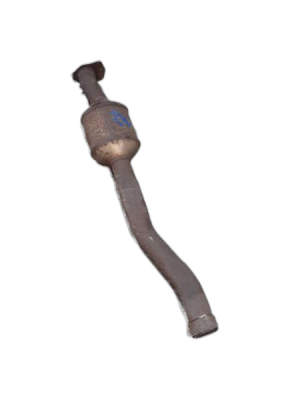
- Excessive Oil Consumption Fouling Catalytic Converter: → Shop Catalytic Converter The 2.4L Ecotec engine is subject to multiple TSBs and special coverage adjustments (e.g., 14159, 15285C, N192291100) for excessive oil consumption due to low-tension piston ring design. This burned oil can contaminate and eventually clog the catalytic converter, leading to incorrect readings by the downstream O2 sensor or other performance issues. This is usually the final outcome after ignoring the root oil consumption cause for a long time.
- Faulty Upstream Oxygen Sensor (Bank 1, Sensor 1): → Shop Oxygen Sensor A failing upstream O2 sensor can send incorrect lean signals to the ECM, causing it to command a rich fuel mixture that the downstream sensor then correctly reports, triggering the P2097 code.
- Plugged PCV Orifice: GM Special Coverage 14882 addresses an issue where the PCV orifice in the intake manifold 🎬 Watch: How to check for a clogged PCV system can become plugged, especially in cold weather on engines with high oil consumption. This can increase crankcase pressure, leading to oil leaks and potentially affecting the air/fuel mixture by altering crankcase ventilation.
Diagnosis Steps
- Check for other stored diagnostic trouble codes. Codes like P0172 or misfire codes can provide important clues.
- Remove the oil cap or pull the dipstick and smell for gasoline. A strong fuel smell in the oil is a critical clue pointing to a leaking high-pressure fuel pump or, less commonly, severely leaking injectors. This should be one of the first checks.
- Visually inspect the exhaust manifold for cracks. This is a very common failure point on the 2.4L Ecotec engine. Look for soot trails or use a smoke machine for a definitive test.
- Inspect the entire exhaust system for leaks from the engine to the downstream O2 sensor. Pay attention to gaskets and flex pipes. A smoke test is the most effective method.
- Using a scan tool, monitor live data for fuel trims (short-term and long-term) and O2 sensor voltages. A high, steady voltage from the downstream O2 sensor (B1S2) confirms the rich reading being reported to the ECM.
- If no exhaust leaks are found and the oil is not contaminated with fuel, suspect a faulty fuel injector. Perform a fuel injector balance test as recommended by GM TSB PIP4964F.
- If all other causes are ruled out, the downstream O2 sensor itself may be biased or faulty. Test its function and wiring before replacing.
Parts You'll Likely Need
- Exhaust Manifold with Integrated Catalytic Converter
(OEM #12643523)— The original manifold is prone to cracking. This is one of the most common causes of P2097 on this specific engine.
Trusted brands: ACDelco, Walker Exhaust, AP Exhaust Technologies, Dorman
OEM price range: $300-$450
Aftermarket price range: $150-$300 - Fuel Injector
(OEM #12638530)— GM TSBs identify leaking fuel injectors as a primary cause for this code.
Trusted brands: ACDelco, Delphi, Bosch
OEM price range: $80-$150
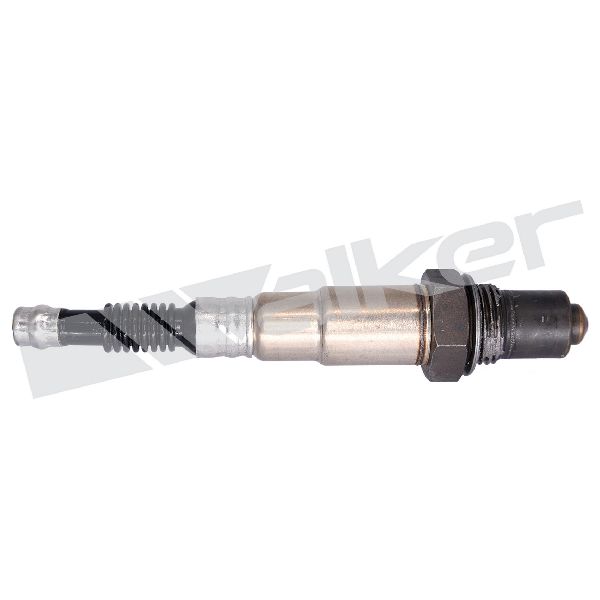
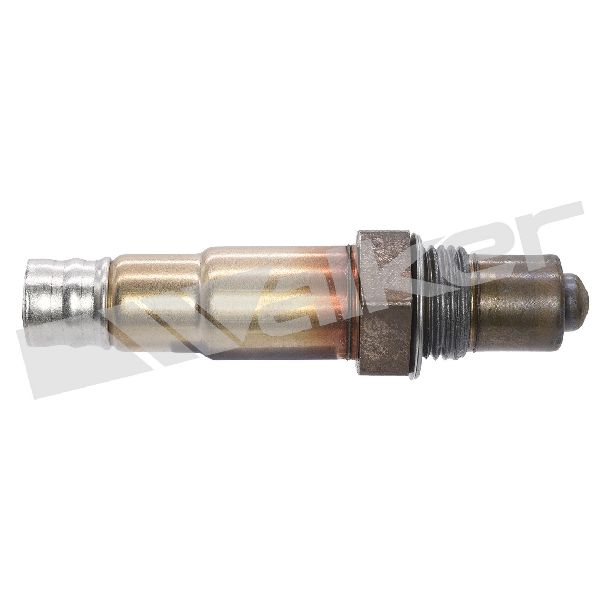
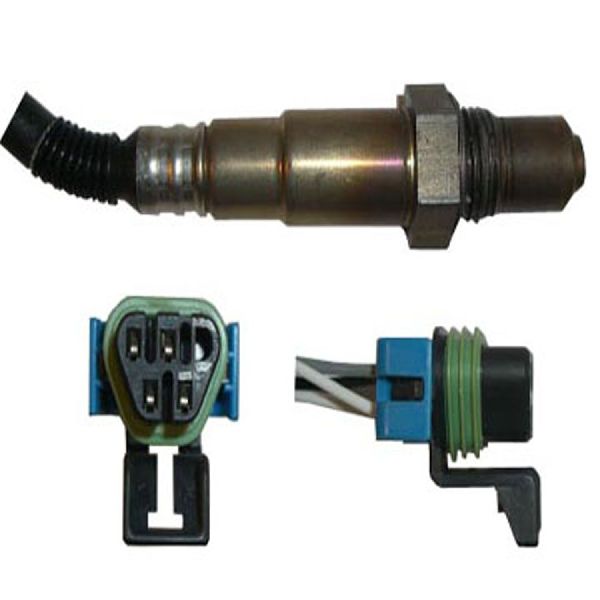
Aftermarket price range: $40-$90 - Downstream Oxygen Sensor (Bank 1, Sensor 2)
(OEM #12639692 (ACDelco #213-4768 is also cited for 2.4L models, verify fitment))— The sensor itself can fail or become contaminated by excessive oil consumption, sending false rich signals.
Trusted brands: ACDelco, Denso, NGK/NTK
OEM price range: $70-$120
Aftermarket price range: $40-$80
Related Codes That Often Appear With This One
- P0172 — This code means 'System Too Rich (Bank 1)' and is detected by the upstream O2 sensor. If both P0172 and P2097 are present, it strongly points to a genuine rich-running condition, such as a leaking injector or faulty fuel pump.
- P0420 — This code for 'Catalyst System Efficiency Below Threshold' can appear with P2097 because the persistent rich condition or a fouled O2 sensor can be interpreted by the ECM as poor catalyst performance.
- P0300-P0304 — Cylinder misfire codes can occur if a severely leaking fuel injector fouls a spark plug or disrupts combustion.
Technical Service Bulletins (TSBs) & Recalls
- PIP4964F: Diagnostic aid for P2097/P2099, points to checking for leaking fuel injectors with a balance test. Bulletin #PIP4964F notes that technicians should perform an injector balance or use an Active Fuel Injector Tester prior to proceeding with further repairs when this code is present.
- 15285C: Special coverage for 2011 models for excessive oil consumption, involving piston replacement.
- 14159: Special coverage for 2010 models for excessive oil consumption, involving piston replacement.
- N192291100: Special coverage for 2013 models for excessive oil consumption.
- 14882: Special coverage for plugged PCV orifice in the intake manifold on 2010-2013 models.
- 01-06-01-011: General procedure for performing an engine oil consumption test.
Platform-Specific Known Issues
- Excessive Oil Consumption: The 2.4L Ecotec engine in 2010-2013 models is known for excessive oil consumption due to a faulty piston ring design. This can lead to fouled sensors, a damaged catalytic converter, and other engine problems that may trigger a P2097 code.
Mechanic-Grade Diagnostic Values
- Low-Pressure Fuel System Pressure (In-tank pump) — expected: 345-690 kPa (50-100 psi) with key on, engine off, pump commanded on via scan tool. At idle, should be 300-400 kPa (43-58 psi).. Failure: Pressure below the specified range indicates a weak in-tank pump or restriction. Pressure that drops off during acceleration also indicates a weak pump.
- High-Pressure Fuel System Pressure (HPFP) — expected: 300-500 PSI at idle, rising to 2000+ PSI under load (monitored via scan tool).. Failure: Pressure significantly below or above the scan tool's desired pressure reading indicates a failing HPFP.
- Downstream O2 Sensor (B1S2) Voltage — expected: Relatively steady voltage between 0.6V and 0.8V on a warm, running engine in closed loop.. Failure: Voltage stuck high (above 0.8V) confirms the rich condition reported to the ECM. If it fluctuates rapidly like an upstream sensor, the catalytic converter may be failing.
- Fuel Injector Coil Resistance (2.4L Engine) — expected: Approximately 11.0 to 14.6 ohms.. Failure: A reading near zero (short), infinity/OL (open), or a value that differs by more than 1.0 ohm from other injectors.
- Long-Term Fuel Trim (LTFT) — expected: Close to 0%, within +/- 5%.. Failure: Consistently high negative values (e.g., -10% or more) show the ECM is commanding a major reduction in fuel to compensate for a rich condition.
Scan Tool Commands That Help
- GDS2 (GM Dealer/Professional Scan Tool): Fuel Injector Balance Test / Active Fuel Injector Test (AFIT) — This is the primary diagnostic step recommended by GM TSB PIP4964F for a P2097 code. It accurately identifies leaking or over-fueling injectors, which are a primary cause on this platform.
- GDS2 (GM Dealer/Professional Scan Tool): Fuel Trim Reset — After replacing a fuel injector, O2 sensor, or repairing an exhaust leak, this function must be used to clear the ECM's long-term learned fuel trim values. This allows the computer to relearn the fuel strategy based on the new, correct conditions.
- GDS2 (GM Dealer/Professional Scan Tool): Fuel Pump Enable — Used to manually run the in-tank low-pressure fuel pump with the engine off to test for correct fuel pressure using a mechanical gauge.
Wiring & Ground Locations
- G103 / G104 — On the cylinder head. The primary engine-to-harness ground is always on the cylinder head.. A loose or corroded main engine ground can cause erratic behavior from multiple sensors and the ECM, potentially leading to incorrect fuel calculations and false codes.
- ECM Ground Bolt (2.4L) — Described as 'hidden and hard to access,' located between the A/C compressor and the alternator.. This specific ground is for the PCM (ECM) and transmission. If it was left loose after a previous repair (like an alternator replacement), it can cause a host of difficult-to-diagnose electronic issues, including fuel system codes.
- Harness Chafe Point — The engine wiring harness is prone to chafing on the right rear corner of the engine or valve cover.. Damage to the wiring harness in this area can short out sensor signals or injector control wires, leading to various engine performance codes.
Real Owner Repair Stories
- YouTube channel 'Buff Motorsports' (2012 GMC Terrain 2.4L) — P2097 code, noisy on startup, exhaust fumes in the cab when stationary, poor fuel economy, odd idle issues.
❌ Tried (didn't work) A previous timing chain replacement did not resolve all the symptoms.
✅ What actually fixed it Replacement of a cracked exhaust manifold. The crack was significant, allowing fresh air into the exhaust, which skewed O2 sensor readings and caused the computer to over-fuel the engine. - Reddit user report (2017 Chevrolet Equinox 2.4L (sister vehicle)) — P2097 code present.
❌ Tried (didn't work) The problem was misdiagnosed by a previous mechanic (specifics not mentioned).
✅ What actually fixed it The high-pressure fuel pump (HPFP) was found to be loose due to improper installation during a previous repair. Tightening the HPFP bolts to the correct torque specification resolved the code.
OEM Part Supersession History
12632255→12638530— Standard part update/revision.
Heads up: Part 12638530 has since been superseded by 12669384. While 12638530 is widely cited for this engine, always verify the latest part number with a dealer based on the vehicle's VIN.
Model Year Variations Within This Range
- 2010-2013: These model years are most affected by the excessive oil consumption issue due to piston ring design. GM issued several Special Coverage Adjustments (e.g., #15285 for 2011, #16118 for 2012, N192291100 for 2013) extending the warranty for piston assembly replacement. While later years can still consume oil, the problem was most pronounced and officially addressed in these earlier models.
Diagnostic Flowchart
Other Known Issues on This Vehicle
Issues unrelated to this code that are worth knowing about as an owner of this generation:
- Excessive Oil Consumption 🔴 High — Very common in 2010-2013 models. Caused by piston ring design. Can begin as early as 60,000 miles. (Ref: Multiple Special Coverages (14159, 15285, 16118, N192291100) issued by GM.)
- Timing Chain Stretch/Failure 🔴 High — Common around 80,000-120,000 miles. Tensioner failure allows chain to skip, causing catastrophic engine damage. (Ref: TSB 12-06-01-009G addresses timing chain replacements, though for V6 models, the principle is known across Ecotec family.)
- Rear Main Seal Leak 🟠 Medium — Often a consequence of a clogged/frozen PCV system which increases crankcase pressure. (Ref: Special Coverage 14882 for plugged PCV orifice.)
- Faulty Camshaft Position Actuator Solenoids 🟡 Low — Common failure causing rough idle, poor performance, and codes like P0010, P0011, P0013, P0014. Relatively easy and cheap to replace.
- Stabilitrak / ABS / Traction Control Lights 🟡 Low — Frequently caused by corroded wheel speed sensor wiring or a failed wheel hub assembly, which contains the sensor.
- Balance Shaft Chain Failure 🔴 High — Less common than the main timing chain, but critical as this chain drives the water pump. Failure leads to rapid overheating.
Used vs. New Parts: Buying Guide for This Vehicle
When a used part is the smart pick: For this vehicle, buying used parts is generally not recommended for the most common failures. The exhaust manifold is known to crack, so a used one has a high risk of failing similarly. The HPFP and fuel injectors are precision parts critical to engine health, and their remaining lifespan is unknown when purchased used. Minor components like brackets or non-failed sensors could be sourced from a junkyard, but not the primary culprits for P2097.
Donor-vehicle mileage cap: roughly under 50000 miles for the part to have meaningful remaining life.
What to inspect on the donor part:
- For any electronic part, check for corrosion on pins or damage to connectors.
- For an exhaust manifold, inspect meticulously for hairline cracks, especially near welds and the flange. Any sign of soot trails indicates a leak.
- Avoid parts from vehicles that show signs of a major front-end collision or engine fire.
OEM-only on this vehicle (don't cheap out):
- High-Pressure Fuel Pump (HPFP): Due to the critical nature of this part in a direct injection system, using a quality OEM or OEM-supplier part (like Bosch) is crucial for safety and reliability.
- Catalytic Converter: Aftermarket converters for this vehicle are widely reported to fail prematurely or not meet emissions standards, often causing a P0420 code to return. An OEM or high-quality CARB-compliant aftermarket unit is a better long-term investment.
Aftermarket brands forum-validated for this vehicle:
- O2 Sensors: NTK, Denso, and Bosch are all OEM suppliers and are considered reliable replacements.
- Fuel Injectors: ACDelco (OEM) and Bosch are trusted brands.
- Exhaust Manifold/Converter: Walker Exhaust and Dorman are common aftermarket choices, but ensure they come with a good warranty.
Brands owners have reported issues with on this vehicle:
- Unbranded or 'white-box' electronic sensors and fuel system components from online marketplaces should be avoided due to high failure rates and lack of quality control.
Real Owner Stories
Aggregated from forums and TSBs cited above. Mileages and costs reflect what owners reported in those sources.
2010 GMC Terrain 2.4L
Symptoms: Excessive oil consumption leading to engine problems and potential sensor fouling.
What fixed it: Piston replacement under GM Special Coverage 14159.
Source hint: TSB 14159
2013 GMC Terrain 2.4L — ~60000 miles
Symptoms: Excessive oil consumption starting as early as 60,000 miles due to piston ring design.
What fixed it: Piston replacement under Special Coverage N192291100.
Source hint: vehicle_specific_issues
2011 GMC Terrain 2.4L
Symptoms: P2097/P2099 codes present; diagnostic aid points to fuel delivery issues.
What fixed it: Fuel injector balance test and replacement of leaking fuel injectors.
Source hint: PIP4964F: Diagnostic aid for P2097/P2099
2010 GMC Terrain 2.4L — ~100000 miles
Symptoms: Ticking noise from the engine bay when cold and a Check Engine Light for a rich condition.
What fixed it: Replacement of the cracked cast iron exhaust manifold and gaskets.
Source hint: common_causes: Cracked Exhaust Manifold
Related OBD-II Codes
Frequently Asked Questions
Is there a TSB for the 2.4L Ecotec regarding leaking fuel injectors and code P2097?
My 2011 GMC Terrain is burning oil and has a P2097 code; is this covered by a special warranty?
Why does a cracked exhaust manifold cause a rich code like P2097 on my Terrain?
Does the 2013 GMC Terrain have a specific program for the oil consumption issues related to sensor fouling?
Could a fuel smell on my dipstick be related to the P2097 code?
Is there a known issue with the PCV system on 2010-2013 Terrains that might affect engine codes?
Helpful Videos
![How to Fix P2097 Engine Code in 4 Minutes [2 DIY Methods / Only $9.84]](https://img.youtube.com/vi/rCwtzRmhMwY/mqdefault.jpg)

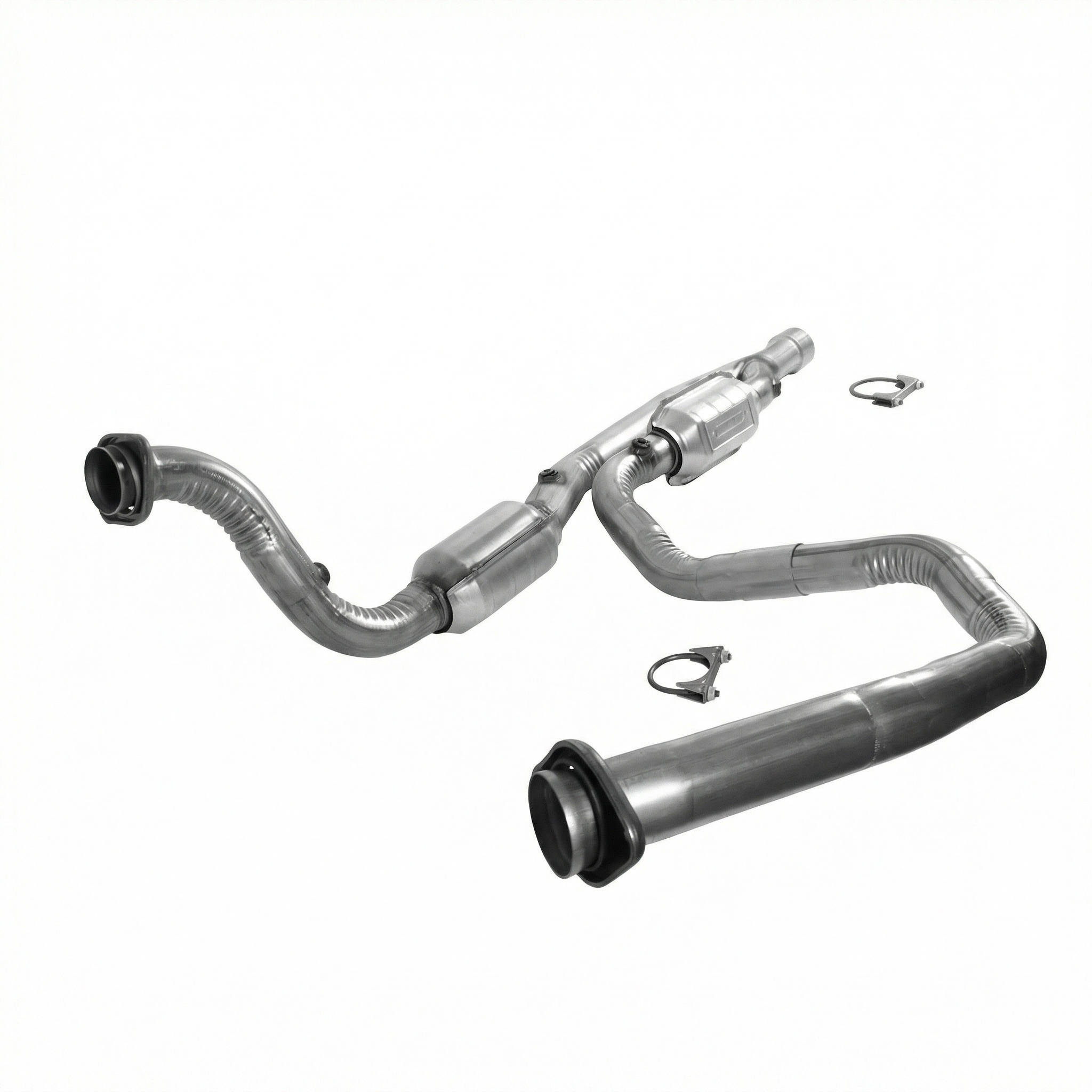
Used OEM Parts in Stock
New Aftermarket Parts Available



The information in this article is provided for general reference and educational purposes only. Vehicle specifications, procedures, and part compatibility can vary by production date, trim level, and region. Always consult your vehicle's factory service manual and verify part numbers before purchasing or performing repairs. Safety-critical components such as airbags, seat belts, and braking systems should be installed by a qualified professional.
- GMC Terrain:
- 🧭 Diagnostic Flowchart
- 🎬 Helpful Videos
- 🛍️ Shop This Part
- What's Unique About the 2010-2017 GMC Terrain
- Symptoms You May Notice
- Most Likely Causes
- Rare But Worth Checking
- Diagnosis Steps
- Parts You'll Likely Need
- Related Codes That Often Appear With This One
- Technical Service Bulletins (TSBs) & Recalls
- Platform-Specific Known Issues
- Mechanic-Grade Diagnostic Values
- Scan Tool Commands That Help
- Wiring & Ground Locations
- Real Owner Repair Stories
- OEM Part Supersession History
- Model Year Variations Within This Range
- Other Known Issues on This Vehicle
- Used vs. New Parts: Buying Guide for This Vehicle
- Real Owner Stories
- 2010 GMC Terrain 2.4L
- 2013 GMC Terrain 2.4L — ~60000 miles
- 2011 GMC Terrain 2.4L
- 2010 GMC Terrain 2.4L — ~100000 miles
- Related OBD-II Codes
- Frequently Asked Questions
- 🎟️ Get 5% Off