

P2097 on 2006 Saab 9-3 2.8L V6: Causes and Fixes for Post Catalyst Fuel Trim Too Rich
P2097 on a 2006 Saab 9-3 2.8L V6 indicates a rich fuel mixture on Bank 1, detected after the catalytic converter. The most common causes are a failing downstream (rear) oxygen sensor or an exhaust leak near the sensor. Expect to pay $60-$120 for a quality replacement sensor.
- P2097 means the downstream O2 sensor on Bank 1 (radiator side) is detecting a rich fuel mixture.
- The most likely fix is replacing the Bank 1 downstream O2 sensor.
- Before replacing parts, always check for exhaust leaks between the engine and the O2 sensor, as this is a common and often cheaper fix.
- Use a scan tool to check live data from the O2 sensor and monitor fuel trims to help confirm the diagnosis before spending money on parts.
- Be prepared for a difficult repair if replacing the sensor yourself, as access is tight on this vehicle.
What's Unique About the 2006-2006 Saab 9-3
The 2.8L V6 turbo engine (GM LP9 family) in your Saab 9-3 is mounted transversely. This means the two cylinder banks face the front (radiator) and rear (firewall) of the car. Bank 1 is definitively the bank of cylinders closer to the radiator (cylinders 2, 4, 6), while Bank 2 is against the firewall (cylinders 1, 3, 5). This code specifically points to an issue on the front, more accessible bank. While there are no unique design flaws causing P2097, the LP9 engine is known for high heat in the engine bay which can shorten the life of components like ignition coils and sensors. Accessing the downstream O2 sensor for Bank 1, while easier than Bank 2, can still be tight due to surrounding components.
Symptoms You May Notice
- Check Engine Light is on
- Decreased fuel economy
- Rough or erratic idle
- Hesitation or stumbling during acceleration
- A noticeable smell of gasoline from the exhaust.
- In some cases, black smoke from the tailpipe.
- Replacing the upstream (pre-catalyst) O2 sensor instead of the downstream (post-catalyst) one.
- Replacing the catalytic converter when the actual problem is a much cheaper O2 sensor or exhaust leak.
Most Likely Causes
- Failing Downstream Oxygen (O2) Sensor 🔴 High Probability → Shop Oxygen Sensor O2 sensors are wear items that degrade over time from heat and contaminants. The downstream sensor for this engine is a common failure point leading to this code, as it directly provides the reading that triggers the fault.
How to confirm: Use a scan tool to monitor the live voltage data from the Bank 1, Sensor 2 (downstream) O2 sensor. With the engine fully warmed up, the voltage should be relatively stable, typically between 0.5V and 0.8V. If the voltage is stuck high (e.g., above 0.8V), is unresponsive, or fluctuates wildly like the upstream sensor, it is likely faulty.
Typical fix: Replace the Bank 1 downstream oxygen sensor. This sensor is located on the front (radiator side) exhaust pipe, after the catalytic converter. An O2 sensor socket and sometimes a long-handled flex-head ratchet are needed for removal.
Est. part cost: $60 - $120 - Exhaust Leak 🟡 Medium Probability Exhaust components like gaskets and flex pipes can rust and fail over time, creating leaks. A leak before or near the downstream O2 sensor can draw in outside air, which paradoxically causes the sensor to report a rich condition, triggering the code.
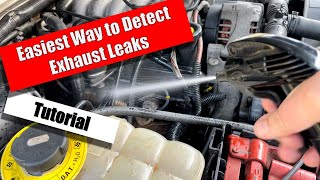
How to confirm: Perform a visual inspection of the exhaust system from the engine to the tailpipe, looking for black soot marks, cracks, or holes, particularly around gaskets and welds. A common method is to have a helper temporarily block the tailpipe with a rag while the engine is running; this will make any leaks more audible as a hissing or puffing sound. A more advanced method is to use an EVAP smoke machine to pressurize the exhaust and look for smoke.
Typical fix: Repair depends on the location. This may involve replacing a gasket (like the exhaust manifold or flange gasket) or welding a crack. For small leaks, high-temperature exhaust putty can be a temporary fix.
Est. part cost: $10 - $200 - Rich Running Condition ⚪ Low Probability Issues in the fuel or ignition system can cause the engine to genuinely run rich, which the downstream O2 sensor then correctly reports. Common culprits can include a leaking fuel injector, a faulty fuel pressure regulator, or a contaminated mass airflow (MAF) sensor.
How to confirm: Check for other trouble codes that may be present, such as for a leaking fuel injector (e.g., P0172) or a misfire (e.g., P0302, P0304, P0306). A scan tool can show long-term fuel trims; if they are significantly negative (e.g., -10% or more), the ECM is trying to compensate for a rich condition. A GM-specific TSB suggests that long term fuel trims should be within -13% to +13%.
Typical fix: Diagnose and fix the root cause of the rich condition. This could involve replacing a leaking fuel injector, a faulty fuel pressure sensor, or cleaning/replacing the MAF sensor.
Est. part cost: $50 - $400
Rare But Worth Checking
- Failing Catalytic Converter: → Shop Catalytic Converter While not common, a contaminated or internally damaged catalytic converter can fail to process exhaust gases correctly, leading the downstream sensor to report a rich condition. This is usually a last resort after other causes are ruled out.
- PCV System Issues: The 2.8L V6 is known for having a PCV system that can lead to oil deposit buildup, particularly on the rear cylinder bank (Bank 2). While this typically affects Bank 2, a severely malfunctioning PCV system can introduce unmetered air or oil vapor into the intake, potentially affecting overall fuel trim and contributing to codes like P2097 over time.
- ECM Software Anomaly: On some GM vehicles, a software glitch can cause P2097 to be set falsely. GM has issued TSBs for other models (like the Chevy Malibu and Volt) to reprogram the ECM to correct this. While no specific TSB for the Saab 9-3 is found, it remains a remote possibility if all hardware checks out.
Diagnosis Steps
- Read all fault codes with an OBD-II scanner. Note any other codes present, as they can provide important clues.
- Inspect the exhaust system for leaks. Carefully check the exhaust manifold on the front (radiator side) of the engine and the piping leading to and from the catalytic converter. Look for soot, listen for hissing, and feel for escaping air (use caution, as the exhaust is hot).
- Analyze O2 Sensor Live Data. Using a scan tool, observe the voltage for 'Bank 1, Sensor 2'. At operating temperature and a steady RPM, the voltage should be stable. If it's stuck high (above 0.8V) or switching rapidly like the upstream sensor, the sensor is likely bad.
- Check Fuel Trims. Look at the Short Term Fuel Trim (STFT) and Long Term Fuel Trim (LTFT) for Bank 1. If LTFT is highly negative (e.g., -10% or lower), it confirms the computer is trying to correct a rich condition, pointing towards a fuel system issue rather than just a bad sensor.
- Inspect for a Root Cause of Rich Condition. If fuel trims are very negative, investigate potential causes like leaking fuel injectors, a faulty fuel pressure regulator, or a dirty Mass Airflow (MAF) sensor.
- If all other causes are ruled out, the catalytic converter itself may be suspect, but this is the least likely cause.
Parts You'll Likely Need
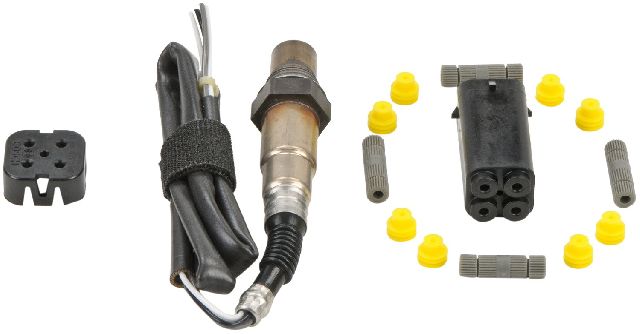
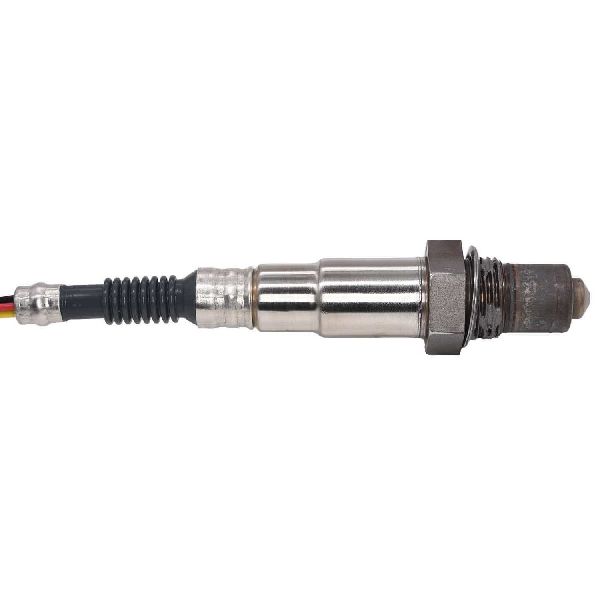
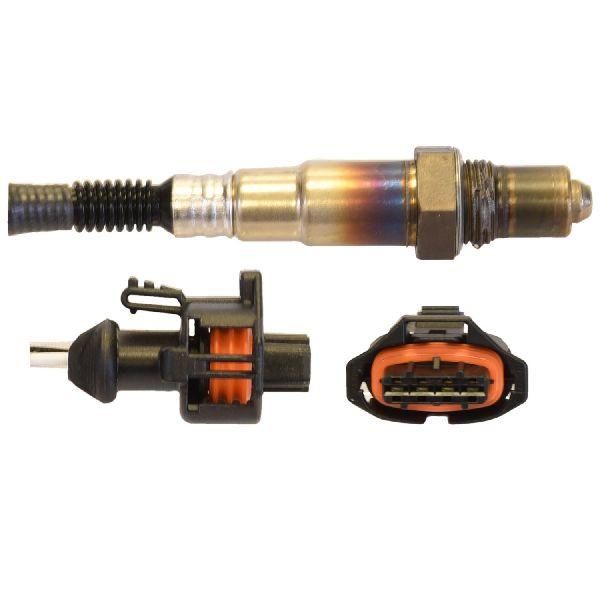
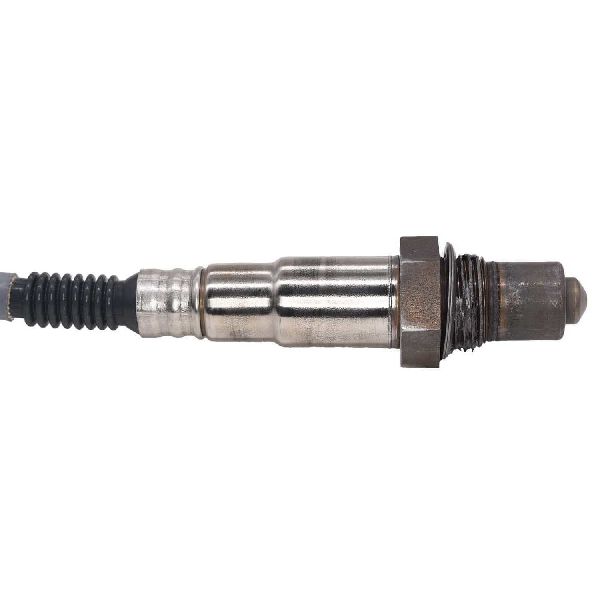
- Downstream Oxygen Sensor (Bank 1, Sensor 2)
(OEM #GM 12592592 (Bosch 17045 is a common equivalent))— This sensor is the most frequent cause of a P2097 code. It directly measures the condition that triggers the fault.
Trusted brands: Bosch, Denso, NGK/NTK
OEM price range: $100-$150
Aftermarket price range: $60-$120
Related Codes That Often Appear With This One
- P0172 — P0172 is 'System Too Rich (Bank 1)'. If you see both codes, it strongly suggests the engine is genuinely running rich due to an issue like a leaking fuel injector, not just a faulty downstream sensor.
- P0302, P0304, P0306 — These are misfire codes for the cylinders on Bank 1 (2, 4, and 6). A misfire can cause unburnt fuel to enter the exhaust, which can be interpreted as a rich condition 🎬 See how to diagnose a misfire on your Saab 9-3. by the O2 sensor.
Technical Service Bulletins (TSBs) & Recalls
- While no TSBs specifically for the Saab 9-3 2.8L and P2097 were found, several GM TSBs for other vehicles with P2097 exist (e.g., PIP5215A, 19-NA-017, PIP5534A). These TSBs point to causes like software anomalies needing an ECM reflash, vacuum leaks, skewed MAF sensors, or even specific customer driving habits (heavy stop-and-go or 'digital driving'). These provide valuable diagnostic paths if the common causes are ruled out.
Platform-Specific Known Issues
- Accessing the Bank 1 Downstream O2 Sensor: → Shop Oxygen Sensor While easier than the firewall-side Bank 2 sensor, the Bank 1 downstream sensor can still be in a tight spot. Owners report needing a proper O2 sensor socket and potentially a long, flexible ratchet to get enough leverage to break it loose. In some cases, cutting the wire of the old sensor allows for a standard wrench to be used for removal.
Mechanic-Grade Diagnostic Values
- Downstream O2 Sensor (Bank 1, Sensor 2) Voltage — expected: Relatively stable voltage between 0.5V and 0.8V at warm idle.. Failure: Voltage stuck high (above 0.8V), unresponsive, or fluctuating rapidly like an upstream sensor.
- O2 Sensor Heater Circuit Resistance — expected: Typically 5-7 Ω, but verify with manufacturer specs for the specific sensor.. Failure: A reading outside the specified range indicates a failed heater circuit within the sensor.
- Long Term Fuel Trim (Bank 1) — expected: Within +/- 10% at idle. GM documentation for similar engines suggests a range of -13% to +13% is acceptable.. Failure: A strong negative value (e.g., -10% or more) indicates the ECM is actively pulling fuel to compensate for a perceived rich condition.
Scan Tool Commands That Help
- Tech2 / GDS2 (GM Dealer Tool): O2 Sensor Heater Test — To actively command the heater circuit for the downstream O2 sensor on and off to verify its function and wiring integrity, which is more definitive than a passive resistance check.
- Tech2 / GDS2 (GM Dealer Tool): Fuel Injector Balance Test — If a true rich condition is suspected (indicated by negative fuel trims), this test can help identify a leaking or malfunctioning injector on Bank 1 by measuring pressure drops for each injector.
Wiring & Ground Locations
- G7 — On the engine control module's top right attachment lug.. This is a primary ground for the ECM. A poor connection here can cause erratic sensor readings and incorrect fuel trim calculations, potentially leading to a false P2097 code.
- G2 — On the side of the left-hand structure strut by the connector bracket, near the battery.. This is a main chassis ground point. While not directly for the O2 sensor, poor grounding here can introduce electrical noise into the system, affecting various sensor signals processed by the ECM.
- Extra V6 Ground Cable — On V6 engines, an extra ground cable runs between the cylinder banks.. Ensures proper grounding between the two banks of the engine. A corroded or loose connection here could potentially create a ground offset, affecting sensor readings on one bank.
Real Owner Repair Stories
- SaabCentral Forums (2006 Saab 9-3 Aero 2.8T V6) — Persistent P2097 code, slightly rough idle.
❌ Tried (didn't work) Replaced the Bank 1 downstream O2 sensor (Bosch), Cleaned the MAF sensor, Performed a smoke test which showed no leaks in the flex pipe or gaskets
✅ What actually fixed it After extensive searching, a hairline crack was discovered in the front exhaust manifold (Bank 1). The crack was nearly invisible when cold but would open up as the manifold heated, drawing in air and causing the downstream O2 sensor to read incorrectly. Replacing the exhaust manifold resolved the code permanently.
"I Checked Everything" — The Actual Cause
- In one documented case for this platform, a smoke test of the exhaust system showed no leaks, leading the owner to replace the O2 sensor without success. The actual cause was a hairline crack in the exhaust manifold that only opened up under thermal expansion when the engine was hot, a condition not replicated during a typical cold smoke test. The fix was replacing the manifold.
OEM Part Supersession History
GM 12592592→GM 12639692 (and others)— Part consolidation and minor design updates.
Heads up: The common aftermarket equivalent is Bosch 17045. While this is a direct fit, some owners on GM platforms report that the vehicle's ECU can be sensitive and sometimes only works correctly with the original equipment manufacturer sensor (Denso or NTK, which may be rebranded as ACDelco). Using off-brand or 'universal' sensors is highly discouraged as they often cause persistent issues.
Diagnostic Flowchart
Used vs. New Parts: Buying Guide for This Vehicle
When a used part is the smart pick: For this repair, using used parts is generally not recommended for sensors. However, a used exhaust manifold from a low-mileage, non-corroded donor car can be a cost-effective alternative to a new OEM part if the original is found to be cracked.
Donor-vehicle mileage cap: roughly under 80000 miles for the part to have meaningful remaining life.
What to inspect on the donor part:
- For an exhaust manifold, inspect thoroughly for any hairline cracks, especially around the collector and flange welds.
- Ensure all mounting studs are intact and not excessively rusted or stripped.
- Verify the donor car is from a region with minimal road salt to reduce the risk of corrosion and stress fractures.
OEM-only on this vehicle (don't cheap out):
- While not strictly 'OEM-only', sticking to the original equipment manufacturer for the O2 sensor (Bosch, Denso, or NTK) is critical. Avoid generic, unbranded 'white-box' sensors.
Aftermarket brands forum-validated for this vehicle:
- Bosch (often the OEM supplier)
- Denso
- NGK/NTK
Brands owners have reported issues with on this vehicle:
- Unbranded or generic 'universal' oxygen sensors sold on marketplaces like eBay or Amazon often have incorrect response characteristics and can fail prematurely or fail to resolve the code.
Real Owner Stories
Aggregated from forums and TSBs cited above. Mileages and costs reflect what owners reported in those sources.
2006 Saab 9-3 2.8L V6
Symptoms: Check Engine Light on with code P2097.
What fixed it: Replacing the downstream O2 sensor fixed the problem, but it was noted that using a quality brand like Bosch or NTK was essential. Some owners also had to fix exhaust leaks at the manifold or flex pipe.
Source hint: SaabCentral.com / SaabWorld.net
2006 Saab 9-3 2.8L V6
Symptoms: Check Engine Light was on.
What fixed it: The issue was resolved by replacing the Bank 1 downstream O2 sensor. The repair was difficult due to poor access, requiring a special O2 sensor socket and a long, flexible ratchet to get enough leverage on the old sensor.
Source hint: r/saab on Reddit and vehicle_specific_issues
Related OBD-II Codes
Frequently Asked Questions
Where is the Bank 1 downstream O2 sensor located on my 2006 Saab 9-3 2.8L V6?
What brand of O2 sensor should I use for this P2097 repair?
How can I confirm my downstream O2 sensor is actually bad before replacing it?
My fuel trims are highly negative (e.g., -12%). What does this mean for code P2097?
Could an exhaust leak cause the P2097 rich code on my Saab?
Are there any specific GM TSBs for the Saab 9-3 and code P2097?
Helpful Videos
We Have This Part in Stock

The information in this article is provided for general reference and educational purposes only. Vehicle specifications, procedures, and part compatibility can vary by production date, trim level, and region. Always consult your vehicle's factory service manual and verify part numbers before purchasing or performing repairs. Safety-critical components such as airbags, seat belts, and braking systems should be installed by a qualified professional.
- Saab 9-3:
- 🧭 Diagnostic Flowchart
- 🎬 Helpful Videos
- 🛍️ Shop This Part
- What's Unique About the 2006-2006 Saab 9-3
- Symptoms You May Notice
- Most Likely Causes
- Rare But Worth Checking
- Diagnosis Steps
- Parts You'll Likely Need
- Related Codes That Often Appear With This One
- Technical Service Bulletins (TSBs) & Recalls
- Platform-Specific Known Issues
- Mechanic-Grade Diagnostic Values
- Scan Tool Commands That Help
- Wiring & Ground Locations
- Real Owner Repair Stories
- "I Checked Everything" — The Actual Cause
- OEM Part Supersession History
- Used vs. New Parts: Buying Guide for This Vehicle
- Real Owner Stories
- 2006 Saab 9-3 2.8L V6
- 2006 Saab 9-3 2.8L V6
- Related OBD-II Codes
- Frequently Asked Questions
- 🎟️ Get 5% Off