

P2111 on 2004-2009 Toyota Prius: Throttle Body Stuck Open Causes and Fixes
On a 2004-2009 Prius, code P2111 is almost always caused by a faulty electronic throttle body. Cleaning it of carbon buildup may work, but replacement is often necessary. Expect to pay $350-$450 for an OEM part, with DIY difficulty rated at 2/5.
- P2111 on a 2004-2009 Prius will put your car into a very slow 'limp-home' mode for safety.
- The first and cheapest step is to try cleaning the carbon buildup from the throttle body.
- If cleaning doesn't provide a permanent fix, the entire throttle body assembly (OEM part # 22030-21020) will need to be replaced.
- This is a DIY-friendly repair for those with basic tools, typically taking about an hour.
- Do not confuse this issue with the cold-weather intake manifold problem on the 2010+ Prius.
What's Unique About the 2004-2009 Toyota Prius
The second-generation Prius (2004-2009) with the 1NZ-FXE engine is known for this issue being tied directly to the throttle body assembly itself, either from carbon buildup or internal electronic failure. It's important not to confuse this with the third-generation (2010+) Prius, which has a well-known TSB for a similar code caused by intake manifold icing in cold weather; that issue does not apply to this vehicle. For the 2004-2009 models, the problem is almost always located at the throttle body.
Symptoms You May Notice
- Check Engine Light is on
- Vehicle enters 'limp-home' mode with very limited power and acceleration
- Car may not accelerate past a few miles per hour
- Hybrid system may shut down or display a 'Check Hybrid System' warning
- Inability to start the engine (rare, but possible if the failure occurs at a critical time)
- Engine runs rough for a few seconds then shuts off
- After a restart, the car may drive normally for several miles before the fault reoccurs
- Replacing the accelerator pedal position (APP) sensor. The APP sensor is located on the gas pedal and is a different component. While it's part of the overall system, P2111 specifically points to a problem at the throttle body actuator.
- Assuming a P0A0F (Engine Failed to Start) code is a fuel pump issue. When P0A0F appears with P2111, the root cause is almost always the throttle body preventing the engine from starting correctly.
Most Likely Causes
- Failed Throttle Body Assembly 🔴 High Probability → Shop Fuel Injection Throttle Body The electronic motor or the integrated throttle position sensor (TPS) within the assembly are common failure points over time and mileage. The internal plastic gears can also wear out or break, and the internal electronics can fail intermittently, especially when hot. Wear of the internal potentiometer track can cause erratic voltage signals to the ECM.
How to confirm: After confirming the throttle plate is clean and moves freely by hand (with the vehicle off), and the wiring is secure, the throttle body itself is the most likely culprit. A diagnostic scan tool may show erratic TPS voltage readings. A multimeter can be used to check resistance between the motor terminals (pins M+ and M-); a reading far outside the spec (around 1-10 ohms is typical, but varies) indicates failure. Often, the failure is intermittent and only occurs after the engine bay heats up.
Typical fix: Replace the entire throttle body assembly. On this vehicle, the sensors and motor are integrated into one unit.
Est. part cost: $350-$620 - Dirty or Sticking Throttle Body 🟡 Medium Probability → Shop Fuel Injection Throttle Body Carbon and oil deposits from the PCV (Positive Crankcase Ventilation) system can build up in the throttle body bore, causing the metal throttle plate to stick and not close properly.
How to confirm: Remove the air intake hose from the throttle body. Visually inspect the throttle plate and bore for heavy black carbon buildup. Manually push the plate open (with the car off) to see if it moves smoothly or binds.
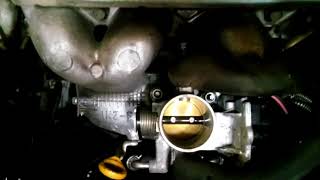
Typical fix: Thoroughly clean the throttle body bore and plate with a dedicated throttle body cleaner and a soft cloth or brush. Spray the cleaner onto the cloth, not directly into the unit 🎬 Watch: Step-by-step guide to cleaning your Prius throttle body, to avoid damaging sensors.
Est. part cost: $5-$15
Rare But Worth Checking
- Wiring Harness or Connector Issue: While rare, damage to the wires leading to the throttle body or corrosion in the electrical connector can interrupt the signal, mimicking a throttle body failure. This is more common on rebuilt/salvage vehicles that have had front-end damage. Always inspect the harness for chafing, breaks, or corrosion before replacing expensive parts.
- Faulty Engine Control Module (ECM): → Shop Engine Control Module (ECM) This is extremely rare. The ECM is the last component to suspect. Only consider this after a new throttle body fails to resolve the code and all wiring has been verified as perfect. In some cases, a failing ECM has been diagnosed alongside a throttle body failure.
Diagnosis Steps
- Read the trouble codes with an OBD-II scanner. Confirm P2111 is present. Note any other codes, like P0A0F or P3190.
- Disconnect the 12V battery.
- Remove the air intake tube connected to the throttle body.
- Visually inspect the throttle body bore and plate for carbon buildup. Check if the plate is physically stuck open.
- If dirty, clean the throttle body thoroughly using a dedicated throttle body cleaner and a soft cloth. Spray the cleaner on the cloth, not into the electronics. Manually operate the plate to ensure it moves smoothly after cleaning.
- Inspect the electrical connector at the throttle body for corrosion, bent pins, or loose connections. Check the wiring harness for any signs of damage or chafing, especially if the car has a salvage title or history of front-end damage.
- If cleaning does not resolve the issue, the throttle body assembly is almost certainly faulty. The intermittent nature of the failure is a key indicator; it may work when cold but fail when hot.
- Replace the throttle body assembly with a new or known-good part. Use a new gasket.
- Reconnect all hoses, the electrical connector, and the air intake.
- Reconnect the 12V battery, clear the codes, and start the vehicle to confirm the fix. No special relearn procedure is typically required for this generation Prius after throttle body replacement.
Parts You'll Likely Need
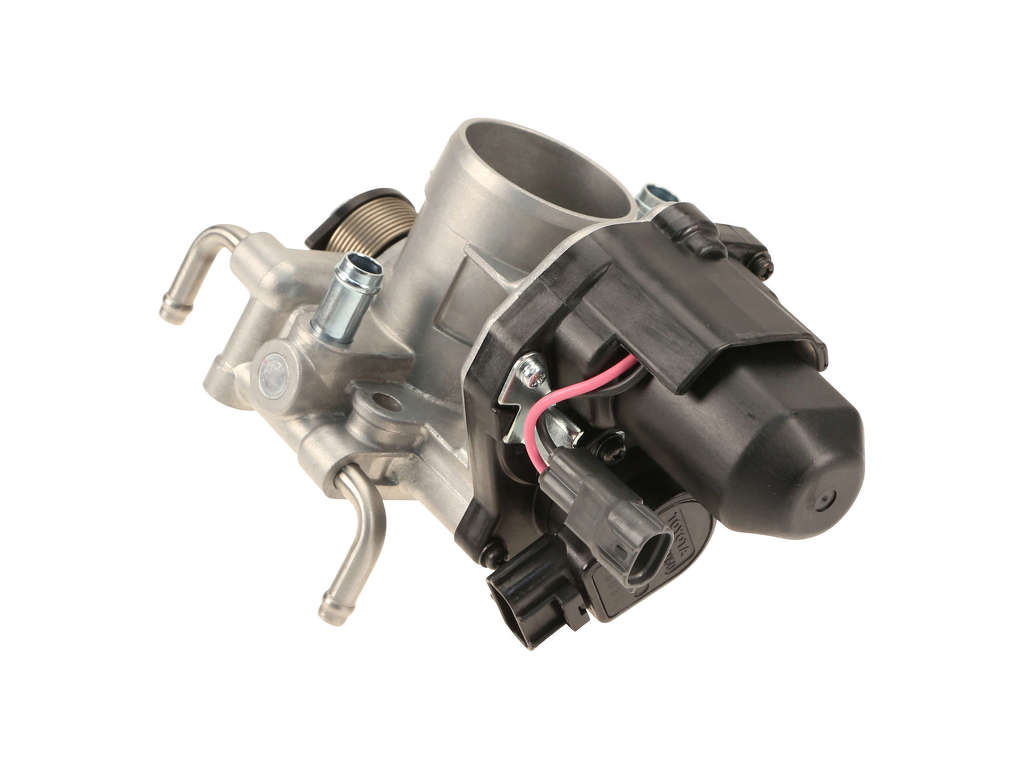
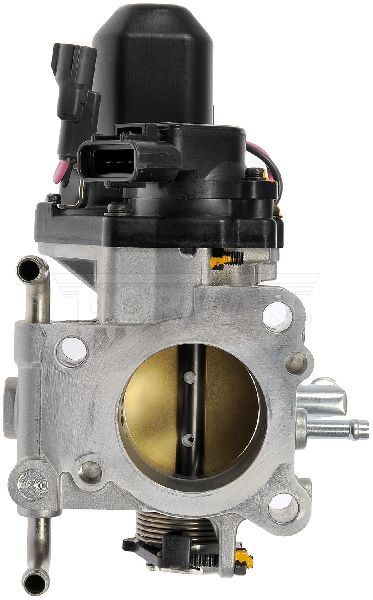
- Throttle Body Assembly (With Motor)
(OEM #22030-21020)— This is the most common cause of P2111 on this vehicle. The internal electronics or motor fail, requiring replacement of the entire integrated unit.
Trusted brands: Toyota (Genuine OEM), Aisin (TH-T007)
OEM price range: $415-$620
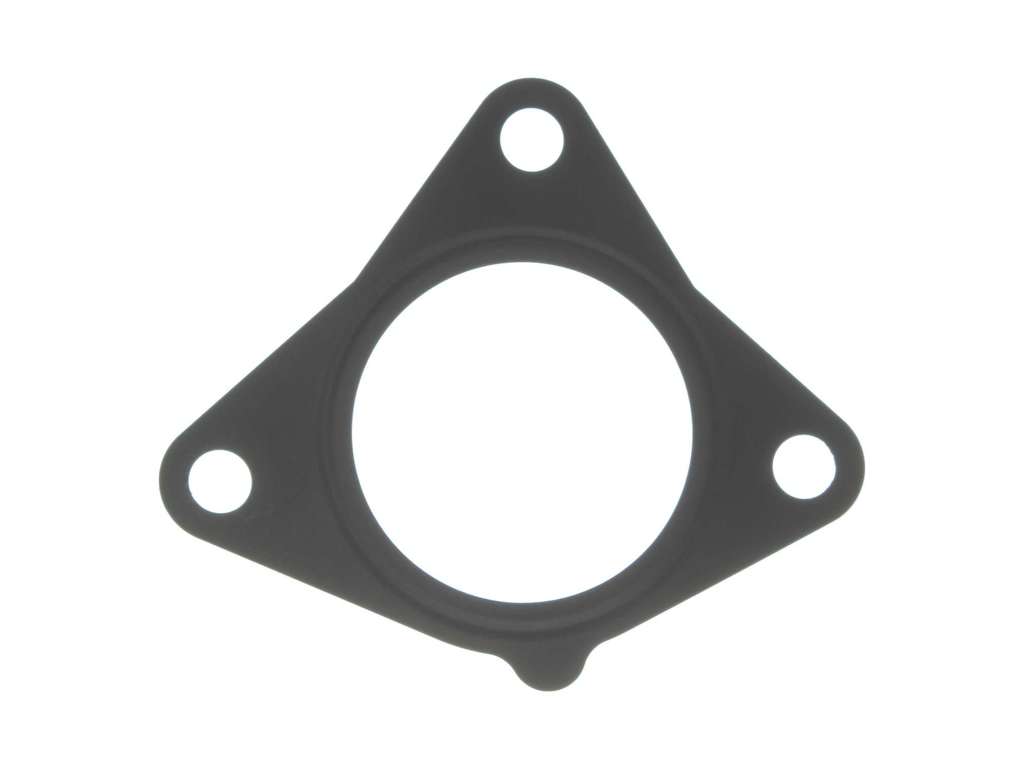
Aftermarket price range: $150-$300 - Throttle Body Gasket
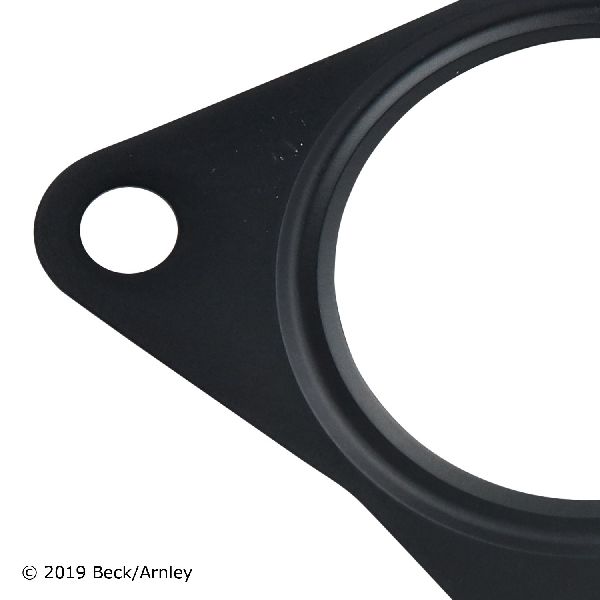
(OEM #22271-21030)— A new gasket should always be used when replacing the throttle body to prevent vacuum leaks.
Trusted brands: Fel-Pro, Mahle, Toyota (Genuine OEM)
OEM price range: $5-$10
Aftermarket price range: $3-$8
Related Codes That Often Appear With This One
- P2112 — This code for 'Throttle Actuator Control System - Stuck Closed' can sometimes appear with P2111 if the system is failing intermittently and getting stuck in both open and closed positions at different times.
- P0A0F — This code means 'Engine Failed to Start'. It can be triggered alongside P2111 because if the throttle plate is not in the correct position during the startup sequence, the hybrid system may prevent the gasoline engine from firing as a safety precaution.
- P3190 — This code for 'Poor Engine Power' is a direct consequence of the throttle system malfunction indicated by P2111. The ECM logs this when it detects the engine is not producing the expected power 🎬 See how one owner solved both P2111 and MAF sensor codes, which is happening because air intake is not being controlled correctly.
Platform-Specific Known Issues
- Real Owner Experience: Cleaning is Often Temporary: A user on PriusChat with a 2005 Prius experienced P2111 and limp mode. After cleaning the throttle body and even inspecting the internal gears, the problem would return after a few miles. The intermittent failure, where the car would run fine after a restart only to fail again, points to an internal electronic issue rather than just dirt. The final fix was a complete replacement of the throttle body assembly.
- Real Owner Experience: Replacement as the Definitive Fix: Another PriusChat member with a Gen 3 (demonstrating the same failure pattern) had recurring P2111 and P0A0F codes. Replacing the throttle body and sensor assembly completely resolved both codes, and the car ran without issue for another 110,000 miles, confirming that replacement is the long-term solution when cleaning fails.
Mechanic-Grade Diagnostic Values
- Throttle Position Sensor Resistance — expected: 1.2 to 3.5 kΩ at 25°C (77°F). Failure: A resistance reading outside of this range indicates a faulty sensor, requiring throttle body replacement.
Scan Tool Commands That Help
- Toyota Techstream: Active Test: Control the Throttle Opening Angle — This bidirectional test allows a technician to command the throttle plate to open and close while the engine is off. By observing live data for throttle position while commanding movement, you can confirm if the actuator motor is physically responding. If the plate doesn't move or the sensor reading doesn't match the commanded angle, it confirms a fault within the throttle body assembly.
Wiring & Ground Locations
- EA, EB, EC — In the engine compartment, specifically on the left side.. These are primary ground points for the engine control system. The Engine Control Module (ECM), which commands the throttle body, relies on these grounds. A corroded or loose ground at these locations can cause erratic voltage and unpredictable behavior in the throttle control system, potentially mimicking a throttle body failure.
- Throttle Body Connector — Directly on the throttle body assembly, accessible after removing the air intake hose.. The connector has pins for the throttle control motor (M+, M-) and the throttle position sensor (VTA, VTA2, VC, E2). Checking for 5V reference on the VC pin, good ground on the E2 pin, and observing the signal voltage on VTA/VTA2 during manual plate movement can diagnose wiring issues between the ECM and the throttle body.
Real Owner Repair Stories
- Car Talk forum user (2006 Pontiac Vibe (mechanically similar to Toyota Matrix with a Toyota engine)) — Intermittent high idle (2-3k RPM) or stalling at 500 RPM, with codes P2111 and P0505.
❌ Tried (didn't work) Replacing the throttle body (worked for a month, then symptoms returned), Replacing the throttle body a second time (again, worked for about a month)
✅ What actually fixed it The final fix was not posted, but the strong suggestion from other technicians was that the recurring, intermittent failure after part replacement pointed to a wiring or connector issue, not the throttle body itself. The mechanic was criticized for repeatedly replacing the part without diagnosing the underlying electrical fault.
OEM Part Supersession History
22030-21020→None. This part number appears to be consistent for the 2004-2009 Prius.— N/A
Heads up: This part is specific to the 2004-2009 Prius (and some other Toyota models of the era). It is not interchangeable with throttle bodies from other Prius generations.
Diagnostic Flowchart
Other Known Issues on This Vehicle
Issues unrelated to this code that are worth knowing about as an owner of this generation:
- Combination Meter (Speedometer) Failure 🟠 Medium — Very common, especially in colder climates. The display fails to illuminate intermittently or completely, and can prevent the car from turning off normally. (Ref: Toyota issued TSB T-SB-0172-09 and a warranty enhancement program (ZTV), but both are now expired. The cause is a failed capacitor on the circuit board.)
- Hybrid Battery (HV) Degradation/Failure 🔴 High — Common after 10 years or 150,000+ miles. Triggers the P0A80 'Replace Hybrid Battery Pack' code and a red triangle on the dash.
- Brake Actuator Assembly Failure 🔴 High — A known issue where the ABS/brake actuator fails, leading to a loss of braking assist, loud buzzing noises, and multiple warning lights. It is a very expensive repair. (Ref: Toyota issued a Warranty Enhancement Program (ZG1) which extended coverage, but it has since expired for most vehicles.)
- Excessive Oil Consumption 🟠 Medium — Many 1NZ-FXE engines begin to consume significant amounts of oil (up to 1qt per 600 miles is considered 'normal' by Toyota) after 100,000 miles due to piston ring design.
- Inverter Coolant Pump Failure 🔴 High — The electric pump that cools the hybrid inverter is a common failure point. Triggers code P0A93 and the 'Check Hybrid System' light. Failure to replace can lead to inverter damage. (Ref: A recall was issued for this component on some model years.)
Used vs. New Parts: Buying Guide for This Vehicle
When a used part is the smart pick: A used throttle body from a low-mileage, reputable salvage yard can be a cost-effective option, as this part is a simple bolt-on replacement with no programming required. Given the high cost of a new OEM part, a used unit for around $200 is a reasonable choice if money is tight.
Donor-vehicle mileage cap: roughly under 100000 miles for the part to have meaningful remaining life.
What to inspect on the donor part:
- Verify the donor vehicle is a 2004-2009 Prius to ensure compatibility.
- Inspect the throttle plate and bore for excessive carbon buildup or signs of physical damage.
- Check the electrical connector for any bent pins, corrosion, or cracks in the plastic housing.
- Ask for the donor vehicle's mileage if possible; lower is always better.
Aftermarket brands forum-validated for this vehicle:
- Aisin: Aisin is a Toyota group company and the original equipment manufacturer (OEM) for many Toyota parts, including the throttle body. An Aisin-branded part (model TH-T007) is considered equivalent to the genuine Toyota part and is a trusted alternative.
Brands owners have reported issues with on this vehicle:
- Unbranded or generic 'remanufactured' parts from online marketplaces like eBay may be risky. While they may work, quality control can be inconsistent, and they may be units that were simply cleaned rather than having worn electronic components replaced.
Real Owner Stories
Aggregated from forums and TSBs cited above. Mileages and costs reflect what owners reported in those sources.
2005 Toyota Prius 1.5L
Symptoms: Vehicle entered limp mode. After cleaning the throttle body and inspecting internal gears, the problem returned after a few miles. The failure was intermittent, where the car would run fine after a restart only to fail again.
What fixed it: Complete replacement of the throttle body assembly.
Source hint: PriusChat.com Thread 'P2111 code and fail safe mode' (https://priuschat.com/threads/p2111-code-and-fail-safe-mode.122133/)
2010 Toyota Prius 1.8L (Gen 3) — ~110000 miles
Symptoms: Recurring P2111 and P0A0F codes.
What fixed it: Replacing the throttle body and sensor assembly completely resolved both codes.
Source hint: Real Owner Experience: Replacement as the Definitive Fix (PriusChat member with a Gen 3)
2005 Toyota Prius 1.5L
Symptoms: Intermittent failure documented alongside a 'Check Hybrid System' warning and P0A0F code.
What fixed it: Replacement of the throttle body assembly.
Source hint: PriusChat.com Thread 'Check Hybrid System, P0A0F / P2111' (https://priuschat.com/threads/check-hybrid-system-p0a0f-p2111.237307/)
Related OBD-II Codes
Frequently Asked Questions
Can I just clean the throttle body on my 2005 Prius to fix the P2111 code?
Is there a special relearn procedure required after I replace the throttle body on my Gen 2 Prius?
Why does my Prius enter 'limp-home' mode and refuse to accelerate past a few miles per hour?
My Prius has P2111 and won't start; is this related to the throttle body?
Does the P2111 code on my 2004-2009 Prius mean I need a new hybrid battery?
Are there any active recalls for the throttle body on the 2004-2009 Prius?
Helpful Videos

We Have This Part in Stock


The information in this article is provided for general reference and educational purposes only. Vehicle specifications, procedures, and part compatibility can vary by production date, trim level, and region. Always consult your vehicle's factory service manual and verify part numbers before purchasing or performing repairs. Safety-critical components such as airbags, seat belts, and braking systems should be installed by a qualified professional.
- Toyota Prius:
- 🧭 Diagnostic Flowchart
- 🎬 Helpful Videos
- 🛍️ Shop This Part
- What's Unique About the 2004-2009 Toyota Prius
- Symptoms You May Notice
- Most Likely Causes
- Rare But Worth Checking
- Diagnosis Steps
- Parts You'll Likely Need
- Related Codes That Often Appear With This One
- Platform-Specific Known Issues
- Mechanic-Grade Diagnostic Values
- Scan Tool Commands That Help
- Wiring & Ground Locations
- Real Owner Repair Stories
- OEM Part Supersession History
- Other Known Issues on This Vehicle
- Used vs. New Parts: Buying Guide for This Vehicle
- Real Owner Stories
- 2005 Toyota Prius 1.5L
- 2010 Toyota Prius 1.8L (Gen 3) — ~110000 miles
- 2005 Toyota Prius 1.5L
- Related OBD-II Codes
- Frequently Asked Questions
- 🎟️ Get 5% Off