

P2404 on 2007-2011 Toyota Tundra 4.0L V6: EVAP Pump Circuit Causes and Fixes
This code points to an electrical issue with the EVAP system's leak detection pump, not a gas cap leak. The most likely cause on this Tundra is a failed leak detection pump assembly located near the charcoal canister. Expect to pay $150-$300 for the part. Before replacing, thoroughly inspect the under-vehicle wiring for corrosion or damage.
- P2404 is an electrical fault with the EVAP leak detection pump circuit, not a gas cap or hose leak.
- The most likely fix is replacing the leak detection pump, which is located under the truck near the spare tire.
- Before replacing parts, inspect the wiring and connector for corrosion or damage, as this is a common issue for under-vehicle components.
- If you find evidence of water in the charcoal canister assembly (especially with other EVAP codes), the entire unit may need to be replaced per TSB T-SB-0178-11.
What's Unique About the 2007-2011 Toyota Tundra
On the second-generation Tundra, the EVAP system components, including the leak detection pump and charcoal canister, are located under the truck bed, exposing them to road debris and moisture. Some owners have reported issues with water intrusion into the EVAP canister assembly on early second-generation models, which can lead to a variety of EVAP codes, including P2404. Toyota issued TSB T-SB-0178-11 for 2007-2011 Tundras which specifically addresses water intrusion causing a cluster of EVAP codes (P043E, P043F, P2401, P2402, and P2419), confirming this is a known vulnerability. While P2404 is not explicitly listed, the root cause of water damage is highly relevant.
Symptoms You May Notice
- Check Engine Light is on
- Inability to pass an emissions test
- Cruise control may be disabled as a fail-safe
- Replacing the gas cap. P2404 is an electrical circuit code, not a code for a small or large EVAP leak (like P0456 or P0455). While a bad gas cap can cause other EVAP codes, it will not cause P2404.
- Performing a smoke test. A smoke test is used to find physical leaks in hoses, but it will not identify an electrical circuit fault.
Most Likely Causes
- Failed EVAP Leak Detection Pump 🔴 High Probability → Shop Vapor Canister The pump is a small electro-mechanical device that runs frequently and is exposed to the elements under the vehicle, leading to eventual wear and failure of its internal motor or sensor. It is often integrated into the canister pump module.
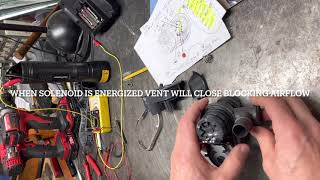
How to confirm: Using a capable scan tool, command the leak detection pump to activate. Listen for pump operation. Check the data stream for the pump's sense circuit voltage to see if it responds correctly. If the pump does not run or the sense voltage is out of spec, the pump is likely faulty. The pump is located on the charcoal canister assembly, above and forward of the rear axle.
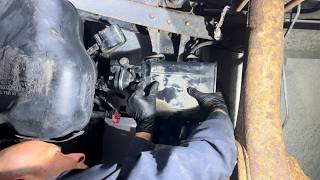
Typical fix: Replace the leak detection pump assembly. It is typically mounted on the charcoal canister. The OEM part number has been superseded from 90910-AF005 to 90910-AF006. 🎬 See how to replace the leak detection pump
Est. part cost: $150 - $300 - Damaged Wiring or Connector 🟡 Medium Probability The wiring harness for the pump is routed underneath the truck, making it susceptible to corrosion from road salt and moisture, or physical damage from road debris or animals. This is a common failure point for many under-vehicle components.
How to confirm: Visually inspect the wiring harness and connector going to the leak detection pump for any signs of corrosion (green crust), chafing, or breaks. Perform a continuity test on the sense circuit wire between the pump connector and the ECM.
Typical fix: Repair the damaged section of wiring or replace the connector pigtail. Apply dielectric grease to the connector to prevent future corrosion.
Est. part cost: $10 - $50 - Water Intrusion into Charcoal Canister Assembly ⚪ Low Probability → Shop Vapor Canister TSB T-SB-0178-11 confirms that on 2007-2011 Tundras, water can enter the system via the fresh air inlet and saturate the charcoal canister, which houses the leak detection pump. This can short out the pump or its integrated components. Owners on forums confirm this issue, with some attempting to dry out the canister as a temporary fix.
How to confirm: Remove the canister assembly and check for signs of water (sloshing sound) or excessive weight. Disconnect the vent hose to check for moisture. If water is present, the entire assembly is likely compromised.
Typical fix: Per TSB T-SB-0178-11, the official fix is to replace the entire charcoal canister assembly, 🎬 Watch: How to remove and install the charcoal canister the canister filter, and install a revised fuel tank filler pipe to prevent re-entry.
Est. part cost: $400 - $700
Rare But Worth Checking
- Failed Engine Control Module (ECM): → Shop Engine Control Module (ECM) This is very rare. The ECM should only be considered after all other possibilities, including the pump and wiring, have been exhaustively tested and ruled out.
Diagnosis Steps
- Retrieve the DTC and freeze frame data using an OBD-II scanner.
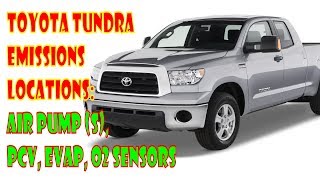
- Visually inspect the leak detection pump, its connector, and the surrounding wiring harness located near the charcoal canister under the rear of the truck, just forward of the rear axle. 🎬 Watch: Locate your Tundra's EVAP and emissions components Look for green corrosion, chewed wires, or physical damage.
- If the wiring looks good, use a scan tool with bidirectional controls to command the leak detection pump ON and OFF.
- While commanding the pump, listen for an audible click or hum from the pump to verify it is activating.
- Monitor the pump sense circuit voltage on the scan tool's live data. Check a service manual for the specific expected voltage range for your Tundra, but you should see a clear change in voltage when the pump is commanded on.
- If the pump does not activate or the sense voltage is stuck high (hence P2404), verify that the pump is receiving power and has a good ground at its connector using a multimeter.
- If power and ground are present but the pump doesn't work or the sense signal is incorrect, the leak detection pump assembly is faulty and should be replaced.
- If power or ground is missing, trace the wiring back to the fuse/relay and the ECM to find the break in the circuit.
- If multiple EVAP codes are present (P043E, P043F, P2401, P2402, P2419), strongly suspect water intrusion. Remove the charcoal canister and check for moisture before replacing any parts.
Parts You'll Likely Need
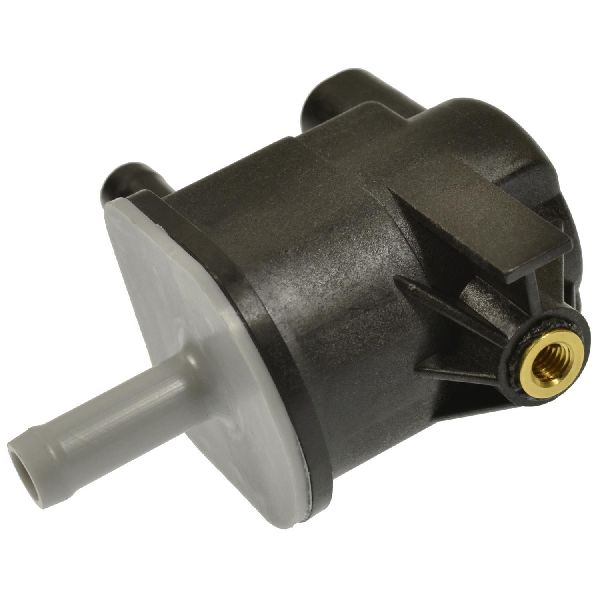
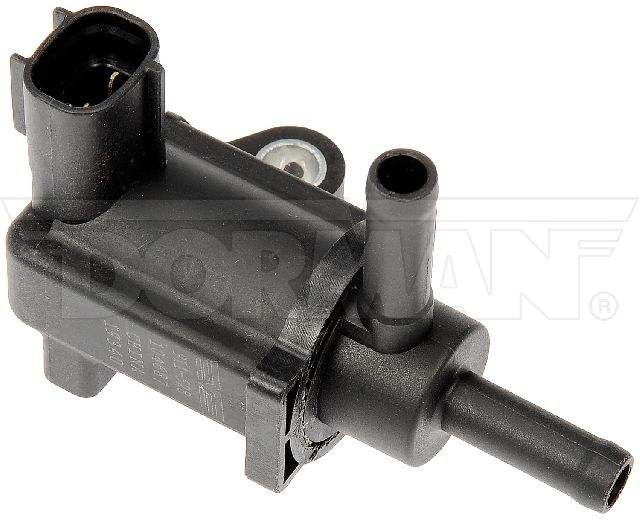
- EVAP System Leak Detection Pump
(OEM #90910-AF006)— This is the most common failure point for this code. The internal motor or sensor fails, causing the incorrect feedback signal. The original part number 90910-AF005 was superseded by this one.
Trusted brands: Toyota (Genuine), Standard Motor Products (LDP67), Dorman (310-007), Wells (4B1707)
OEM price range: $200-$300
Aftermarket price range: $120-$220 - Charcoal Canister Assembly
(OEM #77740-0C031)— Required if the cause is water intrusion, as the canister becomes saturated and damaged. The leak detection pump is typically part of this assembly.
Trusted brands: Toyota (Genuine)
OEM price range: $400-$700
Aftermarket price range: $350-$500
Related Codes That Often Appear With This One
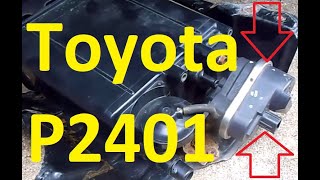
- P2401 — This code indicates a low circuit input for the pump's control circuit. If seen with P2404, it strongly suggests a wiring harness issue or a failed pump assembly.
- P2419 — This code relates to the EVAP switching valve. A forum post mentions a TSB for early 2nd gen Tundras that groups multiple EVAP codes, suggesting a common cause like water intrusion in the canister assembly.
- P043E, P043F, P2402 — These codes are also related to the EVAP system and are listed together with P2401 and P2419 in TSB T-SB-0178-11 regarding water intrusion into the charcoal canister. Seeing this cluster of codes makes water damage the primary suspect.
Technical Service Bulletins (TSBs) & Recalls
- T-SB-0178-11: Titled 'MIL ON P043E, P043F, P2401, P2402 & P2419 Due to Water Intrusion into Charcoal Canister'. Affects 2007-2011 Tundras. While it doesn't list P2404, it describes the exact water intrusion failure mechanism that can cause it.
Platform-Specific Known Issues
- There are owner reports and a mention of a potential Technical Service Bulletin (TSB) for early second-generation Tundras concerning water intrusion into the charcoal canister assembly, which houses the leak detection pump. This can cause various EVAP codes, including P2404.
- TSB T-SB-0178-11 specifically addresses 2007-2011 Tundras exhibiting a group of five EVAP codes (P043E, P043F, P2401, P2402, P2419) due to water entering the charcoal canister. The fix involves replacing the canister, filter, and fuel filler pipe.
- A user on TundraTalk.net with multiple EVAP codes (including P2401, P2402, P2419) successfully fixed the issue by removing the canister, finding a small crack, sealing it, and drying the canister out with compressed air. This indicates that DIY repair is possible if the canister itself is not internally compromised.
Mechanic-Grade Diagnostic Values
- Leak Detection Pump Motor Voltage at ECM — expected: 9 to 14 V (Pump Commanded ON); 0 to 3 V (Pump Commanded OFF). Failure: Voltage is incorrect in either state, indicating a wiring issue or a failed ECM driver.
- Leak Detection Pump Ground Circuit Resistance — expected: Near 0 Ohms to chassis ground. Failure: Resistance greater than 1 Ohm indicates a poor ground connection, which is a common cause of electrical faults.
Hidden / Shadow Codes Worth Checking
- Mode 6, EVAP Monitor: Mode 6 data displays the results of the most recent EVAP system self-test. A test result that is close to the maximum or minimum limit, even if it hasn't failed yet, can indicate a component that is about to fail. This can be used to spot an intermittent issue with the pump sense circuit before it sets a hard code and illuminates the Check Engine Light. (see via A professional scan tool capable of displaying Mode $06 data.)
Scan Tool Commands That Help
- Toyota Techstream: Utility -> Evaporative System Check (Automatic Mode) — This command forces the vehicle's onboard EVAP monitor to run. It is essential for verifying a repair after replacing the pump or fixing wiring, as it simulates the conditions needed to confirm the fault is gone without waiting several drive cycles.
Wiring & Ground Locations
- Canister Pump Module Connector — On the charcoal canister assembly, located under the truck bed, just above and forward of the rear axle.. This is the primary connection point for testing power, ground, and signal wires directly at the component.
- ECM Connectors D8, D9 (or E4, E5, E6, E8 depending on manual) — In the engine compartment, on the right side (passenger side).. This is where the signal from the pump's sense circuit terminates. Testing for voltage and continuity here confirms the integrity of the wiring harness between the pump and the ECM. The specific pins for the pump motor (MPMP) and pressure sensor (PPMP) are located here.
- Ground Point R1 — On a Double Cab, this ground point is located at the right rear of the vehicle.. This is a likely chassis ground point for the EVAP system components located at the rear of the truck. A corroded or loose connection here would cause a variety of electrical faults, including P2404.
Real Owner Repair Stories
- TundraTalk.net user 'Mr. Seven' (2nd Generation Toyota Tundra (year not specified)) — Multiple EVAP codes: P043E, P043F, P2401, P2402 & P2419.
❌ Tried (didn't work) The user skipped straight to attempting a repair instead of immediate replacement due to the high cost of a new canister assembly ($650).
✅ What actually fixed it Removed the charcoal canister and pressure tested it with soapy water, which revealed a small crack in the plastic housing. The crack was sealed with plastic weld/epoxy. The canister was then thoroughly dried using compressed air over an extended period to remove all internal moisture. The repaired canister was reinstalled, clearing all codes successfully for over 3,000 miles.
"I Checked Everything" — The Actual Cause
- Because P2404 is an electrical circuit performance code, a smoke test is not the correct diagnostic procedure and will show no faults. The actual cause is an electrical failure, which on this Tundra is often precipitated by a physical failure (water intrusion) that a smoke test also wouldn't find. A technician who performs a smoke test, finds nothing, and gives up has missed the true nature of the code. The next step should always be electrical testing of the pump and wiring, or physical inspection of the canister for water damage.
OEM Part Supersession History
90910-14005, 90910-14008, 90910-AF003, 90910-AF004, 90910-AF005→90910-AF006— Likely design improvements to the internal motor or sensor to increase durability and prevent premature failure.
Heads up: No incompatibility is noted. The latest part number, 90910-AF006, is the correct and direct replacement for all previous versions.
Model Year Variations Within This Range
- 2007-2011: The charcoal canister assembly, which houses the leak detection pump, is not a one-size-fits-all part. Toyota used different canisters based on the truck's fuel tank size (e.g., standard 26.4-gallon vs. optional larger tanks). Ordering a replacement canister assembly requires visually verifying the part number on the original unit to ensure compatibility, as ordering the wrong one can lead to fitment issues and persistent codes.
Diagnostic Flowchart
Other Known Issues on This Vehicle
Issues unrelated to this code that are worth knowing about as an owner of this generation:
- Frame Rust/Corrosion 🔴 High — Common on 2007-2008 models, especially those operated in cold climates with road salt. Can lead to perforation of the rear crossmember. (Ref: Warranty Enhancement Program ZH7 was issued, extending warranty coverage to 12 years from the date of first use for frame replacement if specific rust criteria were met.)
- Secondary Air Injection System Failure 🟠 Medium — Pumps and/or switching valves can fail, often due to moisture intrusion, causing codes like P2440, P2442, and P2443 and forcing the vehicle into limp mode. (Ref: Multiple TSBs exist for various Toyota models/years (e.g., T-SB-0350-09, T-SB-0144-14) for this issue, often involving updated parts or ECM logic.)
- Head Gasket Failure (Early 1GR-FE) 🟡 Low — Primarily affected 2005-2006 model year 1GR-FE engines in Tacomas and 4Runners. By the 2007 Tundra, the issue was largely resolved with a redesigned gasket, but it remains a known, albeit rare, potential failure on high-mileage engines.
Used vs. New Parts: Buying Guide for This Vehicle
When a used part is the smart pick: A used part is a high-risk, low-reward choice for this repair. While a standalone leak detection pump from a donor vehicle could be tested and used, the entire charcoal canister assembly is a gamble. Given the known issue of water intrusion and internal cracks, a used assembly could have the same latent problems as the part you are replacing.
Donor-vehicle mileage cap: roughly under 40000 miles for the part to have meaningful remaining life.
What to inspect on the donor part:
- Shake the canister vigorously; there should be absolutely no sound of sloshing water or loose charcoal.
- The unit should feel light for its size. If it feels unusually heavy, it is likely saturated with water or fuel.
- Visually inspect the entire plastic housing for hairline cracks, especially along the seams where the parts are molded together.
- Check the electrical connector pins for any signs of green or white corrosion.
- If possible, ask the seller if the donor vehicle was from a 'salt belt' region, as these vehicles have much higher rates of undercarriage corrosion and component failure.
OEM-only on this vehicle (don't cheap out):
- Charcoal Canister Assembly. Due to the TSB regarding water intrusion, the OEM replacement part may have design updates not present in aftermarket versions. The risk of getting an aftermarket canister that doesn't fit correctly (due to tank size variations) or fails prematurely is high.
Aftermarket brands forum-validated for this vehicle:
- Standard Motor Products (SMP)
- Dorman
- Wells
Brands owners have reported issues with on this vehicle:
- No specific brands were consistently reported as problematic in owner forums for this part.
Real Owner Stories
Aggregated from forums and TSBs cited above. Mileages and costs reflect what owners reported in those sources.
2011 Toyota Tundra
Symptoms: The dealer found water inside the charcoal canister assembly.
What fixed it: Replacement of the charcoal canister assembly.
Cost: $1,000-$1,000
Source hint: TundraTalk.net Thread 'Water in charcoal canister' - user 'Mailman'
2007-2011 Toyota Tundra
Symptoms: Multiple EVAP codes including P2401, P2402, and P2419; found a small crack in the canister.
What fixed it: Removed the canister, pressure tested it with soapy water, sealed a crack, and dried it out with compressed air.
Source hint: TundraTalk.net Thread 'EVAP canister cheap fix' - user 'IROC'
Related OBD-II Codes
Frequently Asked Questions
Does TSB T-SB-0178-11 apply to my 2007-2011 Toyota Tundra if I have code P2404?
Where is the leak detection pump located on my Tundra?
Has the part number for the Tundra leak detection pump changed?
Can I repair the charcoal canister instead of spending $400-$700 on a new one?
Why did my cruise control stop working at the same time the P2404 code appeared?
What other vehicles share this same EVAP system and 1GR-FE engine?
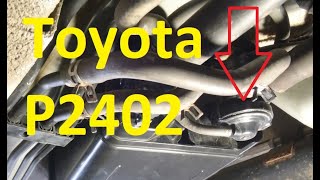
Helpful Videos
Used OEM Parts in Stock
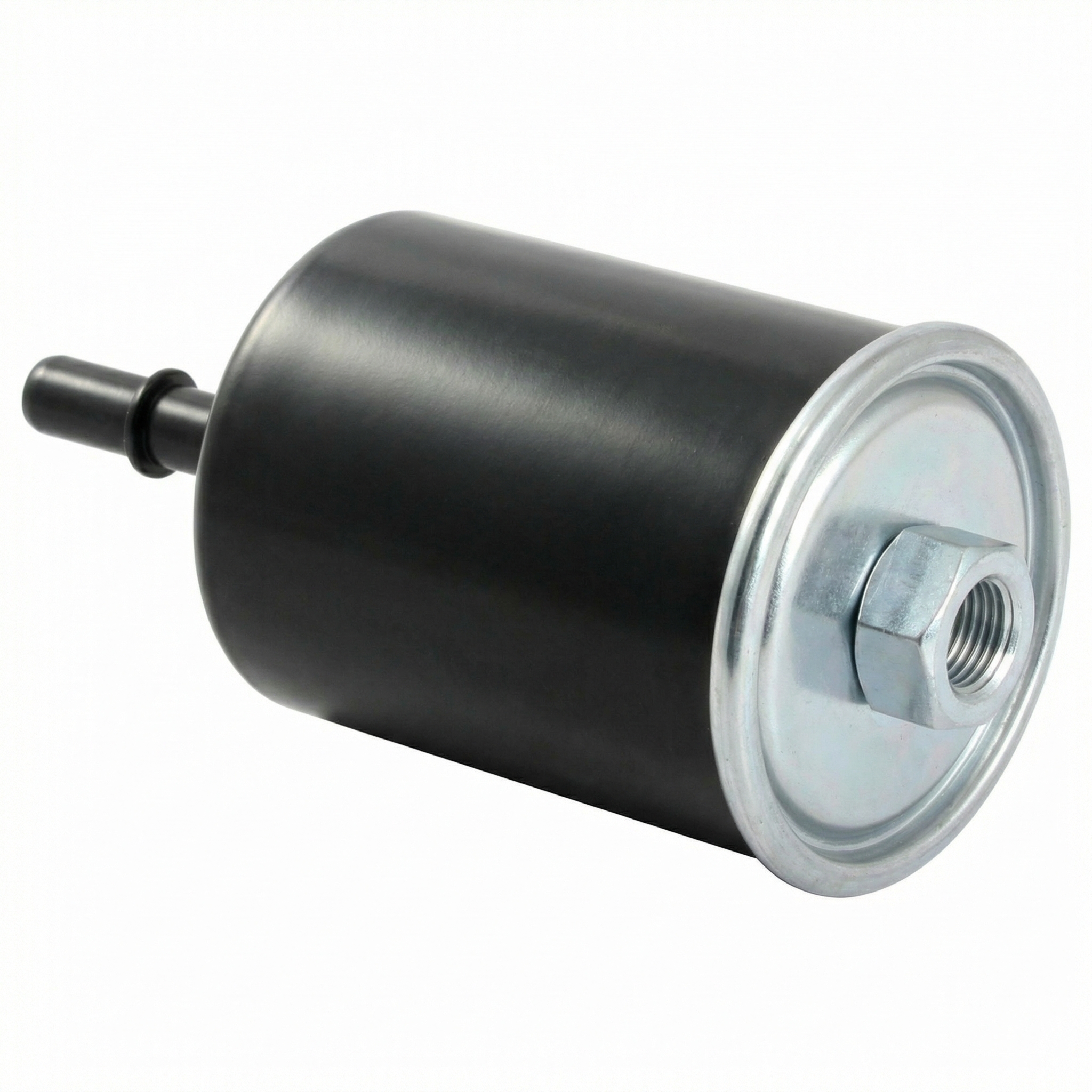

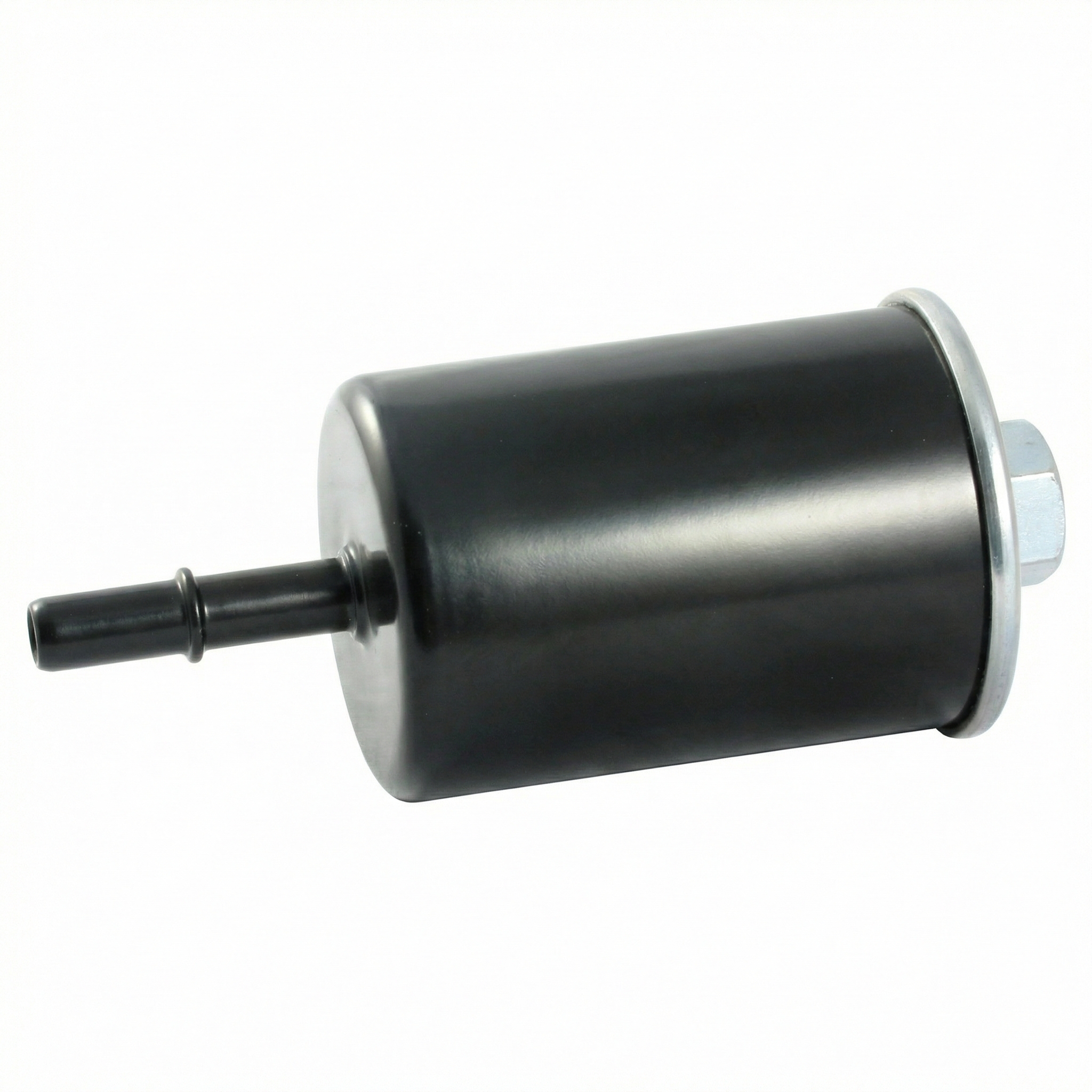
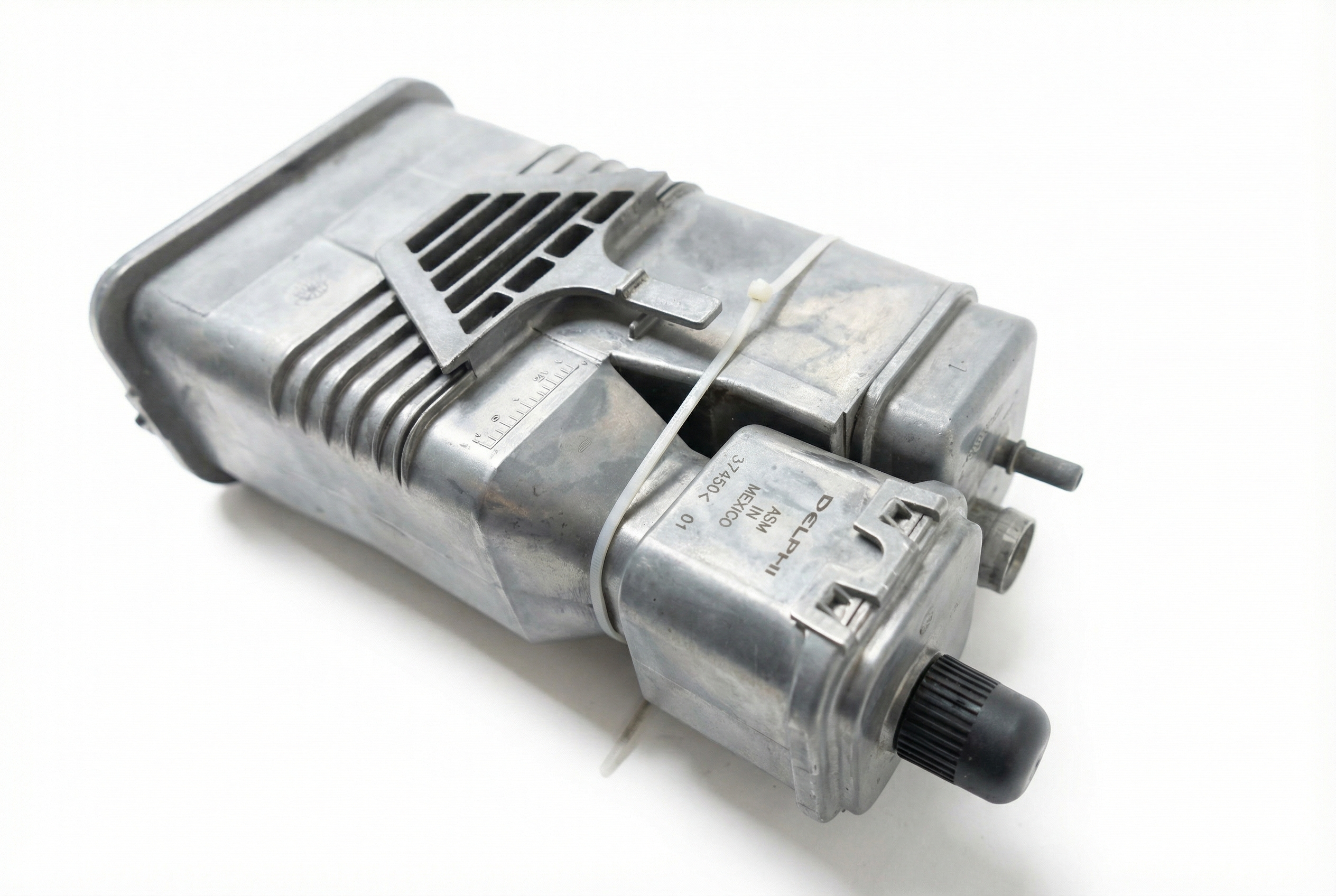
New Aftermarket Parts Available


The information in this article is provided for general reference and educational purposes only. Vehicle specifications, procedures, and part compatibility can vary by production date, trim level, and region. Always consult your vehicle's factory service manual and verify part numbers before purchasing or performing repairs. Safety-critical components such as airbags, seat belts, and braking systems should be installed by a qualified professional.
- Toyota Tundra:
- 🧭 Diagnostic Flowchart
- 🎬 Helpful Videos
- 🛍️ Shop This Part
- What's Unique About the 2007-2011 Toyota Tundra
- Symptoms You May Notice
- Most Likely Causes
- Rare But Worth Checking
- Diagnosis Steps
- Parts You'll Likely Need
- Related Codes That Often Appear With This One
- Technical Service Bulletins (TSBs) & Recalls
- Platform-Specific Known Issues
- Mechanic-Grade Diagnostic Values
- Hidden / Shadow Codes Worth Checking
- Scan Tool Commands That Help
- Wiring & Ground Locations
- Real Owner Repair Stories
- "I Checked Everything" — The Actual Cause
- OEM Part Supersession History
- Model Year Variations Within This Range
- Other Known Issues on This Vehicle
- Used vs. New Parts: Buying Guide for This Vehicle
- Real Owner Stories
- 2011 Toyota Tundra
- 2007-2011 Toyota Tundra
- Related OBD-II Codes
- Frequently Asked Questions
- 🎟️ Get 5% Off