

P2507 on 2011-2014 Ford Mustang 3.7L V6: ECM/PCM Low Voltage Causes and Fixes
On a 2011-2014 Mustang 3.7L, code P2507 almost always means the battery is weak or failing, causing low voltage to the engine computer. Before replacing parts, fully charge and load test the battery and clean all battery and ground connections. A new battery is the most common fix and costs roughly $150-$250.
- P2507 on your Mustang almost always points to a battery or charging system issue, not a bad computer.
- A battery load test is non-negotiable; a simple voltage check is not enough for these sensitive vehicles.
- Always check the main battery and chassis ground connections for tightness and corrosion.
- If you replace the battery, you MUST perform the Battery Monitoring System (BMS) reset procedure.
What's Unique About the 2011-2014 Ford Mustang
The S197 generation Mustang, particularly from 2011 onwards with the 3.7L Cyclone V6, incorporates more complex electronics that are highly sensitive to stable voltage. Unlike older vehicles that might tolerate a weak battery for a time, these Mustangs can throw a P2507 code at the first sign of battery degradation. The issue is rarely the computer itself; rather, it's the power feeding it. Owners often find that a battery that seems 'good enough' to start the car is still too weak to keep the PCM's voltage stable, making a load test of the battery a critical first step. These vehicles also feature a Battery Monitoring System (BMS) which, if not reset after a battery replacement, can lead to improper charging and a premature return of the P2507 code.
Symptoms You May Notice
- Check Engine Light is on
- Engine may stall unexpectedly, either while driving or at idle
- Vehicle may not start or may have a no-crank condition
- Reduced engine power or hesitation
- Erratic behavior of electronic accessories (e.g., dimming lights)
- Other warning lights on the dashboard (ABS, Traction Control) due to low voltage
- "Charging System Service Now" message on the instrument cluster
- Replacing the Powertrain Control Module (PCM). The PCM is rarely the cause of this code. It is simply reporting the low voltage it is receiving. Always exhaust all other possibilities related to the battery, alternator, and wiring before considering PCM replacement. A PCM failure is more likely to be associated with ignition coil driver codes (P0351-P0356).
Most Likely Causes
- Weak or Failing Battery 🔴 High Probability → Shop Vehicle Battery The complex electronics in this Mustang generation are very sensitive to voltage fluctuations. An aging battery may provide enough power to crank the engine but can still drop below the PCM's required voltage threshold, triggering the code. Short trips may not be enough to fully recharge the battery, leading to a gradual decline in its state of charge.
How to confirm: A healthy battery should read ~12.6V with the engine off. Use a multimeter to check the voltage. More importantly, perform a load test using a dedicated battery tester, as a simple voltage check can be misleading. Many auto parts stores offer this service for free. Even if a battery passes a load test, if it's over 4-5 years old, it remains the primary suspect.
Typical fix: Replace the battery. The correct group size is 96R or an equivalent H6 AGM. After replacement, it is critical to perform a Battery Monitoring System (BMS) reset. This can be done with a capable scan tool (like Ford's IDS) or via a specific sequence of flashing the high beams and pressing the brake pedal. Failure to reset the BMS can cause the new battery to be undercharged or overcharged, shortening its life.
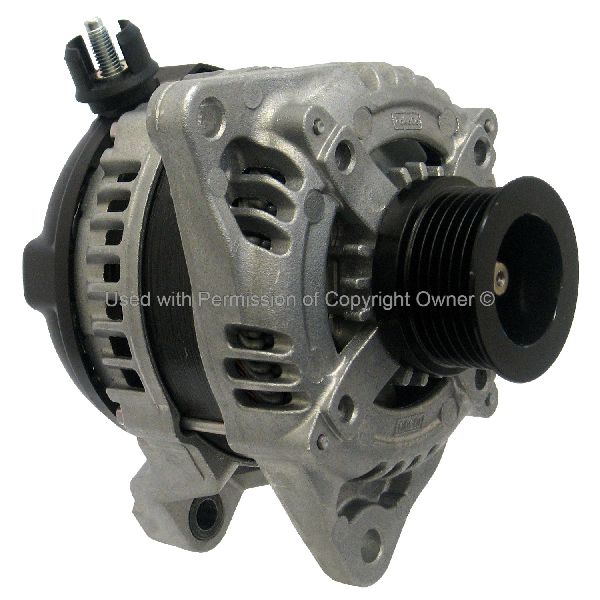
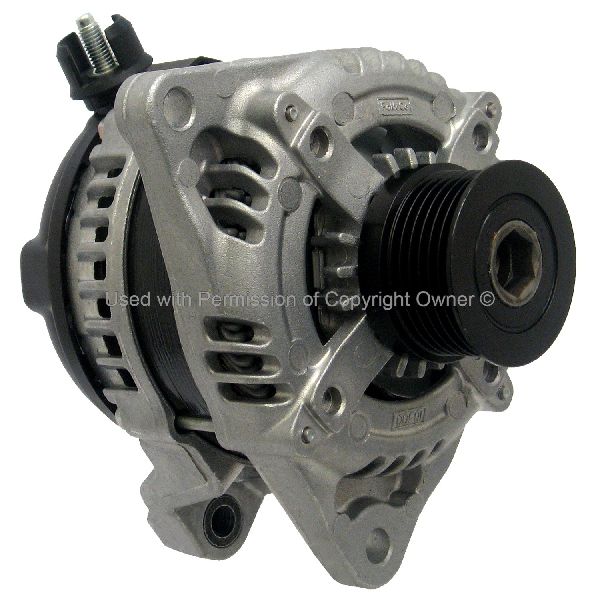
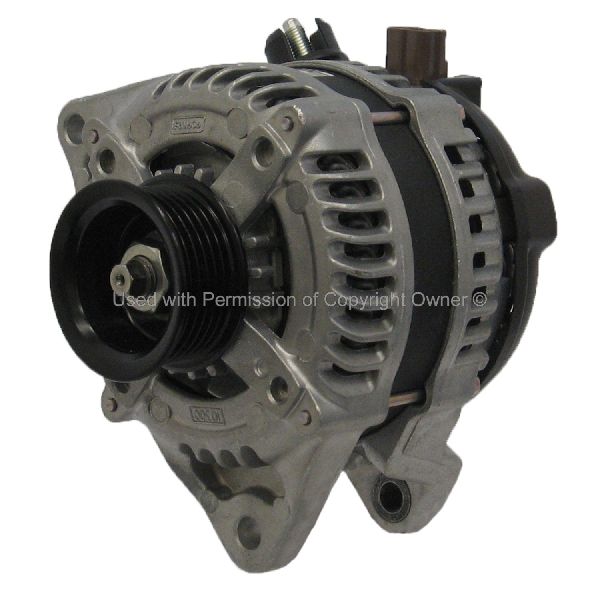
Est. part cost: $150-$300 - Failing Alternator 🟡 Medium Probability → Shop Alternator The alternator is responsible for charging the battery and powering the car's electronics when the engine is running. If it fails, the battery will quickly discharge, leading to low system voltage. Bearing failure can also cause a whining noise at idle.
How to confirm: With the engine running, use a multimeter to measure the voltage across the battery terminals. A healthy alternator should provide a reading between 13.5V and 14.5V. If the voltage is below 13V, is erratic, or goes excessively high (over 15V), the alternator or its voltage regulator is likely faulty. Also, check Fuse #17 (10A) in the under-hood fuse box, as a blown fuse will prevent the alternator from charging.
Typical fix: Replace the alternator.
Est. part cost: $200-$450 - Corroded or Loose Battery Terminals / Ground Wires 🟡 Medium Probability → Shop Vehicle Battery Corrosion creates resistance, which impedes the flow of electricity. Main engine and chassis grounds can become corroded or loose over time, causing a voltage drop between the charging system and the PCM.
How to confirm: Visually inspect the battery terminals for white or greenish buildup. Follow the negative battery cable to the chassis and engine block to locate the main grounds. Check that they are clean, tight, and free of corrosion. Key ground points on the S197 platform include a primary chassis ground on the driver's side inner fender (G104), a ground on the passenger side strut tower, and an engine-to-chassis ground strap.
Typical fix: Disconnect the battery. Thoroughly clean the battery posts and terminals with a wire brush. Clean and tighten all main ground connections. Applying dielectric grease can help prevent future corrosion.
Est. part cost: $5-$20 (for cleaning supplies)
Rare But Worth Checking
- Faulty PCM Power Relay: The relay that supplies power to the engine computer can fail intermittently, causing a sudden loss of voltage. It's an inexpensive part to check and replace before suspecting the PCM itself. This relay is typically located in the under-hood fuse box (Battery Junction Box).
- Water Intrusion into Smart Junction Box (SJB): A known issue on S197 Mustangs is water leaking from the cowl area into the passenger footwell, which can damage the SJB (fuse box). This can cause a parasitic battery drain, leading to a dead or weak battery that triggers P2507. While more common on 2005-2009 models, the cowl design is similar and can still be a source of leaks.
- Damaged Wiring Harness or PCM Connector: Physical damage to the wiring harness leading to the PCM, or to the PCM connector pins themselves, can cause a poor connection and voltage drop. This is unlikely without a history of front-end damage or major engine work. Specifically, check connector C175B at the PCM for corrosion or backed-out pins.
Diagnosis Steps
- Read all fault codes from the PCM and other modules (like the BCM). Note any companion codes, especially P0562 or P0620.
- With the engine off, measure battery voltage with a multimeter. A reading below 12.4V indicates a discharged or weak battery.
- Perform a battery load test. This is the most crucial step to confirm battery health, as a simple voltage test is insufficient.
- Inspect battery terminals, posts, and the main chassis/engine ground straps for corrosion or looseness. Clean and tighten as necessary. Check grounds at the driver's side fender and passenger strut tower.
- Start the engine. Measure the voltage at the battery terminals. It should be between 13.5V and 14.5V. If it's low or erratic, the alternator is suspect.
- If alternator output is low, check Fuse #17 (10A) in the under-hood fuse box (Battery Junction Box) before replacing the alternator.
- Check for parasitic draw. If the battery drains overnight, perform a parasitic draw test by connecting a multimeter in series with the negative battery cable to identify the draining circuit. A normal draw should be under 50mA after all modules go to sleep (approx. 30 minutes).
- Inspect the passenger footwell and Smart Junction Box (SJB) for any signs of water damage, which could indicate a leak from the cowl area.
- If the battery and alternator test good, inspect the wiring harness to the PCM for any visible damage, chafing, or corrosion at the connector, particularly connector C175B.
- As a final, inexpensive step, consider swapping the PCM power relay in the under-hood fuse box with a known good relay of the same type.
Parts You'll Likely Need
- Battery
(OEM #BXT-96R-590)— This is the most common failure point that causes a low voltage condition for the PCM on this vehicle. The Motorcraft BXT-96R-590 is a 590 CCA battery designed for this application.
Trusted brands: Motorcraft, DieHard, Interstate, Duralast
OEM price range: $180-$250
Aftermarket price range: $150-$220 - Alternator
(OEM #BR3Z-10346-A (replaces GL-998 for Manual Trans) / BR3Z-10346-B (replaces GL-999 for Auto Trans))— If the battery is good but not being charged properly, the alternator is the next most likely component to have failed. Note: The original part numbers GL-998 (Manual) and GL-999 (Auto) have been superseded.
Related Codes That Often Appear With This One
- P0562 — This is the generic code for 'System Voltage Low.' P2507 is the specific code for the PCM detecting low voltage at its own input, so these two often appear together for the same root cause.
- U0100 — Stands for 'Lost Communication With ECM/PCM.' If the PCM's voltage is unstable enough to set P2507, it can also cause it to temporarily drop off the vehicle's communication network.
- B1318 — This code indicates the Body Control Module (BCM) or Smart Junction Box (SJB) has also detected low system voltage, further confirming a vehicle-wide electrical issue.
- P0620 — Generator Control Circuit Malfunction. This code points directly to a fault in the alternator's charging control system and is a strong indicator that the alternator is the root cause when seen with P2507.
Technical Service Bulletins (TSBs) & Recalls
- TSB 12-1-17: Addresses a cold startup ticking noise from the engine on 2011-2012 3.7L models, unrelated to P2507 but relevant platform information.
- TSB 11-6-3: Notes a squeal noise from the accessory drive belt on cold starts for 2011 3.7L models, potentially related to accessory drive components like the alternator.
Platform-Specific Known Issues
- { "title": "Battery Monitoring System (BMS) Reset Required", "description": "After replacing the battery, a BMS reset procedure is required to inform the vehicle's charging system about the new battery's characteristics. Failure to do so can result in improper charging, which may shorten the new battery's life and cause the P2507 code to return. This procedure can be done with a scan tool or a specific sequence of ignition, light, and pedal commands found in owner forums." }
Mechanic-Grade Diagnostic Values
- PCM Power Input Voltage (KOEO) — expected: Should be within ~0.2–0.5 V of battery voltage.. Failure: A larger drop indicates high resistance in the power feed wiring or relay.
- System Voltage While Cranking — expected: Should remain above 9.0V - 10.0V.. Failure: Sustained voltage below 9.0V during cranking points to a weak battery and is a common trigger for P2507.
- PCM Ground Circuit Resistance — expected: < 0.1 Ω.. Failure: Resistance greater than 0.1-1.0 Ω indicates a corroded or loose ground connection that needs to be cleaned or tightened.
- Parasitic Draw (after 30 min sleep) — expected: Under 50mA.. Failure: A draw higher than 50mA indicates a module is not sleeping or a short is draining the battery, often related to a faulty SJB from water damage.
- Scan Tool PID: VPWR — expected: Should display B+ (Battery Voltage).. Failure: A reading significantly lower than battery voltage confirms the PCM is seeing a low voltage input.
Scan Tool Commands That Help
- Ford IDS / FORScan: BMS Reset — Required after replacing the vehicle's battery. This function resets the battery's 'days in service' counter, allowing the charging system to apply the correct charging strategy for a new battery.
- Ford IDS / FORScan: KOER (Key On, Engine Running) Self-Test — This test commands all modules to check their operational status. It can help confirm if the P2507 code is hard-set or intermittent and may trigger other related codes that were not present on a simple key-on scan.
Wiring & Ground Locations
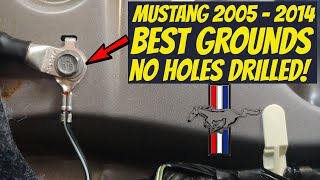
- G104 — On the driver's side inner fender/apron, near the front of the engine compartment.. This is a primary chassis ground point for many components in the engine bay. A poor connection here can cause a voltage drop to the PCM and other modules.
- G106 (3.7L) — On the left (driver's) side of the engine block.. This is a critical engine-to-chassis ground. If loose or corroded, it can cause unstable voltage readings and charging system problems.
- PCM Connectors (C175B, C175E, C175T) — Passenger side of the engine bay, next to the under-hood fuse box (Battery Junction Box). The connectors are stacked vertically.. The PCM receives its main power and ground signals through these connectors. C175B is a common connector to check for backed-out pins or corrosion affecting power supply.
- Smart Junction Box (SJB) — In the passenger-side kick panel area, behind a trim panel.. This is the location of the interior fuse panel and body control functions. It is highly susceptible to water damage from a clogged cowl drain, which can cause parasitic draw and lead to the low battery voltage that triggers P2507.
Real Owner Repair Stories
- Reddit user in r/Mustang (2012 Mustang V6, 130k miles) — Intermittent stalling while cruising; the car would shut off for a split second and then start right back up. No trouble codes were being thrown initially.
❌ Tried (didn't work) Throttle Position Sensor (TPS) was suspected but had been replaced recently for a different issue.
✅ What actually fixed it The root cause was a failing Mass Airflow (MAF) sensor. Replacing the MAF sensor resolved the stalling issue. - TheMustangSource.com forum user (2005 Mustang (S197 platform, similar electrical design)) — Sudden failure of all lights (headlights, taillights, interior), radio, and power windows. Multiple warning lights on the dash (ABS, TC, battery). Shifter locked in Park.
❌ Tried (didn't work) Checking fuses., Scanning for trouble codes (none found)., Disconnecting the battery to reset modules.
✅ What actually fixed it The user found the passenger footwell carpet was wet and the Smart Junction Box (SJB) had water droplets on it due to a known water leak from the cabin air filter cowl area. Drying out the area and addressing the leak restored function.
OEM Part Supersession History
GL-998 (Manual Transmission)→BR3Z-10346-A— Part revision and update by Ford.GL-999 (Automatic Transmission)→BR3Z-10346-B— Part revision and update by Ford.
Diagnostic Flowchart
Other Known Issues on This Vehicle
Issues unrelated to this code that are worth knowing about as an owner of this generation:
- Manual (MT-82) Transmission Problems 🔴 High → Shop Transmission Assembly — Common complaint across 2011-2019 models, particularly with aggressive driving. Issues include high-RPM lockout, grinding shifts (especially 2nd and 3rd gear), and premature wear of shift forks and synchronizers. (Ref: Multiple TSBs issued, but no full recall. A class-action lawsuit was filed regarding these issues.)
- Water Pump Failure (External) 🟠 Medium — While the RWD 3.7L Mustang thankfully avoids the catastrophic internal water pump failure of its FWD siblings, the external water pump can still fail. Failures are noted by some owners around 60k-100k miles, presenting as coolant leaks from the front of the engine.
- Cold Engine Ticking/Chirp 🟡 Low — A ticking noise from the left valve cover area on cold startups, or a chirp/squeal from the accessory belt, is a common complaint. It usually resolves as the engine warms up and is often considered a nuisance rather than a sign of imminent failure. (Ref: TSB 12-1-17 (ticking), TSB 11-6-3 (belt squeal))
- Aluminum Hood Corrosion/Paint Bubbling 🟡 Low — The aluminum hood is prone to corrosion, especially on the leading edge and around the seams, causing paint to bubble and peel. This is a cosmetic issue but is widely reported by owners. (Ref: Ford issued TSBs for other models but it's a known S197 issue.)
- Rear Axle Vent Leak 🟡 Low — Some 2011-2013 models may experience gear oil leaking from the rear axle vent, especially after spirited driving. The fix often involves a revised vent assembly. (Ref: TSB 12-8-15)
Used vs. New Parts: Buying Guide for This Vehicle
When a used part is the smart pick: For this repair, sourcing a used alternator from a reputable salvage yard is a reasonable cost-saving measure. Used wiring harnesses or the Battery Junction Box (under-hood fuse box) are also good candidates if the original is physically damaged.
Donor-vehicle mileage cap: roughly under 80000 miles for the part to have meaningful remaining life.
What to inspect on the donor part:
- For an alternator, check the pulley for smooth rotation with no bearing noise or roughness. Ensure the electrical connector is not cracked or corroded.
- For any wiring harness or fuse box, inspect thoroughly for cut wires, melted plastic, or any signs of corrosion (green or white powder) on the terminals.
- Ask for the donor vehicle's mileage and check for signs of front-end collision damage, which could have stressed electrical components.
OEM-only on this vehicle (don't cheap out):
- Battery: While aftermarket batteries are fine, avoid unbranded or deeply discounted options. A new battery from a reputable brand (Motorcraft, Interstate, DieHard) is always the safest bet and the most common fix for this code.
- Powertrain Control Module (PCM): If the PCM is truly faulty (which is rare for this code), a new or professionally remanufactured unit programmed to your vehicle's VIN is strongly recommended over a used one, which may have compatibility or anti-theft system issues.
Aftermarket brands forum-validated for this vehicle:
- Battery: Interstate, DieHard, Duralast Gold/Platinum (AGM)
- Alternator: Denso (often the OEM supplier), Bosch (remanufactured)
Brands owners have reported issues with on this vehicle:
- Avoid 'white-box' no-name alternators or starters from online marketplaces, as their voltage regulators are often poor quality and can fail quickly, causing a return of the P2507 code.
Real Owner Stories
Aggregated from forums and TSBs cited above. Mileages and costs reflect what owners reported in those sources.
2011-2014 Ford Mustang 3.7L V6
Symptoms: Intermittent 'Charging System Service Now' messages and engine stalling.
What fixed it: Replacement of a malfunctioning alternator that was failing but not completely dead.
Source hint: mustang6g.com thread titled 'Weak battery or alternator?' by user 'Grimace427'
2011-2014 Ford Mustang 3.7L V6
Symptoms: Rapid battery drain where the car cannot be left parked for more than a couple of weeks without the battery dying.
What fixed it: Investigation into parasitic draw issues, which are common on the S197 platform.
Source hint: themustangsource.com threads regarding rapid battery drain
2011-2014 Ford Mustang 3.7L V6
Symptoms: Low battery issues exacerbated by driving only short trips, which are insufficient to maintain a full charge.
What fixed it: Ensuring the battery is fully charged, as short trips do not allow the alternator enough time to replenish the charge in electronically dense models.
Source hint: mustang7g.com thread titled 'Another low battery issue...'
Related OBD-II Codes
Frequently Asked Questions
I just replaced the battery in my 2013 Mustang 3.7L to fix P2507; do I need to do anything else?
My 2011 Mustang 3.7L has a cold start ticking noise; is this related to the P2507 code?
Could a squealing belt on my 2011 Mustang cause charging issues?
What is the correct battery size for the 2011-2014 Mustang V6?
Which fuse should I check if my alternator isn't charging the battery?
Where are the main ground points I should check on my S197 Mustang?
Helpful Videos

Used OEM Parts in Stock
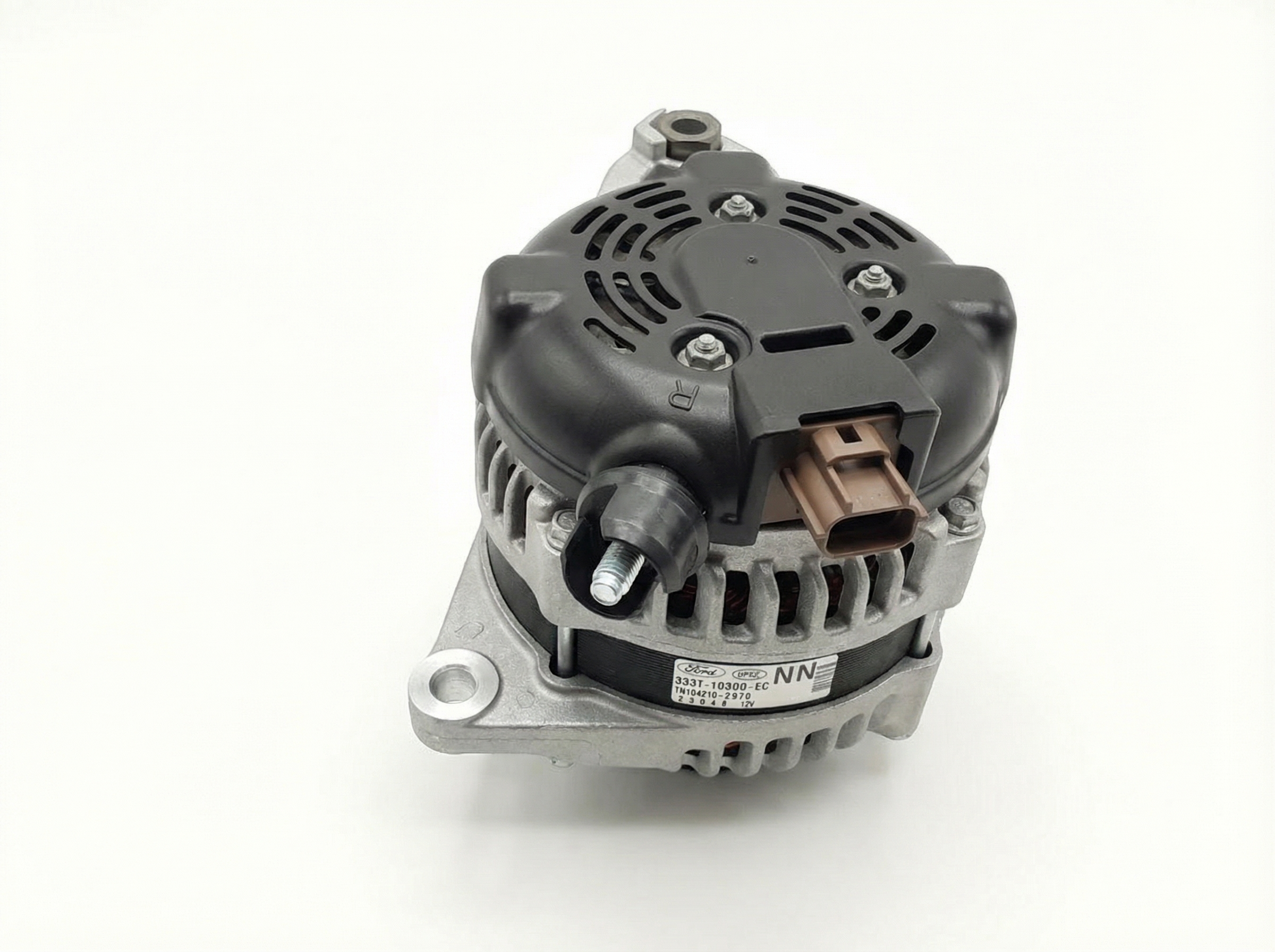
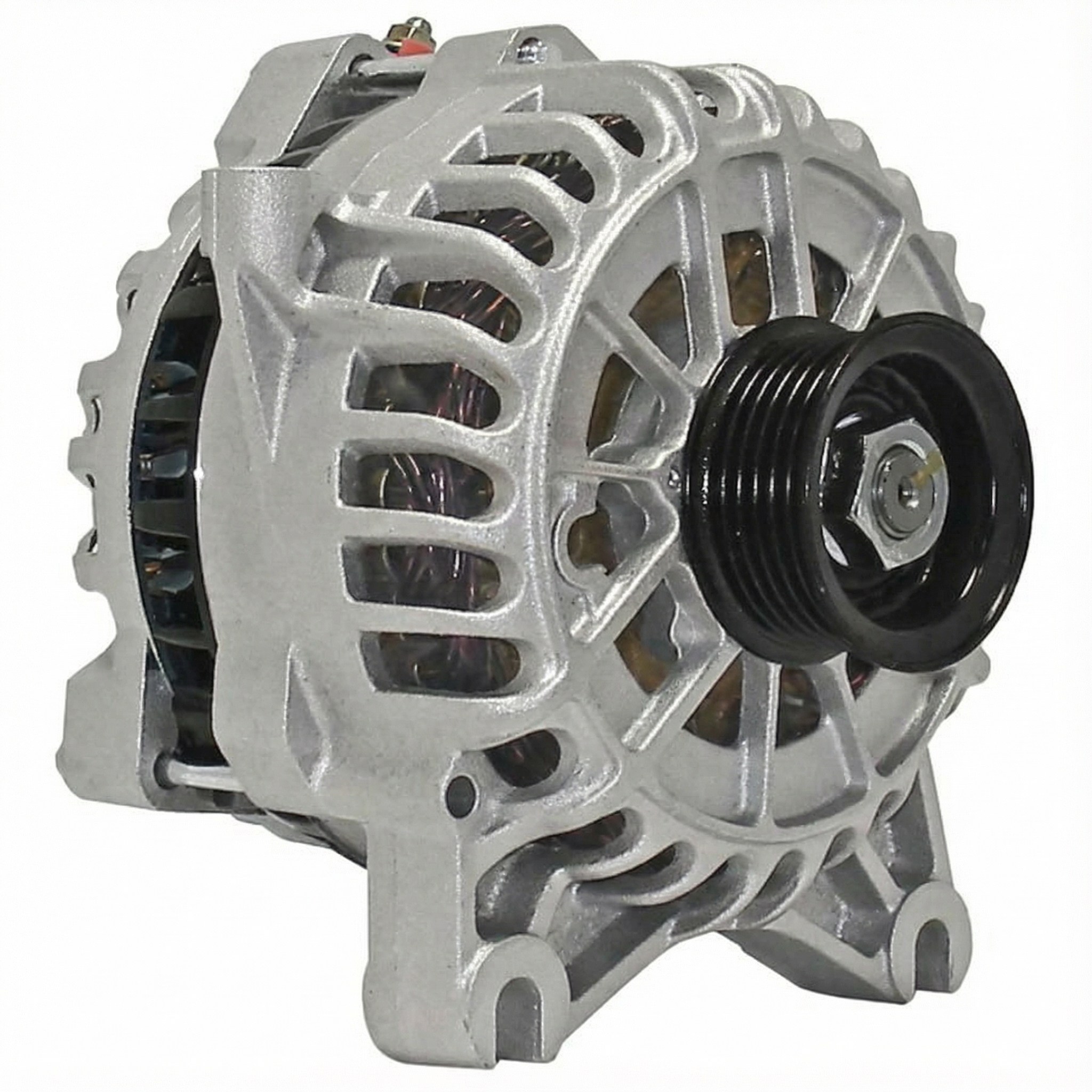
New Aftermarket Parts Available


The information in this article is provided for general reference and educational purposes only. Vehicle specifications, procedures, and part compatibility can vary by production date, trim level, and region. Always consult your vehicle's factory service manual and verify part numbers before purchasing or performing repairs. Safety-critical components such as airbags, seat belts, and braking systems should be installed by a qualified professional.
- Ford Mustang:
- 🧭 Diagnostic Flowchart
- 🎬 Helpful Videos
- 🛍️ Shop This Part
- What's Unique About the 2011-2014 Ford Mustang
- Symptoms You May Notice
- Most Likely Causes
- Rare But Worth Checking
- Diagnosis Steps
- Parts You'll Likely Need
- Related Codes That Often Appear With This One
- Technical Service Bulletins (TSBs) & Recalls
- Platform-Specific Known Issues
- Mechanic-Grade Diagnostic Values
- Scan Tool Commands That Help
- Wiring & Ground Locations
- Real Owner Repair Stories
- OEM Part Supersession History
- Other Known Issues on This Vehicle
- Used vs. New Parts: Buying Guide for This Vehicle
- Real Owner Stories
- 2011-2014 Ford Mustang 3.7L V6
- 2011-2014 Ford Mustang 3.7L V6
- 2011-2014 Ford Mustang 3.7L V6
- Related OBD-II Codes
- Frequently Asked Questions
- 🎟️ Get 5% Off