

U0001 on 2012-2016 Honda CR-V: High-Speed CAN Bus Communication Failure Guide
U0001 on a 2012-2016 Honda CR-V means there's a communication breakdown between the vehicle's computers. This is a complex electrical issue, often caused by a wiring problem, a bad ground, or a single faulty module. Diagnosis is required to find the source, as there is no single common failure point on this vehicle. Start by checking battery voltage and ground connections, as these are common and simple-to-fix culprits.
- U0001 is a network communication code, not a specific component failure code.
- There are no widely-known common failure points for this code on a 2012-2016 CR-V; a full diagnosis is essential.
- Always start with the simplest checks: battery health, charging system, and visible wiring damage. Pay special attention to the main ground connections on the transmission and fender.
- This is a difficult code for DIY repair due to the need for specialized tools and knowledge of vehicle electronics.
- Do not replace any computer modules without first proving it is the source of the network failure.
What's Unique About the 2012-2016 Honda CR-V
For the 2012-2016 Honda CR-V, the U0001 code does not point to a single, well-documented common failure. Unlike some vehicles where a specific wire is known to chafe or a particular module frequently fails, the CR-V from this generation does not have a widely reported pattern for this issue. However, forums suggest that corroded ground points, particularly the main grounds on the transmission and fender, can be a source of intermittent network problems. Therefore, diagnosis must follow a logical, systematic approach rather than jumping to a common culprit. The 2015 model year refresh introduced a new direct-injected engine and CVT transmission, which may have slight variations in wiring and module locations compared to the 2012-2014 models.
Symptoms You May Notice
- Check Engine Light is on
- Multiple other warning lights appearing at once (e.g., ABS, VSA, Airbag, Power Steering)
- Loss of function in certain systems (e.g., cruise control, power windows, infotainment screen)
- Engine may stall or fail to start
- Transmission may shift erratically or go into a 'limp mode'
- Scan tool cannot communicate with one or more modules
- A generic "communication error" or "network error" message on the instrument cluster
- Replacing the Powertrain Control Module (PCM) without confirming it is the faulty module. The PCM is often the most expensive module and may simply be reporting a network problem caused by another, cheaper module.
Most Likely Causes
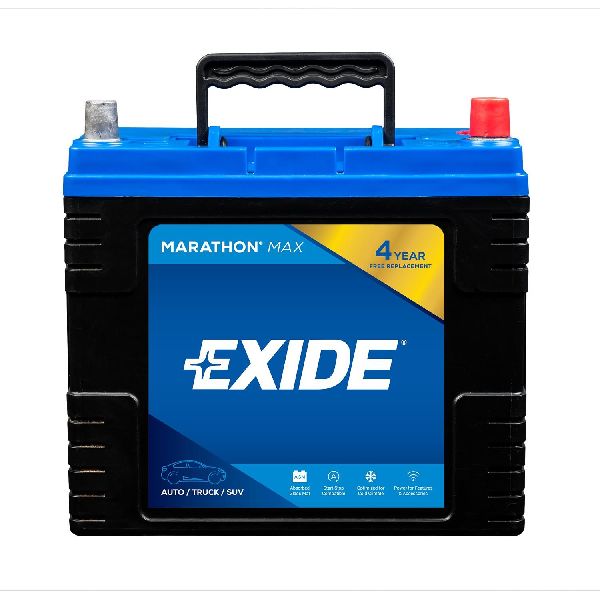
- Poor Battery Voltage or Ground Connection 🔴 High Probability → Shop Vehicle Battery Low system voltage from a weak battery or alternator can cause modules to drop off the network. Honda CR-Vs of this era are also known for having thin ground wires that can corrode, especially the main grounds to the transmission and inner fender, causing intermittent and hard-to-diagnose electrical issues.
How to confirm: Test the battery voltage (should be >12.4V with engine off) and check the charging system output (typically 13.5-14.5V with engine running). Inspect and clean all major ground connections from the battery to the chassis, engine, and transmission. The transmission ground is located under the airbox.
Typical fix: Charge or replace the battery, repair the charging system, or thoroughly clean/tighten ground connections. Some owners opt to replace the thin factory ground wires with thicker gauge cables. 🎬 Watch: How to clean and service your Honda CR-V battery
Est. part cost: $5-$300 - CAN Bus Wiring or Connector Fault 🟡 Medium Probability Wiring can be damaged over time by vibration, moisture, or improper repairs. Rodent damage is also a possibility. Water intrusion into connectors can also cause corrosion and communication failures.
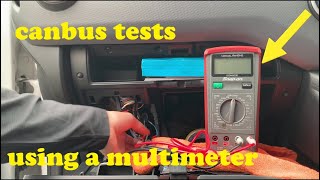
How to confirm: Perform a visual inspection of major wiring harnesses for damage. With the battery disconnected, use a multimeter to check for ~60 ohms of resistance between pins 6 (CAN-H) and 14 (CAN-L) on the OBD-II port. A reading of 120 ohms suggests an open circuit or a missing termination resistor, while a reading near 0 ohms indicates a short between the wires. 🎬 See: Two basic CAN bus multimeter tests you can do
Typical fix: Repair the damaged section of wiring or clean/replace the corroded connector.
Est. part cost: $10-$100 - Faulty Control Module 🟡 Medium Probability An internal failure in any module on the high-speed CAN bus (e.g., PCM, ABS/VSA module, BCM) can cause it to send corrupt data or stop communicating, bringing down the entire network.
How to confirm: Use an advanced scan tool to see which modules are not responding. A technician may disconnect modules one by one to see if communication is restored to the rest of the network. If unplugging a specific module allows the others to communicate, that module is likely the cause.
Typical fix: Replace the faulty module and program the new one to the vehicle.
Est. part cost: $200-$1000+
Rare But Worth Checking
- Aftermarket Electronics Interference: Poorly installed aftermarket stereos, remote starters, or alarms can be improperly tapped into the CAN bus, causing interference that disrupts communication. This is a common cause of mysterious network codes.
Diagnosis Steps
- Check Battery and Charging System: Ensure the battery is fully charged (>12.4V) and the terminals are clean and tight. Verify proper alternator output (13.5-14.5V). A weak battery is a very common cause of network communication codes.
- Inspect and Clean Grounds: Visually inspect the main battery ground cables. On the CR-V, there is a key ground point on the transmission housing (under the air filter box) and another on the inner fender that are known to corrode. Disconnect, clean all contact surfaces to bare metal, and re-tighten securely.
- Perform a Full Vehicle Scan: Use an advanced scan tool to see which modules are reporting 'no communication' codes. This can provide clues to the location of the fault.
- Visually Inspect Wiring: Carefully inspect visible wiring harnesses, especially around the engine bay, under the dashboard, and any areas where previous repairs or accessory installations have been performed. Look for chafing, corrosion, or physical damage.
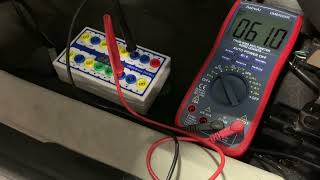
- Check CAN Bus Resistance: With the ignition off, measure the resistance between Pin 6 (CAN High) and Pin 14 (CAN Low) at the OBD-II port. A healthy network should read approximately 60 Ohms. 🎬 Watch: Step-by-step CAN bus diagnostic and resistance testing Readings of 120 Ohms or near 0 Ohms indicate an open or shorted circuit, respectively.
- Isolate Modules: If resistance is incorrect or the problem is intermittent, a technician will disconnect modules one by one from the CAN bus and re-check resistance to isolate the faulty component or wiring section. This requires a vehicle wiring diagram.
- Check Power and Grounds: Verify that the non-communicating module has proper power and ground connections before condemning the module itself.
Parts You'll Likely Need
- Control Module (e.g., ABS, BCM, PCM) — If a single module fails internally, it can disrupt the entire network. The specific module varies and must be identified through diagnosis.
Trusted brands: Honda (OEM)
OEM price range: $400-$1200
Aftermarket price range: $200-$800 - Battery Ground Cable — The original ground cables can corrode, especially at the chassis and transmission connection points, leading to poor conductivity and network errors.
Trusted brands: Honda (OEM), Standard Motor Products
OEM price range: $25-$50
Aftermarket price range: $15-$30
Related Codes That Often Appear With This One
- U01xx, U02xx, etc. — These codes indicate a loss of communication with a specific module (e.g., U0101 for TCM, U0121 for ABS). They often appear alongside U0001 and can help pinpoint which part of the network is affected.
Mechanic-Grade Diagnostic Values
- CAN Bus Resistance — expected: Approximately 60 Ohms (± 5 Ohms). Failure: A reading of ~120 Ohms indicates an open circuit or one of the two terminating resistors is offline. A reading near 0 Ohms indicates a short between the CAN High and CAN Low wires.
- CAN Bus Voltage (Key On, Engine Off) — expected: CAN High (Pin 6) should be ~2.6V. CAN Low (Pin 14) should be ~2.4V.. Failure: Voltages that are stuck high, low, or at battery/ground potential indicate a short circuit on the bus.
Scan Tool Commands That Help
- Honda Diagnostic System (HDS) or compatible J2534 device: Immobilizer Setup / Module Replacement — This function is required after replacing a major control module like the PCM, BCM, or MICU. It synchronizes the security codes between the new module and the vehicle's immobilizer system. Failure to perform this step will result in a no-start condition.
Wiring & Ground Locations
- G101 — A bolt on the top of the transmission case, often under the air intake box.. This is a primary ground point for the engine and transmission harnesses. Corrosion at this location is a very common cause of intermittent communication codes like U0001 and U0101 on this platform.
- G301 — Under the left (driver's side) headlight assembly.. This is a chassis ground point for forward lighting and other components in the front of the engine bay. While less common to cause U0001, a poor connection here can contribute to overall electrical noise.
- Terminating Resistors — The high-speed CAN bus has two 120-ohm terminating resistors. On many Honda vehicles, one is located inside the Powertrain Control Module (PCM) and the other is inside the Gauge Control Module (instrument cluster).. These resistors are essential for signal integrity on the network. If a module containing a resistor fails or is disconnected, the total bus resistance will change from 60 ohms to 120 ohms, causing communication to fail.
Real Owner Repair Stories
- Go-Parts repair database citation (Honda CR-V (year not specified, but relevant to platform)) — Electrical issues and communication faults (such as U0100, often seen with U0001).
❌ Tried (didn't work) Initial diagnosis pointed towards potential module failure.
✅ What actually fixed it The heavily corroded main engine-to-chassis ground strap, located on the transmission housing (G101), was thoroughly cleaned and restored, which resolved the communication faults.
Model Year Variations Within This Range
- 2015-2016: The 2015 model year marked a significant mid-cycle refresh, introducing a new direct-injected "Earth Dreams" 2.4L engine and a Continuously Variable Transmission (CVT), replacing the previous port-injected engine and 5-speed automatic. This change affects the PCM and TCM, as well as their related wiring harnesses and software. Diagnostic procedures must account for these powertrain differences.
Diagnostic Flowchart
Other Known Issues on This Vehicle
Issues unrelated to this code that are worth knowing about as an owner of this generation:
- VTC Actuator Rattle on Cold Start 🟠 Medium — Very common on 2012-2014 models. A brief, loud rattle or grinding noise for 1-2 seconds immediately after a cold start. (Ref: TSB 09-010)
- Premature Starter Motor Failure 🟠 Medium — Commonly reported, especially on 2015-2016 models. Symptoms include a single loud click with no crank, or intermittent no-start conditions. (Ref: TSB 14-003 (for related Civic, but issue is similar))
- Excessive Oil Consumption 🟠 Medium — Some owners report needing to add oil between changes. Attributed to low-tension piston rings. More pronounced on 2015-2016 models with the 'Earth Dreams' direct-injection engine.
- Vibration at Idle (2015-2016 models) 🟡 Low — A common complaint on models equipped with the CVT. A noticeable vibration is felt through the cabin when the vehicle is stopped and in gear. (Ref: Software updates may reduce the issue.)
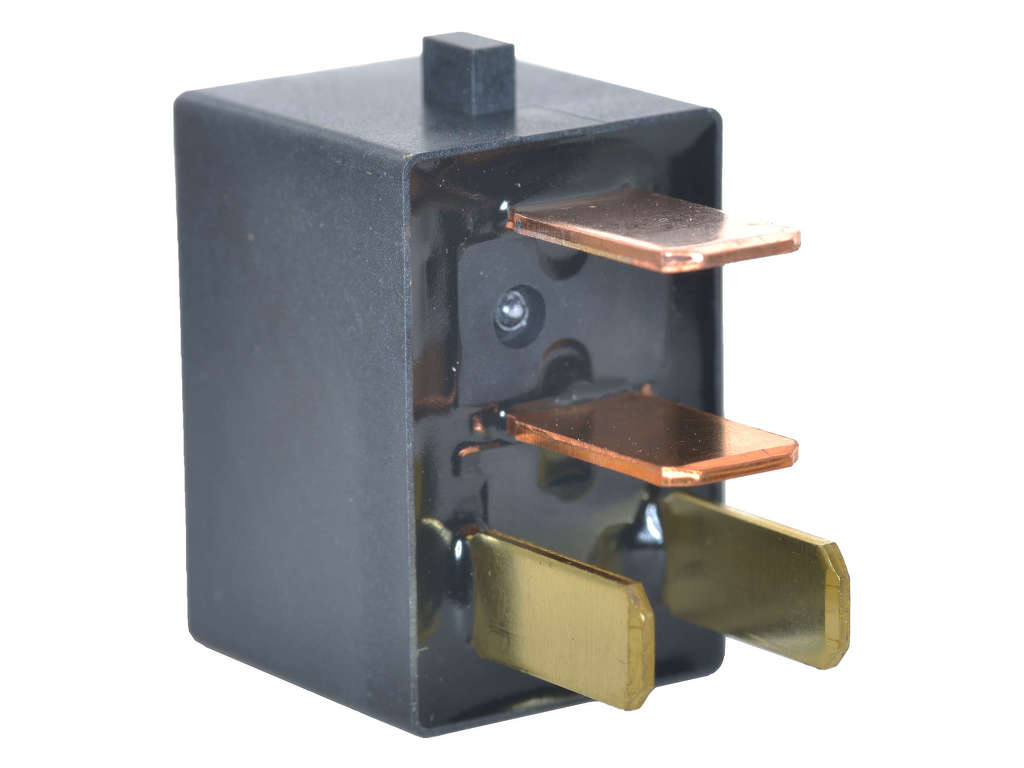
- Parasitic Battery Drain 🟠 Medium → Shop Vehicle Battery — Some owners report the battery dying after the vehicle sits for a few days. A stuck A/C compressor relay is a frequently cited cause.
Used vs. New Parts: Buying Guide for This Vehicle
When a used part is the smart pick: Used parts like wiring harnesses, connectors, or ground cables are excellent choices. A used control module (PCM, BCM, VSA modulator) can be a cost-effective option, but ONLY if you have factored in the mandatory cost of professional programming to your vehicle's VIN and immobilizer system.
Donor-vehicle mileage cap: roughly under 120000 miles for the part to have meaningful remaining life.
What to inspect on the donor part:
- For control modules, match the OEM part number exactly.
- Inspect connectors for any signs of corrosion, bent pins, or water intrusion.
- Choose parts from vehicles that were not involved in floods or fires.
- For wiring, ensure there are no cuts, abrasions, or signs of rodent damage.
OEM-only on this vehicle (don't cheap out):
- Powertrain Control Module (PCM): While a used OEM unit can be reprogrammed, aftermarket or remanufactured PCMs can have a higher failure rate and may cause compatibility issues. Sticking with a used or new OEM Honda part is strongly advised.
Brands owners have reported issues with on this vehicle:
- Generic, unbranded online marketplace control modules should be avoided due to high rates of programming and compatibility failures.
Real Owner Stories
Aggregated from forums and TSBs cited above. Mileages and costs reflect what owners reported in those sources.
2012 Honda CR-V
Symptoms: Intermittent and hard-to-diagnose electrical issues; discussion of thin, corroded factory ground wires at the transmission and inner fender.
What fixed it: Cleaning all contact surfaces of the main battery ground cables to bare metal and re-tightening them; some owners replaced thin factory wires with thicker gauge cables.
Source hint: "CRV Battery Grounds/ Points | BobIsTheOilGuy"
2015 Honda CR-V
Symptoms: Starter issues and intermittent no-start conditions; technician noted the starter is located under the intake manifold near major wiring and ground points.
What fixed it: While the primary focus was the starter, the fix involved accessing the area under the intake manifold to address nearby electrical connections.
Source hint: "2015 CRV starter issues? - Reddit"
Related OBD-II Codes
Frequently Asked Questions
I'm seeing multiple warning lights for ABS, VSA, and Power Steering on my 2012 CR-V. Is this a network error?
Where is the transmission ground located on the 2012-2016 CR-V?
Can a weak battery cause a U0001 code on my 2015 CR-V?
Is there a TSB for the rattle I hear on cold starts along with my electrical issues?
My 2015 CR-V has a 'no start' condition and a communication error. Could it be the starter?
Can I use a used PCM to fix a U0001 communication error?
Helpful Videos
Used OEM Parts in Stock
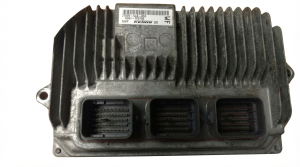
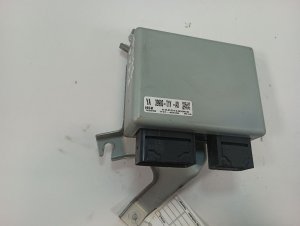
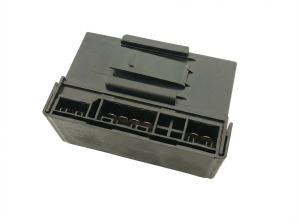
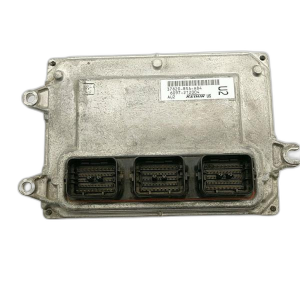
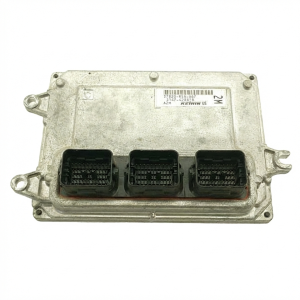
New Aftermarket Parts Available
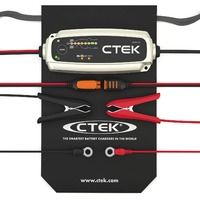



The information in this article is provided for general reference and educational purposes only. Vehicle specifications, procedures, and part compatibility can vary by production date, trim level, and region. Always consult your vehicle's factory service manual and verify part numbers before purchasing or performing repairs. Safety-critical components such as airbags, seat belts, and braking systems should be installed by a qualified professional.
- Honda CR-V:
- 🧭 Diagnostic Flowchart
- 🎬 Helpful Videos
- 🛍️ Shop This Part
- What's Unique About the 2012-2016 Honda CR-V
- Symptoms You May Notice
- Most Likely Causes
- Rare But Worth Checking
- Diagnosis Steps
- Parts You'll Likely Need
- Related Codes That Often Appear With This One
- Mechanic-Grade Diagnostic Values
- Scan Tool Commands That Help
- Wiring & Ground Locations
- Real Owner Repair Stories
- Model Year Variations Within This Range
- Other Known Issues on This Vehicle
- Used vs. New Parts: Buying Guide for This Vehicle
- Real Owner Stories
- 2012 Honda CR-V
- 2015 Honda CR-V
- Related OBD-II Codes
- Frequently Asked Questions
- 🎟️ Get 5% Off