

U0001 on 2008-2021 Toyota Sequoia: High-Speed CAN Bus Communication Failure Diagnosis and Fixes
The U0001 code on a Toyota Sequoia means there's a critical communication failure on the main vehicle network. The most common causes are wiring damage, a weak battery, or a single faulty control module. Diagnosis can be complex and often requires professional-level tools.
- U0001 is a serious network failure code, not a simple sensor issue. Do not ignore it.
- Always start diagnosis by checking the simplest things first: the battery and all visible wiring/grounds.
- The problem is often in the wiring itself, not an expensive computer module. A thorough inspection can save you hundreds or thousands of dollars.
- Due to the complexity of CAN bus diagnosis, this code often requires professional help to avoid replacing unnecessary parts.
What's Unique About the 2008-2021 Toyota Sequoia
For the 2008-2021 Sequoia, the U0001 code does not point to a single, widely-known component failure or design flaw. Unlike some vehicles with common wiring chafe points, the Sequoia's reliability means this code usually appears due to universal issues like a failing battery, rodent damage to wiring, or a random module failure rather than a predictable platform-specific problem. Aftermarket electronic installations, if not done correctly by tapping into the CAN wiring, can also disrupt the network and trigger this code.
Symptoms You May Notice
- Check Engine Light is on
- Multiple warning lights on the dashboard (ABS, Airbag, Traction Control, etc.), often described as a 'Christmas tree' effect
- Engine may stall, run rough, or fail to start
- Transmission may shift harshly or get stuck in one gear (limp mode)
- Loss of power to accessories like windows, radio, or climate control
- Inability for a standard OBD-II scanner to communicate with some or all modules
- Sudden loss of power steering or other safety systems
- Replacing the ECM/PCM without proper diagnosis. The ECM is often the most expensive module, but the U0001 code is frequently caused by a simple wiring issue or a less critical module on the same network.
Most Likely Causes
- Damaged or Corroded CAN Bus Wiring 🔴 High Probability Wiring can be damaged by rodents, vibrations, moisture intrusion, or previous improper repairs. Rodents are known to chew on the soy-based wiring insulation used in many modern vehicles, including the Tundra platform. 🎬 Watch: How to prevent rodent damage to Toyota wiring
How to confirm: Perform a detailed visual inspection of the main wiring harnesses for any signs of chewing, chafing, or corrosion, particularly near the ECM, under the dashboard, and in the driver's kick panel where wires pass through the firewall. A multimeter can be used to check for continuity and resistance on the CAN_H and CAN_L wires (should be ~60 ohms between them with the battery disconnected).
Typical fix: Repairing the specific section of damaged wire or cleaning/replacing a corroded connector. This may involve soldering and heat-shrinking the affected wires.
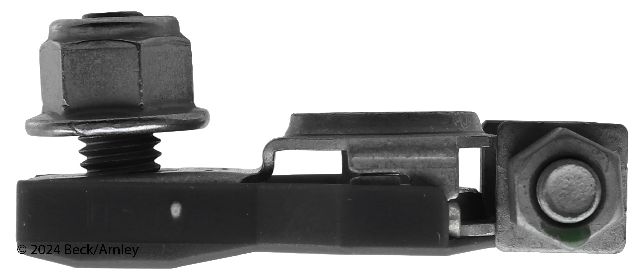
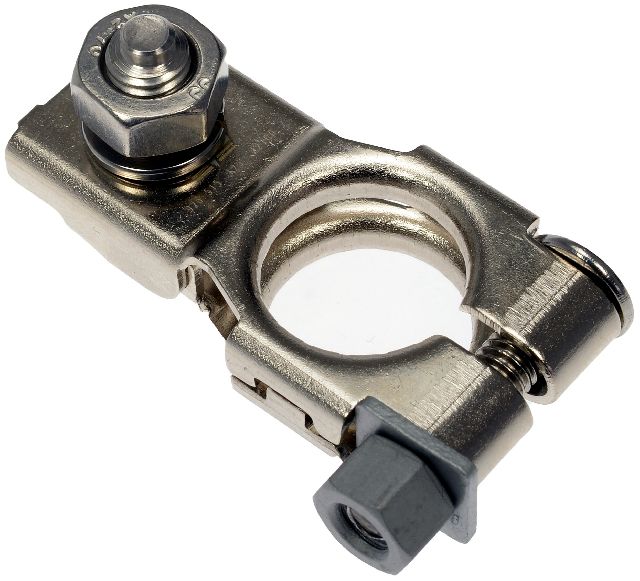
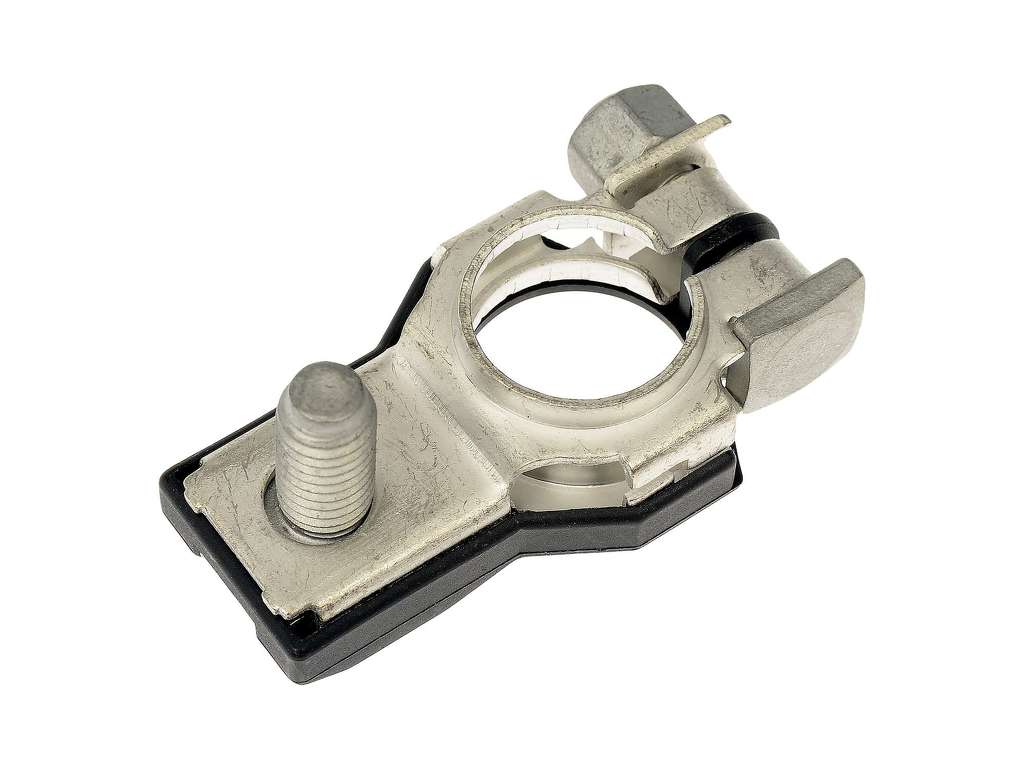
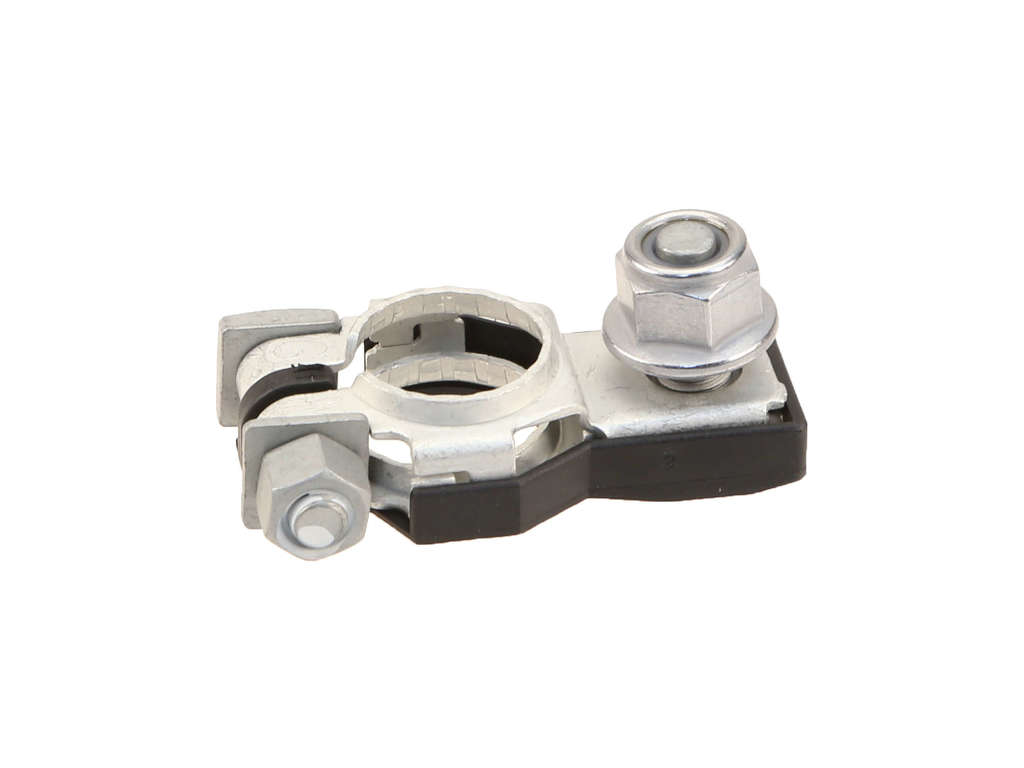
Est. part cost: $5-$50 for wiring repair supplies - Weak Battery or Poor Ground Connection 🟡 Medium Probability → Shop Vehicle Battery Low system voltage can cause electronic modules to malfunction and drop off the network, creating communication errors. This is a common issue across all modern vehicles, not specific to the Sequoia.
How to confirm: Test the battery voltage with a multimeter (should be above 12.4V at rest). Check that the battery terminals are clean and tight. Inspect the main engine and chassis ground straps for corrosion or looseness. A voltage drop test on the ground side can confirm a poor connection.
Typical fix: Recharge or replace the battery. Clean or replace corroded terminals and ground straps.
Est. part cost: $150-$300 for a new battery - Faulty Control Module ⚪ Low Probability Any single module on the network (ECM, TCM, BCM, ABS/Skid Control ECU, etc.) can fail internally and either stop communicating or flood the network with bad data, bringing the whole system down. While not common, module failure can happen with age or due to electrical surges.
How to confirm: This is difficult without advanced diagnostics. A professional technician would systematically unplug non-essential modules one by one to see if communication is restored. A high-end scan tool can also help identify which module is not responding.
Typical fix: Replace the faulty module. Note that some modules, like the ECM, require programming to the vehicle.
Est. part cost: $200-$1500+ depending on the module
Rare But Worth Checking
- Aftermarket Electronics Interference: Poorly installed aftermarket alarms, remote starters, or stereos can be improperly tapped into the CAN bus wiring, causing interference and network crashes. A user on a Dasaita stereo forum for a 2008 Sequoia discussed issues related to CAN bus settings and wiring after an aftermarket head unit installation, highlighting the complexity.
- Faulty Skid Control ECU: While not directly a U0001 cause, older Sequoias had issues where the Skid Control ECU could have improper logic, causing VSC system activation at low speeds. A faulty VSC/Skid Control module, which is on the CAN bus, could theoretically cause network communication issues.
Diagnosis Steps
- Check Battery Health: Ensure the battery is fully charged (12.4V+ at rest) and the terminals are clean and tight. A weak battery is a common cause of network codes.
- Visual Inspection: Thoroughly inspect the main wiring harnesses in the engine bay and under the dash, especially in the driver's kick panel. Look for any signs of rodent damage, chafing, or corrosion. Check all major ground connections to the chassis and engine block.
- Scan for Other Codes: Use a high-quality scan tool to see which modules are reporting 'no communication'. This can help narrow down the location of the fault.
- Check CAN Bus Resistance: With the battery disconnected, use a multimeter to measure the resistance between Pin 6 (CAN_H) and Pin 14 (CAN_L) on the OBD-II port. A healthy network should read approximately 60 ohms. A reading of 120 ohms suggests an open circuit or a missing termination resistor. A reading near 0 ohms indicates a short circuit.
- Isolate Modules: If you have access to a wiring diagram, you can begin unplugging modules one at a time to see if the 60-ohm resistance returns to normal or if communication is restored. Start with easily accessible modules like the ABS controller or modules under the dash before moving to the ECM or TCM. This is an advanced step.
- Check for TSBs: Check for any Technical Service Bulletins (TSBs) from Toyota that may relate to network or wiring issues, although none are widely known for this specific code on the Sequoia.
Parts You'll Likely Need
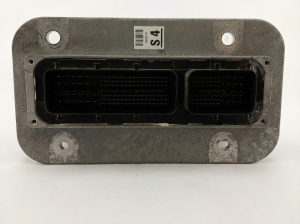
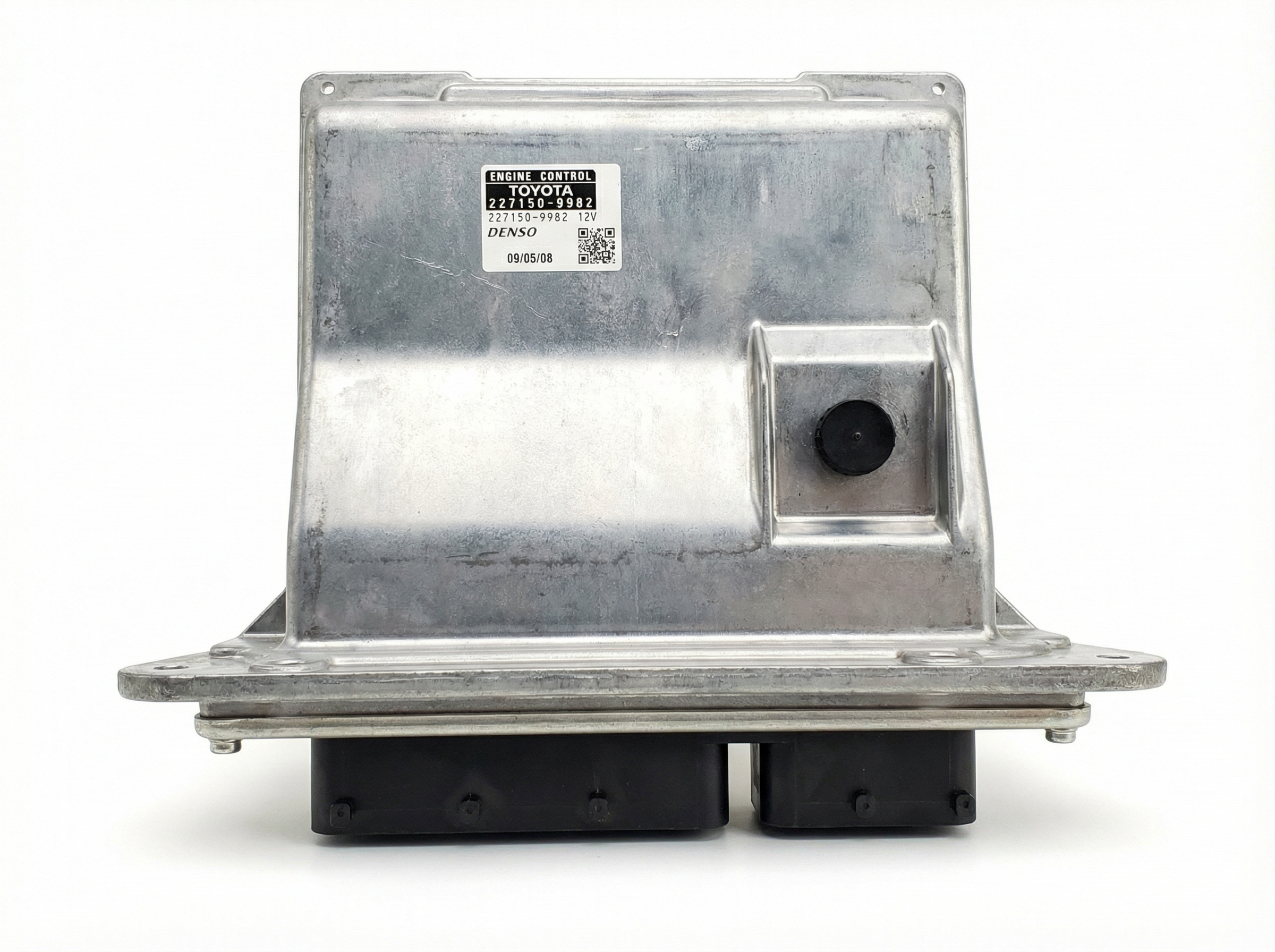
- Powertrain Control Module (PCM/ECM) — While not the most common cause, a failed PCM is a potential root cause if all wiring and other modules check out. It is one of the primary controllers on the high-speed CAN bus.
Trusted brands: Denso (OEM)
OEM price range: $1100-$1300
Aftermarket price range: $400-$800 (Remanufactured) - Vehicle Battery — Low system voltage from a failing battery is a frequent trigger for network communication codes across all makes and models.
Trusted brands: Toyota TrueStart, Interstate, DieHard
OEM price range: $200-$350
Aftermarket price range: $150-$250 - Wiring Harness Pigtail/Connector
(OEM #e.g., 8216B-0C030, 8216B-0C020 (example floor harness sections, not specific to CAN))— If the fault is traced to a specific damaged connector on a module (ECM, BCM, etc.), a pigtail may be needed to perform a lasting repair rather than attempting to fix individual pins.
Trusted brands: Toyota (OEM)
OEM price range: $15-$50
Aftermarket price range: $10-$30
Related Codes That Often Appear With This One
- U0100 — Lost Communication With ECM/PCM
- U0101 — Lost Communication with TCM
- U0121 — Lost Communication With Anti-Lock Brake System (ABS) Control Module
- U0140 — Lost Communication With Body Control Module (BCM)
Mechanic-Grade Diagnostic Values
- CAN Bus Resistance (Battery Disconnected) — expected: ~60 Ohms. Failure: 120 Ohms indicates an open circuit or one missing terminating resistor. ~0 Ohms indicates a short between CAN High and CAN Low wires.
- CAN High (CAN_H) to Chassis Ground Voltage (Key On, Engine Off) — expected: ~2.5V to 3.5V (typically ~2.6V in recessive state). Failure: Voltage at 0V, 5V, or 12V indicates a short to ground, short to power, or an internal module fault.
- CAN Low (CAN_L) to Chassis Ground Voltage (Key On, Engine Off) — expected: ~1.5V to 2.5V (typically ~2.4V in recessive state). Failure: Voltage at 0V or stuck high indicates a short to ground or an internal module fault. The sum of CAN_H and CAN_L voltages should be ~5V.
- CAN High/Low to Chassis Ground Resistance (Battery Disconnected) — expected: Megaohms (MΩ) or Open Line (OL). Failure: Any low resistance reading indicates a short to ground in the wiring or within a module's CAN transceiver.
Scan Tool Commands That Help
- Toyota Techstream: CAN Bus Check — This is a primary diagnostic step for a U0001 code. The function polls the network and displays a list of all ECUs that are properly communicating. Any module not on the list is the likely source of the problem, dramatically narrowing down the search.
- Toyota Techstream: Health Check — Before diving into the CAN Bus Check, running a full Health Check will attempt to communicate with all possible modules on the vehicle and list any stored DTCs in each. This provides a high-level overview of which systems are responsive and which are not.
Wiring & Ground Locations
- CAN Junction Connectors — Key junction connectors are often found in the driver's side kick panel (J/C 29 & 30) and behind the left side of the dashboard (J/C H119). These connectors are central points where the CAN bus branches out to different modules.. A loose pin or corrosion in one of these central junction connectors can take down multiple modules at once, causing a U0001 code. They are a critical inspection point.
- ECM (Engine Control Module) — Located behind the glove box on the passenger side of the dashboard.. The ECM is a primary terminating resistor for the CAN bus. A bad connection here or an internal ECM fault can disrupt the entire network.
- Skid Control ECU (ABS Module) — Located in the engine bay, typically on the driver's or passenger's side, identifiable by the multiple metal brake lines connected to it.. The ABS module is a critical node on the high-speed CAN bus. Its connector is exposed to under-hood conditions and is a potential point of failure due to moisture or corrosion.
- Main Body ECU — Located under the driver's side dash, often integrated with the interior fuse box.. This ECU acts as a gateway between different networks. A failure here can cause widespread communication issues and trigger a U0001.
"I Checked Everything" — The Actual Cause
- A common trap in CAN bus diagnosis is when the resistance test passes (reads 60 ohms) with the power off, but the network still fails when powered on. This can happen due to a high-resistance short or a failing module transceiver that only malfunctions under a live voltage load. If the resistance test is good, the next mandatory step is to perform a live voltage check (Key On, Engine Off) on the CAN High and CAN Low pins to look for abnormal voltages.
Diagnostic Flowchart
Other Known Issues on This Vehicle
Issues unrelated to this code that are worth knowing about as an owner of this generation:
- Secondary Air Injection System Failure 🔴 High — Common on 2008-2013 models. Moisture can enter the air pumps or switching valves, causing failure and forcing the engine into 'limp mode'. (Ref: Toyota issued a warranty enhancement (CSP) extending coverage to 10 years/150,000 miles for this issue. TSBs like T-SB-0160-11, T-SB-0144-14, and others address diagnosis and repair.)
- Cracked Exhaust Manifold 🟠 Medium — A ticking noise, especially when the engine is cold, is a common symptom. This affects the V8 engines and is a frequent complaint among owners.
- Camshaft Tower Oil Leak 🟠 Medium — Oil leaks can develop from the camshaft tower sealant on the 4.6L and 5.7L V8 engines. This is a well-documented issue, particularly in 2010 and later models.
- Frame Rust 🔴 High — Like its Tundra counterpart, the Sequoia frame is susceptible to severe rust, especially in regions that use road salt. This was a more significant issue on earlier models but remains a concern. (Ref: Toyota had frame replacement programs for some Tundra models, and Sequoias were also known to be affected.)
- Cracked/Sticky Dashboard 🟡 Low — While more prevalent on other Toyota models from the mid-2000s, some early second-gen Sequoias can experience dashboards that become cracked or sticky due to heat and humidity. (Ref: Toyota issued a Warranty Enhancement Program (ZE6) for this issue on several models, though the Sequoia was not explicitly listed in all documents, the problem material was used across the lineup.)
Used vs. New Parts: Buying Guide for This Vehicle
When a used part is the smart pick: For most control modules OTHER THAN the main Engine Control Module (ECM), such as the ABS/Skid Control ECU, Body Control Module (BCM), or climate control module, a used part from a reputable salvage yard with an exact part number match is a cost-effective repair strategy.
Donor-vehicle mileage cap: roughly under 150000 miles for the part to have meaningful remaining life.
What to inspect on the donor part:
- Verify the part number on the used module is an exact match to the original.
- Inspect the donor vehicle for signs of flood or fire damage before purchase.
- Check all connector pins on the used module for any signs of corrosion, moisture, or physical damage (bent pins).
OEM-only on this vehicle (don't cheap out):
- Engine Control Module (ECM/PCM): While used ECMs are available, they are not plug-and-play. They MUST be reprogrammed with the vehicle's specific VIN and synchronized with the immobilizer system to allow the engine to start. It is strongly recommended to use either a new OEM unit from a dealer or a service from a reputable remanufacturer who can program the module to your VIN before shipping.
Aftermarket brands forum-validated for this vehicle:
- Denso (OEM for Toyota)
- Flagship One (Remanufactured ECUs)
- Module Mechanics (Remanufactured ECUs)
Brands owners have reported issues with on this vehicle:
- Unknown eBay/Amazon sellers of used modules without a clear warranty, return policy, or pre-programming service.
Real Owner Stories
Aggregated from forums and TSBs cited above. Mileages and costs reflect what owners reported in those sources.
2007 Toyota Sequoia
Symptoms: Multiple module communication failures and various warning lights on the dashboard.
What fixed it: The owner suspected the issues were caused by faulty wiring resulting from a previous aftermarket stereo installation.
Source hint: Reddit r/Toyota
2008 Toyota Sequoia Platinum
Symptoms: CAN bus communication issues and network faults after installing an aftermarket head unit.
What fixed it: Troubleshooting and adjusting the CAN bus settings and wiring connections for the aftermarket stereo.
Source hint: Dasaita Stereo Forum - canbus setting for Toyota sequoia platinum 2008
Toyota Owner Report
Symptoms: An owner reported issues while using the accelerator where the vehicle threw codes U0001 and U0100. On subsequent occurrences of the problem, no codes were stored in the system.
Source hint: NHTSA ODI #11376111
Related OBD-II Codes
Frequently Asked Questions
Is there a Toyota warranty extension for the secondary air injection system failure on my 2012 Sequoia?
Could my aftermarket stereo be causing the U0001 code and 'Christmas tree' dashboard lights?
Are there specific TSBs for the secondary air injection system on the Sequoia?
Why is my Sequoia's dashboard becoming sticky or cracked?
Can rodents cause the U0001 network communication code on my Sequoia?
Should I buy a used Engine Control Module (ECM) to fix a U0001 code?
Helpful Videos
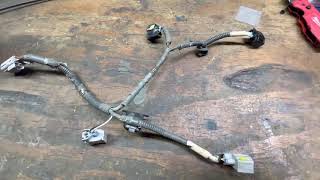
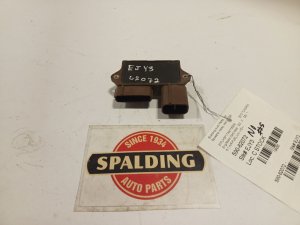
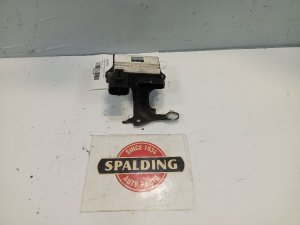
Used OEM Parts in Stock
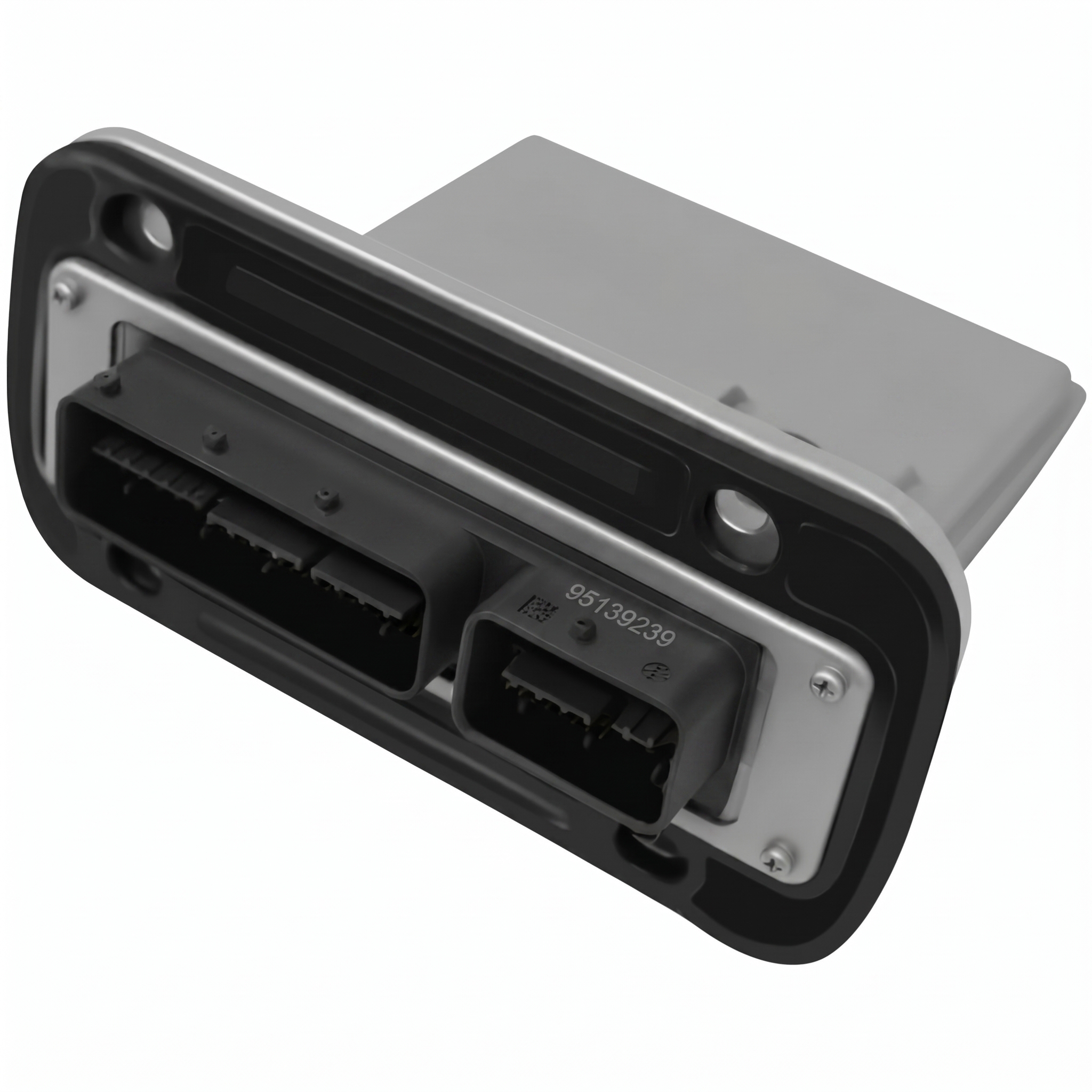
New Aftermarket Parts Available

The information in this article is provided for general reference and educational purposes only. Vehicle specifications, procedures, and part compatibility can vary by production date, trim level, and region. Always consult your vehicle's factory service manual and verify part numbers before purchasing or performing repairs. Safety-critical components such as airbags, seat belts, and braking systems should be installed by a qualified professional.
- Toyota Sequoia:
- 🧭 Diagnostic Flowchart
- 🎬 Helpful Videos
- 🛍️ Shop This Part
- What's Unique About the 2008-2021 Toyota Sequoia
- Symptoms You May Notice
- Most Likely Causes
- Rare But Worth Checking
- Diagnosis Steps
- Parts You'll Likely Need
- Related Codes That Often Appear With This One
- Mechanic-Grade Diagnostic Values
- Scan Tool Commands That Help
- Wiring & Ground Locations
- "I Checked Everything" — The Actual Cause
- Other Known Issues on This Vehicle
- Used vs. New Parts: Buying Guide for This Vehicle
- Real Owner Stories
- 2007 Toyota Sequoia
- 2008 Toyota Sequoia Platinum
- Toyota Owner Report
- Related OBD-II Codes
- Frequently Asked Questions
- 🎟️ Get 5% Off