

U0073 on 2010-2015 Chevrolet Camaro: Control Module Communication Bus 'A' Off Causes and Fixes
On a 2010-2015 Camaro, code U0073 is a serious network failure. It's most often caused by a weak battery, a faulty aftermarket OBD-II device, or a damaged wiring harness near the exhaust. Expect a diagnostic cost of $100-$300, with repairs ranging from simple to very expensive depending on the cause.
- Before any complex diagnosis, unplug anything connected to your OBD-II port and test your battery. These are simple, common fixes.
- Thoroughly inspect the engine wiring harness for any signs of heat damage, especially near the exhaust manifolds.
- This is not a DIY-friendly code for most people. The symptoms can make the car unsafe to drive, and proper diagnosis requires expensive tools and expertise.
- Do not replace any control modules until you have definitively ruled out a wiring, ground, or power supply issue, as modules are expensive and often not the root cause.
What's Unique About the 2010-2015 Chevrolet Camaro
For the 5th-generation Camaro, the U0073 code is frequently linked to specific vulnerabilities. The installation of aftermarket headers often puts the engine wiring harness too close to high heat, causing wires to melt and short out the CAN bus. Several owners have documented this exact failure. Additionally, some owners have reported that simply leaving a low-quality Bluetooth OBD-II scanner plugged in can disrupt the network and trigger this code, with the issue resolving immediately upon removal of the device. A GM Technical Service Bulletin (19-NA-225) also identifies a specific chafe point where the engine harness can rub against the top front of the transmission housing, below the EBCM, causing wires to short and trigger U0073. Diagnosis often starts by checking these common, platform-specific issues before moving to more generic causes.
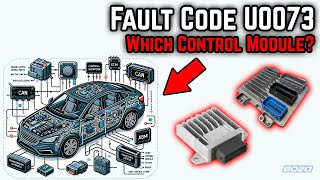
🎬 Watch: A breakdown of what the U0073 code really means.Symptoms You May Notice
- Multiple warning lights on the dashboard, often described as a 'Christmas tree' effect (Check Engine, ABS, Stabilitrak, Brake Light).
- "Service Power Steering" message appears and steering becomes very heavy.
- Gauges for speed, RPM, and temperature stop working or behave erratically.
- Automatic transmission may get stuck in one gear, often 1st or 3rd.
- Scan tool fails to communicate with the vehicle's computers or shows a long list of 'U' codes.
- Engine may not crank or start.
- HUD (Heads-Up Display) may change settings on its own.
- Oil pressure and coolant temp gauges may drop to zero instantly.
- Vehicle may buck or experience a sudden loss of engine power, as noted in NHTSA ODI #11244385.
- Failure to accelerate after the check engine light illuminates, a symptom described in NHTSA ODI #10763059.
- Replacing the Body Control Module (BCM) or Engine Control Module (ECM) without first thoroughly inspecting the wiring harness for heat damage or checking for a faulty aftermarket OBD-II device.
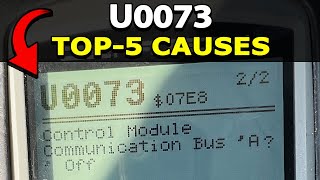
- Replacing random modules without performing a network diagnostic to isolate the specific point of failure. 🎬 See this walkthrough on how to fix U0073 trouble codes.
Most Likely Causes
- Damaged Engine Wiring Harness 🔴 High Probability → Shop Engine Wiring Harness The harness can be routed too close to the exhaust manifolds (especially aftermarket headers), causing heat damage that melts wires and creates shorts in the CAN bus circuit. The CAN wires (typically a twisted pair of Tan and Tan/Black wires) are part of this harness. Additionally, GM Service Bulletin 19-NA-225 identifies a chafe point where the harness can rub against the transmission housing below the EBCM, causing the same failure.
How to confirm: Visually inspect the entire engine wiring harness, paying close attention to any areas near the exhaust, particularly on the passenger side. Look for melted plastic conduit, exposed copper wires, or charring. Also inspect the harness where it passes over the top front of the transmission.
Typical fix: Repairing the damaged section of the harness by splicing in new wires and using high-temperature protective sleeving. In severe cases, the entire engine harness may need replacement.
Est. part cost: $20-$1500 - Weak or Failing Battery 🟡 Medium Probability → Shop Vehicle Battery Modern control modules are very sensitive to voltage. A battery that provides low voltage (below 12.4V at rest), especially during startup, can prevent modules from initializing correctly, causing a network shutdown. NHTSA ODI #10733263 describes a case where a vehicle with U0073 and other communication codes required multiple battery replacements.
How to confirm: Test the battery with a digital multimeter. A healthy battery should read at least 12.4V when the car is off and 13.7V-14.7V when running. Perform a load test for a definitive diagnosis. Check for corrosion on the trunk-mounted battery terminals.
Typical fix: Replace the vehicle's battery. Ensure terminals in the trunk are clean and tight.
Est. part cost: $150-$250 - Faulty Aftermarket OBD-II Device 🟡 Medium Probability Low-quality Bluetooth scanners or other plug-in devices can flood the CAN bus with bad data or create electrical interference, causing communication to drop.
How to confirm: If any device is plugged into the OBD-II port, remove it. Clear the codes and see if the problem returns. One Camaro owner on the Camaro5 forums reported this as the direct cause, with the problem vanishing after unplugging his Bluetooth scanner.
Typical fix: Unplug the device and discontinue its use.
Est. part cost: $0 - Faulty Control Module ⚪ Low Probability Any module on the high-speed CAN bus (ECM, BCM, EBCM, PSCM) can fail internally and bring down the entire network by shorting the bus or sending out corrupt data. NHTSA ODI #11518731 notes that a service representative confirmed OnStar modules can cause communication errors leading to U0073.
How to confirm: This requires a professional scan tool to see which modules are offline. The technician will then disconnect suspect modules one-by-one to see if communication is restored to the rest of the network. Measuring resistance between pins 6 and 14 at the OBD-II port should read 60 ohms; a reading of 120 ohms suggests a terminating resistor or module is offline, while a reading near 0 ohms suggests a shorted module.
Typical fix: Replace the failed module. New modules require programming by a dealer or a specialized shop with GM software.
Est. part cost: $300-$1200 - Poor Ground Connection or Damaged OBD-II Port ⚪ Low Probability
How to confirm: Inspect and clean the main battery ground, engine block grounds, and chassis grounds. Check for corrosion and ensure all connections are tight. Key grounds for network modules include G101 (left front of engine block, grounds ECM/TCM) and G103 (on the cowl above brake booster, grounds BCM/DLC). NHTSA ODI #11105156 highlights that random issues with the EBCM and Park Assist Module (U0073) were linked to identified ground faults.
Typical fix: Clean the contact surfaces of the ground connection and tighten the bolt or nut securely. Repair or replace any damaged pins in the OBD-II connector.
Est. part cost: $0-$50
Diagnosis Steps
- Check for and remove any aftermarket devices plugged into the OBD-II port.
- Test the battery voltage and charging system output. Ensure battery terminals are clean and tight. A running voltage below 13.0V could be a cause.
- Inspect all fuses related to control modules (ECM, BCM, TCM, ABS) in all three fuse box locations (under-hood, dash, trunk).
- Perform a detailed visual inspection of the engine wiring harness, focusing on areas near the exhaust manifolds/headers for signs of melting or chafing. Pay special attention to the passenger side. Also inspect the harness for chafing where it passes over the transmission housing, below the EBCM, as noted in GM bulletin 19-NA-225. 🎬 Watch: Where to look for common wire chafing and TSBs.
- Inspect the OBD-II port for any pins that look pushed in or damaged.
- With the battery disconnected, use a multimeter to measure the resistance between Pin 6 (CAN High) and Pin 14 (CAN Low) of the OBD-II port. A healthy network should read approximately 60 Ohms. A reading of 120 Ohms indicates an open circuit or a failed terminating resistor. A reading near 0 Ohms indicates a short circuit.
- If the basics check out, use a professional-grade scan tool (like GM's GDS2) to run the 'Data Bus Diagnostic Tool' function to identify which specific modules are not communicating.
- Inspect critical ground connections for corrosion and tightness, especially G101 (left front of engine block) and G103 (cowl, above brake booster).
- Based on the scan tool results, inspect the power, ground, and CAN bus wires at the connector of the first module that is offline. Check for water intrusion or corrosion.
- As a final diagnostic step, a technician may perform 'Module Isolation' by disconnecting suspect modules one-by-one (or pulling their fuses) to see if network communication is restored for the remaining modules, confirming the disconnected module is the source of the failure.
Parts You'll Likely Need
- Engine Control Module (ECM)
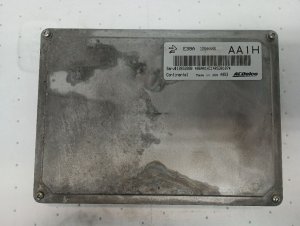
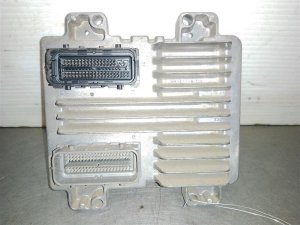
(OEM #12636355 (V6, 2010-11), 12620981 (V6, 2011), 12639900 (V8, 2011))— In some cases, the ECM can fail internally or develop loose pin connections, taking the network down.
Trusted brands: ACDelco, GM Genuine
OEM price range: $350-$700
Aftermarket price range: $250-$500 - Engine Wiring Harness
(OEM #22781444 (V8 Auto, 2012), 92238351 (V8 Manual, 2010-12))— If heat damage from the exhaust is severe, repairing individual wires may not be feasible, requiring a full harness replacement.
Trusted brands: GM Genuine
OEM price range: $800-$1500 - Battery — Low system voltage from a weak battery is a common cause of network communication faults.
Trusted brands: ACDelco, DieHard, Optima
OEM price range: $200-$280
Aftermarket price range: $150-$250
Related Codes That Often Appear With This One
- P0700 — This code means 'Transmission Control System Malfunction'. It often appears with U0073 because the ECM has lost communication with the Transmission Control Module (TCM).
- U0100 — This code means 'Lost Communication With ECM/PCM'. It will be logged by other modules on the network (like the ABS or BCM) when they can no longer hear from the engine computer.
- U0101 — This code means 'Lost Communication with TCM'. It is logged by other modules when they cannot communicate with the transmission control module.
- U0121 — This code means 'Lost Communication With Anti-Lock Brake System (ABS) Control Module'. It is logged when other modules cannot communicate with the ABS system (EBCM).
- B1325 — Device Power 1 Circuit Malfunction; sometimes found alongside U0073 when there are power supply issues to modules, as noted in NHTSA ODI #11105156.
Platform-Specific Known Issues
- The engine wiring harness is susceptible to melting if it comes into contact with or is routed too close to aftermarket headers.
- Some owners have reported that low-quality Bluetooth OBD-II dongles can disrupt the CAN bus and set a U0073 code.
- Water intrusion into the transmission harness connector has been noted as a cause for network failure on similar GM platforms.
Mechanic-Grade Diagnostic Values
- CAN Bus Resistance — expected: Approximately 60 Ohms. Failure: A reading of 120 Ohms indicates an open circuit or a missing terminating resistor. A reading near 0 Ohms indicates the CAN High and Low wires are shorted together.
- CAN Bus Voltage (Idle State) — expected: Approximately 2.5V on both CAN High (Pin 6) and CAN Low (Pin 14). Failure: Significant deviation from 2.5V at rest can indicate a short to power or ground on one of the lines.
- CAN Bus Voltage (Active Communication) — expected: CAN High toggles to ~3.5V, CAN Low toggles to ~1.5V. Failure: A flat line or lack of voltage swing on either wire indicates a communication failure, requiring an oscilloscope to properly diagnose.
Scan Tool Commands That Help
- GDS2 (GM Global Diagnostic System 2): Data Bus Diagnostic Tool — This is the primary function to poll the network and generate a list of all modules, showing which are communicating and which are not. It is the first step in isolating a network-wide failure.
- GDS2 / Professional Scan Tool: Module Isolation (Diagnostic Strategy) — This is a manual process, not a single command. If the CAN bus resistance is incorrect (0 or 120 ohms), the technician disconnects modules one-by-one (often by pulling their respective fuses) while monitoring the scan tool or resistance reading. When communication is restored or resistance returns to 60 ohms, the last module disconnected is identified as the faulty one.
Wiring & Ground Locations
- G101 — Located at the left front of the engine, on the lower block.. This ground serves the Engine Control Module (ECM) and Transmission Control Module (TCM). A poor connection here can directly cause communication loss from these critical modules.
- G103 — Located at the left rear of the engine compartment on the cowl, above the brake booster.. This ground serves the Body Control Module (BCM), Instrument Panel Cluster (IPC), and the Data Link Connector (DLC) itself. A fault here can prevent a scan tool from communicating and cause widespread issues.
- Data Link Resistor — A wiring diagram for the 2011 Camaro indicates a standalone 'Data link resistor' is located in the right quarterpanel.. This is one of the two 120-ohm terminating resistors for the High-Speed CAN bus (the other is in the ECM). If this resistor fails or its wiring is damaged, the bus resistance will read 120 ohms instead of 60, causing network instability.
- Harness Chafe Point (TSB 19-NA-225) — The engine wiring harness where it passes over the top front of the transmission, directly below the Electronic Brake Control Module (EBCM).. GM has officially identified this as a location where the harness can rub through on the transmission case, shorting wires (including CAN bus wires) and causing code U0073.
Real Owner Repair Stories
- Camaro5 Forums (2013 2SS/RS Convertible) — ABS light, BRAKE light, traction control light all on. 'Service Power Steering' message and heavy steering. Code U0073 present.
❌ Tried (didn't work) The user initially suspected an issue related to a recent header and tune installation.
✅ What actually fixed it The problem occurred three separate times, and each time, a Bluetooth OBD-II scanner was plugged in and logging data. The user removed the scanner and the problem did not reoccur, identifying the aftermarket device as the cause of the network disruption. - Camaro5 Forums (5th Gen Camaro with aftermarket headers) — Car fell on its face and quit, check engine light on, multiple codes, then no fuel pressure and no-start.
❌ Tried (didn't work) Clearing codes would allow the car to start for a second before dying again.
✅ What actually fixed it The owner found the main engine harness on the passenger side had been resting on a header tube. After cutting the harness open, they discovered 4-7 wires had melted and fused together. Repairing the melted wires and securing the harness away from the heat source was the fix. - GM Technical Service Bulletin 19-NA-225 (2010-2015 Chevrolet Camaro) — MIL illuminated, stalling, ESC/Traction Control messages, and a list of 'U' codes including U0073, U0100, U0121.
❌ Tried (didn't work) Replacing individual modules without identifying the root cause.
✅ What actually fixed it The bulletin identifies the cause as the engine harness chafing against the top front of the transmission, below the EBCM. The official fix is to inspect this area, repair any damaged wires, and re-secure the harness away from the contact point using tape and proper routing.
Model Year Variations Within This Range
- 2010-2015: While the core CAN bus architecture is consistent, V6 (LLT/LFX) and V8 (LS3/L99) models use different engine wiring harnesses and ECMs with unique part numbers. However, the diagnostic approach for U0073, including checking for harness heat damage and poor grounds, remains the same across all engine types within this generation.
Diagnostic Flowchart
Other Known Issues on This Vehicle
Issues unrelated to this code that are worth knowing about as an owner of this generation:
- Premature Timing Chain Wear (V6 LLT Engine) 🔴 High — Common on 2010-2011 V6 models (LLT engine). Often attributed to extended oil change intervals and short-trip driving. Can occur from 30,000-60,000 miles. (Ref: GM extended warranty coverage for this specific issue under program 11340C.)
- Torque Converter Shudder (A8 Automatic) 🟠 Medium — Affects later models in this generation with the 8-speed automatic, causing a vibration or shudder at steady speeds (40-50 mph). (Ref: TSB 18-NA-355 advises a transmission fluid flush with an updated fluid type. In some cases, torque converter replacement is required.)
- A/C System Failure 🟠 Medium — Failures of the A/C condenser or the in-dash HVAC control module are reported. The condenser is prone to damage from road debris.
- Key Stuck in Ignition / Shifter Interlock Failure 🟡 Low — Some owners of automatic models report being unable to remove the key from the ignition due to a faulty shifter interlock mechanism. (Ref: A recall (14294) was issued for a related issue where the driver's knee could bump the key fob and turn off the engine.)
- Oil Cooler Gasket Leak (V8 SS Models) 🟠 Medium — A coolant leak may develop from the driver's side of the engine, often after 50,000 miles, due to a failed oil cooler gasket. (Ref: TSB PIP4735D addresses this specific leak.)
Used vs. New Parts: Buying Guide for This Vehicle
When a used part is the smart pick: For a full engine wiring harness replacement, a used part from a low-mileage, non-wrecked donor car can be a cost-effective option, as OEM harnesses can be very expensive or discontinued. Control modules (ECM, BCM, EBCM) can also be purchased used, but this is only recommended if you have access to GM programming tools (GDS2) as they are VIN-locked and require programming to function.
Donor-vehicle mileage cap: roughly under 75000 miles for the part to have meaningful remaining life.
What to inspect on the donor part:
- For a wiring harness, inspect the entire length for any signs of previous repair, melted conduit, brittle connectors, or chafing, especially near exhaust and transmission contact points.
- Ensure all connector locking tabs are intact and not broken.
- For control modules, check for any signs of water damage, corrosion on the pins, or physical damage to the case.
- Verify the part number on the used module exactly matches the original or a known compatible replacement.
OEM-only on this vehicle (don't cheap out):
- Engine Wiring Harness: While a good used OEM harness is an option, aftermarket harnesses are generally not recommended due to potential quality control issues with wire gauge, terminal crimps, and connector quality that can create new, hard-to-diagnose network problems.
Aftermarket brands forum-validated for this vehicle:
- For batteries, brands like ACDelco (OEM), Optima, and DieHard are consistently recommended by owners.
Brands owners have reported issues with on this vehicle:
- Cheap, no-name Bluetooth OBD-II scanners have been directly linked to causing this code and should be avoided.
Real Owner Stories
Aggregated from forums and TSBs cited above. Mileages and costs reflect what owners reported in those sources.
2010-2015 Chevrolet Camaro
Symptoms: The owner experienced a U0073 code and a sudden power steering failure. The issue was traced back to a device plugged into the diagnostic port.
What fixed it: Unplugging a Bluetooth OBD-II scanner from the port and clearing the codes.
Source hint: https://www.camaro5.com/forums/showthread.php?t=422735 - A detailed thread where the original poster discovers their Bluetooth OBD-II scanner was the cause of the U0073 code and associated power steering failure.
2010-2015 Chevrolet Camaro
Symptoms: U0073 code appeared shortly after the owner performed modifications to the vehicle's exhaust system.
What fixed it: Inspection revealed a damaged pin inside the OBD-II port itself.
Source hint: https://www.camaro5.com/forums/showthread.php?t=522851 - A user reports a U0073 code after modifying their exhaust, and another user points out a damaged pin in the OBD-II port as a potential cause.
2010-2015 Chevrolet Camaro
Symptoms: Multiple warning lights on the dash and a U0073 code. The owner checked the charging system and found the alternator was only putting out 12.5V.
What fixed it: The owner was advised to address the low battery/charging voltage, as 12.5V from the alternator is insufficient for the sensitive control modules.
Source hint: https://www.camaro5.com/forums/showthread.php?t=580822 - An owner with U0073 and multiple warning lights is advised to check battery voltage, with their reported 12.5V from the alternator being flagged as too low.
Documented NHTSA Reports
NHTSA ODI #11244385
Symptoms: An owner reported that the vehicle would throw codes P0700, U0073, and U1000, resulting in a loss of engine power, the Stabilitrak light illuminating, and the odometer and RPM gauges behaving erratically.
What fixed it: This report highlights the severe driveability symptoms associated with network failure.
NHTSA ODI #10763059
Symptoms: A driver experienced a situation where the vehicle did not accelerate and the check engine light came on with codes U0121 and U0073.
What fixed it: The mechanic noted that a product safety notice (#14515B) had been issued for this type of problem.
NHTSA ODI #11105156
Symptoms: Diagnostic codes showed random issues with the Electronic Brake Control Module (C0710), Park Assist Module (U0073, B1325), and Passenger Presence System (B1000).
What fixed it: The failure was ultimately linked to identified ground faults.
Related OBD-II Codes
Frequently Asked Questions
Does GM Service Bulletin 19-NA-225 apply to my 2010-2015 Camaro's U0073 code?
Can my Bluetooth scan tool actually cause the 'Service Power Steering' message and U0073 code?
I just installed aftermarket headers and now have a U0073 code; what should I check?
Where are the main ground connections I should check on my Camaro to fix communication codes?
Why did my gauges drop to zero and my transmission get stuck in gear at the same time?
What resistance should I see when testing the OBD-II port for network health?
Helpful Videos


Used OEM Parts in Stock
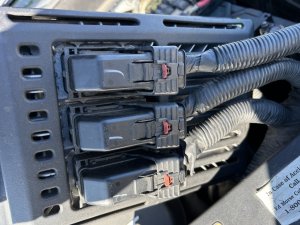
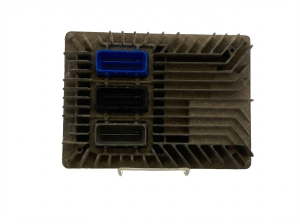
New Aftermarket Parts Available

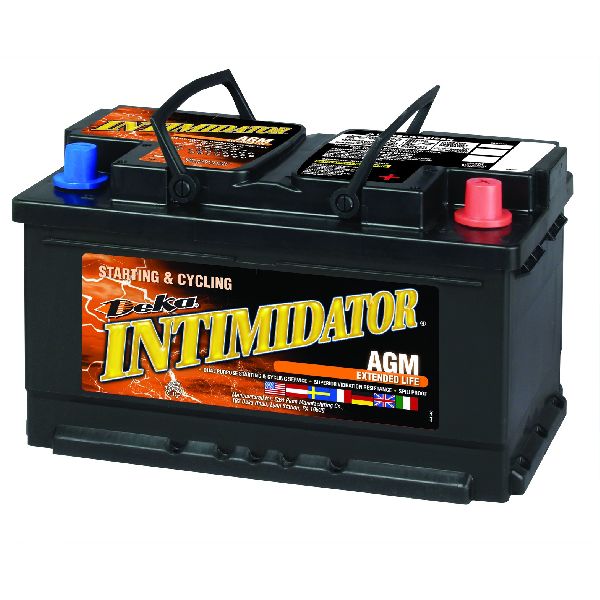


The information in this article is provided for general reference and educational purposes only. Vehicle specifications, procedures, and part compatibility can vary by production date, trim level, and region. Always consult your vehicle's factory service manual and verify part numbers before purchasing or performing repairs. Safety-critical components such as airbags, seat belts, and braking systems should be installed by a qualified professional.
- Chevrolet Camaro:
- 🧭 Diagnostic Flowchart
- 🎬 Helpful Videos
- 🛍️ Shop This Part
- What's Unique About the 2010-2015 Chevrolet Camaro
- Symptoms You May Notice
- Most Likely Causes
- Diagnosis Steps
- Parts You'll Likely Need
- Related Codes That Often Appear With This One
- Platform-Specific Known Issues
- Mechanic-Grade Diagnostic Values
- Scan Tool Commands That Help
- Wiring & Ground Locations
- Real Owner Repair Stories
- Model Year Variations Within This Range
- Other Known Issues on This Vehicle
- Used vs. New Parts: Buying Guide for This Vehicle
- Real Owner Stories
- 2010-2015 Chevrolet Camaro
- 2010-2015 Chevrolet Camaro
- 2010-2015 Chevrolet Camaro
- Documented NHTSA Reports
- NHTSA ODI #11244385
- NHTSA ODI #10763059
- NHTSA ODI #11105156
- Related OBD-II Codes
- Frequently Asked Questions
- 🎟️ Get 5% Off