

U0073 on 2011-2015 Chevrolet Cruze: Causes, Symptoms, and Fixes for Communication Loss
On a 2011-2015 Cruze, code U0073 is most often caused by a faulty negative battery cable with a bad factory crimp, a known issue covered by GM Special Coverage #14311B. This defect creates high internal resistance, starving modules of power. Replacing this cable (~$30 aftermarket, ~$50 OEM) is the most likely fix.
- Before any other diagnosis, inspect the negative battery cable. It is the most likely cause of U0073 on a 2011-2015 Cruze.
- Check with a GM dealer to see if your vehicle is covered under Special Coverage #14311B for a free repair.
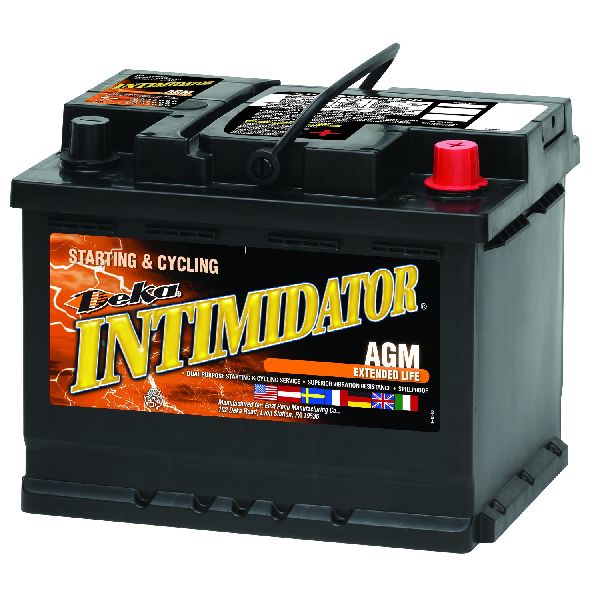
- A weak or old battery can also cause this code; test the battery's health before replacing other parts.
- This code indicates a network failure, so symptoms will be widespread and seemingly unrelated, affecting everything from the radio to the power steering.
- Replacing the negative battery cable is a simple, inexpensive DIY job that solves the problem in most cases.
What's Unique About the 2011-2015 Chevrolet Cruze
The first-generation Chevrolet Cruze is notorious for a specific electrical flaw that directly causes this code. General Motors issued a Special Coverage bulletin (#14311B) for an improperly crimped negative battery cable terminal. The bulletin states the clamp has an "insufficient crimp," which creates high internal resistance over time. This unstable voltage and poor ground reference starves the vehicle's sensitive electronic modules of the consistent power they need to communicate. This single, well-documented issue is the most probable cause of U0073 and a cascade of other electrical problems on this specific vehicle, often making diagnosis simpler than on other cars where the cause is less obvious.
Symptoms You May Notice
- Check Engine Light is on
- Service Stabilitrak, Service Traction System, or ABS warning lights appear
- Instrument cluster gauges drop to zero or display dashes
- Radio or HVAC display turns off and on intermittently ('black screen')
- Loss of power steering assist, especially at low speeds
- Engine may stall, have a rough idle, or fail to start
- Transmission may feel like it's stuck in one gear (limp mode)
- Turn signal clicking sound may disappear or be intermittent
- "Battery Saver Active" message on Driver Information Center (DIC)
- Key may get stuck in the ignition
- Power door locks may operate erratically
- Replacing the ECM or BCM without first confirming the battery and negative battery cable are good.
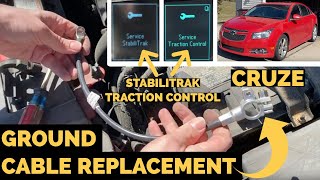
- Chasing individual symptoms (like a faulty radio or power steering failure) 🎬 Watch: How this cable fix solves radio and Stabilitrak issues. without realizing they are part of a larger network communication problem.
- Replacing the alternator when the battery is not charging correctly, when the root cause is the high resistance in the negative battery cable preventing a proper ground reference.
Most Likely Causes
- Defective Negative Battery Cable 🔴 High Probability → Shop Vehicle Battery A factory defect in the terminal crimp is a well-documented issue covered by GM Special Coverage #14311B. The crimp fails over time, creating high internal resistance and causing voltage drops that disrupt module communication.
How to confirm: First, check if GM Special Coverage #14311B is still active for your VIN (10 years/120,000 miles from in-service date). Visually inspect the negative battery terminal for looseness or corrosion. The definitive test is a voltage drop test: place one multimeter lead on the negative battery post and the other on the cable's chassis ground point. With the engine cranking, a reading greater than 0.2-0.5 volts indicates a bad cable.
Typical fix: Replace the entire negative battery cable assembly. 🎬 Watch: Step-by-step walkthrough for replacing the negative battery cable. The revised OEM part and aftermarket replacements eliminate the original ground stud on the terminal, requiring a separate M6 bolt to secure a secondary ground wire.
Est. part cost: $25-$60 - Weak or Failing Battery 🟡 Medium Probability → Shop Vehicle Battery
How to confirm: Test the battery with a multimeter or a dedicated battery tester. A resting voltage below 12.4V indicates a weak battery. The battery must hold a charge and pass a load test, as low voltage is a common trigger for communication codes.
Typical fix: Recharge or replace the battery.
Est. part cost: $150-$250 - Failed PCV System (Primarily 1.4L & 1.8L Engines) ⚪ Low Probability The PCV valve is integrated into the valve cover and is a common failure point. A ruptured internal diaphragm creates a massive vacuum leak.
How to confirm: With the engine running, listen for a loud hissing or sucking sound from the top of the engine. A severe vacuum leak can cause the engine to idle very low and erratically, leading to a voltage drop that can trigger communication codes as a secondary effect.
Typical fix: Replace the entire valve cover assembly. 🎬 See how to replace the valve cover and PCV system.
Est. part cost: $80-$150
Rare But Worth Checking
- Damaged CAN Bus Wiring: Physical damage to the twisted pair of CAN bus wires from previous repairs, rodent damage, or chafing can interrupt the network. Common chafe points include the harness near the battery tray, under the fuse box, and where it passes through the firewall.
- Faulty Control Module: A single module (e.g., BCM, EBCM/ABS, TCM) can fail internally and disrupt the entire communication network by shorting the bus or failing to respond. This usually requires advanced diagnostics, like measuring the 60-ohm resistance across pins 6 and 14 of the OBD-II port, to isolate the specific module that is offline or causing interference.
- Aftermarket Accessories: Improperly installed aftermarket parts, such as remote starters or stereo systems, can introduce electrical noise or interfere with the CAN bus, triggering a U0073 code.
Diagnosis Steps
- Check for GM Special Coverage #14311B. Contact a GM dealer with your VIN to see if the free repair for the negative battery cable is still applicable (10 years/120,000 miles).
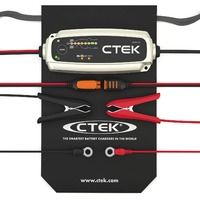
- Test the Battery. Ensure the battery is fully charged (above 12.4V) and passes a load test. A weak or failing battery is a primary cause of communication codes.
- Inspect and Test the Negative Battery Cable. This is the most likely culprit. Carefully examine the terminal clamp. Perform a voltage drop test between the negative battery post and a clean chassis ground while an assistant cranks the engine. A reading above 0.2V confirms high resistance in the cable. If in doubt, replace it.
- Inspect All Major Power and Ground Connections. Check the positive battery cable, alternator connections, and the main engine/chassis ground points for tightness and corrosion.
- Scan for All Codes. Use a scan tool capable of reading codes from all modules (ECM, BCM, ABS, TCM). Note which modules are not communicating to help isolate the fault.
- Check for Vacuum Leaks (1.4L/1.8L). Listen for a loud hissing noise from the valve cover, which could indicate a failed PCV system causing low, unstable idle and subsequent voltage drops.
- Inspect CAN Bus Wiring. Visually inspect the main wiring harnesses for any signs of physical damage, corrosion in connectors, or water intrusion, particularly in the driver's kick panel, near the fuse box, and at the EBCM connector.
- Check CAN Bus Resistance (Advanced). With the battery disconnected, use a multimeter to measure the resistance between Pin 6 (CAN High) and Pin 14 (CAN Low) on the OBD-II port. A healthy network should read approximately 60 Ohms. A reading of 120 Ohms suggests a break in the wiring or a missing terminating resistor, often in the EBCM or another module.
Parts You'll Likely Need
- Negative Battery Cable
(OEM #22754271)— This is the most common cause of code U0073 on this vehicle due to a known factory defect in the original cable's crimp.
Trusted brands: ACDelco (GM Genuine), Standard Motor Products (A16-4RDN), Dorman
OEM price range: $40-$60
Aftermarket price range: $25-$45 - M6x1.0 Flange Bolt
(OEM #11561025)— The revised negative battery cable design requires this bolt to attach a secondary ground wire to the new terminal, as the original stud was eliminated. Many DIY repair videos mention this is a required part.
Trusted brands: GM, Generic hardware store bolt
OEM price range: $3-$8
Aftermarket price range: $1-$3
Related Codes That Often Appear With This One
- U0100 — Lost Communication with ECM/PCM. This code often appears with U0073 because if the main bus is down, communication with the engine controller is one of the first things to be lost.
- U0140 — Lost Communication with Body Control Module. The BCM is a central hub for many vehicle functions, and its loss is common when the CAN bus fails.
- U0121 — Lost Communication With Anti-Lock Brake System (ABS) Control Module. The ABS module is a key node on the network, and its failure to communicate will also trigger Stabilitrak warnings.
- B1325 — System Voltage Below Threshold. This code is often a direct result of the faulty negative battery cable, confirming that modules are losing power and triggering the U0073.
Technical Service Bulletins (TSBs) & Recalls
- 14311B: Special Coverage Adjustment – Negative Battery Cable Loose. This document describes the known issue with the battery cable, its symptoms ('Radio/HVAC Display may turn off and on', 'Service Stabilitrac' messages), and the procedure for replacement at no charge within the coverage period.
Platform-Specific Known Issues
- GM Special Coverage #14311B: Issued for an insufficient crimp on the negative battery cable terminal, causing high resistance and inadequate power to vehicle modules. This is the primary cause of network communication faults on the 2011-2015 Cruze. The coverage lasts for 10 years or 120,000 miles from the vehicle's original in-service date.
- Real Owner Repair Story: On CruzeTalk.com, a user described the classic symptoms: 'Service Stabilitrak' and 'Service Power Steering' messages, with the radio cutting out. After replacing the battery with no success, they replaced the negative battery cable. The user reported all issues were immediately resolved, confirming it as the definitive fix. This experience is echoed by dozens of other owners on forums and is considered the first and most crucial diagnostic step for these symptoms on a first-generation Cruze.
Mechanic-Grade Diagnostic Values
- CAN Bus Network Resistance — expected: ~60 Ω. Failure: A reading of ~120 Ω indicates an open circuit or a failed terminating resistor in a module. A reading near 0 Ω indicates a short between the CAN High and CAN Low wires.
- CAN High Voltage (Key On, Engine Off) — expected: 2.5V - 3.5V. Failure: Voltage that is flatlined, stuck high, or stuck low indicates a bus failure or short.
- CAN Low Voltage (Key On, Engine Off) — expected: 1.5V - 2.5V. Failure: Voltage that is flatlined, stuck high, or stuck low indicates a bus failure or short.
- System Voltage (Engine Running) — expected: 13.8V - 14.5V. Failure: Voltage below 13.2V or fluctuating wildly can indicate a failing alternator, which can cause communication codes due to unstable power.
Scan Tool Commands That Help
- GDS2 (GM Techline): Network Communication Status — This is a critical diagnostic step when U0073 is present. It allows the technician to view each CAN bus individually and see a list of all expected modules, showing which ones are communicating and which are not. This quickly isolates a 'silent' module that may be the source of the bus failure.
- GDS2 (GM Techline): Clear All DTCs — After a repair attempt, or as a diagnostic step. By clearing codes from all modules simultaneously and then re-scanning, the first code to reappear can often point to the originating module or circuit.
Wiring & Ground Locations
- CAN Bus Terminating Resistors — The High-Speed GMLAN bus has two 120 Ω terminating resistors. One is typically located within the Engine Control Module (ECM) and the other is within the Electronic Brake Control Module (EBCM/ABS).. The two resistors in parallel create the 60 Ω resistance seen on a healthy bus. If one of these modules fails or its connector is compromised, the bus resistance will jump to 120 Ω, causing a communication failure and setting U0073.
- G104 — On the engine block, near the starter motor.. This is a primary engine ground. A loose or corroded G104 can cause a host of issues, including unstable power to the ECM, which can disrupt CAN communication.
- G112 — On the left side of the engine compartment, on the frame rail near the battery.. This is the main chassis ground point for the negative battery cable. The failure of the cable's crimp is the #1 cause of U0073, and this is its termination point. Ensuring this connection is clean and tight is critical.
- G201 / G204 — Inside the vehicle, under the carpet near the base of the A-pillar. G201 is for Left-Hand Drive (LHD) and G204 is for Right-Hand Drive (RHD).. This is a major interior ground point for multiple modules and components inside the cabin, including the instrument panel. A poor connection here can cause erratic behavior of interior electronics.
- X2 Connector on BCM — The Body Control Module (BCM) is located under the center of the dashboard. It has multiple large connectors, labeled X1, X2, etc.. The BCM is a central hub for multiple networks. Pin 2 of the X2 connector is a primary ground for the BCM. Water leaks from the cowl or windshield can drip onto the BCM and corrode its connectors, causing a network failure.
Real Owner Repair Stories
- Reddit user in r/cruze (2013 Chevrolet Cruze) — Code 89 (service vehicle soon), battery light, check engine light with U0073, entire electrical system going weird (flickering on and off).
❌ Tried (didn't work) An electrician initially bypassed a blown main fuse, which led to a melted bypass wire and a shorted alternator cable.
✅ What actually fixed it The owner replaced the alternator, the melted positive cable from the alternator to the battery fuse box, and the battery top fuse box itself. The U0073 code appeared once after the repair and then cleared, indicating it was triggered by the severe voltage instability from the failed components. - Reddit user in r/cruze (Chevrolet Cruze (year not specified)) — Voltage readings all over the place, lights dimming and flickering, hard starts, hard shifting, subwoofers cutting out.
❌ Tried (didn't work) N/A, owner correctly diagnosed the issue.
✅ What actually fixed it The owner replaced the entire alternator, suspecting a bad internal voltage regulator. This resolved all symptoms of electrical instability, which are common precursors to communication codes like U0073. - NHTSA ODI #10566655 — An owner reported that their gauges went "nuts" and the vehicle started shifting hard. While a dealership initially replaced terminals, the U0073 code returned the following day.
- NHTSA ODI #10733263 — One owner experienced a check engine indicator with codes P069E, P0700, U0073, and U0100, and despite replacing the battery twice, the vehicle required towing to the dealership multiple times.
Documented NHTSA Reports
- NHTSA ODI #11244385: A report describes a vehicle throwing codes P0700, U0073, and U1000, resulting in a loss of engine power, bucking, and erratic odometer/RPM gauge behavior while the Stabilitrak and check engine lights illuminated.
- NHTSA ODI #11105156: A diagnostic scan showed random issues with the Electronic Brake Control Module (C0710), Park Assist Module (U0073, B1325), and Passenger Presence System (B1000), which were linked to grounding issues.
- NHTSA ODI #11673769: A report notes sudden stiff steering or steering wheel locking accompanied by "Service Power Steering" or "Stabilitrak" warnings and codes including U0073, U0101, and C0545.
OEM Part Supersession History
95995010, 95460238, 95281536→22754271— The original parts had an insufficient crimp on the negative terminal, leading to high resistance over time. The superseding part number features a revised design to correct this flaw.
Heads up: The revised cable (22754271) eliminates the small ground stud on the terminal clamp. The secondary ground wire that attached to this stud must now be secured to the new clamp using a separate M6x1.0 bolt (GM P/N 11561025).
Model Year Variations Within This Range
- 2014-2015: A 2.0L turbodiesel engine option was introduced. While the engine is different, it uses the same GMLAN communication architecture and is still susceptible to the U0073 code from the same root causes, especially the negative battery cable.
- 2015: The 2015 model year received a facelift with revised front-end styling and updated infotainment, including OnStar with 4G LTE. This primarily affects the radio and display modules but does not change the fundamental diagnosis for a U0073 code related to the core vehicle communication bus.
Diagnostic Flowchart
Used vs. New Parts: Buying Guide for This Vehicle
When a used part is the smart pick: For expensive electronic modules like the Body Control Module (BCM), Engine Control Module (ECM), or Electronic Brake Control Module (EBCM), a used part from a reputable salvage yard can offer significant savings. However, these modules are often VIN-locked.
Donor-vehicle mileage cap: roughly under 50000 miles for the part to have meaningful remaining life.
What to inspect on the donor part:
- Verify the part number matches exactly.
- Inspect connectors for any signs of corrosion, moisture, or bent pins.
- Obtain the VIN from the donor vehicle to check for compatibility and recall history.
- Ensure the donor vehicle was not involved in a flood or fire.
OEM-only on this vehicle (don't cheap out):
- Negative Battery Cable: The OEM part is revised to fix the original defect and is inexpensive. It is strongly recommended to use a new OEM or high-quality aftermarket replacement rather than a used one, which will likely have the same defect.
Aftermarket brands forum-validated for this vehicle:
- ACDelco (GM Genuine for the battery cable)
- Standard Motor Products (for battery cable)
- Dorman (for battery cable and some connectors)
Brands owners have reported issues with on this vehicle:
- No specific brands are consistently cited as problematic for this repair, but ultra-low-cost, unbranded electronic modules from online marketplaces should be avoided due to high failure rates and potential programming issues.
Real Owner Stories
Aggregated from forums and TSBs cited above. Mileages and costs reflect what owners reported in those sources.
2011-2015 Chevrolet Cruze
Symptoms: 'Service Stabilitrak' and 'Service Power Steering' messages, with the radio cutting out.
What fixed it: After replacing the battery with no success, they replaced the negative battery cable, which immediately resolved all issues.
Source hint: vehicle_specific_issues: Real Owner Repair Story from CruzeTalk.com
2011 Chevrolet Cruze 1.4L/1.8L
Symptoms: Rough-idle, occasional stalling. SES light, stabilitrak light comes on with a near stall event.
What fixed it: Replace valve cover. The owner determined all issues stemmed from a bad PCV valve integrated into the cover.
Source hint: owner_reports: youtube_comment from Venturi2012
Related OBD-II Codes
Frequently Asked Questions
My 2012 Cruze is showing 'Service Stabilitrak' and the radio is cutting out. Is there a recall for this?
I have a U0073 code. Should I replace the battery first?
I'm replacing the negative battery cable myself. Is the new part a direct swap?
My 1.4L Cruze is idling very rough and stalling, and now I have a U0073 code. Are these issues related?
How can I definitively test the negative battery cable before buying a new one?
I have a 2014 Buick Verano with the same symptoms and U0073 code. Does this Cruze information apply?
Helpful Videos
We Have This Part in Stock


The information in this article is provided for general reference and educational purposes only. Vehicle specifications, procedures, and part compatibility can vary by production date, trim level, and region. Always consult your vehicle's factory service manual and verify part numbers before purchasing or performing repairs. Safety-critical components such as airbags, seat belts, and braking systems should be installed by a qualified professional.
- Chevrolet Cruze:
- 🧭 Diagnostic Flowchart
- 🎬 Helpful Videos
- 🛍️ Shop This Part
- What's Unique About the 2011-2015 Chevrolet Cruze
- Symptoms You May Notice
- Most Likely Causes
- Rare But Worth Checking
- Diagnosis Steps
- Parts You'll Likely Need
- Related Codes That Often Appear With This One
- Technical Service Bulletins (TSBs) & Recalls
- Platform-Specific Known Issues
- Mechanic-Grade Diagnostic Values
- Scan Tool Commands That Help
- Wiring & Ground Locations
- Real Owner Repair Stories
- Documented NHTSA Reports
- OEM Part Supersession History
- Model Year Variations Within This Range
- Used vs. New Parts: Buying Guide for This Vehicle
- Real Owner Stories
- 2011-2015 Chevrolet Cruze
- 2011 Chevrolet Cruze 1.4L/1.8L
- Related OBD-II Codes
- Frequently Asked Questions
- 🎟️ Get 5% Off