

U0073 on 2017-2020 Genesis G80: Control Module Communication Failure Causes and Fixes
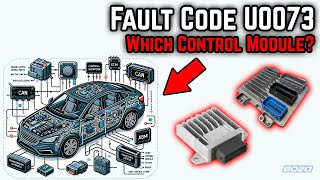
Code U0073 on a 2017-2020 Genesis G80 means a critical communication network (CAN bus) has failed, often due to a weak battery, wiring harness damage, or a single faulty electronic module like the ABS or Smart Junction Box. This triggers a cascade of warning lights and system failures. Diagnosis is complex and usually requires professional tools to isolate the source.
- U0073 is a serious network communication failure. Do not drive the vehicle until it is repaired.
- Diagnosis is complex and best left to a professional with advanced diagnostic tools.
- Before suspecting expensive modules, always check the basics first: battery health, fuses, and visible wiring damage.
- A single faulty module can bring down the entire network. A professional can identify the specific module causing the issue.
- If you have recently installed any aftermarket electronics, disconnect them first as they are a known source of interference.
What's Unique About the 2017-2020 Genesis G80
For the Genesis G80, which is packed with advanced electronics, a CAN bus failure like U0073 can cause a cascade of warning lights and system malfunctions. While the root causes are often universal (wiring, modules, voltage), owner experiences and recall data for this platform point towards specific vulnerabilities. A notable recall (NHTSA 21V160000) for the 2017-2020 G80 involved the ABS module short-circuiting, which can take down the entire CAN network and even pose a fire risk. Additionally, the main interior fuse box, known as the Smart Junction Box (SJB), is a complex computer that can cause network-wide failures and parasitic battery drain when it malfunctions. A Reddit user with a 2018 G80 3.3T reported experiencing multiple module failures that were ultimately traced to a faulty engine wiring harness, requiring a complete replacement.
Symptoms You May Notice
- Check Engine Light is on
- Multiple other warning lights illuminated (ABS, Traction Control, Airbag, EPS)
- Vehicle will not start or stalls while driving
- Erratic or harsh transmission shifting
- Gauges on the instrument cluster stop working or behave erratically
- Loss of power features like windows, locks, or radio
- Outside temperature display blinking
- Complete loss of power that may resolve after sitting
- Inoperative infotainment or climate control screen
- Replacing the ECM or another expensive module without first performing a full network diagnosis. The code often points to a network-wide problem, which could be caused by a much cheaper component, a weak battery, or a simple wiring issue.
- Replacing the battery without performing a load test or checking the alternator's output. A new battery can be quickly drained by a faulty alternator or a parasitic draw from a failing module like the Smart Junction Box.
Most Likely Causes
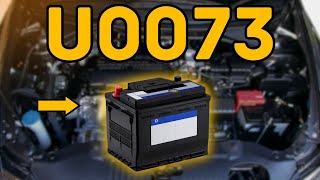
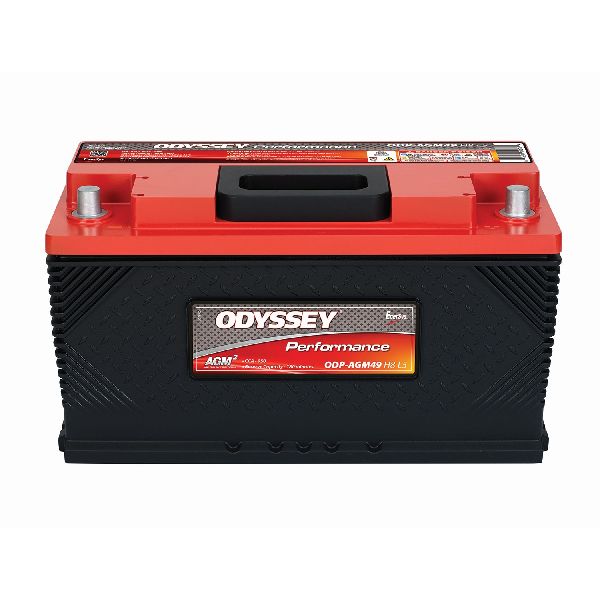
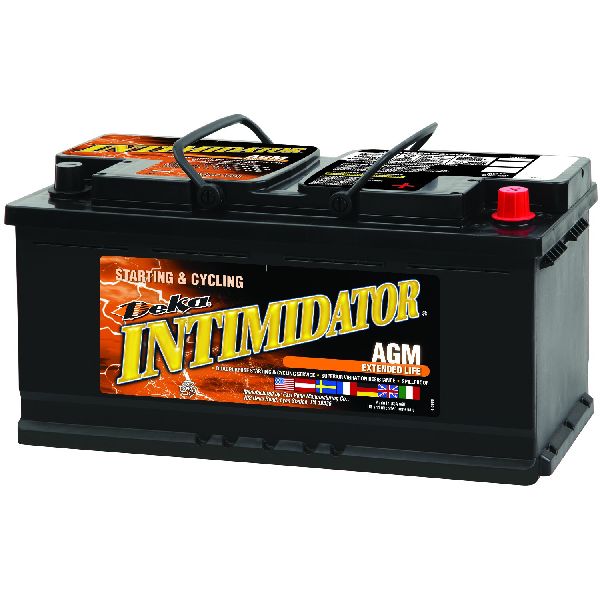
- Weak or Failing Battery / Poor Ground Connection 🔴 High Probability → Shop Vehicle Battery Modern vehicles like the G80 are extremely sensitive to system voltage. A weak battery, poor charging from the alternator, or a corroded ground connection can cause modules to drop off the network, especially during startup. Owners have reported that replacing an aging OEM battery with a high-quality AGM battery can resolve intermittent electrical gremlins.
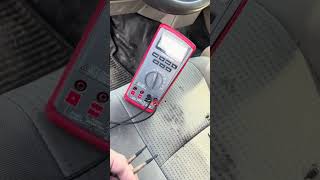
How to confirm: Test the battery voltage with a multimeter; it should be above 12.4V with the engine off. Check the charging system to ensure the alternator is providing 13.8-14.5V when running. Inspect main battery terminals and chassis ground points for tightness and corrosion. A load test is the most definitive way to confirm battery health.
Typical fix: Recharge or replace the battery. Clean and tighten all battery and ground connections.
Est. part cost: $150-$400 - Damaged or Corroded CAN Bus Wiring 🟡 Medium Probability Wiring harnesses can be susceptible to damage from vibrations, heat, rodent intrusion, or previous repairs. A Reddit user with a 2018 G80 3.3T reported a U0073-related issue where the entire engine wiring harness had to be replaced to fix the problem. Connectors can also corrode from moisture, disrupting the network.
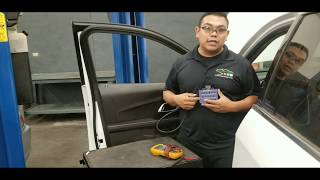
How to confirm: Visually inspect the main wiring harnesses, particularly where they pass through the firewall, under the carpets, and around the engine bay and fuse boxes. Check for chafed wires, corrosion in connectors, or signs of rodent damage. A multimeter can be used to check for 60 ohms of resistance between the CAN High (Pin 6) and CAN Low (Pin 14) pins at the OBD-II port (with the battery disconnected). 🎬 See how to test a CAN bus network with a multimeter
Typical fix: Repair the damaged section of wire or replace the corroded connector. In severe cases, a portion of the wiring harness or the entire harness may need to be replaced.
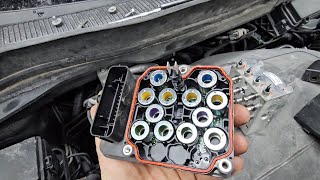
Est. part cost: $10-$2000 - Faulty Control Module (e.g., ABS, SJB) 🟡 Medium Probability An internal short in any single module can disrupt the entire network. For the 2017-2020 G80, the ABS module is a known failure point, subject to a recall (NHTSA 21V160000) 🎬 Watch: A time-saving trick for replacing the ABS module for an internal short that could cause a fire. The Smart Junction Box (interior fuse box) is another common culprit for causing widespread electrical issues.
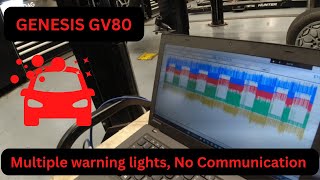
How to confirm: This requires an advanced scan tool to see which modules are not responding on the network. A common professional technique is to disconnect modules one by one (starting with the most likely culprits like the ABS module) to see if communication is restored to the rest of the network.
Typical fix: Replace the faulty module. The new module will likely require programming by a dealer or qualified shop to work with the vehicle's VIN.
Est. part cost: $300-$1500 - Blown Fuse ⚪ Low Probability An electrical short in a component or module can cause its corresponding fuse to blow, taking it offline and disrupting the network.
How to confirm: Check the vehicle's fuse boxes (both in the cabin and engine bay) for any blown fuses related to control modules (e.g., ECU, TCM, BCM, ABS). The ABS module recall fix involves installing a new, lower-amperage fuse to prevent a fire, highlighting the importance of fuses in this system.
Typical fix: Replace the blown fuse. If the fuse blows again immediately, it indicates a short circuit that must be diagnosed and repaired.
Est. part cost: $1-$10
Rare But Worth Checking
- Aftermarket Electronics Interference: Improperly installed remote starters, alarms, aftermarket stereos, or even some plug-in diagnostic devices can introduce electrical noise and interfere with CAN bus communication. If the problem started after installing a new accessory, try disconnecting it first. One forum user noted that simply plugging in their scan tool before turning the key could trigger a U0073 code.
- Control Module Software Issue: While no specific TSB directly links a software update to the U0073 code on this G80, Hyundai/Genesis has issued TSBs for other models and years to resolve communication logic errors (e.g., TSB 18-AT-011H for the 2018 G80 TCU). This should be considered a possibility if all hardware checks out.
Diagnosis Steps
- Check Battery and Charging System: Ensure the battery is fully charged (12.4V+ engine off) and passes a load test. Confirm the alternator is charging correctly (13.8-14.5V engine on). Clean and tighten all battery terminals and main chassis ground connections.
- Scan for All Codes: Use an advanced OBD-II scanner capable of reading codes from all vehicle modules (ECM, TCM, ABS, BCM, etc.). Note which modules are reporting 'no communication' or have active faults.
- Check for Recalls and TSBs: Investigate open recalls, especially NHTSA 21V160000 concerning the ABS module short circuit. Check for any TSBs related to communication errors or module software updates.
- Check Fuses: Inspect all fuses related to the various control modules in both the interior (Smart Junction Box) and engine bay fuse panels.
- Inspect Wiring: Perform a thorough visual inspection of the main CAN bus wiring harnesses. Look for any signs of damage, corrosion, or loose connectors, paying close attention to areas near the ABS module, engine bay, under the carpet, and at the firewall.
- Check Terminating Resistors: With the battery disconnected, measure the resistance between Pin 6 (CAN High) and Pin 14 (CAN Low) on the OBD-II port. A healthy network should read approximately 60 ohms. A reading of 120 ohms suggests a break in the circuit or a missing terminating resistor.
- Isolate Modules: If the fault is intermittent or persistent, begin disconnecting non-essential modules from the CAN bus one at a time. After disconnecting each one, clear the codes and see if communication is restored. The module that, when disconnected, allows the network to function is likely the faulty one. Start with known problem modules like the ABS unit.
- Professional Diagnosis: If the cause is not obvious, an oscilloscope is needed to analyze the CAN signal waveforms for noise, shorts, or incorrect voltage levels, which is best left to a professional technician.
Parts You'll Likely Need
- Battery (AGM Recommended) — Low or unstable system voltage is a frequent trigger for communication codes. Upgrading to an AGM battery is a common recommendation.
Trusted brands: Interstate, DieHard, Duralast, Hyundai/Genesis Genuine
OEM price range: $250-$400
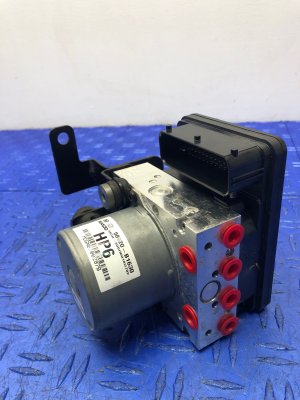
Aftermarket price range: $200-$350 - ABS Control Module
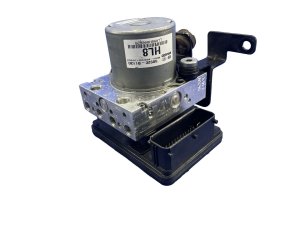
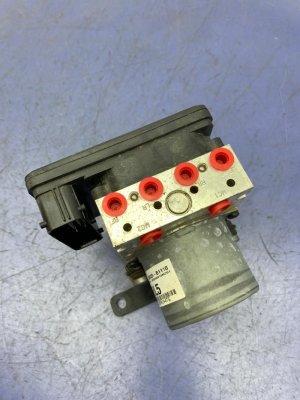
(OEM #Example: 58920-B1300 (Part numbers are specific, always verify with VIN))— A known failure point and subject of a major recall for short-circuiting, which can bring down the entire CAN network.
Trusted brands: Hyundai/Genesis Genuine
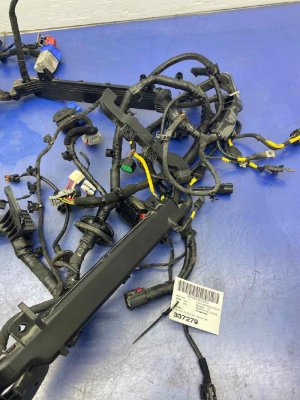
OEM price range: $800-$1500 - Engine Wiring Harness — In some cases, damage to the harness is extensive enough to require full replacement, as documented in owner forums.
Trusted brands: Hyundai/Genesis Genuine
OEM price range: $1200-$2000 - Smart Junction Box (Interior Fuse Box)
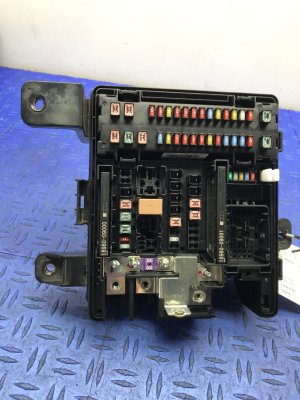
(OEM #Example: 91950-B1030 (Part numbers are specific, always verify with VIN))— This central body computer can fail and cause numerous, seemingly unrelated electrical faults and communication errors.
Trusted brands: Hyundai/Genesis Genuine
OEM price range: $400-$700
Related Codes That Often Appear With This One
- U0100 — Lost Communication With ECM/PCM
- U0101 — Lost Communication with TCM
- U0121 — Lost Communication With Anti-Lock Brake System (ABS) Control Module
- U0140 — Lost Communication With Body Control Module
Technical Service Bulletins (TSBs) & Recalls
- NHTSA ID: 10188373 / TSB 21V160000 — Recall: ABS Module May Short Circuit — A critical recall for 2017-2020 Genesis G80 vehicles where the ABS module can malfunction and short circuit, potentially causing an engine compartment fire. This short can also disrupt CAN communication, triggering a U0073 code. The remedy involves installing a new fuse.
- TSB 18-AT-011H — TCU Update - DH TCU Logic (Service Campaign T16G) — A service campaign to update the Transmission Control Unit (TCU) software on 2018 G80 models to revise the diagnosis logic for OBD communication tests. While not a direct fix for U0073, it shows that communication logic can be a source of issues requiring a software update.
- NHTSA ID: 10166299 / TSB 19-BE-005H — CAN System Connector Inspection — A TSB for other Hyundai models that provides a detailed procedure for inspecting CAN system connectors for pin tension. This is a valuable diagnostic resource as poor pin fitment is a common cause of intermittent communication faults.
- NHTSA ID: 10248888 / TSB 24V191000 — Recall: Turbocharger Oil Feed Pipe Leak — Recall for 2018-2020 G80 models with the 3.3L V6 Turbo engine. The left turbocharger oil feed pipe can leak oil onto hot exhaust components, creating a fire risk. While not directly a U-code cause, leaking oil can damage nearby wiring harnesses.
Diagnostic Flowchart
Other Known Issues on This Vehicle
Issues unrelated to this code that are worth knowing about as an owner of this generation:
- ABS Module Internal Short Circuit 🔴 High → Shop ABS Control Module — Common enough to trigger a major safety recall (NHTSA 21V160000) affecting nearly 95,000 vehicles. (Ref: Recall 21V160000)
- Turbocharger Oil Feed Pipe Leak (3.3T Engine) 🔴 High — Affects 2018-2020 G80 models with the 3.3L Turbo engine, leading to a safety recall (NHTSA 24V191000). (Ref: Recall 24V191000)
- Panoramic Sunroof Creaking/Rattling 🟡 Low — A widely reported annoyance among owners, often requiring dealer intervention to lubricate or adjust the mechanism.
- Starter Solenoid Water Intrusion 🔴 High — Subject of a recall (NHTSA 24V107000) for 2017-2019 models where water can enter the starter solenoid, causing a short and fire risk. (Ref: Recall 24V107000)
- Harsh Transmission Shifting (Early Models) 🟠 Medium → Shop Transmission Assembly — More common on 2017-2018 models, with owners reporting harsh shifts, particularly when cold. Sometimes addressed with software updates or valve body resets. (Ref: TSB 18-AT-011H (TCU Update))
- Oxidizing/Fading Window Trim 🟡 Low — A cosmetic issue reported by owners where the chrome or black trim around the windows oxidizes and develops a milky or hazy appearance.
Real Owner Stories
Aggregated from forums and TSBs cited above. Mileages and costs reflect what owners reported in those sources.
2018 Genesis G80 3.3T Sport
Symptoms: Multiple warning lights illuminated and multiple module failures; vehicle had to be towed to the dealer.
What fixed it: Replacement of the entire engine wiring harness after the dealer unsuccessfully replaced the alternator and battery.
Source hint: Reddit: 2018 G80 3.3T Sport with multiple module failures, towed to dealer
Related OBD-II Codes
Frequently Asked Questions
Is there a recall for the 2017-2020 Genesis G80 that could cause a U0073 code?
My 2018 G80 is having shifting issues; is there a software update for this?
Can a 3.3L Turbo oil leak cause electrical communication codes like U0073?
Why did my G80's infotainment and climate screen go blank along with the U0073 code?
What battery should I use to prevent intermittent U0073 errors in my Genesis?
Helpful Videos
Used OEM Parts in Stock
New Aftermarket Parts Available



The information in this article is provided for general reference and educational purposes only. Vehicle specifications, procedures, and part compatibility can vary by production date, trim level, and region. Always consult your vehicle's factory service manual and verify part numbers before purchasing or performing repairs. Safety-critical components such as airbags, seat belts, and braking systems should be installed by a qualified professional.
- Genesis G80:
- 🧭 Diagnostic Flowchart
- 🎬 Helpful Videos
- 🛍️ Shop This Part
- What's Unique About the 2017-2020 Genesis G80
- Symptoms You May Notice
- Most Likely Causes
- Rare But Worth Checking
- Diagnosis Steps
- Parts You'll Likely Need
- Related Codes That Often Appear With This One
- Technical Service Bulletins (TSBs) & Recalls
- Other Known Issues on This Vehicle
- Real Owner Stories
- 2018 Genesis G80 3.3T Sport
- Related OBD-II Codes
- Frequently Asked Questions
- 🎟️ Get 5% Off