

U0073 on 2007-2015 Mazda CX-9: CAN Bus Communication Failure Causes and Fixes
Code U0073 on a 2007-2015 Mazda CX-9 indicates a total loss of communication on the vehicle's main data network (CAN bus). The most common causes are a failing Transmission Control Module (TCM) due to heat-induced solder failure, water damage to the Body Control Module (BCM) from clogged sunroof drains, or corroded wiring and grounds. Diagnosis is complex and often requires professional help, starting with checking the TCM and for water leaks in the driver's footwell.
- U0073 on a 2007-2015 CX-9 is a serious network failure code that should be addressed immediately.
- The most likely causes are specific to the platform: a heat-damaged Transmission Control Module (TCM) or a water-damaged Body Control Module (BCM).
- Before replacing any expensive modules, always check for water leaks in the driver's footwell and inspect/clean major ground connections in the engine bay.
- Due to the complexity of network diagnostics, professional service with the right scan tools is strongly recommended.
- Do not drive the vehicle, as it can stall, lose power, or have disabled safety systems at any time.
What's Unique About the 2007-2015 Mazda CX-9
On the first-generation Mazda CX-9, code U0073 is frequently linked to two well-documented platform weaknesses. First, the Transmission Control Module (TCM) has a high failure rate due to its location on the hot transmission, causing internal solder joints on the processor to crack over time from thermal stress. Second, clogged sunroof drains often leak water into the driver's footwell, directly onto the Body Control Module (BCM) and its connectors, causing corrosion and network failure. These two issues should be primary suspects before investigating more generic wiring problems.
Symptoms You May Notice
- Check Engine Light and 'AT' (Automatic Transmission) light are on or flashing.
- Vehicle enters 'limp mode' with severely reduced power.
- Instrument cluster gauges, like the speedometer and tachometer, suddenly drop to zero while driving.
- Harsh, erratic, or delayed transmission shifting, often with a loud 'thunk'.
- Transmission may get stuck in one gear (e.g., 3rd gear).
- Multiple warning lights illuminate on the dashboard simultaneously (ABS, TCS, etc.).
- Complete loss of turn signal function.
- Engine may stall or fail to start.
- A/C and radio may malfunction or turn off.
- Replacing the Engine Control Module (ECM/PCM) without confirming it is the source of the failure. The ECM is expensive and rarely the cause compared to wiring, grounds, or the TCM on this vehicle.
- Replacing the transmission itself when shifting problems are caused by a faulty TCM or network issue, not internal mechanical failure.
Most Likely Causes
- Failing Transmission Control Module (TCM) 🔴 High Probability → Shop Transmission Assembly The TCM on this platform is mounted directly to the transmission, exposing it to extreme heat cycles. This constant thermal stress causes internal solder connections to fail, leading to intermittent or total loss of communication. This is a widely documented failure on the CX-9 and its platform mates.
How to confirm: A professional scan tool will show the TCM is not communicating ('offline'). Often accompanied by codes U0100 (Lost Communication with ECM) or U0101 (Lost Communication with TCM). The problem is often worse when the vehicle is hot.
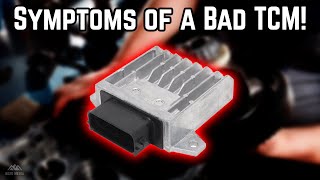
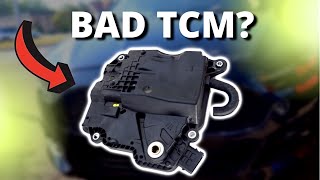
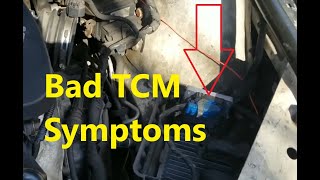
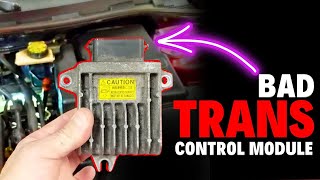
Typical fix: The TCM must be replaced or sent to a specialist for repair/rebuilding. 🎬 See common symptoms and causes of a failing TCM A new or rebuilt module will require programming to the vehicle. Companies like UpFix and Module Experts specialize in rebuilding these units.
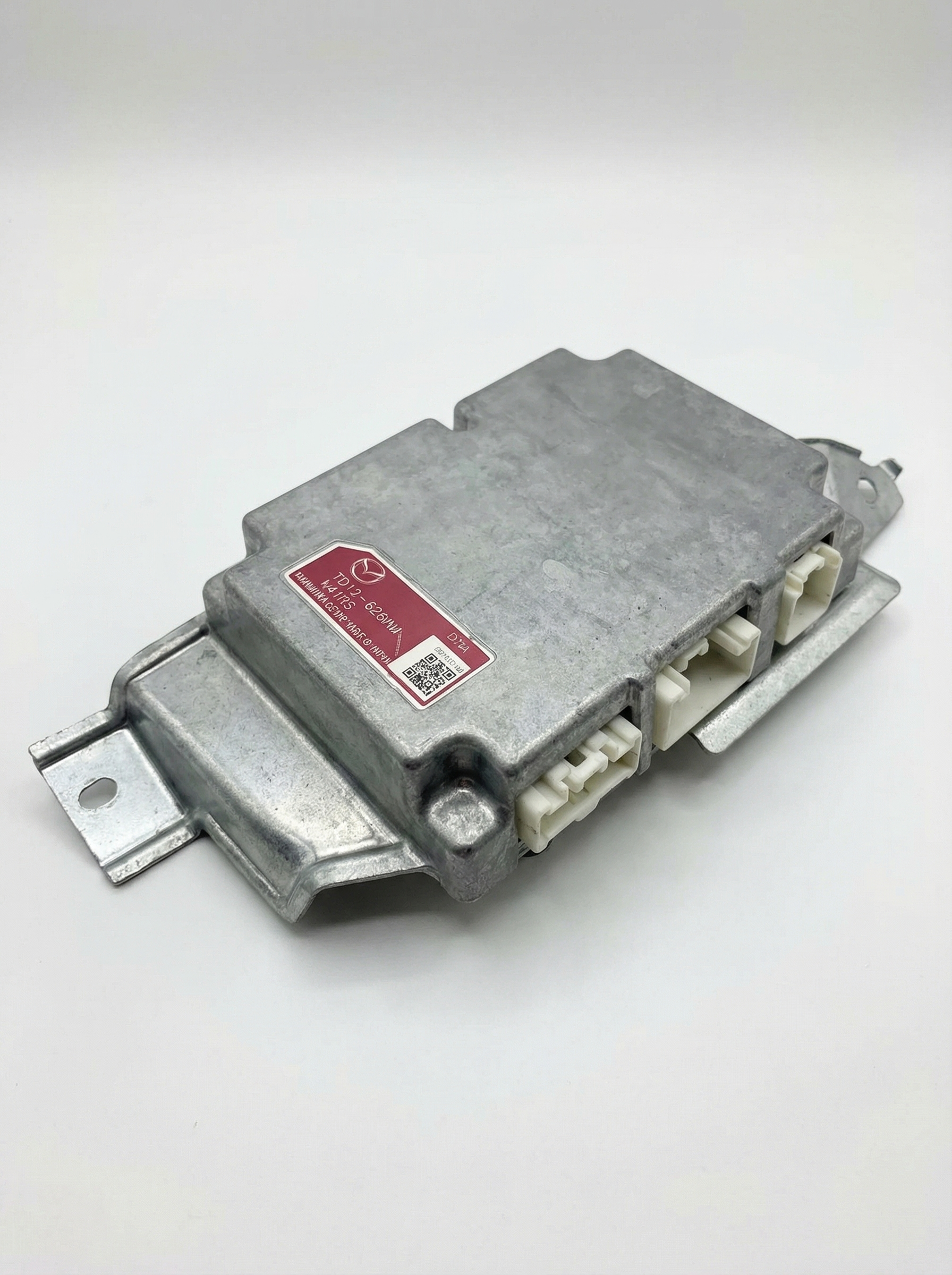
Est. part cost: $250-$500 for a rebuilt unit, $600-$900 for a new OEM part. - Water Damage to Body Control Module (BCM) or Connectors 🟡 Medium Probability → Shop Body Control Module The sunroof drains are known to clog with debris. When they do, rainwater backs up and overflows, running down the A-pillar and leaking directly onto the BCM and its wiring, which is located behind the driver's side kick panel near the fuse box.
How to confirm: Check for dampness or water stains on the driver's side carpet and behind the kick panel. Visually inspect the BCM and its connectors for any signs of green or white corrosion. Multiple, seemingly unrelated electrical issues (wipers, lights, locks) are a strong indicator of BCM failure.
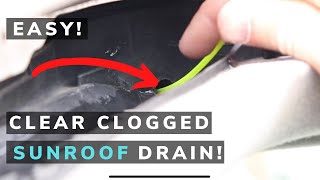
Typical fix: If corrosion is minor, cleaning the connectors and the BCM board with an electronics cleaner may work. If the BCM or connectors are heavily damaged, they will need to be replaced. The clogged sunroof drains must also be cleared to prevent recurrence, often using compressed air or a flexible line. 🎬 Watch: How to find and clear your sunroof drains
Est. part cost: $300-$600 for a new BCM, plus programming. - Corroded Wiring or Ground Connections 🟡 Medium Probability General corrosion can affect any wiring, but one source specifically notes that the main ground point on the driver's side strut tower is a common trouble spot for the CX-9, leading to intermittent network stability. Road salt in winter climates exacerbates this issue.
How to confirm: Perform a visual inspection of major ground straps in the engine bay, especially the one on the driver's strut tower. Check for looseness or corrosion. A multimeter can be used to check for high resistance between the ground point and the battery negative terminal.
Typical fix: Remove the ground connection, clean all contact surfaces down to bare metal using a wire brush, and re-secure it tightly. Apply dielectric grease to prevent future corrosion.
Est. part cost: $1-$10 for cleaning supplies - Weak Battery or Failing Alternator ⚪ Low Probability → Shop Vehicle Battery
How to confirm: Test the battery voltage at rest (should be ~12.4V or higher) and with the engine running (should be ~13.7-14.7V). Low voltage can cause modules to drop off the network. Most auto parts stores can perform a load test on the battery and charging system for free.
Typical fix: Recharge or replace the battery if it fails a load test. Replace the alternator if it is not providing adequate voltage while running.
Est. part cost: $150-$250 for a new battery
Rare But Worth Checking
- Faulty OBD-II Port Connection: In at least one documented case, the U0073 code would only appear when a diagnostic tool was *unplugged*. This suggests a problem with the CAN bus terminating resistor or wiring near the port, where the tool was completing the circuit. If the problem only occurs after plugging something into the port, this could be a clue.
- Aftermarket Electronics Interference: An improperly installed aftermarket stereo, alarm, or remote starter can disrupt CAN bus communications. If the problem started after such an installation, this is a strong possibility.
Diagnosis Steps
- Check Battery and Charging System: Ensure battery voltage is above 12.4V at rest and that the alternator is charging correctly when the engine is running. Clean any corrosion from the battery terminals.
- Scan for All Codes: Use a high-quality OBD-II scanner (like FORScan for Mazda) to pull all codes from all modules. Note which modules are not responding ('offline') and which codes are present alongside U0073.
- Inspect for Water Intrusion: Pull back the driver's side carpet and remove the kick panel. Check for any signs of moisture, water stains, or corrosion on the Body Control Module (BCM) and its connectors.
- Inspect Grounds: Visually inspect and clean the main ground connection on the driver's side strut tower in the engine bay. Check other major engine and chassis grounds for tightness and corrosion.
- Inspect Wiring Harnesses: Visually inspect the CAN bus wiring (typically a twisted pair of wires) for any signs of chafing, pinching, or rodent damage, paying close attention to the harness going to the transmission and under the driver's side footwell carpet.
- Isolate Modules (Professional Step): If the bus is down, a technician may disconnect modules one by one to see if communication is restored. If disconnecting the TCM brings the network back online, the TCM is confirmed to be faulty.
- Check CAN Bus Resistance (Professional Step): With the battery disconnected, a technician can measure the resistance between CAN-High (Pin 6) and CAN-Low (Pin 14) at the OBD-II port. A reading of approximately 60 ohms is normal. A reading of 120 ohms indicates a wiring break or a failed terminating resistor in one of the modules (like the PCM or cluster). An open or shorted circuit points to a wiring fault.
Parts You'll Likely Need
- Transmission Control Module (TCM)
(OEM #Part numbers vary by year and FWD/AWD. Examples: AW22-18-9E1B (08-10 FWD), AWB1-18-9E1G (2011), AWB1-18-9E1F. Always verify with VIN.)— This is a very common failure point on this vehicle due to heat exposure causing internal solder joint failure. - Body Control Module (BCM)
(OEM #Part numbers vary by year. Examples: TD12-67-560D (2007-2009), TG18-67-560 (2011-2013). Always verify with VIN.)— Frequently damaged by water intrusion from clogged sunroof drains. - Sunroof Drain Cleaning Supplies — Required to fix the root cause of BCM water damage. This can include compressed air, flexible trimmer line, or small brushes.
Related Codes That Often Appear With This One
- U0101 — This code means 'Lost Communication With TCM'. It frequently appears with U0073 when the Transmission Control Module is the specific module that has failed and brought down the network.
- U0100 — This code means 'Lost Communication With ECM/PCM'. It is a general communication failure code that often accompanies U0073, as modules report they can no longer hear from the main engine computer.
Technical Service Bulletins (TSBs) & Recalls
- TSB 05-008/16: While not for U0073 specifically, this TSB addresses a 'whining noise' from the automatic transaxle due to damaged bearings, an issue that can occur on the same transmissions used in the CX-9. It highlights known issues within the transmission assembly.
- TSB 05-008/14: Addresses 'Hard to Shift' conditions in various Mazda models with manual transmissions, showing a history of addressing transmission component failures.
Platform-Specific Known Issues
- Clogged sunroof drains are a known issue that causes water to leak into the cabin, damaging the BCM located in the driver's kick panel area.
- The placement of the Transmission Control Module (TCM) on the transmission housing leads to a high rate of failure from heat damage.
Mechanic-Grade Diagnostic Values
- CAN Bus Network Resistance — expected: Approximately 60 Ω. Failure: A reading of 120 Ω indicates one of the two terminating resistors is offline or there's a break in the wiring. A reading significantly below 60 Ω (e.g., near 0 Ω) indicates a short circuit between the CAN High and CAN Low wires.
- CAN High Voltage to Ground — expected: Average of ~2.6V - 2.7V with ignition on.. Failure: A voltage of 0V indicates an open or short to ground. A voltage near 5V or 12V indicates a short to power. The voltage should fluctuate rapidly; a static voltage can also indicate a problem.
- CAN Low Voltage to Ground — expected: Average of ~2.3V - 2.4V with ignition on.. Failure: A voltage of 0V indicates an open or short to ground. A voltage near 5V or 12V indicates a short to power. The voltage should fluctuate rapidly; a static voltage can also indicate a problem.
Scan Tool Commands That Help
- FORScan: Module Network Test / Full Scan — This is a critical first step after checking for basic power/ground issues. FORScan can communicate with both HS-CAN and MS-CAN networks in Mazda vehicles, providing a complete list of all modules. Use this function to identify which specific control modules are not responding or are 'offline.' This is essential for narrowing down the source of the U0073 code, as the fault often lies within the first module that fails to respond.
Wiring & Ground Locations
- DLC (OBD-II Port) — Under the driver's side dashboard, to the left of the steering column.. This is the primary access point for testing the entire CAN bus. Pin 6 (CAN-H) and Pin 14 (CAN-L) are used for resistance and voltage tests of the main vehicle communication network.
- BCM (Body Control Module) — Behind the kick panel in the driver's side footwell, to the left of the pedals.. This module is a major node on the CAN bus and is highly susceptible to water damage from clogged sunroof drains. Corrosion on its connectors is a primary cause of U0073.
- Main Engine/Chassis Grounds — A key ground point is located on the driver's side strut tower in the engine bay. Other critical grounds are on the engine block and transmission case.. Poor ground connections create high resistance, which can cause voltage drops and unstable power for control modules, leading them to drop off the network and trigger communication codes.
Real Owner Repair Stories
- MazdaSpeed Forums user 'Jurij_' (2011 Mazda CX-9 FWD) — U0073 and U0101 codes, 'Christmas tree' on the dash, cooling fan runs constantly, harsh transmission shifting.
❌ Tried (didn't work) Initial diagnosis was unclear, pointing towards either an electrical or transmission specialist.
✅ What actually fixed it The owner was using a cheap Chinese OBD-II reader. A transmission specialist identified this as a potential cause. The fix was to perform a computer reset and throw away the faulty OBD-II reader. The problem did not return. - MHH Auto Forums user 'emilos' (2011 Mazda CX-9) — U0073, lost communication with TCM, AT light on, transmission in safe mode.
❌ Tried (didn't work) The car would not function correctly and the TCM was offline.
✅ What actually fixed it This is a highly unusual case where the car only worked correctly when an ELM327-based scan tool (like those used for FORScan) was plugged into the OBD-II port. Unplugging the tool caused the U0073 fault to return immediately. This strongly suggests a fault in the CAN bus wiring or a terminating resistor, where the scan tool itself was completing the circuit and allowing the network to function. The final repair was not posted, but the diagnostic clue is invaluable.
OEM Part Supersession History
TD12-67-560B, TD12-67-560C→TD12-67-560D— Standard revision and update by the manufacturer.
Heads up: These part numbers are specific to 2007-2009 models. Later years use different BCMs.
Model Year Variations Within This Range
- 2007-2009 vs 2010+: The Body Control Module (BCM) part number changes. 2007-2009 models typically use a TD12-67-560 series part number. 2010 models use a TE70-67-560 series part number. The modules are not interchangeable.
- 2007 vs 2008-2015: The engine was changed from a 3.5L V6 (2007) to a 3.7L V6 (2008-2015). While many CAN bus issues are shared, be aware that engine- and transmission-related control modules (PCM, TCM) will have different part numbers and software between these engine types.
Diagnostic Flowchart
Used vs. New Parts: Buying Guide for This Vehicle
When a used part is the smart pick: A used Body Control Module (BCM) can be a cost-effective option if the part number is an exact match and the unit is inspected carefully for any signs of corrosion on the case or pins. However, it is not a simple plug-and-play swap.
Donor-vehicle mileage cap: roughly under 120000 miles for the part to have meaningful remaining life.
What to inspect on the donor part:
- For a BCM, check connector pins for any white or green residue, indicating corrosion.
- For a TCM, avoid any units that show signs of heavy external corrosion or fluid leaks from the transmission it was attached to.
- Source the part from a vehicle in a dry, salt-free climate if possible to minimize corrosion risk.
- Verify the donor vehicle was not involved in a flood or major front-end collision.
OEM-only on this vehicle (don't cheap out):
- Transmission Control Module (TCM)
- Body Control Module (BCM)
Aftermarket brands forum-validated for this vehicle:
- For TCM repair, services from 'Circuit Board Medics' and 'UpFix' are frequently mentioned in forums as reliable options for rebuilding the original OEM unit.
Brands owners have reported issues with on this vehicle:
- Cheap, unbranded OBD-II diagnostic dongles or performance 'chips' have been documented to cause CAN bus errors, including U0073, on this platform.
Real Owner Stories
Aggregated from forums and TSBs cited above. Mileages and costs reflect what owners reported in those sources.
2011 Mazda CX-9
Symptoms: Vehicle entered limp mode with a 'Christmas tree dash' (multiple warning lights). Codes U0073, U0100, and U0101 were present.
What fixed it: The owner suspected the cause was a past sunroof leak that had damaged an electrical module, though a final repair was not detailed in the source.
Source hint: Reddit r/MazdaCX9: '2011 CX-9 having intermittent issue and U0073, U0100, U0101 codes...'
2007-2015 Mazda CX-9
Symptoms: Multiple unspecified electrical problems caused by a water-damaged Body Control Module (BCM).
What fixed it: The BCM was replaced to resolve the issue.
Cost: $774-$774
Source hint: Mazda Forum: 'CX-9 Electrical Problems = Body Control Module Water Damage'
2011 Mazda CX-9
Symptoms: Lost communication with the TCM. The vehicle would only operate correctly when an ELM scanner was plugged into the OBD-II port.
What fixed it: The unique symptom pointed diagnostically to a fault with a terminating resistor or a wiring issue on the CAN bus.
Source hint: MHH Auto: 'Mazda cx-9 2011 lost comunication with TCM'
2006-2015 Mazda CX-9
Symptoms: A water leak originating from the sunroof.
What fixed it: The owner performed a DIY repair by clearing the clogged front sunroof drains using compressed air.
Source hint: Imgur: '2006-2015 Mazda CX-9 Sunroof Water Leak Repair - How To'
Related OBD-II Codes
Frequently Asked Questions
My CX-9's sunroof is known to leak. Could this be related to the U0073 code and all the warning lights on my dash?
Why is Transmission Control Module (TCM) failure such a common cause for U0073 on the 2007-2015 CX-9?
My gauges are dropping to zero and the transmission is shifting harshly. What are the most probable causes for my CX-9?
If I need to replace the TCM or BCM on my Mazda, is it a simple swap?
I found the driver's side carpet is damp. Where should I look for the problem?
Are there any specific TSBs mentioned that directly address the U0073 code?
Helpful Videos


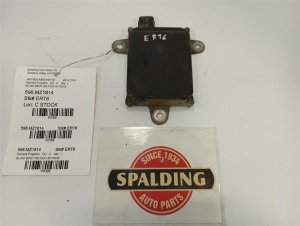
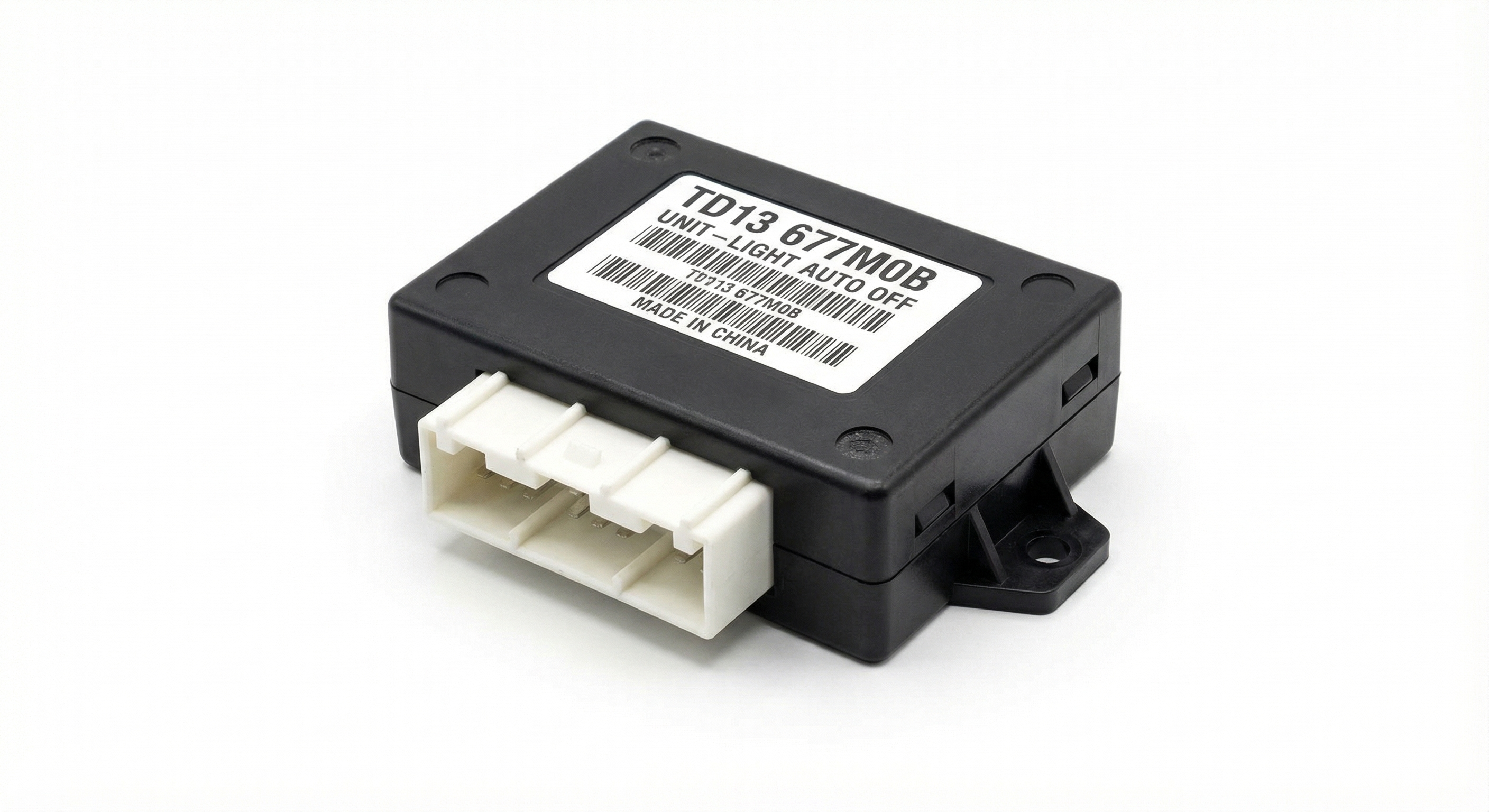
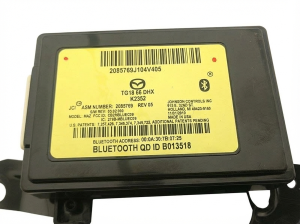
Used OEM Parts in Stock
New Aftermarket Parts Available

The information in this article is provided for general reference and educational purposes only. Vehicle specifications, procedures, and part compatibility can vary by production date, trim level, and region. Always consult your vehicle's factory service manual and verify part numbers before purchasing or performing repairs. Safety-critical components such as airbags, seat belts, and braking systems should be installed by a qualified professional.
- Mazda CX-9:
- 🧭 Diagnostic Flowchart
- 🎬 Helpful Videos
- 🛍️ Shop This Part
- What's Unique About the 2007-2015 Mazda CX-9
- Symptoms You May Notice
- Most Likely Causes
- Rare But Worth Checking
- Diagnosis Steps
- Parts You'll Likely Need
- Related Codes That Often Appear With This One
- Technical Service Bulletins (TSBs) & Recalls
- Platform-Specific Known Issues
- Mechanic-Grade Diagnostic Values
- Scan Tool Commands That Help
- Wiring & Ground Locations
- Real Owner Repair Stories
- OEM Part Supersession History
- Model Year Variations Within This Range
- Used vs. New Parts: Buying Guide for This Vehicle
- Real Owner Stories
- 2011 Mazda CX-9
- 2007-2015 Mazda CX-9
- 2011 Mazda CX-9
- 2006-2015 Mazda CX-9
- Related OBD-II Codes
- Frequently Asked Questions
- 🎟️ Get 5% Off