

U0073 on 2013-2018 Toyota RAV4: Control Module Communication Bus 'A' Off Fixes
Code U0073 on a 2013-2018 RAV4 means there's a total communication failure on the main vehicle network. The most common causes are wiring damage, a weak battery, or a faulty control module. Start by checking the battery and inspecting the wiring harness near the driver's side headlight, a known vulnerable area for chafing and CAN injection theft attempts.
- U0073 is a critical network failure code. Do not continue to drive the vehicle.
- Before suspecting expensive modules, always check the simplest things first: the 12V battery's health and all related fuses.
- The most likely cause on a 2013-2018 RAV4 is a wiring issue. Pay special attention to the harness near the driver's side front wheel well and headlight, as this is a known vulnerable area.
- Diagnosing this code is difficult and best left to a professional with advanced diagnostic tools to avoid costly misdiagnoses.
What's Unique About the 2013-2018 Toyota RAV4
For the 2013-2018 (XA40 generation) RAV4, the CAN bus wiring is notably vulnerable, particularly behind the front bumper and wheel arch liner leading to the headlight. This area has been targeted by thieves for 'CAN injection' attacks to bypass security systems, a method that gained notoriety in 2023. Thieves physically access the CAN High and CAN Low wires in the headlight connector to inject false messages that unlock and start the vehicle. This known vulnerability, identified as CVE-2023-29389, means that wiring in this specific area is more susceptible to damage from attempted theft or from simple chafing, which can directly cause a U0073 code by shorting or breaking the network wires.
Symptoms You May Notice
- Multiple warning lights on the dashboard at once (Check Engine, ABS, VSC, TRAC, etc.)
- Vehicle may not start or may stall unexpectedly.
- Loss of power steering or other electronic features.
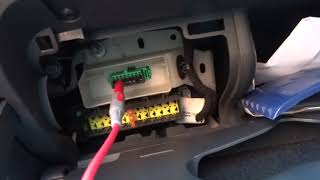
- Transmission may be stuck in one gear or shift erratically. 🎬 Watch: Understanding the causes and fixes for the U0073 code.
- Inability for a standard OBD-II scanner to communicate with the vehicle's modules.
- Reduced engine power or fuel economy.
- Instrument cluster gauges may drop to zero or behave erratically.
- Replacing a single control module (like the ECM or ABS unit) without first confirming it is the root cause of the network failure. The problem is often in the wiring that connects the modules, not the modules themselves.
- Ignoring a weak battery. Low system voltage is a frequent and often overlooked cause of communication codes like U0073.
Most Likely Causes
- Damaged or Corroded CAN Bus Wiring 🔴 High Probability The wiring harness in the driver's side front wheel well, leading to the headlight, is a known access point for CAN bus tampering and is susceptible to damage from road debris or chafing. This specific vulnerability is exploited by thieves for CAN injection attacks. Rodent damage to soy-based wire insulation is also a common issue across many modern vehicles.
How to confirm: Perform a detailed visual inspection of the main wiring harnesses, especially around the driver's side headlight, under the engine bay fuse box, and where the harness passes through the firewall. Look for chafed, broken, or chewed wires. Check for corrosion in major connectors, especially the headlight connector where CAN wires are present.
Typical fix: Repair the damaged section of the wiring harness. This involves cutting out the bad section, splicing in new wire of the same gauge (typically a twisted pair), and protecting the repair with solder and heat-shrink tubing.
Est. part cost: $10-$50 - Weak Battery or Poor Electrical Ground 🟡 Medium Probability → Shop Vehicle Battery Toyota issued a recall for 2013-2018 RAV4s because certain replacement 12V batteries could shift in the tray and short against the hold-down bracket, increasing fire risk and potentially causing severe electrical issues.
How to confirm: Test the battery voltage with a multimeter. It should be above 12.4V with the engine off. With the engine running, voltage should be between 13.7V and 14.7V. A low voltage condition during startup can prevent modules from initializing correctly. Inspect the main battery terminals and chassis ground points for looseness or corrosion.
Typical fix: Replace the weak 12V battery. Ensure the replacement battery is properly secured with the correct hold-down bracket to comply with the recall. Clean or tighten any corroded or loose ground connections.
Est. part cost: $150-$300 - Faulty Control Module ⚪ Low Probability
How to confirm: This requires an advanced scan tool that can show network topology and which modules are offline. A common diagnostic step is to disconnect suspect modules one by one. If disconnecting a specific module (e.g., the ABS/Skid Control ECU) allows the rest of the network to start communicating again, that module has an internal fault (like a shorted transceiver) and is bringing the whole network down.
Typical fix: Replace the faulty module. The Skid Control ECU is a common point of failure. The new module will require programming by a dealer or a qualified shop with Techstream software.
Est. part cost: $400-$1800+
Rare But Worth Checking
- Faulty Aftermarket Electronics: Poorly installed remote starters, alarms, stereos, or even trailer brake controllers can interfere with the CAN bus network and cause communication to drop. If the problem started after an accessory was installed, this should be the first thing you investigate.
- Blown Fuse: A blown fuse for a critical module like the ECM or ABS unit can cause it to go offline and, in some cases, disrupt the network. Check fuses labeled ECU, ECM, ABS, etc., in the engine bay and interior fuse panels.
Diagnosis Steps
- Check Battery Health: Ensure the battery has a full charge (at least 12.4V) and that the terminals are clean and tight. Verify charging system voltage is 13.7-14.7V when running. A weak battery is a known cause of network communication issues.
- Scan for All Codes: Use an advanced scan tool (like Toyota Techstream) to check for codes in all modules. Note all 'U' codes and which modules are not responding. This helps create a network topology map.
- Check Fuses: Inspect all fuses related to the main control modules (ECM, ABS, BCM, etc.).
- Visual Wiring Inspection: Thoroughly inspect the main wiring harness for any signs of physical damage, corrosion, or rodent activity. Pay extremely close attention to the harness in the driver's side front wheel well and near the headlight assembly, as this is a documented weak point.
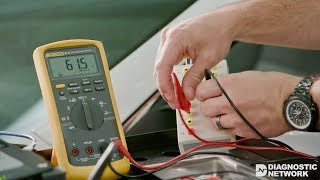
- Check CAN Bus Resistance: Disconnect the battery. At the OBD-II port, measure the resistance between Pin 6 (CAN High) and Pin 14 (CAN Low). A healthy network should read approximately 60 ohms. A reading of 120 ohms indicates a break in the circuit or a missing/failed terminating resistor (one of the two 120-ohm resistors at each end of the bus is offline). A reading near 0 ohms indicates a short circuit between the two CAN wires. 🎬 See how to test CAN bus resistance with a multimeter.
- Isolate Modules: If resistance is incorrect or the issue persists, begin disconnecting modules from the CAN bus one at a time. The Skid Control ECU and Radio/Head Unit are common failure points. After disconnecting each module, re-check the network status. If the network comes back online after unplugging a specific module, that module is likely the source of the fault.
- Professional Diagnosis: If the cause is not found, professional diagnosis with an oscilloscope may be needed to check the CAN signal waveform for noise, degradation, or incorrect voltage levels. 🎬 Watch: Professional Toyota network diagnostics and CAN signal analysis.
Parts You'll Likely Need
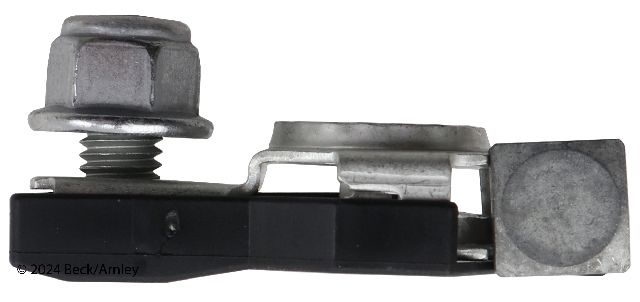
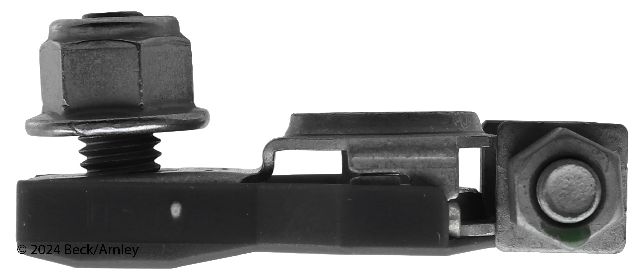
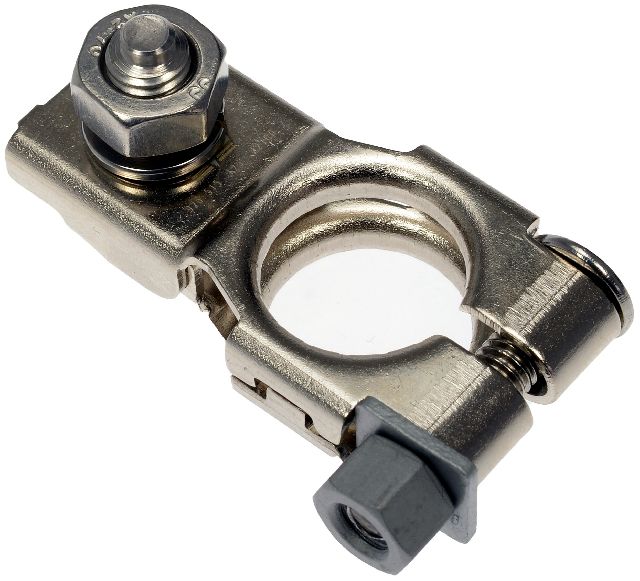
- 12V Battery — A weak or failing battery can cause low voltage conditions that prevent control modules from communicating correctly, triggering a U0073 code. There is also a recall related to improper fitment of some replacement batteries.
Trusted brands: Toyota TrueStart, Interstate, DieHard
OEM price range: $200-$350
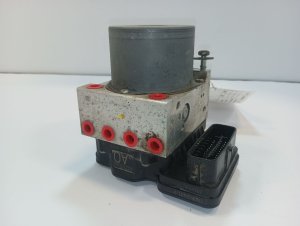
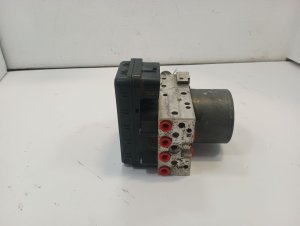
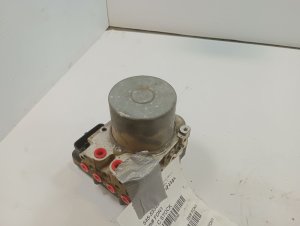
Aftermarket price range: $150-$250 - Skid Control ECU (ABS Module)
(OEM #89540-0R070 (example for 2013-2015 models, verify with VIN))— If a module fails internally, it can short the CAN bus and bring down the entire network. The Skid Control/ABS module is a central hub on the CAN bus and a potential point of failure.
Trusted brands: Toyota (OEM), Bosch
OEM price range: $800-$1800
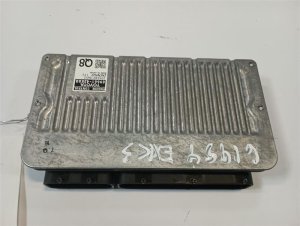
Aftermarket price range: $500-$1200 - Engine Control Module (ECM)
(OEM #89661-0R471, 89661-42U30 (examples for 2015 models, verify with VIN))— While less common than wiring, a failed ECM can also cause a total network shutdown. It is one of the two main terminating resistors on the bus.
Trusted brands: Toyota (OEM)
OEM price range: $900-$1500
Aftermarket price range: $400-$800 (remanufactured)
Related Codes That Often Appear With This One
- U0100 — Lost Communication with ECM/PCM. This code will often appear alongside U0073 because if the entire bus is down, no module can communicate with the ECM.
- U0129 — Lost Communication With Brake System Control Module. This is another common companion code, as the Brake/Skid Control module is a key component on the high-speed CAN bus.
- U0140 — Lost Communication with Body Control Module. The BCM often acts as a gateway between different CAN networks, and its failure to communicate is common during a bus-off event.
Platform-Specific Known Issues
- The 2013-2018 RAV4 is a known target for theft using a method called CAN injection, where thieves access the CAN bus wires behind the headlight to unlock and start the vehicle. This makes the wiring in that area particularly vulnerable to damage that can cause a U0073 code. This vulnerability was assigned identifier CVE-2023-29389.
- A recall was issued for 2013-2018 RAV4s because some aftermarket 12V batteries did not fit the battery tray correctly, allowing them to move and short circuit against the hold-down clamp, posing a fire risk and causing major electrical faults.
Mechanic-Grade Diagnostic Values
- CAN Bus Resistance (at OBD-II Port) — expected: ~60 Ω (Ohms). Failure: A reading of ~120 Ω indicates an open circuit or one missing terminating resistor. A reading near 0 Ω indicates a short between CAN High and CAN Low wires.
- CAN High Voltage (Pin 6 at OBD-II Port to Ground) — expected: ~2.5V to 3.5V (during communication). Failure: Voltage stuck high, low, or at 0V indicates a short to power, ground, or an open circuit.
- CAN Low Voltage (Pin 14 at OBD-II Port to Ground) — expected: ~1.5V to 2.5V (during communication). Failure: Voltage stuck high, low, or at 0V indicates a short to power, ground, or an open circuit.
- CAN Bus Baud Rate — expected: 500 kbps. Failure: N/A - this is a configuration setting for diagnostic tools.
Scan Tool Commands That Help
- Toyota Techstream: Health Check — This is the primary function to use first. It polls all expected control modules on the network and displays which ones are communicating and which are not. This is the fastest way to identify offline modules.
- Toyota Techstream: Data List (for each communicating module) — After identifying which modules are offline, you can check the Data List of online modules. Look for any data parameters that seem incorrect or are defaulted, which can provide clues about what information is missing from the offline modules.
- Toyota Techstream: Bus Check — This function performs a comprehensive check of the CAN communication lines. It can help identify which specific modules are causing the bus to go 'off' and can display the status of the two terminating resistors, confirming if the ECM and Combination Meter are properly terminating the bus.
Wiring & Ground Locations
- Terminating Resistors (120 Ω) — On this platform, the two terminating resistors are typically located inside the ECM (Engine Control Module) and the Combination Meter (Instrument Cluster).. If either of these modules fails or is disconnected, the bus resistance will change from 60 Ω to 120 Ω, causing communication instability and potentially a U0073 code. The 'Bus Check' function in Techstream can verify the status of these resistors.
- No. 1 & No. 3 CAN Junction Connectors — These are central splice points where multiple CAN bus branches meet. Their exact location is under the dashboard, often near the main Body ECU or fuse panel.. Corrosion or a loose pin in one of these main junction connectors can take down the entire network or multiple segments at once, making them a critical inspection point if wiring damage is suspected.
- Headlight Connector (Driver's Side) — Located behind the driver's side headlight assembly, accessible after removing the front bumper cover and/or wheel arch liner.. This is the primary target for CAN injection theft. The CAN High and CAN Low wires are present in this connector. Damage from a failed theft attempt or simple chafing in this exposed area is a high-probability cause for U0073.
- Ground Points EA, EB — These are major chassis ground points located in the engine compartment, typically on the inner fender aprons near the battery and fuse box.. A loose or corroded main ground can cause floating voltages and communication errors across multiple modules, mimicking a network failure. Ensuring these are clean and tight is a fundamental step.
Real Owner Repair Stories
- Reddit user in r/MechanicAdvice (2014 Toyota RAV4) — Vehicle would not start, multiple warning lights on the dash, scanner could not communicate with any module. U0073 was present.
❌ Tried (didn't work) Checked all fuses., Tested the battery, which was good., Measured CAN bus resistance at the OBD-II port and got 120 ohms, indicating an open circuit or missing terminator., Disconnected various modules one-by-one with no change.
✅ What actually fixed it The technician found a corroded CAN bus wire under the driver's seat carpet. A previous water leak had caused the wire to corrode and break. The wire was not in a commonly checked location. Repairing this single wire restored the 60-ohm resistance and fixed the communication issue. - NHTSA ODI #10851309 — An owner reported ABS and brake lights illuminating while the speedometer, odometer, and A/C stopped working. The dealer found code U0073 and required the replacement of the ABS actuator assembly, which includes the ABS pump and ECU.
- NHTSA ODI #10704941 — A report describes a failure where the RPMs started bouncing and various warning lights illuminated. The dealership identified communication code U0073 and noted that the actuator assembly had failed.
- NHTSA ODI #10639478 — An owner reported that their mechanic was unable to fix the vehicle and suggested a dealership visit. Toyota services found code U0073 present but could not immediately pinpoint the problem, suggesting additional testing was required.
Model Year Variations Within This Range
- 2016-2018: The 2016 model year introduced a significant facelift, which included the option for Toyota Safety Sense (TSS). This added new modules to the CAN bus, such as the Forward Recognition Camera and Millimeter Wave Radar Sensor. While the U0073 diagnosis remains fundamentally the same, these later models have more modules on the network that could potentially fail and cause the bus to go down.
- 2016-2018 (Hybrid Models): Hybrid models have additional ECUs on the CAN bus, including the Hybrid Control ECU and Battery Management ECU. A failure in these specific hybrid components can also trigger a U0073 code. Diagnostic procedures must include these modules when isolating potential faults.
Diagnostic Flowchart
Other Known Issues on This Vehicle
Issues unrelated to this code that are worth knowing about as an owner of this generation:
- Torque Converter Shudder 🟠 Medium — Common on 2013-2015 models. Occurs under light throttle between 25-50 mph. (Ref: T-SB-0023-15 (later revised) and Warranty Enhancement Program (ZH1) were issued. The fix involves an ECM reprogram and, in some cases, torque converter replacement.)
- Power Liftgate Malfunction 🟠 Medium — Common across the generation. The liftgate may fail to open or close, get stuck, or make noises. (Ref: A class-action lawsuit alleges defective hinges are the cause. Owners often report failing liftgate struts as the primary cause.)
- Infotainment System Glitches 🟡 Low — Owners report issues with the Entune system freezing, rebooting, or having Bluetooth connectivity problems. (Ref: Toyota has issued several TSBs, such as T-TT-0578-19, to address Bluetooth connectivity concerns, often resolved with a software update.)
- Improperly-Sized Replacement Battery Fitment 🔴 High → Shop Vehicle Battery — Affects any 2013-2018 model where an incorrectly sized 12V replacement battery was installed. (Ref: Recall 23TA12 / NHTSA 23V-723000. The battery can short circuit against the hold-down clamp, causing a fire risk.)
Used vs. New Parts: Buying Guide for This Vehicle
When a used part is the smart pick: For this repair, sourcing a used wiring harness or a junction block from a reputable salvage yard is a very sensible option, especially if the damage is localized to a specific connector that is part of a larger, expensive harness. Used control modules like the Skid Control ECU or Combination Meter can also be a cost-effective choice, but carry risks.
Donor-vehicle mileage cap: roughly under 100000 miles for the part to have meaningful remaining life.
What to inspect on the donor part:
- For wiring: Inspect for any cuts, abrasions, or signs of rodent damage. Ensure connectors are intact with no broken locking tabs or visible corrosion.
- For modules: Check the part number meticulously to ensure it is an exact match. Look for any signs of water intrusion or physical damage to the casing. Ask the seller about the donor vehicle's history (e.g., was it in a flood or front-end collision?).
- Verify the donor vehicle was not a flood vehicle, as this can cause hidden electronic issues that appear later.
OEM-only on this vehicle (don't cheap out):
- Engine Control Module (ECM): While a used ECM can work, it will require reprogramming (flashing) with Toyota Techstream to match the vehicle's immobilizer and VIN. This process can be complex and sometimes only a dealer can perform it successfully. A new or remanufactured OEM unit is often a safer, albeit more expensive, bet.
Aftermarket brands forum-validated for this vehicle:
- For control modules, OEM (Toyota/Denso/Bosch) is strongly recommended, whether new or used. There are very few reputable aftermarket manufacturers for critical ECUs.
Brands owners have reported issues with on this vehicle:
- Avoid unbranded, no-name electronic modules from online marketplaces. These often have high failure rates or can cause other unpredictable issues on the CAN network.
Real Owner Stories
Aggregated from forums and TSBs cited above. Mileages and costs reflect what owners reported in those sources.
2023 Toyota RAV4 (Platform Vulnerability)
Symptoms: Thieves accessed CAN_H and CAN_L wires behind the headlight assembly to send unauthorized unlock and start commands to the vehicle.
What fixed it: The vulnerability is a documented architectural issue (CVE-2023-29389) involving the headlight wiring harness being used as a CAN bus access point.
Source hint: Reddit r/rav4prime
2013-2018 Toyota RAV4
Symptoms: Pending U0073 code appearing on a scanner without active dashboard warning lights.
What fixed it: In some cases, the code is informational and caused by momentary network traffic issues; however, it requires investigation if it becomes a 'hard fault' with warning lights.
Source hint: Reddit r/mechanicadvice
Toyota Platform Cross-Reference (NHTSA Records)
Symptoms: Dashboard displays ABS, brake, engine, and master warning lights. OBD codes include U0142, U0155, and previously U0073 (NHTSA ODI #11697829). Another report (NHTSA ODI #11681883) noted U0073 appearing alongside water pump failure codes and a "top where it's safe" message.
What fixed it: While specific to other models, these records highlight that U0073 often triggers a cascade of warning lights and can be associated with broader electrical or cooling system failures.
Related OBD-II Codes
Frequently Asked Questions
Is there a recall for the 2013-2018 Toyota RAV4 that could cause electrical shorts and communication codes like U0073?
I heard thieves can cause a U0073 code on my RAV4 by messing with the headlights. Is this true?
Why are my dashboard gauges dropping to zero and showing multiple warning lights like ABS and VSC?
Can a bad battery really cause a U0073 communication code on my 2013 RAV4?
My RAV4 has a U0073 code and won't communicate with my scanner. Could it be the ABS module?
Helpful Videos

Used OEM Parts in Stock
New Aftermarket Parts Available


The information in this article is provided for general reference and educational purposes only. Vehicle specifications, procedures, and part compatibility can vary by production date, trim level, and region. Always consult your vehicle's factory service manual and verify part numbers before purchasing or performing repairs. Safety-critical components such as airbags, seat belts, and braking systems should be installed by a qualified professional.
- Toyota RAV4:
- 🧭 Diagnostic Flowchart
- 🎬 Helpful Videos
- 🛍️ Shop This Part
- What's Unique About the 2013-2018 Toyota RAV4
- Symptoms You May Notice
- Most Likely Causes
- Rare But Worth Checking
- Diagnosis Steps
- Parts You'll Likely Need
- Related Codes That Often Appear With This One
- Platform-Specific Known Issues
- Mechanic-Grade Diagnostic Values
- Scan Tool Commands That Help
- Wiring & Ground Locations
- Real Owner Repair Stories
- Model Year Variations Within This Range
- Other Known Issues on This Vehicle
- Used vs. New Parts: Buying Guide for This Vehicle
- Real Owner Stories
- 2023 Toyota RAV4 (Platform Vulnerability)
- 2013-2018 Toyota RAV4
- Toyota Platform Cross-Reference (NHTSA Records)
- Related OBD-II Codes
- Frequently Asked Questions
- 🎟️ Get 5% Off