

U0100 on 2008-2009 Buick Enclave: Lost Communication with ECM Causes and Fixes
On a 2008-2009 Buick Enclave, code U0100 most often means a no-start or stalling condition due to a weak battery, bad wiring, or a failed Engine Control Module (ECM). Always check the battery and ECM-related fuses first, as this is the simplest and cheapest fix. On this platform, wiring issues near the right headlamp and BCM ground points are also common culprits.
- U0100 on a 2008-2009 Enclave is a critical code, often causing a no-start or engine stall.
- Before attempting complex wiring diagnostics, always test the battery and check all ECM-related fuses.
- Inspect the wiring harness carefully, especially around the ECM, TCM, and the right-side headlight, as this is a known failure point.
- If the ECM needs to be replaced, the new unit MUST be programmed to your vehicle's VIN to function correctly.
What's Unique About the 2008-2009 Buick Enclave
The first-generation Buick Enclave and its GM Lambda platform-mates have a somewhat unusual CAN bus wiring layout that can make them prone to this issue. On some of these vehicles, the communication wiring runs from the Transmission Control Module (TCM) to the right-side headlamp module before it gets to the Engine Control Module (ECM). A fault in the headlamp module or its wiring, which might seem unrelated, can interrupt this critical communication path and trigger a U0100 code, leading to a no-start condition. Additionally, these vehicles are known for specific ground point failures and BCM issues that can manifest as a U0100 code.
Symptoms You May Notice
- Engine will not crank or start.
- Engine stalls intermittently while driving.
- Check Engine Light is on (may be flashing or intermittent).
- Multiple other warning lights may appear, such as for StabiliTrak, power steering, or ABS.
- Instrument cluster may go blank, flicker, or display erratic messages.
- Reduced engine power ('limp mode').
- Transmission may not shift properly.
- Replacing the starter when the engine doesn't crank, without first checking for communication codes.
- Replacing the transmission control module (TCM) when a U0101 (Lost Communication with TCM) is also present, as the root cause may be a shared network wiring fault or a faulty BCM.
- Immediately replacing the ECM without thoroughly testing power, grounds, and the CAN bus wiring first.
Most Likely Causes
- Weak or Faulty Battery 🔴 High Probability → Shop Vehicle Battery Modern vehicles are highly sensitive to voltage. Low battery voltage is a very common cause for communication disruptions between modules.
How to confirm: Test the battery with a multimeter. A healthy, fully charged battery should read at least 12.6 volts with the engine off. If it's below 12.3 volts, it needs charging or replacement. Perform a load test for a definitive diagnosis.
Typical fix: Recharge or replace the battery. Ensure terminals are clean and tight.
Est. part cost: $150-$250 - Corroded or Damaged ECM/PCM Connectors 🟡 Medium Probability The ECM is located in the engine bay, left side, making its connectors susceptible to moisture, heat, and vibration which can lead to corrosion or loose pins over time.
How to confirm: Disconnect the battery. Unplug the main connectors (X1 and X2) at the ECM and visually inspect for any green or white corrosion, bent pins, or moisture. Gently tug on each wire to check for loose terminals.
Typical fix: Clean the connectors using an electrical contact cleaner and a small brush. Apply dielectric grease upon reassembly to prevent future moisture intrusion. If pins are badly damaged, the connector pigtail may need to be replaced.
Est. part cost: $10-$50 - Damaged CAN Bus Wiring Harness 🟡 Medium Probability Wires can chafe against the engine, chassis, or other components, leading to a short or open circuit in the CAN bus wiring. The specific routing through the headlight module on this platform adds another potential failure point.
How to confirm: Visually inspect the wiring harness leading to the ECM, TCM, and right headlamp for any signs of rubbing, melting, or breaks. A multimeter can be used to check for continuity and shorts between the CAN lines (pins 6 and 14 at the OBD-II port).
Typical fix: Repair the damaged section of wire with a new piece of wire, solder, and heat shrink tubing.
Est. part cost: $5-$25 - Failed Engine Control Module (ECM) ⚪ Low Probability → Shop Engine Control Module (ECM) While not as common as wiring or battery issues, internal failure of the ECM due to heat, vibration, or age can occur.
How to confirm: This is typically diagnosed by exclusion. If the battery is good, all fuses are intact, and all power, ground, and CAN bus wiring to the ECM test good with proper voltage and resistance, the module itself is the likely culprit.
Typical fix: Replace the ECM. The new module must be programmed with the vehicle's VIN and specific software using a dealer-grade tool.
Est. part cost: $250-$900
Rare But Worth Checking
- Blown Fuse or Faulty Relay: Always check the simple things first. A blown fuse for the ECM, BCM, or other modules in the underhood or interior fuse panels can prevent the module from powering on, causing a communication loss.
- Faulty Body Control Module (BCM): → Shop Body Control Module A GM Technical Service Bulletin (20-NA-206) notes that an internal short in the BCM can cause a persistent U0100 code in other modules on the network. The BCM is located under the driver's side of the dashboard. A faulty BCM can cause a wide range of seemingly unrelated electrical issues.
Diagnosis Steps
- Check Battery Health: Ensure the battery is fully charged (12.6V+) and terminals are clean and tight. A weak or failing battery is the most common cause of communication codes.
- Scan for All Codes: Use a scan tool capable of reading all modules (ECM, TCM, BCM, ABS, etc.). Note all U-codes present. If many modules have lost communication, a network-wide issue (wiring, ground, BCM) is likely.
- Check Fuses: Inspect all fuses related to the ECM, PCM, and BCM in the underhood and interior fuse panels. Refer to the owner's manual for locations.
- Inspect ECM Connectors and Grounds: Disconnect the battery. Unplug and inspect the large electrical connectors (X1, X2) at the Engine Control Module for corrosion, moisture, or bent pins. Inspect the main engine and chassis ground connections for tightness and corrosion.
- Inspect Wiring Harness: Visually trace the wiring harness from the ECM, paying close attention to areas where it might rub against the engine block, frame, or other components. Specifically check the wiring near the right-side headlamp assembly due to the unique routing on this vehicle.
- Test CAN Bus Network: With the battery disconnected, use a multimeter to check for resistance between Pin 6 (CAN High) and Pin 14 (CAN Low) of the OBD-II port. A healthy network should read approximately 60 ohms. 🎬 Watch: How to test CAN bus resistance with a multimeter. A reading of 120 ohms suggests a break in the circuit or a faulty terminating resistor. A reading near 0 ohms indicates a short between the two lines.
- Verify ECM Power and Ground: Using a wiring diagram, use a multimeter to confirm the ECM is receiving proper battery voltage and has a solid ground connection at its connector pins.
- Investigate BCM: Given the platform's known issues, inspect the Body Control Module (BCM) under the driver's side dash and its connectors. Check for any signs of water intrusion, a common problem that can damage the BCM.
- Suspect ECM: If all wiring, power, ground connections, and other modules are confirmed to be good, the ECM itself is the most likely point of failure.
Parts You'll Likely Need
- Engine Control Module (ECM/PCM)
(OEM #19300016)— If wiring and power supply are confirmed good, the module's internal electronics have likely failed. Note: Multiple part numbers exist; confirm with VIN. This is a last resort after all other diagnostics fail. 🎬 See this walkthrough on how to properly swap the PCM.
Trusted brands: ACDelco (OEM)
OEM price range: $600-$900
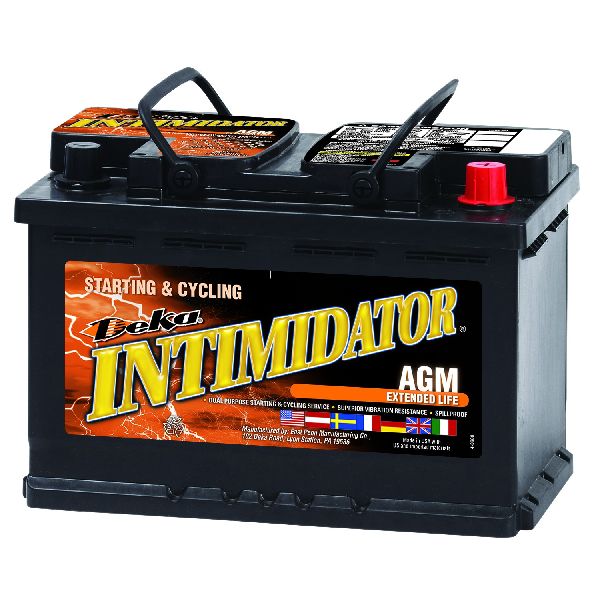
Aftermarket price range: $250-$500 - Automotive Battery — A weak or failing battery is a primary cause of low voltage conditions that disrupt module communication.
Trusted brands: ACDelco, Interstate, DieHard
OEM price range: $200-$300
Aftermarket price range: $150-$250 - Body Control Module (BCM)
(OEM #25860480, 20839968)— A known failure point on this platform that can cause U0100. A faulty BCM can create network-wide communication chaos. TSB 20-NA-206 points to BCM failure as a cause.
Trusted brands: ACDelco (OEM)
OEM price range: $250-$400
Aftermarket price range: $150-$300
Related Codes That Often Appear With This One
- U0101 — Lost Communication with TCM. The ECM and TCM are on the same high-speed CAN bus. A wiring problem affecting one often affects the other.
- U0121 — Lost Communication with ABS Module. This indicates a wider network problem, pointing more towards a wiring issue or a central module fault (like the BCM) than a single failed module.
- U0140 — Lost Communication with Body Control Module. Like other U-codes, its presence suggests a network-wide fault and may point to the BCM itself as the root cause.
Technical Service Bulletins (TSBs) & Recalls
- 20-NA-206: Notes that a U0100 code can become latched in the Power Steering Control Module after a battery discharge or due to a fault in the Body Control Module, and may not clear with a standard scan tool. The fix may require replacing the BCM.
- TSB Bulletin #18NA097: Notes that U0100 can be associated with transmission issues such as being stuck in gear, a tie-up feeling on shifts, or the PRNDL display blinking.
Platform-Specific Known Issues
- title: Water Intrusion into BCM
Mechanic-Grade Diagnostic Values
- CAN Bus Network Resistance — expected: ~60 ohms. Failure: 120 ohms indicates a break in the circuit or a missing terminating resistor. ~0 ohms indicates a short between the CAN High and CAN Low wires.
- CAN High (GMLAN Serial Data) Voltage — expected: ~2.5V to 3.5V (Key On, Engine Off). Failure: Voltage significantly outside this range indicates a bus problem.
- CAN Low (GMLAN Serial Data) Voltage — expected: ~1.5V to 2.5V (Key On, Engine Off). Failure: Voltage significantly outside this range indicates a bus problem.
- ECM Ground Circuit Resistance — expected: < 0.2 ohms. Failure: Higher resistance indicates a poor ground connection, which is a common cause of module communication issues.
Scan Tool Commands That Help
- GDS2/Tech2: Module Status / High Speed CAN Bus Device List — This function polls all modules on the high-speed network. For a U0100 code, you would use this to see which other modules are reporting 'No Communication' with the ECM. If multiple modules are offline, it points towards a network-wide wiring or BCM issue rather than a failed ECM.
- GDS2/Tech2: Power Mode - Accessory / Run — Using the scan tool to command different power modes can help diagnose intermittent issues. If the U0100 code only appears or disappears during specific power mode transitions commanded by the scan tool, it can point to a problem with ignition voltage feeds or a faulty BCM that controls these states.
Wiring & Ground Locations
- G103 — On the left (driver's) side of the engine compartment, located on the inner fender panel or cowl, often near the brake booster.. This is a critical ground point for multiple modules, including the Body Control Module (BCM) and the Data Link Connector (DLC). A loose or corroded G103 can cause widespread communication faults, including U0100.
- G110 — On the right front of the engine, mounted to the cylinder head.. This is a primary ground point for the Engine Control Module (ECM). A poor connection here directly impacts the ECM's ability to power on and communicate.
- ECM Connector X1 & X2 — Connected to the Engine Control Module, located on the left side of the engine bay.. These are the main data and power connectors for the ECM. The High Speed GMLAN (CAN) wires are located here (Pin 50 on X1 - TAN/BLK, Pin 49 on X1 - TAN). Verifying voltage and continuity at these connectors is a key diagnostic step.
- Underhood Fuse Block — Located in the engine compartment, typically above the right front wheel well.. This fuse block contains critical fuses and relays that supply power to the ECM (e.g., 'ECM/PCM' fuse, 'ETC/ECM' fuse). A blown fuse or faulty relay here will prevent the ECM from powering on, causing a U0100 code.
Real Owner Repair Stories
- acadiaforum.net user (2008 GMC Acadia (Lambda Platform Sibling)) — Vehicle would not start, displayed 'Service Stabilitrak', 'Service Traction Control', 'Engine Power is Reduced'. Multiple U-codes present including U0100.
❌ Tried (didn't work) Replacing the battery., Checking all visible fuses.
✅ What actually fixed it The owner discovered significant corrosion inside the main underhood fuse block. Water had leaked in over time, corroding the contacts for multiple fuses and relays, including the one for the ECM. After removing the fuse block, cleaning all contacts extensively with electrical cleaner and a wire brush, and applying dielectric grease, all communication was restored and the vehicle started. - NHTSA ODI #11242729 — An owner reported that while driving, all gauges dropped to zero. Diagnostic scans revealed a cascade of communication failures including U0100, U0140, and U0120, indicating an intermittent failure of the Engine Control Module and other network components.
- NHTSA ODI #10918054 — A report describes a vehicle returned to the owner with active codes for U0100 (Lost Communication with ECM), U0140 (Lost Communication with Body Control Module), and U0128, highlighting how these codes often appear together during complex electrical failures.
- NHTSA ODI #11714262 — A cross-manufacturer report notes a vehicle failing an annual smog check due to U0100 appearing alongside P0700, which is specifically related to transmission communication issues.
"I Checked Everything" — The Actual Cause
- A common scenario for U0100 is when all wiring shows good continuity with a multimeter, but the connection is still faulty. This is often due to 'fretting corrosion' on the connector terminals. It's a fine, dark dust of oxidized metal particles that builds up from micro-vibrations. It doesn't cause a full open circuit that a multimeter would detect, but it creates enough resistance to corrupt the high-speed data signals of the CAN bus. The fix is to disconnect the module (ECM, BCM), clean the pins with a dedicated electrical contact cleaner, and apply dielectric grease before reconnecting to seal out air and prevent future vibration-induced corrosion.
OEM Part Supersession History
12618036, 12622946→19300016 (ACDelco Remanufactured)— Standard production updates and transition to remanufactured units for service replacement.
Heads up: While other ECMs like 12633238 may be used on other GM V6 vehicles from the era, it is critical to use the part number specified for the Enclave's specific platform and software. Using a physically similar but incorrect ECM will result in a no-start condition and further communication codes.
Diagnostic Flowchart
Other Known Issues on This Vehicle
Issues unrelated to this code that are worth knowing about as an owner of this generation:
- 3.6L V6 Timing Chain Stretch 🔴 High — Very common, often appearing between 70,000 and 120,000 miles. Exacerbated by long oil change intervals recommended by the original oil life monitor software. (Ref: GM Special Coverage Adjustment #11340C (expired) extended the warranty for this issue on some 2009 models.)
- 6T75 Transmission 3-5-R Wave Plate Failure 🔴 High → Shop Transmission Assembly — A notorious issue in 2008-2009 models, leading to sudden loss of 3rd, 5th, and reverse gears. Can occur as early as 20,000 miles but is common at higher mileages. (Ref: GM Special Coverage 14404B extended warranty coverage to 10 years/120,000 miles for this specific failure.)
- Power Steering Pump/Rack Failure 🟠 Medium — Commonly results in stiff steering or a complete loss of power assist, particularly at low speeds. Many owners report multiple replacements. (Ref: GM Special Coverage Adjustment 14329B provided an extended warranty of 10 years/150,000 miles for this issue.)
- Water Pump Leak 🟠 Medium — The water pump is prone to leaking coolant, often noticeable on the passenger side of the engine bay. Failure can lead to overheating.
Used vs. New Parts: Buying Guide for This Vehicle
When a used part is the smart pick: For this repair, used parts are generally a poor choice for control modules but acceptable for wiring components. A used wiring harness pigtail or a section of the CAN bus harness from a junkyard vehicle can be a cost-effective fix if the damage is localized and the donor part is in good condition.
Donor-vehicle mileage cap: roughly under 120000 miles for the part to have meaningful remaining life.
What to inspect on the donor part:
- For wiring: Check for flexibility; avoid harnesses that are brittle or stiff.
- Inspect connectors for any signs of green or white corrosion on the pins.
- Ensure locking tabs on connectors are intact and not broken.
- Avoid parts from vehicles that show signs of flood or fire damage.
OEM-only on this vehicle (don't cheap out):
- Engine Control Module (ECM)
- Body Control Module (BCM)
Aftermarket brands forum-validated for this vehicle:
- ACDelco (OEM Remanufactured for modules)
- Standard Motor Products (for connectors and pigtails)
Brands owners have reported issues with on this vehicle:
- Unnamed, no-brand ECM/BCM 'repair services' or pre-programmed modules from online marketplaces without a significant warranty and clear return policy. Programming is critical and often done incorrectly by non-specialists.
Real Owner Stories
Aggregated from forums and TSBs cited above. Mileages and costs reflect what owners reported in those sources.
2008 Buick Enclave 3.6L
Symptoms: Dead - No Crank/No Start/No DIC. The owner performed a multi-page diagnostic effort checking all wiring and grounds.
What fixed it: Replacing the Engine Control Module (ECM).
Source hint: enclaveforum.net thread titled 'Dead - No Crank/No Start/No DIC' featuring contributor 'rbarrios'
2007-2009 GMC Acadia 3.6L
Symptoms: Intermittent U0100 over a multi-year period. Multiple dealer visits failed to find common issues like chafed wires or bad grounds.
What fixed it: Replacing the Body Control Module (BCM).
Source hint: acadiaforum.net thread titled 'U0100 Again!'
2008 Buick Enclave 3.6L
Symptoms: Electrical problems and a transmission code that would stop the vehicle from shifting; suspected main bus issue possibly due to past alternator failure or water intrusion.
What fixed it: Investigation of the Body Control Module (BCM) for water intrusion damage.
Source hint: reddit.com/r/MechanicAdvice
Related OBD-II Codes
Frequently Asked Questions
Can TSB 20-NA-206 explain why my 2008 Enclave has a U0100 code that won't clear?
Is there any special coverage for the transmission issues I'm seeing alongside my U0100 code?
Could the timing chain issue common on the 2009 Enclave be related to my communication codes?
I heard the wiring near the headlights can cause U0100 on this platform. Is that true?
Why does my Enclave's instrument cluster flicker when the U0100 code is active?
Can a weak battery really cause a 'No Crank' U0100 condition on a 2008 Buick Enclave?
Helpful Videos
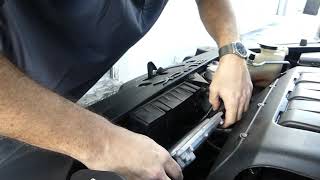
![How To Test CAN BUS With A Multimeter [CAN Bus Resistance Check] Mechanic Mindset](https://img.youtube.com/vi/JPE42HSJxAk/mqdefault.jpg)
Used OEM Parts in Stock
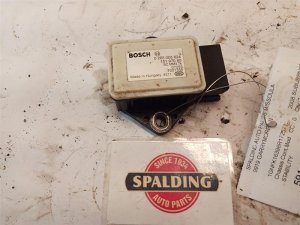
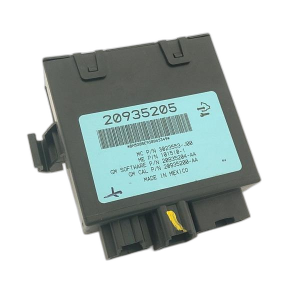
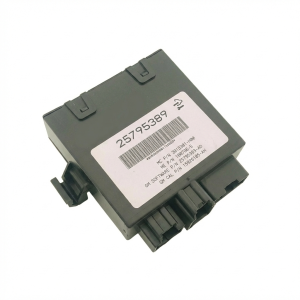
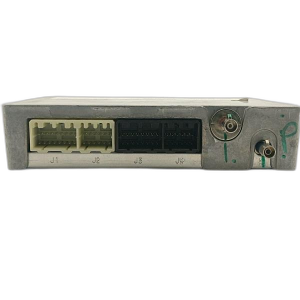
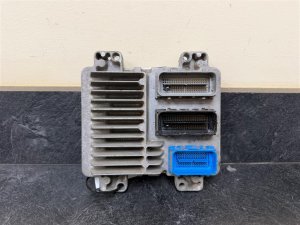
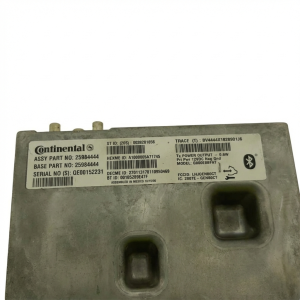
New Aftermarket Parts Available


The information in this article is provided for general reference and educational purposes only. Vehicle specifications, procedures, and part compatibility can vary by production date, trim level, and region. Always consult your vehicle's factory service manual and verify part numbers before purchasing or performing repairs. Safety-critical components such as airbags, seat belts, and braking systems should be installed by a qualified professional.
- Buick Enclave:
- 🧭 Diagnostic Flowchart
- 🎬 Helpful Videos
- 🛍️ Shop This Part
- What's Unique About the 2008-2009 Buick Enclave
- Symptoms You May Notice
- Most Likely Causes
- Rare But Worth Checking
- Diagnosis Steps
- Parts You'll Likely Need
- Related Codes That Often Appear With This One
- Technical Service Bulletins (TSBs) & Recalls
- Platform-Specific Known Issues
- Mechanic-Grade Diagnostic Values
- Scan Tool Commands That Help
- Wiring & Ground Locations
- Real Owner Repair Stories
- "I Checked Everything" — The Actual Cause
- OEM Part Supersession History
- Other Known Issues on This Vehicle
- Used vs. New Parts: Buying Guide for This Vehicle
- Real Owner Stories
- 2008 Buick Enclave 3.6L
- 2007-2009 GMC Acadia 3.6L
- 2008 Buick Enclave 3.6L
- Related OBD-II Codes
- Frequently Asked Questions
- 🎟️ Get 5% Off