

U0100 on 2011-2018 Volvo S60: Lost Communication With ECM Causes and Fixes
On a 2011-2018 Volvo S60, code U0100 most often points to a weak battery, corroded ground straps, or a blown fuse. Before suspecting an expensive module failure, thoroughly check the vehicle's basic electrical system. The Central Electronic Module (CEM) is also a common culprit due to potential water damage.
- Always start your diagnosis of U0100 on a 2011-2018 S60 by checking the battery, fuses, and ground connections.
- This code is serious and can leave you stranded; address it promptly.
- Do not replace the ECM unless all other, more common, electrical and wiring issues have been definitively ruled out.
- A Volvo-specific scan tool is highly recommended for accurate diagnosis, as it can communicate with all modules and pinpoint the source of the network failure.
- Check the CEM for signs of water damage, as this is a known weak point on this platform.
What's Unique About the 2011-2018 Volvo S60
The Volvo S60 from this generation (P3 platform) is highly sensitive to electrical system health. Unlike many other vehicles where U0100 might immediately suggest a failed ECM, on this Volvo, the root cause is frequently a more basic electrical problem. A weak or failing battery is a very common trigger for communication codes, as voltage drops can interrupt the CAN bus. A corroded engine-to-chassis ground strap or a simple blown fuse can also disrupt the network and trigger this code. Furthermore, the Central Electronic Module (CEM), which acts as the network gateway, is a known weak point susceptible to water damage from clogged sunroof drains or a poorly sealed windshield, making it another common culprit before the ECM itself is condemned.
Symptoms You May Notice
- Check Engine Light is illuminated
- Vehicle may not start or may be hard to start
- Engine may stall intermittently while driving
- Transmission may shift erratically or get stuck in one gear ('limp mode')
- Other warning lights, such as for the ABS or transmission, may appear
- "Immobilizer, see manual" message may display, often tied to low battery voltage
- "Low Battery Voltage" message on the dash
- All dashboard lights go blank when trying to start the car, accompanied by clicking from the fuse box
- Replacing the ECM without first checking the battery, fuses, and ground connections. This is an expensive mistake as these simpler items are more common failure points on this platform.
Most Likely Causes
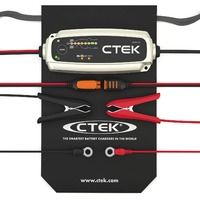
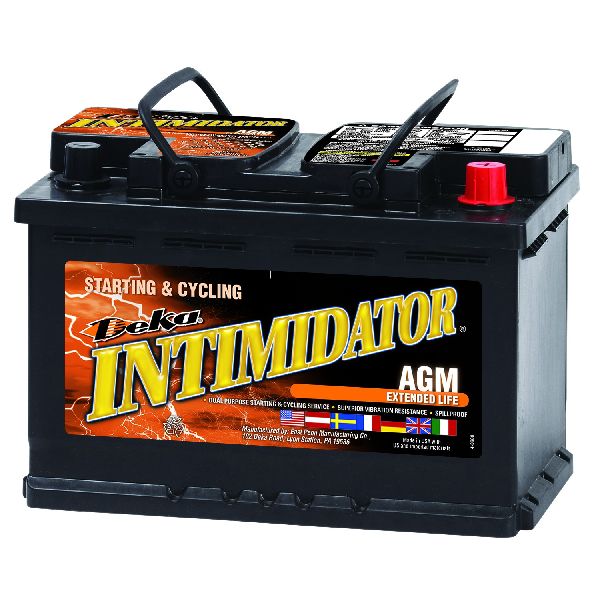
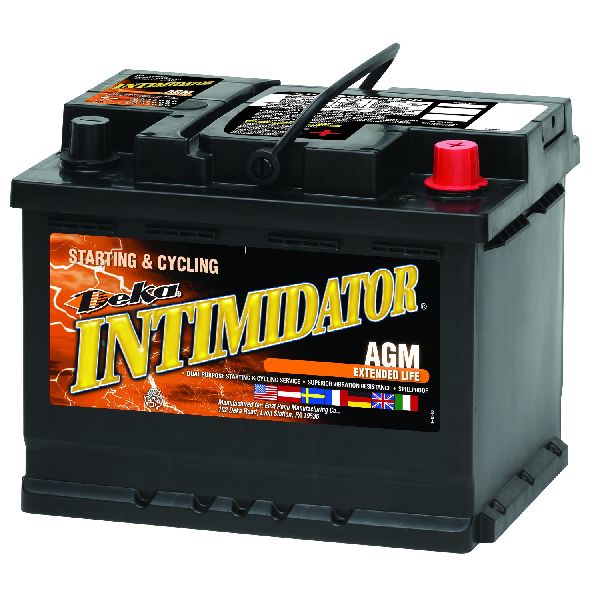
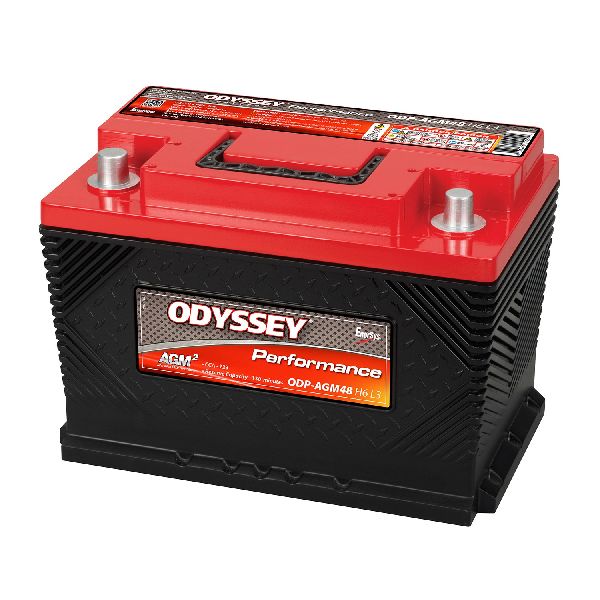
- Weak or Failing Battery 🔴 High Probability → Shop Vehicle Battery The P3 platform is notoriously sensitive to low voltage, which can cause unpredictable communication errors between modules. A weak battery is the most common trigger for network codes like U0100.
How to confirm: Test the battery with a multimeter (should be >12.4V with engine off) and a load tester to check its health. Many auto parts stores offer free battery testing. A battery showing good voltage might still fail under load.
Typical fix: Replace the vehicle's 12V battery. Ensure the replacement meets or exceeds OEM specifications 🎬 Watch: How to replace the battery on your S60 for Cold Cranking Amps (CCA) and capacity.
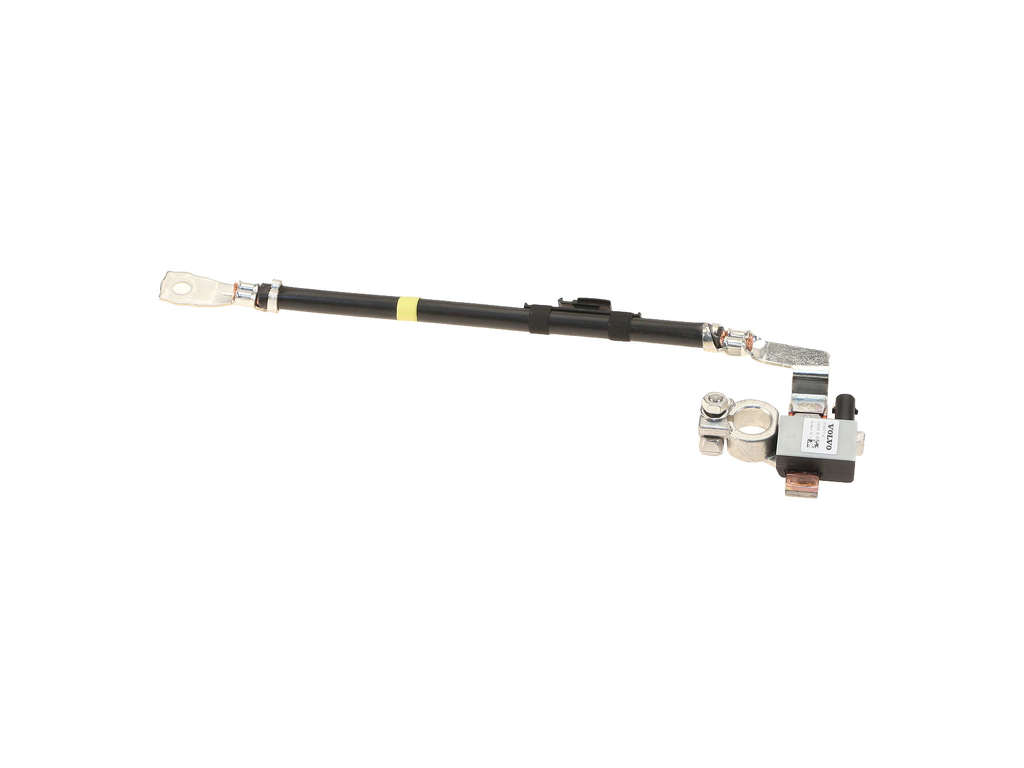
Est. part cost: $150-$400 - Corroded or Loose Ground Straps/Terminals 🟡 Medium Probability → Shop Engine Ground Strap The main engine-to-chassis ground strap is exposed to the elements and can corrode over time, creating high resistance that disrupts module communication. This is a well-documented fix in owner forums.
How to confirm: Visually inspect the main battery terminals and the primary ground straps from the engine to the chassis. Look for green or white corrosion, and ensure connections are tight. A voltage drop test across the ground strap is the definitive method.
Typical fix: Remove, thoroughly clean the strap ends and contact points with a wire brush, and re-tighten. Replace any heavily corroded straps or terminals.
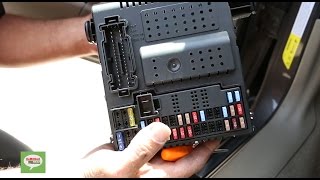
Est. part cost: $15-$75 - Blown Fuse 🟡 Medium Probability A simple blown fuse for the ECM, TCM, or CEM can completely halt communication. Some models have an integrated maxi-fuse on the main battery cable that can crack internally, causing intermittent no-start and communication faults.
How to confirm: Check the fuse boxes in the engine bay and inside the vehicle (glove box or under dash). Consult the owner's manual to identify and inspect fuses labeled 'ECM,' 'PCM,' or 'TCM'. Test with a multimeter for continuity.
Typical fix: Replace the blown fuse with a new one of the correct amperage.
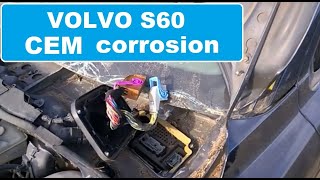
Est. part cost: $1-$5 - Faulty Central Electronic Module (CEM) ⚪ Low Probability The CEM is located under the dashboard on the driver's side and is vulnerable to water damage from clogged sunroof drains or a leaking windshield cowl. This is a known P3 platform issue.
How to confirm: Inspect the CEM and its connectors for any signs of green/blue corrosion or water intrusion. Check the carpets and headliner for dampness. A Volvo-specific scanner is needed to check for codes stored in the CEM, which often accompany U0100 when the CEM is the cause.
Typical fix: The CEM must be removed, cleaned, and tested. If faulty, it needs to be replaced and programmed to the vehicle by a dealer or specialist.
Est. part cost: $600-$1200 - CAN Bus Wiring Harness Fault ⚪ Low Probability Wires can become chafed, corroded, or damaged over time, especially in the engine bay where they are exposed to heat and vibration, or near areas prone to water intrusion.
How to confirm: Visually inspect the wiring harnesses connected to the ECM and TCM. Check for resistance between the CAN High and CAN Low wires at the OBD-II port (should be 60 Ohms with the battery disconnected). This is an advanced diagnostic step.
Typical fix: Repair the damaged section of the wiring harness. This requires identifying the specific broken wire and splicing in a new section.
Est. part cost: $5-$100 for repair, much higher for harness replacement
Rare But Worth Checking
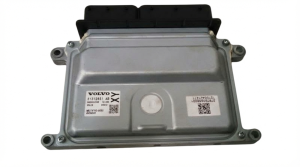
- Faulty Engine Control Module (ECM): → Shop Engine Control Module (ECM) While this is the module named in the code, it is often the last component to fail. All other power, ground, and network issues should be ruled out before condemning the ECM.
- Faulty Alternator/Voltage Regulator: → Shop Alternator A failing alternator or, more commonly on these Volvos, a bad voltage regulator can cause voltage spikes or drops that disrupt network communication, leading to a U0100 code and a 'Low Battery Voltage' message.
Diagnosis Steps
- Read all fault codes from all modules using a Volvo-specific scanner like VIDA. Note which modules are not communicating.
- Check the battery voltage and perform a load test. Ensure it is fully charged and healthy (>12.4V engine off).
- Inspect battery terminals and main engine/chassis ground straps for corrosion and tightness. The main engine ground is a very common culprit. Clean or replace as needed.
- Check all fuses related to the ECM, TCM, and CEM in both the engine bay and interior fuse panels. Pay special attention to any large maxi-fuses connected to the battery positive terminal.
- Inspect the Central Electronic Module (CEM) under the driver's side dashboard for any signs of water damage or corrosion on its connectors. Check for damp carpets or a musty smell.
- Visually inspect the wiring harness going to the ECM and TCM for any signs of chafing, melting, or other damage.
- If equipped with the tools, measure the resistance of the CAN bus at the OBD-II port (pins 6 and 14). It should be 60 ohms with the battery disconnected. This verifies the integrity of the network's terminating resistors.
- If all other steps fail to identify the issue, the ECM may be faulty and require testing by a specialist.
Parts You'll Likely Need
- Battery — A weak battery is the most frequent cause of network communication codes on this platform.
Trusted brands: Volvo (OEM), Interstate, DieHard
OEM price range: $250-$400
Aftermarket price range: $150-$300 - Engine Ground Strap
(OEM #30755733)— Corrosion on this part creates high resistance, leading to intermittent electrical and communication faults. A frequent and inexpensive fix.
Trusted brands: Volvo (OEM)
OEM price range: $40-$75
Aftermarket price range: $15-$40 - Engine Control Module (ECM) — This is the least likely cause, only to be replaced after all other possibilities are exhausted. It requires programming to the vehicle.
Trusted brands: Bosch, Volvo (OEM)
OEM price range: $1000-$1500
Aftermarket price range: $600-$1000 (Remanufactured)
Related Codes That Often Appear With This One
- U0101 — Indicates 'Lost Communication with TCM'. The ECM and TCM are on the same high-speed network, so a network-wide fault often causes both codes to appear together.
- U0140 — Indicates 'Lost Communication with Body Control Module' (the CEM on a Volvo). If this code is present, it strongly suggests the CEM or its related wiring is the source of the problem.
Technical Service Bulletins (TSBs) & Recalls
- TJ 26575 - A Technical Journal that may address ECM software updates to resolve communication issues.
- R29159 - A recall campaign from November 2010 for 2011 models that included ECM/TCM software updates.
Platform-Specific Known Issues
- Volvo issued a Technical Journal (TJ 26575) and a recall (R29159) for some 2011 models related to ECM/TCM software. It is worth checking with a dealer to see if your vehicle's software is up to date, as this can sometimes resolve communication
Mechanic-Grade Diagnostic Values
- CAN Bus Network Resistance — expected: Approximately 60 Ω. Failure: A reading of 120 Ω indicates an open circuit or a missing terminating resistor. A reading significantly below 50 Ω can indicate a short circuit between CAN lines or a faulty module transceiver.
- CAN High Voltage (Key On, Engine Off) — expected: Approximately 2.6V. Failure: Significant deviation, 0V, or being identical to CAN Low voltage suggests a short to ground, short to power, or short between the lines.
- CAN Low Voltage (Key On, Engine Off) — expected: Approximately 2.4V. Failure: Significant deviation, 0V, or being identical to CAN High voltage suggests a short to ground, short to power, or short between the lines.
- Alternator Output Voltage (Engine Idling) — expected: 13.5V - 14.8V. Failure: Voltage fluctuating wildly or rising above 15V indicates a failing voltage regulator, which can disrupt module communication.
Hidden / Shadow Codes Worth Checking
- CEM-U010000: This is the Volvo-specific fault code for 'Lost Communication with Engine Control Module' stored within the Central Electronic Module (CEM). Its presence points more directly toward a network or CEM issue rather than an ECM failure alone. (see via Requires a Volvo-specific diagnostic tool like VIDA or a high-end professional scanner capable of reading manufacturer-specific codes from all modules.)
Scan Tool Commands That Help
- Volvo VIDA (Vehicle Information & Diagnostics for Aftersales): CEM Reload / Software Update — If no physical faults (wiring, grounds, power) are found, a software glitch within the CEM can cause communication loss. A 'CEM Reload' function reinstalls the module's software. This is often a necessary step after ruling out basic electrical issues and before condemning the CEM hardware.
- Volvo VIDA: Network Test — This function actively polls all control modules on the network and displays which ones are communicating and which are not. It provides a complete overview of the CAN bus health and helps isolate which module is offline, confirming the U0100 is not a false positive.
- Autel IM608 Pro (or similar advanced tool): Read/Write CEM Data (Bench) — When replacing a faulty CEM with a used unit, the immobilizer and vehicle configuration data must be transferred from the old module to the donor. This function reads the data from the original CEM's EEPROM and writes it to the replacement, a process known as 'cloning'.
Wiring & Ground Locations
- 31/4 — On the engine block. This is a primary engine ground point.. This is the main ground connection for the engine and its associated electronics, including the ECM. Corrosion or looseness here can create high resistance, causing intermittent power loss to the ECM and triggering U0100.
- 31/2 — On the left MacPherson strut tower in the engine bay.. This is a major chassis grounding point. Multiple systems ground here, and poor contact can introduce electrical noise and voltage drops that disrupt CAN bus communication.
- CEM Connector — Under the driver's side dashboard, above the pedals. It's a large module with several multi-pin connectors.. This is the central hub for network communication. The high-speed (engine/trans) and low-speed (body) CAN buses meet here. Water intrusion from a clogged sunroof drain often corrodes these connectors, causing a total network breakdown.
- High-Speed CAN Terminating Resistors — For this platform, the two 120-ohm terminating resistors are located inside the Engine Control Module (ECM) and the ABS/BCM module.. The network requires exactly two terminating resistors to function. If one of these modules fails internally or is disconnected, the network resistance will change from 60 ohms to 120 ohms, causing communication to become unstable or fail completely.
Real Owner Repair Stories
- YouTube video by NASSTRAC LLC (2012 Volvo S60) — Code CEM-U010100 (Lost communication with TCM), which is closely related to U0100.
❌ Tried (didn't work) The video focuses on the solution rather than failed attempts.
✅ What actually fixed it A single blown 15-amp fuse in the engine bay fuse box was responsible for the communication loss between the modules. Replacing the fuse restored communication.
OEM Part Supersession History
Multiple, e.g., 30786889, 31282455→31394157— Revisions to improve reliability and address known failure modes like internal relay faults or susceptibility to water damage.
Heads up: While many part numbers exist, cloning the original module's software to the replacement is critical. A replacement CEM, even with a correct part number, will not work without being programmed (cloned) with the original vehicle's data.
Model Year Variations Within This Range
- 2014-2018: A significant facelift occurred for the 2014 model year, which included a new digital instrument cluster (TFT) and updated front-end styling. While the underlying CEM and network architecture remained similar, the software and configurations changed.
- 2015-2016: These years were a transition period. Volvo introduced the new 4-cylinder 'Drive-E' engines alongside the older 5-cylinder and 6-cylinder engines. This means a 2015 S60 could have one of several different engines and either a 6-speed or a new 8-speed automatic transmission, affecting which ECM is installed and its software.
Diagnostic Flowchart
Other Known Issues on This Vehicle
Issues unrelated to this code that are worth knowing about as an owner of this generation:
- Excessive Oil Consumption 🔴 High — Common on certain 4-cylinder (VEP4) and 5-cylinder (I5T) engines, often due to piston ring design. Can manifest before 100,000 miles. (Ref: Volvo issued extended warranty programs and TSBs like P10183, P10207, and TJ 29871 to address this, involving oil consumption tests and potential piston ring replacement.)
- Powershift Transmission Problems (MPS6/6DCT450) 🔴 High → Shop Transmission Assembly — Affects models equipped with the dual-clutch Powershift transmission. Symptoms include shuddering, hesitation, and jerky shifts, particularly at low speeds. (Ref: No specific recall, but a widely known issue. Fixes often involve expensive mechatronic unit or clutch pack replacement. Regular fluid changes are critical.)
- Sunroof Drain Clogs & Water Leaks 🟠 Medium — Very common across the P3 platform. If not cleaned regularly, the drains clog with debris, causing water to overflow into the cabin, potentially damaging the CEM and other electronics. (Ref: No recall, but numerous owner guides and videos exist for this preventative maintenance task.)
- Front Strut Mount Failure 🟡 Low — Owners report hearing clunking or popping noises from the front suspension when going over bumps or turning the steering wheel.
- High-Pressure Fuel Pump Failure 🟠 Medium — Can affect turbocharged direct-injection engines, leading to hesitation, stalling, and trouble codes related to fuel pressure. (Ref: Volvo has issued Technical Journals (e.g., for 2014 models) requiring dealer prior approval for fuel pump replacements under warranty, indicating it's a monitored issue.)
Used vs. New Parts: Buying Guide for This Vehicle
When a used part is the smart pick: A used Central Electronic Module (CEM) is a very common and cost-effective repair strategy, but ONLY if you use a service to clone the data from your original module to the used one. A used ground strap or fuse box is also a perfectly acceptable repair.
Donor-vehicle mileage cap: roughly under 80000 miles for the part to have meaningful remaining life.
What to inspect on the donor part:
- For a CEM, ensure the part number is an exact match or a known compatible replacement.
- Inspect the donor CEM's connectors for any signs of blue/green corrosion or water stains. Do not buy a module that shows any sign of water damage.
- Source parts from a vehicle in a dry, salt-free climate if possible to minimize corrosion risk.
- Verify the return policy of the salvage yard or seller in case the donor part is also faulty.
OEM-only on this vehicle (don't cheap out):
- Engine Control Module (ECM): Due to complex software and security integration, using a new OEM part programmed by a dealer or a reputable specialist like XeMODeX is the most reliable path if the ECM is condemned.
Aftermarket brands forum-validated for this vehicle:
- XeMODeX: Widely regarded in Volvo forums as the gold standard for repairing, rebuilding, and cloning CEMs and other modules. They often improve upon the original design to prevent future failures.
- Module Repair Pro: Another company mentioned for CEM repair services with a lifetime warranty on the repair.
Brands owners have reported issues with on this vehicle:
- Unbranded, cheap eBay CEMs that do not come with a cloning service or a warranty. Installing a non-cloned CEM will result in a no-start condition as the immobilizer data will not match the vehicle.
Real Owner Stories
Aggregated from forums and TSBs cited above. Mileages and costs reflect what owners reported in those sources.
2012 Volvo S60
Symptoms: Water leak via sunroof drain tubes causing electrical issues.
What fixed it: Addressing the sunroof drain leak to prevent further Central Electronic Module (CEM) failure.
Source hint: volvoforums.com thread titled '2012 Volvo S60 - Water leak via sunroof'
2011-2018 Volvo S60
Symptoms: Owner experienced the 'Immobilizer, see manual' message.
What fixed it: Recharging or replacing a drained battery, resolving the low-voltage sensitivity issue.
Source hint: volvoforums.com thread titled 'Battery drained / Immobilizer problem revisited'
2011-2018 Volvo S60
Symptoms: Engine cut-out, intermittent start, and random codes including U0100.
What fixed it: The owner suspected a failing ECM after ruling out other electrical issues.
Source hint: volvoforums.org.uk thread titled 'Cut-Out, intermittent start, random codes'
Related OBD-II Codes
Frequently Asked Questions
Does my 2011 Volvo S60 have any recalls or software updates related to the U0100 code?
My S60 dashboard displays 'Immobilizer, see manual' and won't start. Is this related to U0100?
Can a sunroof leak cause a U0100 code on my Volvo S60?
I see clicking from the fuse box and my dash lights went blank. What should I check first?
Is there a specific fuse I should check for communication errors with the ECM or TCM?
Helpful Videos


Used OEM Parts in Stock
New Aftermarket Parts Available


The information in this article is provided for general reference and educational purposes only. Vehicle specifications, procedures, and part compatibility can vary by production date, trim level, and region. Always consult your vehicle's factory service manual and verify part numbers before purchasing or performing repairs. Safety-critical components such as airbags, seat belts, and braking systems should be installed by a qualified professional.
- Volvo S60:
- 🧭 Diagnostic Flowchart
- 🎬 Helpful Videos
- 🛍️ Shop This Part
- What's Unique About the 2011-2018 Volvo S60
- Symptoms You May Notice
- Most Likely Causes
- Rare But Worth Checking
- Diagnosis Steps
- Parts You'll Likely Need
- Related Codes That Often Appear With This One
- Technical Service Bulletins (TSBs) & Recalls
- Platform-Specific Known Issues
- Mechanic-Grade Diagnostic Values
- Hidden / Shadow Codes Worth Checking
- Scan Tool Commands That Help
- Wiring & Ground Locations
- Real Owner Repair Stories
- OEM Part Supersession History
- Model Year Variations Within This Range
- Other Known Issues on This Vehicle
- Used vs. New Parts: Buying Guide for This Vehicle
- Real Owner Stories
- 2012 Volvo S60
- 2011-2018 Volvo S60
- 2011-2018 Volvo S60
- Related OBD-II Codes
- Frequently Asked Questions
- 🎟️ Get 5% Off