

U0101 on 2007-2012 Mercedes-Benz GL-Class: Lost Communication with TCM Causes and Fixes
On a 2007-2012 Mercedes GL-Class (X164), code U0101 almost always means the transmission conductor plate, which houses the integrated Transmission Control Module (TCM), has failed. This is a very common failure on the 7G-Tronic (722.9) transmission due to heat and vibration. Repair requires replacing the conductor plate inside the transmission, a 'theft-relevant part' that must be professionally installed and SCN coded to the vehicle. Expect a repair cost of $1,000-$2,500.
- U0101 on a 2007-2012 GL-Class is not a generic wiring problem; it is most likely a failed transmission conductor plate.
- This is not a DIY-friendly repair. The replacement part must be programmed to the vehicle by a professional with Mercedes-specific tools.
- Do not replace the entire transmission. The fault is electronic, and replacing just the conductor plate is the correct repair.
- Symptoms include the vehicle being stuck in gear (limp mode), harsh shifting, or a no-start condition.
- Always use the correct specification of transmission fluid and replace the one-time-use pan bolts during the repair.
What's Unique About the 2007-2012 Mercedes-Benz GL-Class
On the 2007-2012 GL-Class (X164 chassis), which uses the 7G-Tronic (722.9) automatic transmission, the TCM is not a separate, externally-mounted module. Instead, it is integrated directly into the 'conductor plate' (also called a valve body electrics plate or VGS), which is located inside the transmission oil pan, bathed in hot fluid and attached to the valve body. These conductor plates are a widely documented failure point due to internal electronic faults, particularly in the integrated plastic speed sensors which become brittle and fail from constant heat cycles and vibration. As a result, a U0101 code on this specific vehicle points much more strongly to a failed conductor plate than to a simple wiring issue, which is a more common cause on other vehicles.
Symptoms You May Notice
- Vehicle enters 'limp mode,' typically stuck in 2nd gear.
- Harsh, jerky, or banging shifts.
- Inability to select gears, or vehicle won't shift out of Park.
- Check Engine Light and/or transmission warning light is on.
- Engine cranks but will not start, especially when hot or after heavy load like towing.
- Complete loss of power as the transmission fails to engage a gear.
- Gear position indicator on the dashboard may be blank or incorrect.
- ESP, ABS, and 'COLLISION PREVENTION ASSIST INOPERATIVE' messages may appear on the dash.
- Replacing the entire transmission. The U0101 code is an electronic communication issue. Unless there are also mechanical failure codes or symptoms like metal debris in the pan, the transmission itself is usually fine; the controlling electronics (conductor plate) are the problem.
Most Likely Causes
- Failed Transmission Conductor Plate (TCM/VGS) 🔴 High Probability → Shop Transmission Assembly The TCM is integrated into the conductor plate inside the hot transmission, making it prone to failure from heat and vibration. The internal turbine (Y3/8n1) and internal (Y3/8n2) speed sensors are the most common failure points on the 722.9 transmission's conductor plate.
How to confirm: A professional diagnosis with a Mercedes-specific scan tool (like Xentry/DAS) is required. The tool can attempt to communicate directly with the TCM (often designated as control unit Y3/8n4). If the module is offline and power/ground are confirmed at the transmission's connector, the conductor plate has failed.
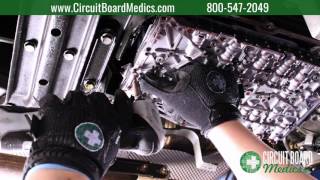
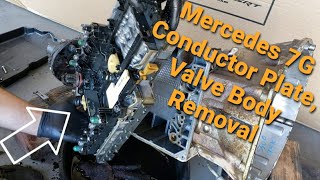
Typical fix: Replace the conductor plate inside the transmission. This involves draining the fluid, removing the pan and valve body, swapping the plate, and refilling. 🎬 See how to remove the conductor plate and valve body The new part MUST be programmed (SCN Coded) to the vehicle. Some specialists offer a mail-in repair service for the original plate, which may not require reprogramming.
Est. part cost: $400-$900 - Low Battery Voltage or Failing Alternator ⚪ Low Probability → Shop Alternator These are complex vehicles with high electrical demands. Low system voltage can cause unpredictable communication errors across various modules, including the TCM.
How to confirm: Test the battery voltage with the engine off (should be >12.4V) and while running (should be 13.5V-14.5V). A failing battery was noted by one owner to cause intermittent limp mode before the U0101 code became permanent.
Typical fix: Charge or replace the battery. If the charging voltage is low, diagnose and replace the alternator.
Est. part cost: $200-$500 - Damaged Wiring or Leaking Connector ⚪ Low Probability The 7-pin transmission connector seal can leak, allowing ATF to wick up the harness and contaminate connections, though this was more common on the older 722.6 5-speed.
How to confirm: Visually inspect the main transmission harness connector for corrosion, bent pins, or fluid contamination from a leaking connector seal. Test for power, ground, and CAN bus signal integrity at the connector leading to the transmission.
Typical fix: Repair the damaged wiring section or replace the transmission connector and seal.
Est. part cost: $50-$200
Diagnosis Steps
- Scan All Vehicle Modules: Use a professional, Mercedes-compatible scan tool (Xentry/DAS) to check for codes in all modules. Note if other modules also have U-codes, which could indicate a broader CAN bus issue. A generic OBD-II scanner is insufficient.
- Check Battery Health: Verify the battery is fully charged and the alternator is providing correct voltage (13.5-14.5V when running). Low voltage is a common cause of network faults and can mimic other failures.
- Attempt Direct Communication: Using the scan tool, try to establish a direct communication link with the Transmission Control Module (N15/3). If it does not respond ('no communication'), it confirms the module is offline.
- Inspect Transmission Connector: Locate the main electrical connector on the side of the transmission. Disconnect it and inspect for any signs of transmission fluid, corrosion, or damaged pins.
- Verify Power and Ground: At the transmission connector harness side, use a multimeter to verify that the TCM is receiving proper battery voltage (typically on Pin 4, Circuit 87) and has a solid ground connection (typically Pin 5, Circuit 31). This step rules out a wiring failure between the fuse box and the transmission.
- Test CAN Bus Signals: If power and ground are good, the CAN bus wires can be checked for proper voltage and resistance. With the battery disconnected, measure resistance between CAN High (Pin 1) and CAN Low (Pin 2); it should be ~60 ohms. With the key on, voltage should be ~2.7V for CAN-H and ~2.3V for CAN-L.
- Condemn the Conductor Plate: If power, ground, and the external CAN bus wiring are all confirmed to be good, the fault is internal to the conductor plate/TCM, which must be replaced or repaired.
Parts You'll Likely Need
- Transmission Conductor Plate (VGS/TCM)
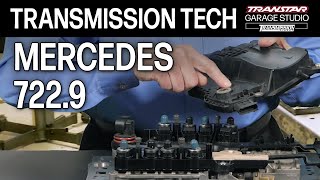
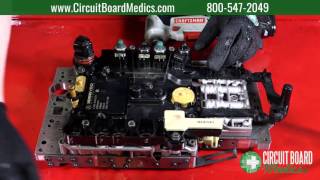
(OEM #A0002702600 (VGS3, common replacement))— This is the most common point of failure for a U0101 code on the 722.9 transmission. It contains the TCM and the failure-prone speed sensors. There are multiple versions (VGS1, VGS2, VGS3); VGS3 is the latest and can replace earlier versions. 🎬 Watch: Step-by-step guide to installing the new conductor plate
Trusted brands: Mercedes-Benz (Genuine), Continental, Remanufactured (e.g., by Circuit Board Medics, Y-Tech)
OEM price range: $600-$900
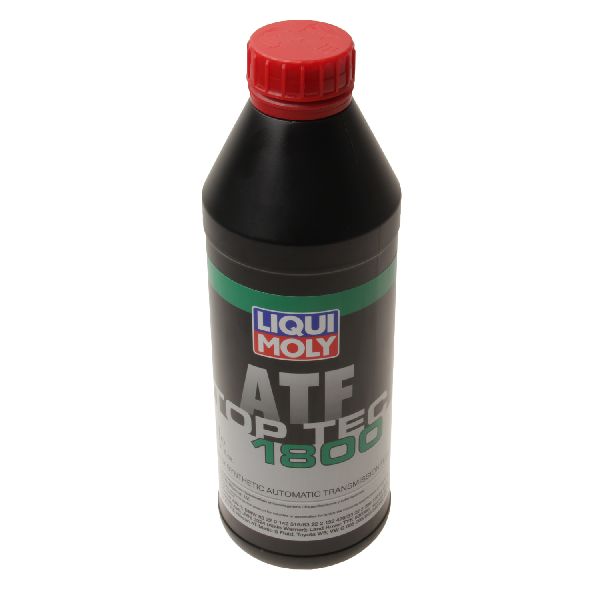
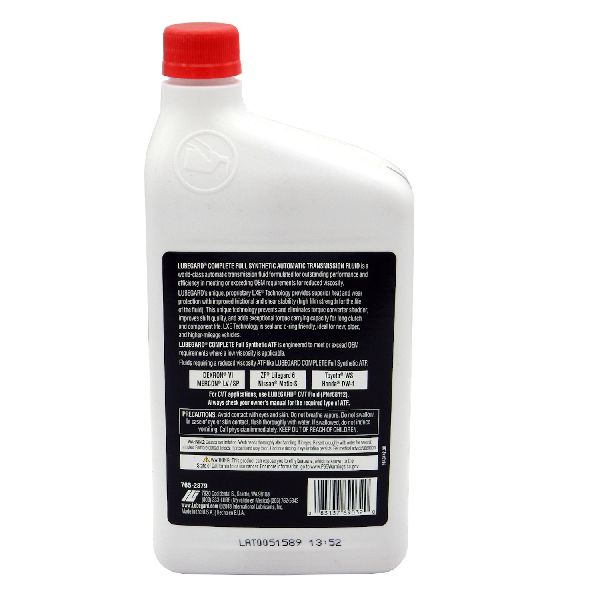
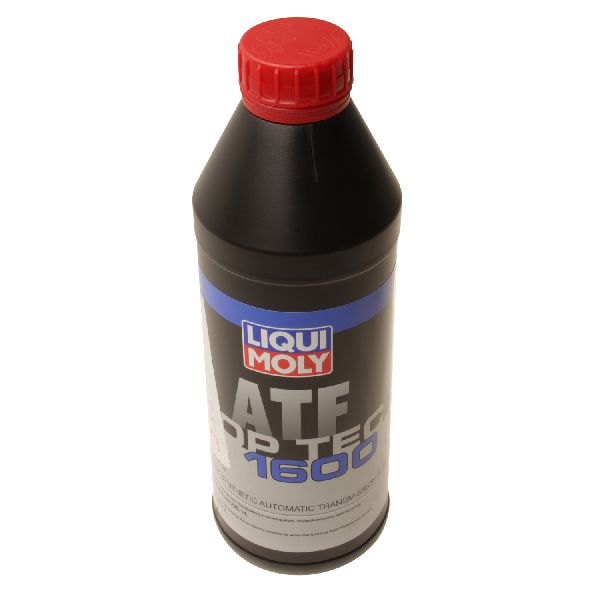
Aftermarket price range: $200-$600 (remanufactured/repaired) - Automatic Transmission Fluid — The transmission must be drained to replace the conductor plate. It must be refilled with fluid meeting the correct Mercedes-Benz specification (e.g., MB 236.14 for red fluid or 236.15 for blue fluid in later models).
Trusted brands: Fuchs Titan ATF 4134, Shell ATF 134, Mercedes-Benz
OEM price range: $20-$25 per liter
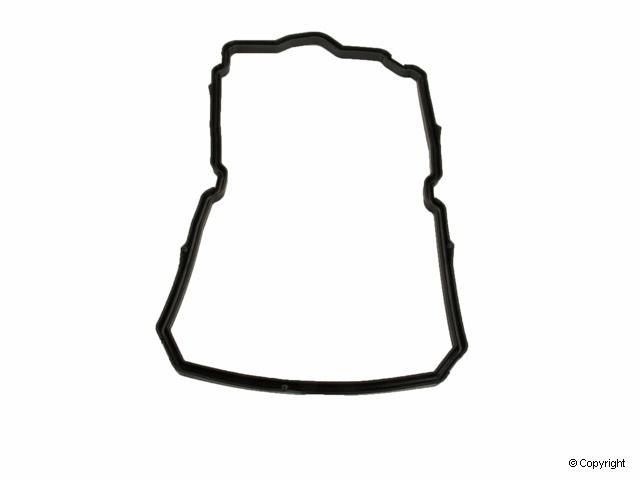
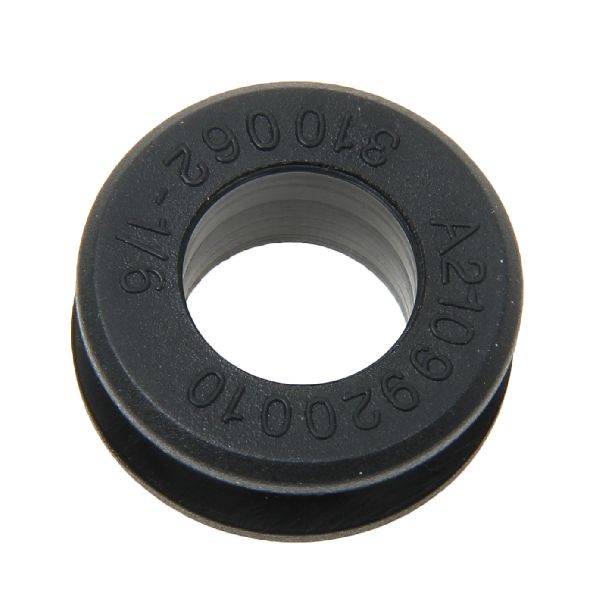
Aftermarket price range: $15-$20 per liter - Transmission Oil Pan Gasket and Bolts — The oil pan must be removed for the repair. The aluminum oil pan bolts are one-time-use (stretch bolts) and must be replaced.
Trusted brands: Mercedes-Benz, Elring, Victor Reinz
OEM price range: $50-$80
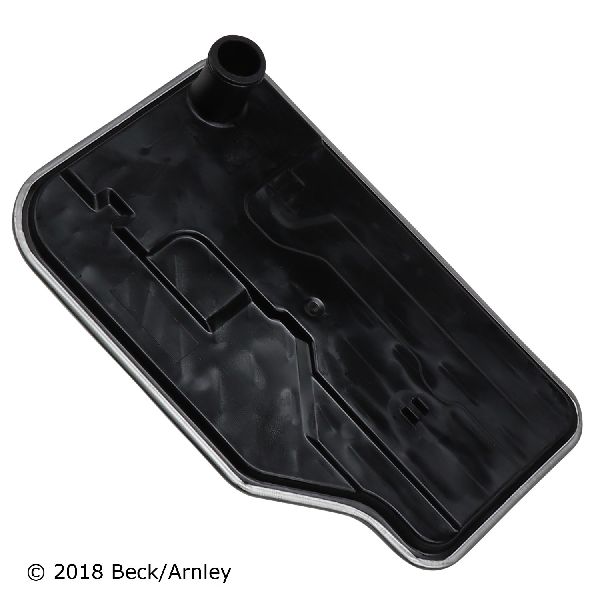
Aftermarket price range: $30-$50 - Transmission Filter — The filter should always be replaced whenever the transmission pan is removed for service.
Trusted brands: Mercedes-Benz, Mann, Mahle
OEM price range: $30-$50
Aftermarket price range: $15-$30
Related Codes That Often Appear With This One
- 0717 — This code indicates 'The signal from component Y3/8n1 (Turbine speed sensor (VGS)) is not available.' Since the speed sensors are part of the conductor plate, their failure often precedes or causes the total communication loss of U0101.
- 2767 — This code means 'The signal from component Y3/8n2 (Internal speed sensor (VGS)) is not available.' Like code 0717, this points directly to a failure of the integrated sensors on the conductor plate.
- 0705 — This code indicates 'Component Y3/8s1 (Selection range sensor (VGS)) is defective.' This sensor is also integrated into the conductor plate and its failure can contribute to the TCM going offline.
- 0513 — This is a generic 'Incorrect Immobilizer Key' code that can sometimes appear alongside network communication failures. One owner reported this code appearing with U0101 during a no-start event after using a dealer-level scan tool.
Platform-Specific Known Issues
- The integration of the TCM into the conductor plate inside the transmission is the primary vehicle-specific issue, making it highly susceptible to heat-related failure.
- Replacement of the conductor plate is restricted by Mercedes-Benz as it is a 'Theft-Relevant Part' (TRP), requiring proof of ownership and mandatory online SCN coding by an authorized professional with a locksmith license.
- There are three main versions of the conductor plate: VGS1 (2004-2007), VGS2, and VGS3. The earliest VGS1 versions required replacement of the entire valve body assembly, while later VGS2/VGS3 plates can be purchased separately.
Mechanic-Grade Diagnostic Values
- CAN Bus Resistance — expected: ~60 Ω (measured between Pin 1 and Pin 2 at the transmission connector with battery disconnected). Failure: Significantly higher or lower resistance indicates a problem with the CAN wiring or a faulty module on the bus.
- CAN High Voltage (Key On) — expected: ~2.7 V (measured at Pin 1 of the transmission connector). Failure: Voltage that is 0V, 5V, or matches battery voltage indicates a short or open in the CAN High wire.
- CAN Low Voltage (Key On) — expected: ~2.3 V (measured at Pin 2 of the transmission connector). Failure: Voltage that is 0V or significantly different from 2.3V indicates a short or open in the CAN Low wire.
- TCM Power Supply Voltage (Key On) — expected: Battery Voltage (~12.6V). Failure: 0V or low voltage indicates a problem with the power supply wire, fuse, or relay.
Hidden / Shadow Codes Worth Checking
- 0513: Drive authorization data not plausible. This is an immobilizer-related code that can be triggered when a new or non-virginized conductor plate is installed without proper SCN coding. It prevents the car from starting as a theft-deterrent measure. (see via Mercedes-Benz Xentry/DAS diagnostic software. Generic OBD-II scanners will not see this specific code.)
- Event Code C426: No start authorization. This event code is stored in the transmission control module when a used, non-virginized TCM is installed. The immobilizer system does not recognize the TCM, preventing vehicle start-up. (see via Mercedes-Benz Xentry/DAS diagnostic software.)
Scan Tool Commands That Help
- Xentry/DAS: Initial Startup — This is a guided process required after installing a new or virginized conductor plate. It includes SCN coding, learning the drive authorization (immobilizer), and teaching the selection range sensor.
- Xentry/DAS or advanced aftermarket tool: Detach Transport Protection / Personalize / Activate — This function 'marries' a new or virginized conductor plate to the vehicle's VIN and immobilizer system. It must be performed for the new module to function.
- Specialized programming tools (e.g., Vediamo): Virginize / Unlock — This is used on a secondhand (used) conductor plate to erase its original VIN and immobilizer data, returning it to a 'new' state so it can be programmed to a different vehicle using Xentry.
Wiring & Ground Locations
- Transmission 7-Pin Connector (4e) — On the driver's side of the 722.9 transmission case.. This is the single point of connection for all power, ground, and communication to the TCM. All external diagnostic tests are performed at this connector.
- Pin 1 & 2 (CAN-C High/Low) — At the 7-pin transmission connector.. These are the two wires that carry all communication between the TCM and the rest of the vehicle. Checking voltage and resistance here confirms the integrity of the CAN bus wiring.
- Pin 4 (Circuit 87 - Power) — At the 7-pin transmission connector.. This pin supplies battery voltage to the TCM. No voltage here means a blown fuse, bad relay, or wiring fault is preventing the TCM from powering on.
- Pin 5 (Circuit 31 - Ground) — At the 7-pin transmission connector.. This pin provides the ground connection for the TCM. A poor ground will prevent the module from operating correctly.
- Front SAM (Signal Acquisition Module) — In the engine compartment, typically on the driver's side under a cover.. The Front SAM contains fuses and relays that supply power to the TCM. A fault in the SAM or a blown fuse (e.g., Fuse 47 in the engine bay fuse box on some models) can cause the U0101 code.
Real Owner Repair Stories
- MBWorld.org user 'a2j' (Mercedes-Benz GL-Class (X164)) — Engine would crank but not start after towing on a warm day, displaying code U0101. The issue would resolve after cooling down but returned when towing again, eventually leading to a no-start.
❌ Tried (didn't work) Diagnosing based on the U0101 and a subsequent 0513 code found with a DAS scanner.
✅ What actually fixed it Replacing the fuel pump. The owner concluded that despite the transmission communication codes, the root cause was fuel starvation. The fuel pump was running but not delivering fuel. - MBWorld.org user 'amgdude' (2007 E350 (W211 with 722.9 transmission)) — U0101 code appeared, transmission would not shift past 1st gear (limp mode).
❌ Tried (didn't work) Initial research pointed to various potential causes.
✅ What actually fixed it The conductor plate was replaced. The user confirmed this is the most common fix for this code on the 7G transmission.
When the Usual Fixes Don't Work
- In one documented case involving an X164 with a U0101 code and a no-start condition that worsened with heat and load (towing), the final solution was not the conductor plate as the code would suggest. After extensive diagnosis, the root cause was determined to be a failing fuel pump that was not providing adequate pressure, despite the onboard computer reporting a transmission communication error. This highlights the importance of checking fundamental systems (fuel, spark, air) even when a specific network code is present.
OEM Part Supersession History
VGS1 Conductor Plate→VGS2, then VGS3 (e.g., A0002702600)— VGS1 and VGS2 plates had higher failure rates. VGS3 is a more robust design.
Heads up: If a vehicle has a VGS1 conductor plate, Mercedes-Benz requires that both the conductor plate AND the entire valve body be replaced as a set when buying new. For VGS2 and VGS3, the conductor plate can be purchased separately.5-pin VGS2 Connector→4-pin VGS3 Connector— The 5th pin was a K-line diagnostic connection that was removed in later VGS3 versions as diagnostics moved entirely to CAN bus.
Heads up: The physical connectors are different. While a VGS3 can replace a VGS2, the software is not directly transferable. The new module must have the correct software flashed for the vehicle, it cannot be cloned from a VGS2 to a VGS3.
Model Year Variations Within This Range
- 2007-2009 (approx.): These earlier models in the range are more likely to have the VGS1 or VGS2 conductor plates, which have a higher failure rate. VGS1 replacement is more expensive as it requires replacing the valve body as well.
- 2010-2012 (approx.): Later models are more likely to be equipped with the more reliable VGS3 conductor plate from the factory. They may also use the blue MB 236.15 ATF fluid instead of the red 236.14 fluid used in earlier models. The fluids are not compatible.
Diagnostic Flowchart
Other Known Issues on This Vehicle
Issues unrelated to this code that are worth knowing about as an owner of this generation:
- Airmatic Suspension Failure 🔴 High — Very common, especially after 80,000-100,000 miles. Leaking air springs (struts/bags), failing compressors, and valve block issues are frequent.
- M273 V8 Balance Shaft/Idler Gear Wear 🔴 High — Affects early production engines (approx. 2007-2008). Worn idler gear sprockets cause timing issues, rattling noise, and check engine lights (P0016/P0017). A class-action lawsuit was settled regarding this issue. (Ref: Class-action lawsuit settlement (expired))
- OM642 Diesel Oil Cooler Seals Leak 🔴 High — Extremely common on all GL320/GL350 CDI/BlueTEC models. The original orange seals degrade, causing a major oil leak into the engine valley that drips down the back of the engine, often misdiagnosed as a rear main seal leak. (Ref: Updated purple Viton seals (A6421880580) were released by Mercedes to fix the issue.)
- Intake Manifold Swirl Flap Failure (M273 & OM642) 🟠 Medium — The plastic levers controlling the intake manifold swirl flaps can break, causing performance issues and fault codes (e.g., P2004, P2005, P2006). On diesel models, heavy carbon buildup can seize the flaps.
- Rear Tailgate Latch/Motor Failure 🟡 Low — Commonly reported issue where the power liftgate fails to open, close, or latch properly due to a faulty motor or control module.
- Water Leaks from Sunroof Drains 🟠 Medium — The sunroof drain tubes can become clogged or detached, allowing water to leak into the cabin, potentially damaging electronics in the footwells or headliner.
Used vs. New Parts: Buying Guide for This Vehicle
When a used part is the smart pick: A used or remanufactured conductor plate is a very common and sensible choice for this repair, often saving over 50% compared to a new OEM part from a dealer. Given the high failure rate, the key is to source from a reputable rebuilder who tests the unit and offers a warranty, or to use a service that can 'virginize' a used part for reprogramming.
Donor-vehicle mileage cap: roughly under 80000 miles for the part to have meaningful remaining life.
What to inspect on the donor part:
- Ensure the part number version (VGS2, VGS3) is compatible with your vehicle.
- Ask if the part has been tested on a bench or vehicle.
- Confirm if the part has been 'virginized' (unlocked). A non-virginized used part is useless as it cannot be programmed to your car.
- Check for any physical damage to the plastic speed sensor stalks or the main electrical connector.
OEM-only on this vehicle (don't cheap out):
- While the conductor plate itself can be sourced from aftermarket rebuilders, the actual programming (SCN Coding) to the vehicle's VIN is a proprietary Mercedes-Benz process. There is no aftermarket equivalent for this specific software function; it must be done with genuine or licensed tools.
Aftermarket brands forum-validated for this vehicle:
- Circuit Board Medics (Repair Service)
- Y-Tech (Repair/Programming Service)
- Sonnax (Offers repair components for valve bodies, but not the full conductor plate)
Brands owners have reported issues with on this vehicle:
- Unknown eBay/Amazon sellers offering 'pre-programmed' units without requiring your VIN or original module for data cloning. These are often just non-virginized used parts that will not work.
Real Owner Stories
Aggregated from forums and TSBs cited above. Mileages and costs reflect what owners reported in those sources.
2011 Mercedes-Benz GL450
Symptoms: Intermittent limp mode preceded by strange behavior of the parking sensor lights, indicating a CAN bus communication problem even before the engine was started.
What fixed it: Replacing a weak battery provided a temporary fix, though it highlighted the sensitivity of the communication network to voltage.
Source hint: mbworld.org thread titled '2011 GL450 Transmission Limp'
Mercedes-Benz GL-Class (X164)
Symptoms: Vehicle would not start after towing on a hot day. The condition was temporarily resolved after the vehicle cooled down but eventually resulted in a permanent U0101 code.
What fixed it: Diagnosis with a Mercedes-specific scanner (DAS) confirmed a communication failure with the transmission control module.
Source hint: mbworld.org thread titled 'U0101 code. Won't start.'
Mercedes-Benz GL-Class (722.9 Transmission)
Symptoms: Frustration with high dealer repair costs and the 'theft-relevant part' policy regarding the conductor plate.
What fixed it: Used a third-party repair service to fix the original conductor plate, which avoided the need for expensive SCN coding at the dealership.
Source hint: peachparts.com thread titled '722.9 conductor plate and encoding'
Related OBD-II Codes
Frequently Asked Questions
Why is the conductor plate for my GL-Class considered a 'Theft-Relevant Part' (TRP)?
Can I just buy a used conductor plate for my 2007-2012 GL-Class to fix U0101?
My GL-Class won't start after towing a heavy load; is this related to the transmission?
Are there different versions of the conductor plate for the 722.9 transmission?
Could a simple battery issue cause the U0101 code on my GL450?
What specific components usually fail inside the GL-Class transmission to trigger this code?
Helpful Videos


We Have This Part in Stock

The information in this article is provided for general reference and educational purposes only. Vehicle specifications, procedures, and part compatibility can vary by production date, trim level, and region. Always consult your vehicle's factory service manual and verify part numbers before purchasing or performing repairs. Safety-critical components such as airbags, seat belts, and braking systems should be installed by a qualified professional.
- Mercedes-Benz GL-Class:
- 🧭 Diagnostic Flowchart
- 🎬 Helpful Videos
- 🛍️ Shop This Part
- What's Unique About the 2007-2012 Mercedes-Benz GL-Class
- Symptoms You May Notice
- Most Likely Causes
- Diagnosis Steps
- Parts You'll Likely Need
- Related Codes That Often Appear With This One
- Platform-Specific Known Issues
- Mechanic-Grade Diagnostic Values
- Hidden / Shadow Codes Worth Checking
- Scan Tool Commands That Help
- Wiring & Ground Locations
- Real Owner Repair Stories
- When the Usual Fixes Don't Work
- OEM Part Supersession History
- Model Year Variations Within This Range
- Other Known Issues on This Vehicle
- Used vs. New Parts: Buying Guide for This Vehicle
- Real Owner Stories
- 2011 Mercedes-Benz GL450
- Mercedes-Benz GL-Class (X164)
- Mercedes-Benz GL-Class (722.9 Transmission)
- Related OBD-II Codes
- Frequently Asked Questions
- 🎟️ Get 5% Off