

U0121 on 2007-2014 Chevrolet Corvette: Lost ABS Communication Causes & Fixes
On a 2007-2014 Corvette, code U0121 almost always indicates an electrical problem, not a bad ABS module. Before replacing the expensive module, check for a weak battery, corroded battery terminals, or a bad ground connection. For 2014 C7 models specifically, a loose ground on the driver's side frame rail, often disturbed during aftermarket installations, is a very common cause. For C6 models, wiring and the EBCM itself are more common suspects.
- U0121 is a communication code, not a sensor code. Do not replace wheel speed sensors.
- Always start diagnostics with the simplest things: test the battery and clean all battery and ground connections.
- On a 2014 C7, pay special attention to the main EBCM ground point on the frame.
- This code disables ABS and stability control, making the car less safe in emergency maneuvers. Address it promptly.
- If the EBCM needs replacement, it must be programmed to your car's VIN to function correctly.
What's Unique About the 2007-2014 Chevrolet CORVETTE
The 2007-2014 range covers two distinct Corvette generations: the C6 (2007-2013) and the first year of the C7 (2014). While both can suffer from this code, the common culprits differ. On the C6, the EBCM itself is a known failure point, along with corroded connector pins or wiring issues near the module. For the 2014 C7, there are well-documented cases where a poor ground connection on the driver's side frame rail, sometimes disturbed by aftermarket part installations like an oil catch can, was the direct cause of the U0121 code and related power steering warnings. This ground point is critical for the electric power steering, and its failure can cascade into communication faults with the ABS system.
Diagnostic Flowchart
Tap your situation to follow the diagnostic path that matches what you're seeing on this vehicle.
Generation note: This range covers the end of the C6 generation (2007-2013) and the start of the C7 generation (2014). The EBCM modules, their locations, and wiring are different. A key ground point on the C7 frame (driver's side, near the front) has been identified as a specific cause for this code, while C6 models have more reports of the EBCM itself failing internally or having connector pin issues.
Symptoms You May Notice
- ABS warning light is on
- Traction Control or Active Handling/StabiliTrak light is on
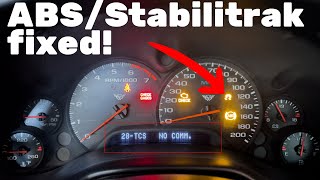
- "Service ABS", "Service Active Handling", or "Service Traction System" message on the driver information center
- On 2014 models, may be accompanied by a "Service Power Steering" message and loss of power steering assist
- Cruise control is inoperative
- Transmission may not shift correctly or may feel harsh
- Instrument panel gauges may fluctuate or act erratically
- Door locks may cycle intermittently
- Replacing a wheel speed sensor. A faulty wheel speed sensor will cause an ABS light but will set a 'C' code (like C0035) and will not cause a total loss of communication with the module.
- Replacing the Body Control Module (BCM). While a faulty BCM can cause network issues, U0121 specifically points to a loss of communication with the EBCM. The EBCM circuit should be diagnosed first.
Most Likely Causes
- Low Battery Voltage or Poor Battery Connections 🔴 High Probability → Shop Vehicle Battery Like many modern GM vehicles, the Corvette's sensitive electronic modules can malfunction when system voltage is low or unstable. A weak battery is a frequent trigger for various communication codes before the car even fails to start. 🎬 See how low voltage triggers service active handling messages
How to confirm: Test the battery voltage with a multimeter. It should be above 12.4V with the engine off and 13.7-14.7V while running. Inspect battery terminals and main ground cables for any signs of corrosion or looseness.
Typical fix: Charge or replace the battery. Clean the battery terminals and cable ends thoroughly.
Est. part cost: $150-$350 - Faulty EBCM Ground Connection 🔴 High Probability On the 2014 C7, a specific ground on the frame near the front of the engine bay (driver's side) is a known weak point that can cause this code if it becomes loose, corroded, or disturbed during aftermarket installs (e.g., catch can). On C6 models, the primary EBCM ground is G104, located under the battery tray, and can also suffer from corrosion.
How to confirm: For C7, locate the ground bolt on the driver's side frame rail. For C6, locate ground G104 under the battery. Disconnect the battery, then disassemble, clean the contact surfaces of the terminal and the chassis until they are bare metal, and re-secure tightly.
Typical fix: Cleaning and securing the ground connection.
Est. part cost: $0-$5 - Damaged Wiring or Corroded Connector at EBCM 🟡 Medium Probability The EBCM wiring harness can be exposed to road debris, heat, and moisture, leading to chafed wires or corrosion in the main connector. On C6 models, female pins in the EBCM connector have been known to lose tension, causing a poor connection. This phenomenon, known as fretting corrosion, can create an insulating layer on the pins, disrupting communication.
How to confirm: Visually inspect the entire wiring harness leading to the EBCM. Disconnect the EBCM connector (with the battery disconnected) and check for any green/white corrosion, bent pins, moisture, or backed-out terminals. Check for 12V power and good ground at the appropriate pins on the connector using a multimeter.
Typical fix: Repair the damaged section of wire. Clean the connector pins with electrical contact cleaner. If a terminal has backed out or lost tension, it may need to be re-seated or replaced. Sometimes simply unplugging and replugging the connector several times is enough to restore the connection.
Est. part cost: $10-$150 - Blown ABS/EBCM Fuse ⚪ Low Probability
How to confirm: Check the fuse boxes (both in the engine bay and potentially the interior/passenger footwell) for any fuses labeled 'ABS', 'EBCM', or 'Brakes'. Visually inspect the fuse and test for continuity with a multimeter.
Typical fix: Replace the blown fuse. If it blows again, a short circuit exists that must be diagnosed.
Est. part cost: $1-$5 - Failed Electronic Brake Control Module (EBCM) ⚪ Low Probability → Shop ABS Control Module While less common than electrical issues, the EBCM can fail internally, particularly the internal valve relay circuit or from cold solder joints on the circuit board. This is more frequently reported on C6 models. A faulty module can sometimes cause the ABS pump to run continuously, draining the battery.
How to confirm: This is a process of elimination. If the battery, grounds, fuses, and all wiring (power, ground, and CAN bus lines) to the module have been confirmed to be good, the module itself is the likely failure point. An advanced scan tool will be unable to communicate with it.
Typical fix: Replace the EBCM. The new module will require programming to the vehicle's VIN by a dealer or a specialized shop with the correct tools. Alternatively, the original module can often be sent to a specialist for repair. 🎬 Watch: A DIY guide to repairing a faulty EBCM
Est. part cost: $200-$1600
Rare But Worth Checking
- CAN Bus Network Fault:
Diagnosis Steps
- Read all codes from all modules using a capable OBD-II scanner (like a GM Tech II). Note if U0121 is the only communication code or if there are many 'U' codes.
- Perform a full battery and charging system test. Ensure voltage is stable and above 12.4V with the engine off and 13.7-14.7V while running. A weak battery is a very common cause.
- Inspect the battery terminals and main power/ground cables for tightness and corrosion. Clean as needed.
- Locate and inspect all fuses related to the EBCM/ABS in the engine bay and interior fuse panels.
- For 2014 C7 models, the next step is to locate the ground point on the driver's side frame rail. Disconnect the battery, then disassemble, clean all contact surfaces to bare metal, and re-secure tightly. This is a very high-probability fix.
- For C6 models, locate ground G104 under the battery tray and perform the same cleaning procedure.
- Disconnect the battery. Locate the EBCM and carefully inspect its electrical connector for corrosion, damage, backed-out pins, or loose pins. Clean with electrical contact cleaner.
- If all the above checks pass, use an advanced scan tool to attempt to communicate directly with the EBCM. If it is still offline, use a multimeter to verify that the module is receiving battery power and has a good ground at its connector pins (requires a wiring diagram).
- Check CAN bus integrity. With the battery disconnected, measure resistance between the two CAN bus wires at the EBCM connector and at the OBD-II port (pins 6 and 14). The reading should be approximately 60 ohms. A reading of 120 ohms indicates an open in the circuit or a missing termination resistor, while a reading near 0 ohms indicates the wires are shorted together.
- If all wiring, power, grounds, and network integrity are confirmed to be good, the EBCM is the most likely culprit. It can be sent to a specialist for repair or replaced. Note that a replacement module requires programming.
Parts You'll Likely Need
- Electronic Brake Control Module (EBCM)
(OEM #2007-2008: 15220712, 25847889; 2009-2013: 20984153; 2014: 23459262)— This is the part to replace if all power, ground, and wiring issues have been ruled out. It is the 'brain' of the ABS and stability control systems. Part numbers vary significantly by year and options.
Trusted brands: ACDelco, GM Genuine
OEM price range: $700-$1200
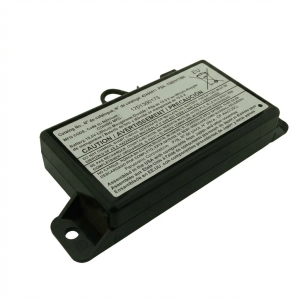
Aftermarket price range: $400-$800 - Automotive Battery — A weak or failing battery is a very common cause of communication codes on these vehicles.
Trusted brands: ACDelco, Optima, DieHard
OEM price range: $200-$350
Aftermarket price range: $150-$250
Related Codes That Often Appear With This One
- U0073 — Control Module Communication Bus 'A' Off. This is a general CAN bus fault that often appears with other U-codes when a major module goes offline. It is specifically mentioned in TSB #08-07-30-021H.
- U0100 — Lost Communication with ECM/PCM. This can appear if the EBCM fault is disrupting the entire network or if a broader network issue is present.
- U0101 — Lost Communication with TCM. The transmission controller relies on data from the ABS module, and this code can be set as a consequence of U0121. It is also listed in TSB #08-07-30-021H.
- P0700 — Transmission Control System (MIL Request). This code is often set alongside U0101, indicating the TCM has detected a fault and requested the check engine light to be turned on.
Technical Service Bulletins (TSBs) & Recalls
- 08-07-30-021H: Lists U0121 as a possible DTC resulting from general GMLAN communication loss, which can be caused by issues like backed-out terminals in the transmission harness connector.
Platform-Specific Known Issues
- A GM Technical Service Bulletin (#08-07-30-021H) lists U0121 among a group of communication codes that can be caused by network issues, often stemming from a backed-out terminal in the transmission harness connector, leading to various warning lamps and potential shifting problems.
- On a 2014 C7, a loose ground connection on the driver's side frame rail, often disturbed during an aftermarket catch-can installation, is a widely reported cause of U0121 and an accompanying 'Service Power Steering' message.
- On C6 models, a known issue is the female pins within the main EBCM electrical connector losing their tension, resulting in a poor connection that can trigger a U0121 code.
Mechanic-Grade Diagnostic Values
- CAN Bus Network Resistance — expected: ~60 Ohms. Failure: A reading of ~120 Ohms indicates an open circuit or a failed termination resistor in a module. A reading near 0 Ohms indicates the CAN High and CAN Low wires are shorted together.
- CAN Bus Voltage (Key On, Engine Off) — expected: CAN High (Pin 6 to Ground): ~2.5-2.7V. CAN Low (Pin 14 to Ground): ~2.3-2.5V.. Failure: Significant deviation from these voltages, such as one line being stuck at 0V or 5V, indicates a short or a faulty module transceiver.
Hidden / Shadow Codes Worth Checking
- No DTCs Displayed: On 2009 Corvettes, it is possible for the ABS and Traction Control lights to be illuminated with no DTCs stored in the EBCM after a 'Clear All DTCs' command has been performed. This is a temporary state that requires a full power-down (disconnecting the battery or letting the car sit off for several minutes) to reset the diagnostic monitoring. (see via This is an absence of codes on a GM Tech II scanner despite warning lights being active. It is documented in a GM TechLink article.)
Scan Tool Commands That Help
- GM Tech II / GDS2: Module Status / Communication Check — This is the first step to verify which modules are actively communicating on the network. If the EBCM is listed as 'Not Responding,' it confirms the fault targeted by U0121.
- GM Tech II / GDS2: Replace and Reprogram Electronic Brake Control Module — This function is mandatory after installing a new or used EBCM. It downloads the correct vehicle-specific software and calibrations to the module, allowing it to function correctly with the car's VIN and options.
Wiring & Ground Locations
- G104 — On the frame rail under or next to the battery tray in the engine compartment (C6 models).. This is a primary ground point for multiple systems, and corrosion in this area due to battery fumes or moisture is a common cause of various electrical issues, including EBCM communication faults.
- G101 / G102 — On the top of the left (G101) and right (G102) frame rails in the engine compartment, behind the headlights.. On C7 models, the driver's side ground (G101) is a well-documented weak point. It can become loose or corroded, especially after aftermarket parts like an oil catch can are installed, leading directly to U0121 and power steering faults.
- EBCM Main Connector — The large, cam-lock connector on the face of the EBCM, located at the front of the engine bay on the driver's side.. This is the single point of connection for all power, ground, and communication lines to the module. It is highly susceptible to fretting corrosion, where micro-vibrations cause oxidation on the pins, leading to a loss of connection that can be temporarily fixed by simply unplugging and replugging it.
- G106 — On the right side of the engine block, above the starter (C6 models).. This is a main engine block ground. While less commonly cited for U0121 specifically, a poor connection here can cause voltage fluctuations and electrical noise that disrupt module communication.
Real Owner Repair Stories
- CorvetteForum user 'Revman' (2013 Corvette 427, 7,600 miles) — E-brake light, 'Service Active Handling', and ABS lights on. No communication with the EBCM.
❌ Tried (didn't work) Dealer diagnosis quoted $1600 for a new EBCM.
✅ What actually fixed it The owner removed the EBCM, sent it to an online repair service (Upfix) for a $200 repair. The repaired module was reinstalled and fixed all issues. The failure was internal to the module, likely cold solder joints. - CorvetteForum user 'gmjim' (C5 Corvette (problem is common on C6 as well)) — Intermittent 'Low Trac' and 'ABS' lights, with 'TCS NO COMM' message in the DIC.
❌ Tried (didn't work) Replacing the EBCM with a used unit initially worked, but the problem returned after a while.
✅ What actually fixed it The owner unplugged the EBCM connector, sprayed the connector and the module pins with electrical contact cleaner, coated the connector with dielectric grease, and reconnected it. The problem did not return after several years. - CorvetteForum user '2008C6Vette' (2008 C6 Corvette Base Convertible) — Intermittent 'Service Vehicle Soon', 'Service Active Handling', ABS and Brake lights. Multiple codes including C0550 (ECU internal fault).
❌ Tried (didn't work) Cleaning all spade terminals, checking fuses, inspecting harnesses., Attempting to re-solder visible joints on the EBCM circuit board.
✅ What actually fixed it The owner purchased a used EBCM from a salvage vehicle of the same year with matching part numbers (GM ASM PN 25847889 and GM ECU PN 25847891). Installing the used module resolved all codes and symptoms.
"I Checked Everything" — The Actual Cause
- In the context of this electronic fault, the equivalent of a 'smoke test clean' scenario is when all wiring appears visually intact and tests for basic continuity pass. The actual hidden cause is often fretting corrosion on the EBCM connector pins. This is microscopic wear that creates an insulating oxide layer, blocking communication. It's invisible to the naked eye and can be 'fixed' simply by the act of unplugging and replugging the connector, which scrapes the layer off.
OEM Part Supersession History
Delphi EBCM (Various PNs)→Bosch EBCM (Various PNs)— Manufacturer change for the platform.
Heads up: The Delphi EBCM used in 2007-2008 Corvettes is NOT interchangeable with the Bosch EBCM used in 2009-2013 models. The modules and their corresponding hydraulic pumps (BPMV) are completely different. When sourcing a used part, it is critical to match it to the correct model year range.GM ASM PN 25847889 / GM ECU PN 25847891→Unknown— These are known good part numbers for a 2008 C6 Base model.
Heads up: These parts are specific to the 2005-2008 Delphi-equipped cars and will not work on 2009+ models.
Model Year Variations Within This Range
- 2007-2008: These C6 models use a Delphi-manufactured EBCM. Failures are often related to internal cold solder joints or fretting corrosion at the main connector.
- 2009-2013: These C6 models use a Bosch-manufactured EBCM and BPMV, which are not backward-compatible with earlier years. While also subject to failure, the specific internal failure modes may differ from the Delphi units. A GM TechLink article specifically notes a reset issue for 2009 models where lights can stay on after clearing codes until a full power cycle is performed.
- 2014: This first year of the C7 generation has a well-documented, unique vulnerability where a specific ground point (G101) on the driver's side frame rail becomes loose or corroded, often disturbed during the installation of aftermarket parts like oil catch cans, causing U0121 along with power steering warnings.
Helpful Videos
Used OEM Parts in Stock
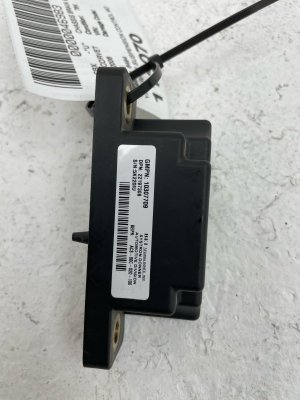
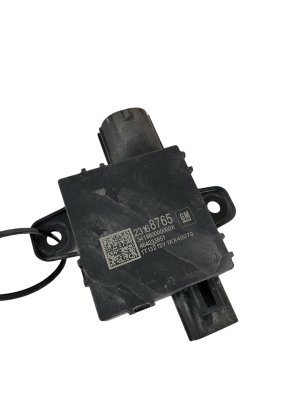
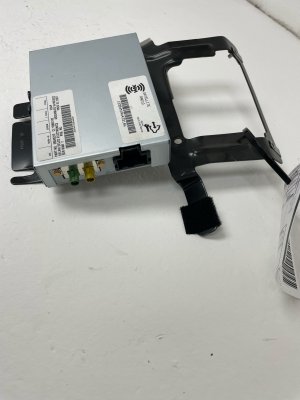
New Aftermarket Parts Available


The information in this article is provided for general reference and educational purposes only. Vehicle specifications, procedures, and part compatibility can vary by production date, trim level, and region. Always consult your vehicle's factory service manual and verify part numbers before purchasing or performing repairs. Safety-critical components such as airbags, seat belts, and braking systems should be installed by a qualified professional.
- Chevrolet CORVETTE:
- 🧭 Diagnostic Flowchart
- 🎬 Helpful Videos
- 🛍️ Shop This Part
- What's Unique About the 2007-2014 Chevrolet CORVETTE
- Symptoms You May Notice
- Most Likely Causes
- Rare But Worth Checking
- Diagnosis Steps
- Parts You'll Likely Need
- Related Codes That Often Appear With This One
- Technical Service Bulletins (TSBs) & Recalls
- Platform-Specific Known Issues
- Mechanic-Grade Diagnostic Values
- Hidden / Shadow Codes Worth Checking
- Scan Tool Commands That Help
- Wiring & Ground Locations
- Real Owner Repair Stories
- "I Checked Everything" — The Actual Cause
- OEM Part Supersession History
- Model Year Variations Within This Range
- 🎟️ Get 5% Off