

U0140 on 2015-2021 Chevrolet Trax: Lost BCM Communication Causes and Fixes
On a 2015-2021 Chevy Trax, code U0140 is most often caused by a poor ground connection at G103, a weak battery, or a chafed wiring harness. GM has issued a specific bulletin (19-NA-068) for a faulty ground on the driver's side frame rail that causes this and other communication codes. Before suspecting the expensive Body Control Module (BCM), inspect battery terminals and this key ground point. This is often a low-cost fix involving cleaning connections.
- U0140 on a Chevy Trax indicates the Body Control Module (BCM) is offline, causing widespread electrical failures.
- Do NOT immediately assume the BCM is bad. The most likely causes are a weak battery, a loose/corroded battery terminal, or a bad ground connection.
- Check ground G103 on the driver's side frame rail and the BCM's own ground under the dash before performing more complex diagnostics.
- If the BCM does need to be replaced, it requires professional programming to function in your vehicle.
- Symptoms can be severe and affect safety systems like lights and wipers, so the issue should be addressed promptly.
What's Unique About the 2015-2021 Chevrolet Trax
Like many modern GM vehicles, the Trax is sensitive to voltage and ground issues. While U0140 can mean a failed BCM, it's more frequently a symptom of a simpler electrical problem. GM has issued service bulletin 19-NA-068 specifically for the Trax and its platform-mate, the Buick Encore, pointing to a poor ground connection (G103) as the root cause for a host of network codes, including the closely related U0073. Another bulletin, PIT4730B, warns that intermittent wiring shorts can make the BCM appear offline, leading to misdiagnosis. Owners should be aware that a host of strange electrical problems can appear at once, but the fix is often a simple, foundational electrical repair rather than an expensive module replacement.
Generation note: The 2015-2021 model years cover the first generation of the Chevrolet Trax. A significant facelift occurred in 2017 with a redesigned dashboard and exterior. While the core electrical architecture is similar, the exact location of the BCM and its connectors under the dash may vary slightly between pre-facelift (2015-2016) and post-facelift (2017-2021) models. The BCM is generally located behind the knee bolster on the driver's side.
Symptoms You May Notice
- Inoperative power windows, door locks, or mirrors.
- Exterior or interior lights flickering, staying on, or not working at all.
- Wipers behaving erratically or not functioning.
- Radio or infotainment screen is blank or unresponsive.
- Remote keyless entry or remote start not working.
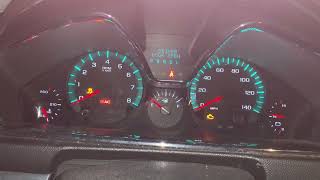
- Multiple warning lights on the instrument cluster, such as for ABS, Stabilitrak, or Airbags.
- Vehicle may not start, or may stall intermittently.
- Gauges on the instrument cluster may be erratic or inoperative.
- Replacing the Body Control Module (BCM) without first verifying its power, ground, and network connections are intact. GM TSB PIT4730B explicitly warns that an intermittent short can make a perfectly good BCM appear 'offline' for an entire ignition cycle, tricking technicians into an unnecessary replacement.
Most Likely Causes
- Poor Ground Connection at G103 🔴 High Probability This is a well-documented weak point. TSB #19-NA-068 was issued by GM specifically for the Trax, identifying a poor ground connection at G103 as the cause for multiple communication DTCs (U0073, U0121, U0100, U0101), which are frequently seen with U0140. The factory paint on the frame rail under the ground terminal is often the culprit.
How to confirm: Locate ground G103 on the left (driver's side) front frame rail, in front of the battery. Visually inspect for looseness or corrosion. A voltage drop test from the BCM ground pin to the negative battery terminal should show less than 0.2 volts. The definitive test is to remove the ground nut, clean all contact surfaces to bare metal, and re-secure.
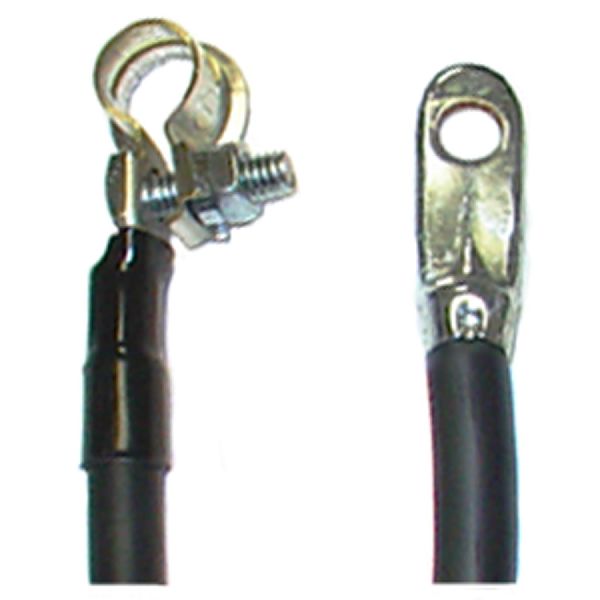
Typical fix: Disconnect the battery. Remove the nut for ground G103. Thoroughly clean the wire terminal eyelet, the stud, and the frame surface to bare, shiny metal. Reassemble securely and apply dielectric grease to prevent future corrosion. 🎬 See this walkthrough on how to properly clean and repair ground connections.
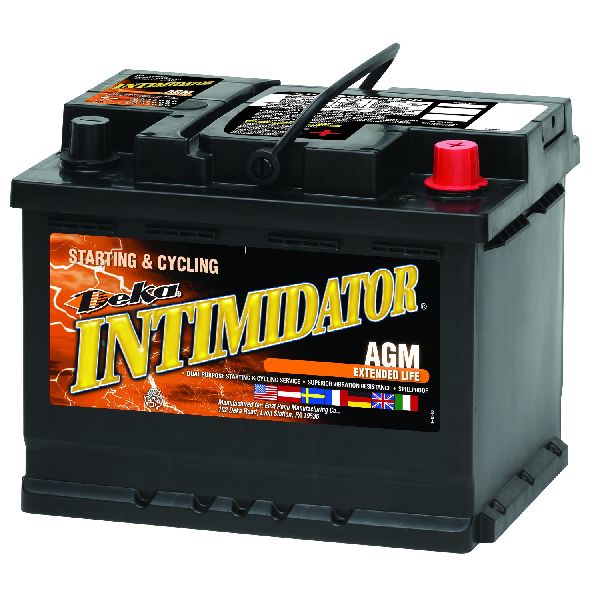
Est. part cost: $0-$10 - Low Battery Voltage or Weak Battery 🟡 Medium Probability → Shop Vehicle Battery Modern control modules require a stable voltage (above 12.4V) to initialize and communicate properly. A weak or old battery can cause modules to randomly drop off the network, especially during engine cranking when voltage dips significantly.
How to confirm: Test the battery with a multimeter. It should read at least 12.6V with the engine off. With the engine running, the alternator should be charging between 13.7V and 14.7V. Many auto parts stores will perform a load test on your battery for free, which is more definitive than a simple voltage check.
Typical fix: Recharge or replace the battery. Ensure battery terminals are clean and tight.
Est. part cost: $150-$250 - Chafed or Damaged Wiring Harness 🟡 Medium Probability GM bulletin PIT4730B describes how intermittent shorts on the GMLAN communication wires (circuits 2500 & 2501) can cause the BCM to go offline and set a U0140. This can happen from wires rubbing against a bracket, another component, or a ground stud over time, especially over rough roads.
How to confirm: Visually inspect the wiring harnesses leading to the BCM (located under the driver's side dash) for any signs of rubbing, pinching, or corrosion. Pay close attention to where the harness passes through the firewall or near sharp metal edges. Wiggling the harness with the vehicle on may trigger the symptoms.
Typical fix: Repair the damaged section of wire by splicing in a new piece and protecting it with heat-shrink tubing or high-quality electrical tape. Re-route the harness to prevent future damage.
Est. part cost: $5-$25 - Failed Body Control Module (BCM) ⚪ Low Probability → Shop Body Control Module While the BCM can fail internally, it is far less common than wiring, ground, or voltage issues. TSB PIT4730B specifically warns technicians against replacing the BCM prematurely. It should be the last item to suspect.
How to confirm: This is confirmed by exclusion. If all power, ground, and network wiring to the BCM test good with a multimeter, but a professional scan tool still cannot communicate with the module, the BCM itself is likely faulty.
Typical fix: Replace the Body Control Module. The new module must be programmed by a dealer or qualified shop using GM's SPS software to work with the vehicle's specific options and VIN. OEM part numbers include 13594571, which supersedes 13591222.
Est. part cost: $250-$450 for the part, plus $100-$200 for programming.
Rare But Worth Checking
- Blown BCM Fuse: A simple but sometimes overlooked cause. A blown fuse will cut all power to the module, causing it to go offline and trigger this code. Always check fuses in both the under-hood and interior fuse panels first.
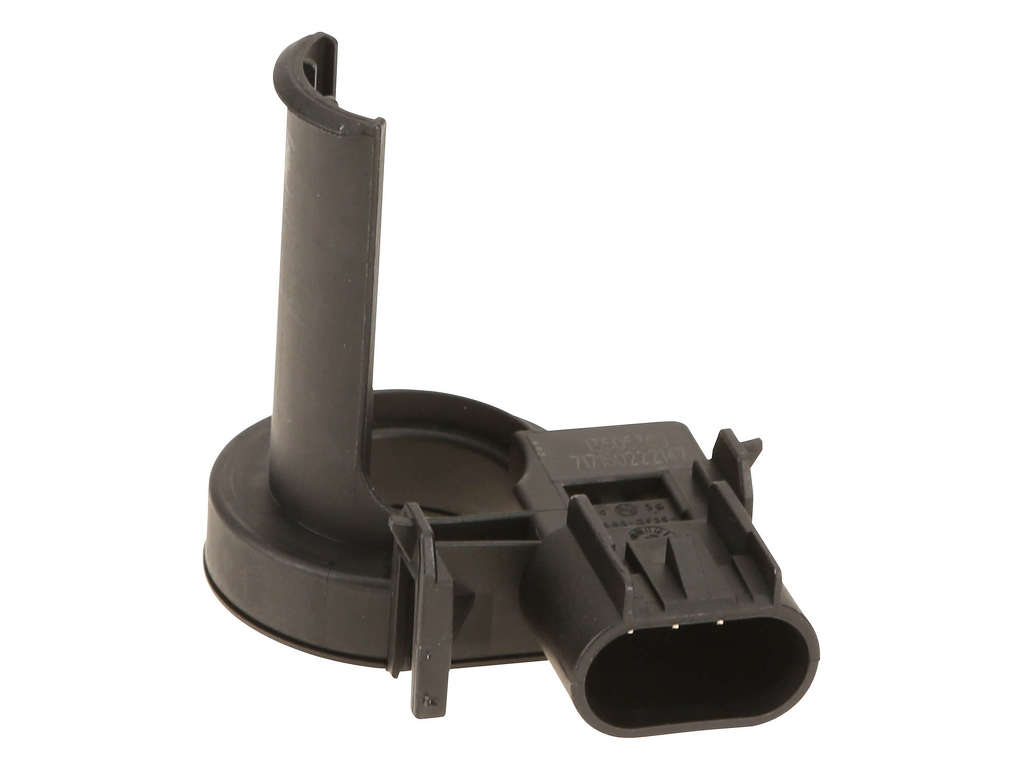
- Faulty Serial Data Gateway Module (SDGM): → Shop Telematics Interface Module On 2017+ Trax models, this module acts as a traffic controller for network data. A software glitch or internal failure can stop communication to and from the BCM, isolating it from the network and triggering a U0140 in other modules.
- Faulty Aftermarket Accessory: A poorly installed remote starter, alarm system, or even a cheap phone charger can introduce electrical noise onto the CAN bus, disrupting communication and causing a U0140 code.
Diagnosis Steps
- Verify Battery Health: Using a multimeter, ensure the battery has at least 12.6 volts with the engine off and that the charging system is producing 13.7-14.7 volts when running. Clean any corrosion from the battery terminals.
- Check Fuses: Inspect all fuses related to the Body Control Module ('BCM', 'Body') in both the under-hood and interior fuse panels. Replace any that are blown.
- Scan All Modules: Use a professional-grade 🎬 Watch: Diagnosing network codes like U0140 and U0073 with a scan tool. scan tool to read DTCs from every module on the vehicle (ECM, TCM, BCM, ABS, etc.). Note all 'U' codes and which modules are reporting them. This is critical for seeing the full scope of the network failure.
- Inspect Ground G103: THIS IS THE MOST LIKELY FIX. Locate ground G103 on the driver's side frame rail in the engine bay, in front of the battery. Disconnect the battery, unbolt the ground, and thoroughly clean the wire terminal, stud, and frame surface to bare metal. Re-secure tightly.
- Inspect BCM Wiring: Gain access to the BCM under the driver's side dash, behind the knee bolster. Carefully inspect the connectors (especially X4) and wiring harness for any signs of damage, corrosion, water intrusion, or loose pins.
- Test for Intermittents: As described in PIT4730B, the issue may only occur with vibration. With the vehicle on, gently wiggle the wiring harnesses connected to the BCM and at major junctions to see if you can replicate the symptoms.
- Verify BCM Power and Ground at the Connector: Using a multimeter and a wiring diagram, confirm that the BCM is receiving proper battery voltage and has a solid ground directly at its connector pins. This rules out a wiring break between the module and its source/ground.
- Isolate the Module: If all wiring, power, and grounds are confirmed to be good, but the BCM remains offline, the module itself is the most likely point of failure. Professional diagnosis is recommended at this stage.
Parts You'll Likely Need
- Body Control Module (BCM)
(OEM #13594571)— This is the part to replace if all wiring, power, and ground inputs are verified as good, but the module remains offline. It is the 'brain' for the vehicle's body electronics. Note: This is an example part number; always verify the correct number with a dealer using your VIN.
Trusted brands: ACDelco (OEM)
OEM price range: $250-$450
Aftermarket price range: $200-$350 - Battery — A weak or failing battery is a common cause of communication codes, as modules fail to initialize correctly with low voltage.
Trusted brands: ACDelco, DieHard, Interstate
OEM price range: $200-$300
Aftermarket price range: $150-$250
Related Codes That Often Appear With This One
- U0073 — This code means 'Control Module Communication Bus 'A' Off'. It's a general network failure code that is often set alongside U0140 when a major module like the BCM drops off the network. TSB 19-NA-068 directly links this code to the G103 ground issue.
- U0100 — 'Lost Communication with ECM/PCM'. This can be set in the BCM or other modules when the entire network is disrupted by the same fault causing the U0140. It is also mentioned in TSB 19-NA-068.
- U0121 — 'Lost Communication with ABS Control Module'. This often appears when the BCM communication fault also disrupts the network stability, causing multiple modules to log errors. This code is also specifically cited in the G103 ground TSB 19-NA-068.
Technical Service Bulletins (TSBs) & Recalls
- Addresses MIL illumination and multiple 'U' codes (U0073, U0100, U0121, U0101) caused by a poor ground connection at G103, located on the left front frame rail in front of the battery. The fix is to clean paint/corrosion from the ground point. This is the most critical TSB for this issue on the Trax.
- A diagnostic tip explaining that an intermittent short on the GMLAN data circuits can cause the BCM to appear completely offline for an entire ignition cycle. It warns against replacing the BCM without first diagnosing intermittent wiring faults, which often occur when driving over bumps.
Mechanic-Grade Diagnostic Values
- High-Speed GMLAN Bus Resistance — expected: 60 Ohms (± 5 Ohms). Failure: A reading of 120 Ohms indicates an open circuit or a missing termination resistor. A reading significantly below 60 Ohms indicates a short between the CAN High and CAN Low wires.
- GMLAN High (CAN_H) Voltage — expected: ~2.5V at rest (recessive state), rises to ~3.5V when active (dominant state).. Failure: Voltage stuck high or low, or not changing, indicates a bus fault or a module pulling the bus to a fault state.
- GMLAN Low (CAN_L) Voltage — expected: ~2.5V at rest (recessive state), drops to ~1.5V when active (dominant state).. Failure: Voltage stuck high or low, or not changing, indicates a bus fault. A high voltage reading (e.g., over 4V) can indicate a faulty module is pulling the bus high.
- BCM Ground Circuit Voltage Drop — expected: Less than 0.1-0.2 Volts. Failure: A reading higher than 0.2V indicates excessive resistance in the ground circuit, which can cause the module to malfunction under load.
Scan Tool Commands That Help
- GDS2 (Global Diagnostic System 2): Module Status / Network Test — To get a topology map of all modules on the network and see which ones are actively communicating. If the BCM is missing from this list, it confirms it is offline.
- GDS2 (Global Diagnostic System 2): Bidirectional Controls / Output Controls — To directly command the BCM to perform a function (e.g., 'Lock Doors,' 'Turn on Interior Lights'). If the BCM responds to a direct command from the scan tool but not to other modules, it suggests a network communication path issue rather than a total BCM failure.
- GDS2 (Global Diagnostic System 2) with SPS (Service Programming System): Replace and Program Module — This function is mandatory after installing a new BCM. It downloads the correct software and vehicle configuration (based on the VIN) to the new module, allowing it to function.
- GDS2 (Global Diagnostic System 2): Setup SDM (Sensing and Diagnostic Module) — After replacing and programming a BCM, the airbag control module (SDM) may need to be re-initialized to communicate with the new BCM. Failure to do so can set a B1001 code in the SDM.
Wiring & Ground Locations
- G103 — On the driver's side front frame rail in the engine bay, located in front of the battery.. This is the primary ground point identified in GM TSB #19-NA-068 as a common cause for U0140 and other network codes due to poor surface contact from the factory.
- BCM (Body Control Module) — Under the driver's side dashboard, behind the lower knee bolster. It may need to be unclipped from its bracket to access all connectors.. This is the module that has lost communication. All power, ground, and network wires must be tested at its connectors.
- BCM Connectors X1-X7 — Plugged into the BCM itself. They are color-coded for identification (e.g., Brown, Green, Blue, White).. Specific functions and network lines are on specific pins within these connectors. For example, on some GM models, the X4 connector contains critical power feeds, and the X5 connector contains lighting outputs.
- SDGM (Serial Data Gateway Module) — For 2017+ models, this is typically located under the driver's side dash, often near the BCM. It has two main connectors, often black and gray.. The SDGM acts as a router for CAN bus traffic. A failure or poor connection at this module can isolate the BCM from the rest of the vehicle's network, causing other modules to log U0140.
- DLC (Data Link Connector) — Under the driver's side dashboard, typically below the steering column.. Pins 6 (CAN High) and 14 (CAN Low) are the direct access points for testing the integrity of the High-Speed GMLAN network with a multimeter.
Real Owner Repair Stories
- YouTube user Redneck Weekly (GM Truck (specific model not stated, but GM platform)) — Code U0140, loss of communication with the body control module.
❌ Tried (didn't work) Not specified, owner went straight to a custom wiring solution.
✅ What actually fixed it The owner ran a new, supplemental ground wire directly from the negative battery terminal to the mounting bolts of the BCM bracket, and then continued that ground wire to a bolt on the ECM itself. This provided a robust, redundant ground path that solved the communication issue.
OEM Part Supersession History
13591222→13594571— Standard part revision for improved reliability or manufacturing changes.13594571→13534185— Further part revision.
Heads up: Always verify the correct part number for your specific VIN using a GM parts catalog before ordering, as mid-year changes can occur.
Model Year Variations Within This Range
- 2017-2021: The introduction of the Serial Data Gateway Module (SDGM) as part of the 2017 facelift added a new potential point of failure. On these later models, diagnosis must include checking the SDGM and its connectors as a primary step, per GM TSBs like #PIT5586G, which is not applicable to 2015-2016 models.
Diagnostic Flowchart
Other Known Issues on This Vehicle
Issues unrelated to this code that are worth knowing about as an owner of this generation:
- PCV System Failure (Torn Diaphragm in Valve Cover) 🔴 High — Very common. Often occurs between 60,000-100,000 miles. Causes a loud whistle, high oil consumption, and codes like P0171 or P1101. (Ref: TSB 19-NA-114, PIP5197M)
- Turbocharger Failure 🔴 High — Common enough that GM issued a special coverage warranty. Can be caused by oil starvation or coolant line issues. Symptoms include loss of power, smoke, and code P0299. (Ref: Special Coverage N232395330 (extends warranty to 10 years/120,000 miles for 2017-2018 models))
- Cracked Plastic Coolant Outlet / Water Outlet Housing 🟠 Medium — A frequent source of coolant leaks. The plastic housing becomes brittle and cracks. Many owners upgrade to an aftermarket aluminum version.
- Leaking Water Pump 🟠 Medium — Water pumps on the 1.4L engine are known to fail prematurely, sometimes well under 100,000 miles, causing coolant loss. (Ref: Special Coverage 14329 (for some older models, extended to 10yr/150k miles))
- Radiator Coolant Leaks 🟠 Medium — Common on 2015-2019 models, leading to a special coverage adjustment from GM. (Ref: Special Coverage A192219310 (extends warranty to 6 years/72,000 miles))
Used vs. New Parts: Buying Guide for This Vehicle
When a used part is the smart pick: A used BCM is almost never a smart choice for this repair. While the part itself is inexpensive, it is VIN-locked to the donor vehicle. Reprogramming a used BCM to a new VIN is often blocked by GM's standard dealer software (SPS), leading to a non-functional part.
What to inspect on the donor part:
- Not applicable, as used BCMs are not recommended.
OEM-only on this vehicle (don't cheap out):
- Body Control Module (BCM): A new OEM or professionally remanufactured and pre-programmed BCM is the only reliable option. A used module will cause an immobilizer lock-out and feature mismatch.
Aftermarket brands forum-validated for this vehicle:
- ACDelco (New GM Genuine Part)
- Dorman (Offers some remanufactured BCMs, but programming is still required)
- Specialized programming services (e.g., Highway 71 Auto Parts) that sell pre-programmed BCMs matched to your VIN.
Brands owners have reported issues with on this vehicle:
- Untested, no-name brands from online marketplaces.
- Any used/salvage BCM that has not been professionally reset and confirmed to be reprogrammable.
Real Owner Stories
Aggregated from forums and TSBs cited above. Mileages and costs reflect what owners reported in those sources.
2015-2021 Chevrolet Trax 1.4L Turbo
Symptoms: Multiple 'U' codes (U0073, U0100, U0121, U0101) and MIL illumination.
What fixed it: Cleaned paint and corrosion from the ground point G103 on the left front frame rail and re-secured the connection.
Source hint: TSB 19-NA-068
2015-2021 Chevrolet Trax 1.4L Turbo
Symptoms: The BCM appears completely offline for an entire ignition cycle, often occurring after driving over bumps.
What fixed it: Repaired intermittent shorts on the GMLAN communication wires (circuits 2500 & 2501) caused by wire chafing.
Source hint: GM bulletin PIT4730B
2015-2021 Chevrolet Trax 1.4L Turbo — ~80000 miles
Symptoms: Loud whistle from the engine and high oil consumption.
What fixed it: Replacement of the valve cover due to a torn PCV diaphragm.
Source hint: known_issues section regarding PCV System Failure
Related OBD-II Codes
Frequently Asked Questions
Does TSB 19-NA-068 apply to my Chevrolet Trax if I have communication codes like U0140?
Where is the G103 ground located on the 2015-2021 Chevrolet Trax?
My Trax has erratic wipers and the radio is blank; could this be the Body Control Module failing?
What part number should I look for if I actually need to replace the BCM on my Trax?
Can driving over rough roads trigger the U0140 code in my Trax?
Is the Buick Encore susceptible to the same U0140 issues as the Trax?
Helpful Videos

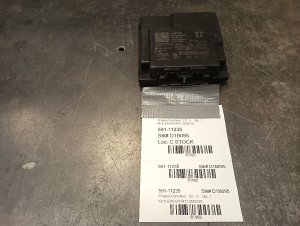
Used OEM Parts in Stock
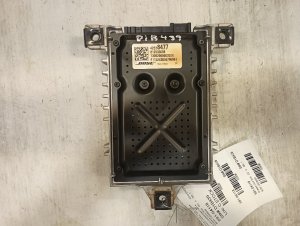
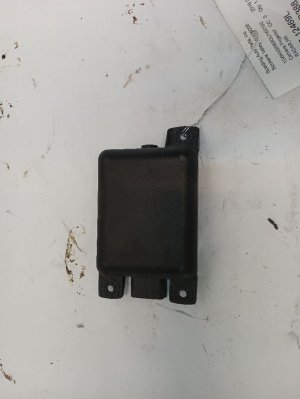
New Aftermarket Parts Available


The information in this article is provided for general reference and educational purposes only. Vehicle specifications, procedures, and part compatibility can vary by production date, trim level, and region. Always consult your vehicle's factory service manual and verify part numbers before purchasing or performing repairs. Safety-critical components such as airbags, seat belts, and braking systems should be installed by a qualified professional.
- Chevrolet Trax:
- 🧭 Diagnostic Flowchart
- 🎬 Helpful Videos
- 🛍️ Shop This Part
- What's Unique About the 2015-2021 Chevrolet Trax
- Symptoms You May Notice
- Most Likely Causes
- Rare But Worth Checking
- Diagnosis Steps
- Parts You'll Likely Need
- Related Codes That Often Appear With This One
- Technical Service Bulletins (TSBs) & Recalls
- Mechanic-Grade Diagnostic Values
- Scan Tool Commands That Help
- Wiring & Ground Locations
- Real Owner Repair Stories
- OEM Part Supersession History
- Model Year Variations Within This Range
- Other Known Issues on This Vehicle
- Used vs. New Parts: Buying Guide for This Vehicle
- Real Owner Stories
- 2015-2021 Chevrolet Trax 1.4L Turbo
- 2015-2021 Chevrolet Trax 1.4L Turbo
- 2015-2021 Chevrolet Trax 1.4L Turbo — ~80000 miles
- Related OBD-II Codes
- Frequently Asked Questions
- 🎟️ Get 5% Off