

U0140 on 2015-2024 Ford Transit: Lost Communication With Body Control Module Fixes
This code means a critical loss of communication with the Body Control Module (BCM). For the Ford Transit, this is often caused by wiring issues near the passenger footwell due to water ingress, a faulty BCM, or low battery voltage from parasitic draws. Diagnosis is complex and BCM replacement requires programming, so professional help is strongly recommended.
- U0140 on a Ford Transit means the Body Control Module (BCM) has gone offline.
- Before suspecting an expensive BCM failure, thoroughly check the battery's health and voltage, as low voltage is a very common trigger for this code.
- Inspect the BCM and its connectors, usually in the passenger footwell, for any signs of water damage or corrosion.
- Due to the complexity of network diagnostics and the need for programming a new module, this is a job best left to a professional technician.
- Be aware of the Transit's sensitivity to parasitic battery drain caused by the BCM, especially if the van is used for work with frequent door openings.
What's Unique About the 2015-2024 Ford Transit
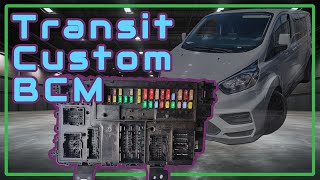
On the Ford Transit, which is often used as a work vehicle, electrical issues related to the BCM are a known pain point. The BCM is located in the passenger-side footwell/kick panel area, a location susceptible to water intrusion from poorly sealed windshields, A-pillars, or even a leaking radio antenna base. This water damage is a primary cause of corrosion on BCM connectors and wiring, leading to U0140. Additionally, some owners report that frequent opening and closing of doors can cause the BCM to stay 'awake' for extended periods, leading to significant battery drain and subsequent communication faults. This parasitic draw can cause low voltage conditions that trigger a U0140 code, even if the BCM and wiring are otherwise intact.
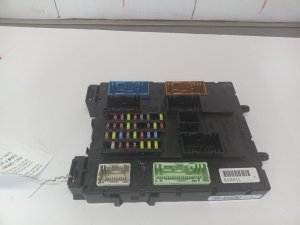
Generation note: This year range covers the first-generation Ford Transit (V363) in North America. A significant facelift occurred for the 2020 model year, which included updated electronics and interior systems. While the fundamental cause of a U0140 code remains the same (loss of BCM communication), the specific location of the BCM, wiring routes, and connector types may differ between pre-2020 and 2020+ models. The BCM itself is often physically integrated with the interior fuse panel.
Symptoms You May Notice
- Check Engine Light is on
- Multiple warning lights on the dashboard (ABS, Traction Control, Airbag)
- Power windows, door locks, or mirrors not working or working erratically
- Interior or exterior lights (headlights, taillights) behaving erratically or not turning on
- Remote key fob not working
- Wipers not functioning correctly or turning on by themselves
- Horn not working
- Vehicle will not start (no-crank condition)
- Anti-theft system light flashing or security warnings on the dash
- Instrument cluster gauges flickering or going dead
- Message on dash indicating 'Forward Alert Malfunction'
- Replacing the BCM without first confirming good power, ground, and network wiring integrity. Water damage to wiring is a very common culprit.
- Replacing the battery without checking for a parasitic draw that caused the low voltage in the first place.
- Replacing individual components like window motors or light assemblies when the root cause is the BCM or its network connection.
- Replacing the Powertrain Control Module (PCM) when the BCM is the module that is offline.
Most Likely Causes
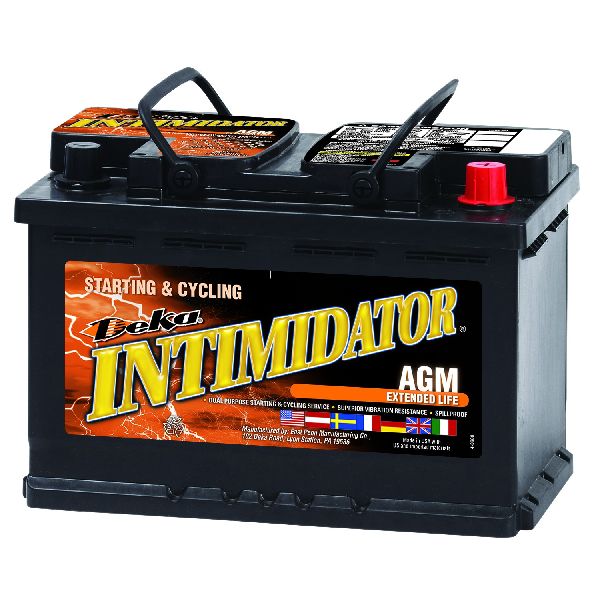
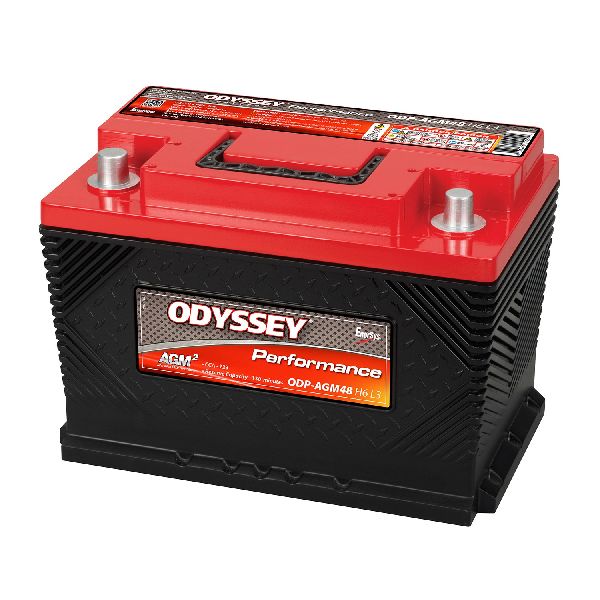
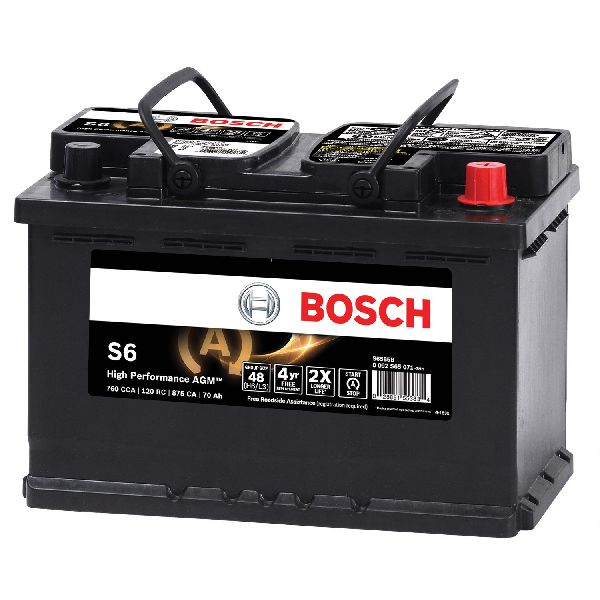
- Low Battery Voltage or Failing Battery 🔴 High Probability → Shop Vehicle Battery Transits used for work often have frequent door openings, which can keep the BCM awake and cause parasitic battery drain, leading to low voltage. Aftermarket equipment common on work vans can also contribute to draws. Low voltage is a very common trigger for communication codes.
How to confirm: Test the battery voltage with a multimeter. A healthy battery should read above 12.4V with the engine off and 13.7V-14.7V when running. Perform a load test on the battery. Check for parasitic draw if the battery repeatedly dies.
Typical fix: Charge or replace the battery. The battery is located under the driver's seat. Investigate and rectify any sources of parasitic draw.
Est. part cost: $150-$350 - Damaged Wiring or Corroded Connectors due to Water Ingress 🔴 High Probability The BCM's location in the passenger footwell makes it highly vulnerable to water damage. Leaks from the windshield seal, A-pillar area, or even the radio antenna are reported by owners and documented in TSBs. This moisture corrodes the BCM connectors and nearby wiring harnesses, causing shorts or open circuits.
How to confirm: Peel back the carpet and trim in the passenger footwell. Visually inspect the BCM, its connectors (e.g., C2280 series), and surrounding wiring for signs of corrosion (green/white powder), water stains, or physical damage. Check for power and ground at the BCM connector with a multimeter.
Typical fix: Repair the damaged section of the wiring harness. Clean corroded connectors with an electrical contact cleaner and apply dielectric grease. The source of the water leak must be identified and sealed to prevent recurrence.
Est. part cost: $50-$300 - Failed Body Control Module (BCM) 🟡 Medium Probability → Shop Body Control Module
How to confirm: This is typically a process of elimination. If the battery is good, and all power, ground, and CAN bus wiring to the BCM test correctly, the module itself is the likely culprit. A high-end scan tool will be unable to communicate with the BCM. Internal failure can be caused by water damage or electrical surges.
Typical fix: Replace the BCM. The new module must be programmed by a dealer or a qualified shop with the appropriate software (like Ford's IDS or FORScan) to match the vehicle's VIN and options. Mail-in cloning services are also an option.
Est. part cost: $500-$1200 - Blown Fuse ⚪ Low Probability
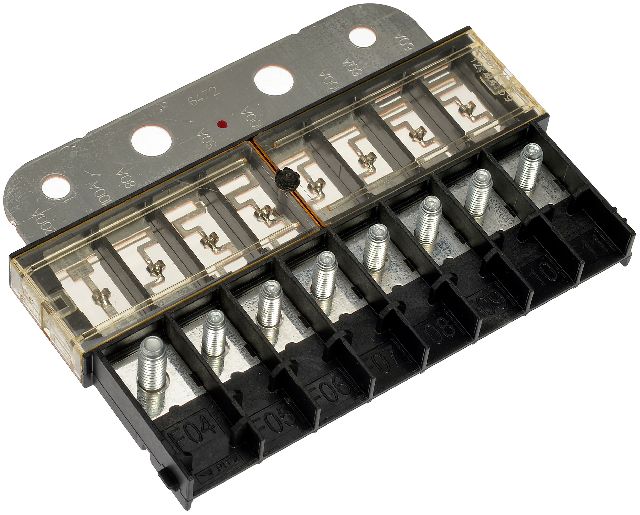
How to confirm: Check the vehicle's fuse boxes (both in the engine bay and inside the cabin/BCM) for any fuses related to the BCM or body systems. The BCM itself is often integrated with the interior fuse panel. Visually inspect the fuse or test for continuity with a multimeter.
Typical fix: Replace the blown fuse. If the fuse blows again immediately, it indicates a short circuit that must be diagnosed.
Est. part cost: $1-$5
Rare But Worth Checking
- Faulty Gateway Module or Other Control Module: A different module on the CAN network could be failing and sending corrupt data (sometimes called 'chattering'), which disrupts all communication and can isolate the BCM. This often sets other U-codes as well.
- Interference from Aftermarket Electronics: Improperly installed aftermarket alarms, remote starters, telematics devices, or even dashcams tapped into the CAN bus can interfere with network communication and trigger this code.
- Damaged Driver's Door Wiring Harness: The wiring harness that passes from the A-pillar into the driver's door is a known failure point. Repeated opening and closing of the door can cause wires to break inside the flexible conduit, leading to various electrical issues, which could potentially disrupt CAN bus communication.
Diagnosis Steps
- Check and verify battery voltage is above 12.4V. Charge or replace the battery if necessary. The battery is located under the driver's seat.
- Scan the vehicle for all DTCs in all modules using a Ford-capable scanner. Note which modules are not communicating. A failure to communicate with the BCM is a key data point.
- Check all fuses related to the BCM in the interior and engine bay fuse panels. The BCM is often integrated with the interior fuse panel.
- Locate the Body Control Module in the passenger side footwell/kick panel area. Remove trim panels as needed to gain access.
- Thoroughly inspect the BCM, its connectors, and the surrounding floor area for any signs of water intrusion, staining, or corrosion. This is a critical step on the Transit.
- Using a multimeter and a vehicle-specific wiring diagram, verify the BCM has proper power (multiple feeds) and ground connections. Check for less than 0.1 ohms of resistance on ground wires and a voltage drop of less than 200mV.
- If power and ground are good, test the CAN bus wiring. With the battery disconnected, check for approximately 60 ohms of resistance between the CAN High and CAN Low pins at the DLC (pins 6 and 14). A reading of 120 ohms suggests an open circuit or a missing terminating resistor.
- If aftermarket accessories are installed, temporarily disconnect them from the vehicle's wiring to see if communication is restored.
- If all wiring, power, and ground checks are good, the BCM is the most likely failed component.
- As a final step, a technician may use an oscilloscope to view the data signals on the CAN bus to identify noise or signal degradation from a chattering module.
Parts You'll Likely Need
- Body Control Module (BCM)
(OEM #CK4Z-15604-C, JK4Z-15604-A (Varies significantly by VIN and options))— If wiring, fuses, and battery are confirmed to be good, the BCM itself may have failed internally, often due to water damage or electrical stress. - Battery — Low system voltage from a weak or failing battery is a primary trigger for communication codes like U0140.
- BCM Electrical Connector Pigtail
(OEM #Not Available, must source terminals individually)— Water intrusion in the passenger footwell frequently corrodes the BCM connector pins, requiring the connector or individual terminals to be replaced.
Related Codes That Often Appear With This One
- U0073 — This code means 'Control Module Communication Bus A Off'. If you see this with U0140, it points to a major network-wide failure, not just a problem with the BCM itself.
- U0100 — Lost Communication with ECM/PCM. Seeing this with U0140 is a major red flag for a network-wide failure, possibly a main CAN bus wiring short or a failed gateway module.
- U0155 — Lost Communication with Instrument Panel Cluster (IPC). This often appears alongside BCM communication codes as they are closely linked on the network and the IPC often reports the status of other modules.
- U0001 — High Speed CAN Communication Bus. This code, seen with U0140 in a user report, points towards a general network problem rather than an isolated BCM issue.
Technical Service Bulletins (TSBs) & Recalls
- TSB 18-2321: Addresses various drivability issues on 2015-2018 models caused by water entering the engine compartment, which can affect electrical components.
- TSB 21-2038: Pertains to 2015-2019 models and engine overheating due to coolant deposits, but shows a history of TSBs for systemic issues on this platform.
- While not directly for U0140, TSBs related to water leaks (e.g., TSB 20-2382 for A/C drain issues) are highly relevant as the water can migrate to the BCM area.
- Bulletin #SSM 48563: While documented for other Ford platforms like the F-150, this bulletin notes that U0140 can be set in the PCM, TCM, or IPC alongside transmission shift concerns and illuminated malfunction indicator lamps.
Platform-Specific Known Issues
- A documented issue on some Ford Transits involves the BCM staying active for 20 minutes every time a door is opened, leading to excessive parasitic battery drain. This can cause the battery to fail prematurely and trigger communication codes like U0140.
- Water ingress into the passenger footwell is a widely reported problem, leading to direct corrosion of the BCM and its connectors. Common leak sources include the windshield seal, A-pillar grommets, and the radio antenna base.
- TSB 18-2321 was issued for some 2015-2018 Transits for various drivability concerns and DTCs due to water entry into the engine compartment, highlighting the vehicle's sensitivity to moisture in electrical areas.
Mechanic-Grade Diagnostic Values
- CAN Bus Network Resistance — expected: ~60 Ω (Ohms). Failure: A reading of ~120 Ω indicates an open circuit or a failed terminating resistor. A reading near 0 Ω indicates a short between the CAN High and CAN Low wires.
- CAN Bus Voltage (Key On, Engine Off) — expected: CAN High and CAN Low should both read ~2.5V relative to ground.. Failure: A line stuck high (near battery voltage) or low (near 0V) indicates a short to power or ground.
- BCM Ground Connection Voltage Drop — expected: ≤100–200 mV (0.1V - 0.2V). Failure: A higher voltage reading indicates excessive resistance in the ground circuit, which can cause the module to malfunction.
- System Voltage — expected: >12.4V with engine off; 13.7V to 14.7V with engine running.. Failure: Voltage below 12.4V at rest can trigger false communication codes.
Hidden / Shadow Codes Worth Checking
- U0140:87: The ':87' suffix indicates a 'Missing Message' fault. This is more specific than the base code, telling the technician that a specific, expected message from the BCM was not received by the module that stored the code. (see via Ford's Integrated Diagnostic System (IDS) or an advanced aftermarket scan tool like FORScan.)
- U0140:00: The ':00' suffix indicates 'No Subtype Information'. This is a more general failure flag compared to a missing message code. (see via Ford's Integrated Diagnostic System (IDS) or an advanced aftermarket scan tool like FORScan.)
Scan Tool Commands That Help
- FORScan: PATS (Passive Anti-Theft System) Programming — This service function is the first step required after installing a replacement (new or used) BCM. It is used to program the vehicle's keys to the new module.
- FORScan: Module Initialization — This is the second step after programming keys. It synchronizes the newly installed BCM with the other modules on the vehicle's network, like the PCM and Instrument Cluster.
- FORScan / IDS: BCM Configuration (As-Built Data) — This is the final step in BCM replacement. It loads the vehicle-specific configuration file (which dictates features like lighting options, lock behavior, etc.) into the new BCM. The data can often be restored from a backup stored in the Instrument Panel Cluster (IPC).
- Ford IDS: Programmable Module Installation (PMI) — This is the official Ford dealer procedure for installing and programming a new BCM. It writes the VIN and all necessary configuration data to the module.
Wiring & Ground Locations
- Main BCM Ground Lug — Behind the passenger side kick panel, on the A-pillar.. This is a primary ground point for the BCM. A loose or corroded connection here is a common cause of intermittent power loss to the module, triggering U0140.
- BCM Connectors (C2280 series) — Plugged into the Body Control Module, located in the passenger footwell/kick panel area.. These are the main interface for the BCM. They are highly susceptible to corrosion from water leaks in this area, which can cause open or shorted circuits for power, ground, or CAN bus lines.
- CAN Bus at DLC — Pins 6 (CAN-H) and 14 (CAN-L) on the OBD-II Diagnostic Link Connector under the driver's side dashboard.. This is the most accessible point to test the overall health of the main CAN bus network, allowing for resistance and voltage checks without having to access individual modules first.
Real Owner Repair Stories
- Ford Transit Forum user 'Eddie78' (Ford Transit (year not specified, but within range)) — Intermittent electrical faults, PCM DTC U0140:00-28 and IPC DTC U0140:87-28.
❌ Tried (didn't work) Reading and clearing codes.
✅ What actually fixed it The battery was tested after sitting for 24 hours and read 12.1V. A load test confirmed it was bad. Replacing the battery resolved the communication codes. - Ford Transit Forum user 'Nighthawk' (Ford Transit Mk7 (older generation, but process is relevant)) — Parking lights would stay on permanently, draining the battery. Multiple intermittent electrical faults.
❌ Tried (didn't work) Checking main earth connections., Searching for faulty wiring.
✅ What actually fixed it The BCM was determined to have failed internally. A secondhand BCM of a higher specification was installed. Using FORScan with an extended license, the user successfully programmed the replacement by: 1) Deleting old keys and programming two of his own keys (PATS function), 2) Performing 'module initialisation', and 3) Loading the AsBuilt data from his van's instrument panel module. This permanently fixed the problem.
Documented NHTSA Reports
- In NHTSA ODI #11693477, an owner of a related Ford model reported receiving code U0140:00-08 indicating a BCM missing communication, which they noted made more sense than a mechanical transmission failure.
- NHTSA ODI #11704877 describes a situation where multiple communication fault codes, including U0100 and U0140, appeared when the ignition was on with the engine off, though they disappeared once the engine started.
- An owner reported in NHTSA ODI #11604166 that they were told a transmission replacement was necessary after seeing codes P07F7, U0253, and U0140 (lost communication with body control module).
- NHTSA ODI #11715107 notes a vehicle experiencing U0140 alongside U0155, a fuel level sensor defect code (P25B0), and an Ethernet failure with the instrument panel cluster (U2403).
OEM Part Supersession History
CK4Z-15604-A, CK4Z-15604-B→CK4Z-15604-C— Standard part revision and update by the manufacturer.
Heads up: While superseded, the most critical factor for replacement is matching the vehicle's specific options and configuration. Always verify compatibility by VIN. Using a part from a vehicle with different options (e.g., with/without power sliding doors) will cause features to malfunction even if programmed.
Model Year Variations Within This Range
- 2020-2024: The 2020 facelift introduced significant electronic updates, including new infotainment (SYNC 3) and optional All-Wheel Drive. While the BCM's role and location are fundamentally the same, the specific part numbers, software calibrations, and wiring pinouts may differ from the 2015-2019 models. A TSB regarding water ingress specifically calls out 2019 and newer models.
Diagnostic Flowchart
Other Known Issues on This Vehicle
Issues unrelated to this code that are worth knowing about as an owner of this generation:
- Driveshaft Flexible Coupling (Giubo) Failure 🔴 High — Very common on 2015-2017 models, leading to multiple recalls. The coupling cracks and can cause driveshaft separation, loss of power, and roll-away risk. (Ref: NHTSA 17V408000 (Recall 17S15), later superseded by Recall 19S38)
- Vacuum Pump Failure (Especially on EcoBlue Diesel) 🔴 High — A known issue where the vacuum pump fails, resulting in a hard brake pedal and loss of braking assist. On 2.0L EcoBlue engines, this is often caused by degradation of the 'wet' timing belt, which clogs oil passages and starves the pump of oil.
- Sliding Door Wiring and Handle Issues 🟠 Medium — The wiring harness for the sliding door can break from repeated use, causing issues with locks and sensors. The interior door handle mechanism is also prone to breaking.
- Premature Brake Wear 🟠 Medium — As heavy commercial vehicles often used in stop-and-go traffic, Transits can experience accelerated wear of brake pads and rotors.
- Transmission Problems (6-Speed Automatic) 🟠 Medium → Shop Transmission Assembly — Some owners of earlier models with the 6-speed automatic transmission report issues like rough shifting, slipping, or premature failure.
Used vs. New Parts: Buying Guide for This Vehicle
When a used part is the smart pick: A used BCM is a very sensible and cost-effective option, but ONLY if you use a mail-in cloning service or have access to a specialist with advanced tools (like FORScan/IDS) to reprogram it. It is not a plug-and-play part.
Donor-vehicle mileage cap: roughly under 150000 miles for the part to have meaningful remaining life.
What to inspect on the donor part:
- CRITICAL: Match the engineering part number (e.g., CK4T-14B476-CL) EXACTLY. Do not rely on the service part number alone.
- Inspect the connectors on the used module for any signs of green or white powder, which indicates corrosion from water damage. Reject any module with visible corrosion.
- Source the part from a vehicle in a dry climate if possible to minimize the risk of prior water exposure.
- Ensure the seller has a good return policy in case the module is faulty.
OEM-only on this vehicle (don't cheap out):
- Body Control Module (BCM)
Aftermarket brands forum-validated for this vehicle:
- For the part itself, OEM is the only option. For services, mail-in cloning providers like Birmingham Diagnostics, Pelican Diagnostics, and MotorTronics have positive online reviews for Ford BCMs.
Brands owners have reported issues with on this vehicle:
- There are no aftermarket BCMs for this vehicle. Avoid any used part that cannot be confirmed to have the exact same engineering number as your original.
Real Owner Stories
Aggregated from forums and TSBs cited above. Mileages and costs reflect what owners reported in those sources.
2015 Ford Transit Custom
Symptoms: Non-start condition with codes U0073 and U0140. Technician checked wiring and the BCM for corrosion.
What fixed it: The technician suspected a bad module after finding no corrosion, indicating a BCM replacement was necessary.
Source hint: Ford Transit Forum - U0073 & U0140 CODES, non start, 2015 custom
2015-2024 Ford Transit
Symptoms: Water dripping from under the glovebox in the passenger footwell, soaking the area where the BCM is located.
What fixed it: Traced the leak to a leaking radio aerial base; water was running down the A-pillar.
Source hint: Ford Transit Forum - 'Water' dripping from passenger footwell...
High-mileage Ford Transit — ~150000 miles
Symptoms: Intermittent issues with U0140 and other warning lights.
What fixed it: An independent mechanic temporarily fixed the issue by cleaning the plugs on a module to resolve connection/corrosion issues.
Source hint: JustAnswer - I get a code U0140 LOST COMMUNICATION WITH BODY CONTROL
Related OBD-II Codes
Frequently Asked Questions
Where is the Body Control Module (BCM) located on my Ford Transit?
Why does my Transit battery keep dying, potentially causing the U0140 code?
I see water dripping in the passenger footwell; could this cause the U0140 code?
Does TSB 18-2321 apply to my 2015-2018 Ford Transit?
Can I just swap in a new BCM myself to fix the U0140 error?
Is there a recall for the driveshaft on my 2015-2017 Transit?
Helpful Videos


Used OEM Parts in Stock
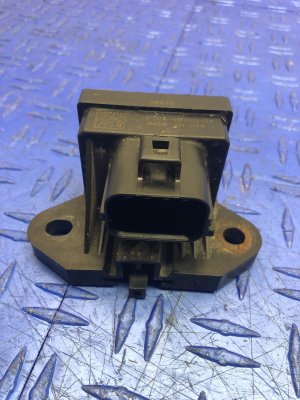
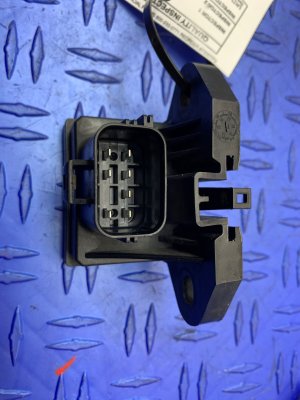
New Aftermarket Parts Available


The information in this article is provided for general reference and educational purposes only. Vehicle specifications, procedures, and part compatibility can vary by production date, trim level, and region. Always consult your vehicle's factory service manual and verify part numbers before purchasing or performing repairs. Safety-critical components such as airbags, seat belts, and braking systems should be installed by a qualified professional.
- Ford Transit:
- 🧭 Diagnostic Flowchart
- 🎬 Helpful Videos
- 🛍️ Shop This Part
- What's Unique About the 2015-2024 Ford Transit
- Symptoms You May Notice
- Most Likely Causes
- Rare But Worth Checking
- Diagnosis Steps
- Parts You'll Likely Need
- Related Codes That Often Appear With This One
- Technical Service Bulletins (TSBs) & Recalls
- Platform-Specific Known Issues
- Mechanic-Grade Diagnostic Values
- Hidden / Shadow Codes Worth Checking
- Scan Tool Commands That Help
- Wiring & Ground Locations
- Real Owner Repair Stories
- Documented NHTSA Reports
- OEM Part Supersession History
- Model Year Variations Within This Range
- Other Known Issues on This Vehicle
- Used vs. New Parts: Buying Guide for This Vehicle
- Real Owner Stories
- 2015 Ford Transit Custom
- 2015-2024 Ford Transit
- High-mileage Ford Transit — ~150000 miles
- Related OBD-II Codes
- Frequently Asked Questions
- 🎟️ Get 5% Off