

U0140 on 2020-2025 Kia Telluride: Lost Communication With Body Control Module Causes and Fixes
This code means the Body Control Module (BCM) has stopped communicating with other vehicle computers. The most likely causes on a Telluride are a weak battery, a poor ground connection, a software issue, or a fault related to the factory tow hitch wiring harness, which is subject to a major recall. A trip to the dealer for diagnosis is often required.
- U0140 means the Body Control Module (BCM/IBU) is offline.
- Before suspecting an expensive module failure, always check the simplest things first: battery health, fuses, and visible ground connections.
- On a 2020-2025 Telluride, this code is not a common DIY problem. Diagnosis will likely require a dealer visit to check for software updates and perform network diagnostics.
- Do not replace the BCM without professionally diagnosing the power, ground, and communication circuits first.
- Driving with this code is risky as essential safety features like lights and wipers may fail without warning.
What's Unique About the 2020-2025 Kia Telluride
While U0140 is a generic code, its occurrence on the 2020-2022 Kia Telluride has a very platform-specific potential cause: a faulty accessory tow hitch wiring harness. This issue was so prevalent it led to a major safety recall (NHTSA Campaign 22V626000, Kia SC247) because moisture could enter the harness module, causing a short circuit that could disrupt the entire communication network, trigger U0140, and even pose a fire risk while parked. This makes checking the status of this recall an essential first step. Additionally, Kia has issued software updates for the BCM (IBU) to fix other electrical issues, suggesting software glitches are another key area to investigate.
Symptoms You May Notice
- Multiple dashboard warning lights illuminating at once (e.g., ABS, traction control).
- Power windows, door locks, or power mirrors not working.
- Interior or exterior lights behaving erratically (flickering, staying on, or not turning on).
- Windshield wipers not functioning or acting strangely.
- Key fob (remote) functions failing.
- In some cases, a no-start or crank-no-start condition if the BCM is involved in the vehicle's immobilizer sequence.
- Instrument cluster display going blank or acting erratically.
- Replacing the BCM before checking for the tow hitch harness recall (SC247) or performing the required software updates.
- Replacing other control modules before verifying BCM power, ground, and communication lines.
- Replacing the battery without load testing it properly, as a good-looking voltage reading doesn't always mean the battery is healthy under load.
Most Likely Causes
- Faulty Tow Hitch Wiring Harness Module 🔴 High Probability A factory-accessory 4-pin tow hitch harness on 2020-2022 models is prone to moisture intrusion, causing the module's circuit board to short out. This can disrupt the entire CAN bus network, leading to U0140 and other communication codes. This defect prompted Kia recall SC247 (NHTSA 22V626000).
How to confirm: Check your vehicle's VIN on the NHTSA website (NHTSA.gov/recalls) to see if recall SC247 is open for your vehicle. A dealer must perform the recall, which involves inspection and potential replacement of the harness and module.
Typical fix: Dealer performs the recall remedy, which includes installing a new fuse, a wiring harness extension to prevent moisture intrusion, and replacing the tow hitch harness assembly if necessary, free of charge.
Est. part cost: $0 - Low Battery Voltage or Poor Ground Connection 🔴 High Probability → Shop Vehicle Battery Modern vehicles like the Telluride are highly sensitive to voltage. A weak battery or corroded/loose ground strap can cause unpredictable communication errors between modules.
How to confirm: Test the battery voltage with a multimeter. It should be above 12.4V with the engine off and 13.7V-14.7V when running. Load test the battery to ensure it's healthy. Inspect the main battery terminals and chassis ground points for corrosion or looseness.
Typical fix: Recharge or replace the battery. Clean or tighten ground connections.
Est. part cost: $0-$250 - BCM/IBU Software Issue 🟡 Medium Probability Kia has released a TSB (ELE302) for some 2023 Tellurides to fix issues like an inoperative lock/unlock function and battery drain with a BCM/IBU software update, indicating the possibility of software-related faults causing communication loss.
How to confirm: A Kia dealership or a professional shop with an OEM-level scan tool must check the current software version (ROM ID) of the IBU against the latest available version.
Typical fix: Reprogramming (flashing) the Integrated Body Control Unit (IBU) with the latest software.
Est. part cost: $0 - Wiring Harness or Connector Fault 🟡 Medium Probability Aside from the tow harness, wiring can be damaged by vibration, chafing, or moisture. The BCM has numerous connectors, and a single loose pin or corroded terminal can sever communication.
How to confirm: Visually inspect the wiring harnesses connected to the BCM for any signs of damage, corrosion, or moisture. Disconnect and inspect the main BCM connectors for bent or corroded pins. This is a labor-intensive process.
Typical fix: Repairing the damaged section of the wire or cleaning/replacing the affected connector.
Est. part cost: $10-$150 - Failed Body Control Module (BCM/IBU) ⚪ Low Probability → Shop Body Control Module While less common than other issues, internal failure of the module can occur. Replacement is a last resort after all other possibilities are exhausted.
How to confirm: This is a process of elimination. If the battery, grounds, wiring, software, and tow harness have all been confirmed to be good, the module itself is the likely culprit. A high-end scan tool will show the BCM as offline.
Typical fix: Replacing the Body Control Module and programming the new unit to the vehicle's VIN and specific options. This must be done by a dealer or qualified shop.
Est. part cost: $400-$800
Diagnosis Steps
- Check for Recalls: Enter your VIN at NHTSA.gov/recalls to check for open recalls, especially Kia recall SC247 (NHTSA ID: 22V626000) related to the tow hitch harness on 2020-2022 models. This is a known cause of network failure and fire risk.
- Check Battery Health: Ensure the battery has at least 12.4 volts and have it load-tested. Low voltage is a primary cause of network codes.
- Inspect Fuses: Check all fuses related to the BCM/IBU in both the interior and under-hood fuse panels.
- Scan for All Codes: Use an advanced OBD-II scanner to read codes from ALL modules, not just the engine computer. Note if other modules are also setting 'U' codes, which points to a network-wide issue.
- Visual Inspection: Visually inspect the BCM/IBU and its connectors for any obvious signs of water intrusion, corrosion, or physical damage. The BCM is typically located behind the dashboard on the driver's side.
- Check for TSBs: Ask a Kia dealership to check your VIN for any open service campaigns or TSBs, especially TSB ELE302 for 2023 models, which involves a BCM/IBU software update.
- Professional Diagnosis: If the above steps don't reveal the issue, the vehicle needs professional diagnosis. A technician will test the CAN bus wiring for proper resistance (~60 ohms), shorts, and opens, and verify power and ground directly at the BCM connector before condemning the module.
Parts You'll Likely Need
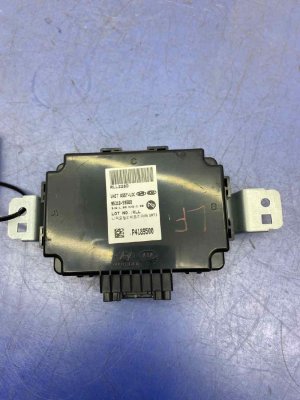
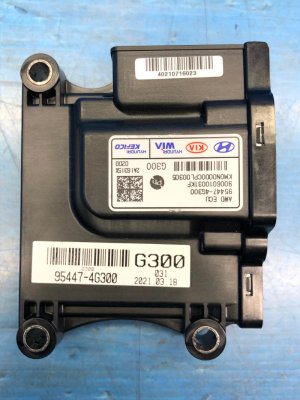
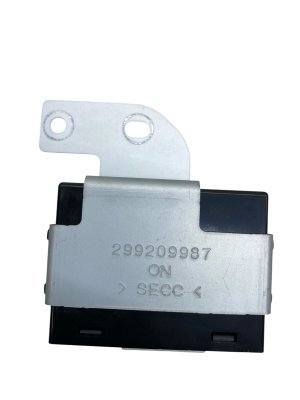
- Integrated Body Control Unit (IBU) / Body Control Module (BCM)
(OEM #95400-S9530 (example for 2020-2021 models, always verify with VIN))— If all wiring, power, grounds, and software are confirmed good, the module itself has likely failed. This is the final step after ruling out all other possibilities. Replacement requires dealer programming.
Trusted brands: Kia (OEM)
OEM price range: $400-$800
Aftermarket price range: Not typically available - Tow Hitch Wiring Harness — This is typically replaced by the dealer under recall SC247 for 2020-2022 models if it is found to be the cause of the electrical short.
Trusted brands: Kia (OEM)
OEM price range: $0 (if under recall)
Aftermarket price range: Not recommended
Related Codes That Often Appear With This One
- U0073 — This code means the entire communication bus is offline. If you see U0073, the U0140 is just a symptom of a larger network-wide failure, possibly caused by the tow harness short.
- U0100 — Lost communication with the Engine Control Module (ECM). Seeing this with U0140 points to a more severe network problem, not just an issue with the BCM itself.
- U0155 — Lost communication with the Instrument Panel Cluster. Since the BCM and cluster are closely linked, seeing both codes often points to a shared wiring or power/ground issue.
Technical Service Bulletins (TSBs) & Recalls
- ELE302 (NHTSA ID: 10252516): Addresses an inoperative lock/unlock function and potential 12V battery drain on certain 2023 Telluride models via a software update to the IBU.
Platform-Specific Known Issues
- Kia has issued recall SC247 (NHTSA 22V626000) for 2020-2022 Tellurides with the 4-pin tow hitch harness. Moisture can short the module, causing network communication failures (like U0140) and a fire risk, even when parked.
- Kia has issued TSB ELE302 for some 2023 Telluride models to update the Integrated Body Control Unit (IBU) software. The original issue was for an inoperative lock/unlock function and potential battery drain, which are symptoms related to BCM malfunction.
Mechanic-Grade Diagnostic Values
- CAN Bus Network Resistance — expected: Approximately 60 Ω between CAN High and CAN Low pins (pins 6 and 14 of the OBD-II port) with the battery disconnected.. Failure: A reading of ~120 Ω indicates one of the two terminating resistors is offline or the bus is broken. A reading significantly lower than 60 Ω (e.g., 40 Ω) suggests an extra, unintended termination resistor is on the network, or a module is shorting the bus. An open circuit (infinite resistance) indicates a break in the wiring.
- CAN High Voltage (Key On, Engine Off) — expected: Fluctuates between 2.5V and 3.5V. A multimeter will show an average of around 2.6V - 2.7V.. Failure: A steady voltage, no voltage, or voltage outside the expected range indicates a short, open, or module failure on the bus.
- CAN Low Voltage (Key On, Engine Off) — expected: Fluctuates between 2.5V and 1.5V. A multimeter will show an average of around 2.3V - 2.4V.. Failure: A steady voltage, no voltage, or voltage outside the expected range indicates a short, open, or module failure on the bus.
- BCM Ground Resistance — expected: < 0.1 Ω between the BCM's ground pin(s) and a clean chassis ground.. Failure: Higher resistance indicates a poor ground connection, which is a common cause of module communication issues.
Scan Tool Commands That Help
- Kia GDS (Global Diagnostic System) or J2534 Pass-Thru Device: ECU Upgrade / Reprogramming — This is required when a BCM/IBU software update is available (like TSB ELE302) or when a new or used BCM is installed. The function flashes the module with the correct software for the vehicle's VIN and options.
- Kia GDS (Global Diagnostic System): Key Registration / Immobilizer Sync — After replacing the BCM, the vehicle's keys must be reprogrammed to the new module. The BCM is a critical part of the anti-theft system, and failure to perform this step will result in a no-start condition.
- Advanced Bidirectional Scan Tool: Module Status Check / Network Test — Before testing individual wires, a network test can poll all modules on the CAN bus. This quickly confirms which modules are online and communicating and which are offline (like the BCM in a U0140 scenario).
Wiring & Ground Locations
- BCM / IBU Location — The Body Control Module is typically located under the driver's side of the dashboard, often integrated with or mounted near the interior fuse panel. A lower dash trim panel may need to be removed for access.. This is the primary component in the U0140 code. Physical inspection for water damage, corrosion, or loose connectors is a key diagnostic step.
- Main Chassis Ground — There is a primary grounding bolt on the right side of the interior fuse panel where multiple ground wires connect. Other key ground straps connect the body to the frame and engine.. A loose or corroded ground connection at this point can cause intermittent and widespread electrical issues, including communication codes like U0140.
- CAN Bus Terminating Resistors — On most Kia vehicles, there are two 120 Ω terminating resistors. One is typically located inside the Engine Control Module (ECM/PCM), and the other is inside the BCM or another major control unit like the instrument cluster or fuse box.. The entire CAN network relies on having exactly two of these resistors to function. If a module containing a resistor fails (like the BCM), it can take down the entire network, causing this code.
Real Owner Repair Stories
- Reddit user Hi-Scan-Pro, r/Justrolledintotheshop (2023 Kia Telluride) — Multiple CAN communication issues.
❌ Tried (didn't work) Initial diagnosis pointed towards a module failure.
✅ What actually fixed it The technician isolated the issue to the rear floor harness. After pulling back a cover, a wet patch was discovered on the harness where water had wicked up and corroded the CAN bus wires. The root cause was determined to be from a carpet cleaning machine that saturated the carpet, leading to the corrosion. Repairing the damaged wires in the harness resolved the communication codes.
OEM Part Supersession History
95400-S9530→N/A— BCM for 2020-2022 models. Part numbers are highly specific to trim and options.
Heads up: Must be matched exactly to the vehicle's original part number and options.954B0-S9040→N/A— BCM for 2023-2024 models. Example part for a vehicle without a power liftgate and with a specific smart key type.
Heads up: Part numbers for facelifted 2023+ models are different from earlier years and are also specific to trim and options. Do not assume interchangeability.
Model Year Variations Within This Range
- 2023-2025 (Facelift): The BCM/IBU part numbers changed with the 2023 model year refresh. Furthermore, a specific TSB (ELE302) was issued for 2023 models produced between Jan-June 2023 for a software update to fix lock/unlock and battery drain issues, indicating different software logic from previous years.
- 2020-2022 (Pre-facelift): These model years are the primary focus of the major tow hitch wiring harness recall (SC247), which is a leading cause of U0140 on these specific vehicles.
Diagnostic Flowchart
Other Known Issues on This Vehicle
Issues unrelated to this code that are worth knowing about as an owner of this generation:
- Tow Hitch Harness Fire Risk 🔴 High — Common enough to trigger a major safety recall (SC247) on 36,417 Tellurides from 2020-2022 equipped with the 4-pin harness. (Ref: Recall: NHTSA 22V626000 / Kia SC247)
- High Beam Headlight Failure 🔴 High — Affects 2020 models with halogen headlights. Heat from the bulb can damage an internal mechanism, causing high beams to fail. (Ref: Recall: NHTSA 24V148 / Kia SC299)
- Windshield/Exterior Trim Detaching 🟠 Medium — Numerous owner reports on forums for 2022-2024 models of black exterior trim pieces around the windows and A-pillars coming loose or flying off at highway speeds, often attributed to failing adhesive. (Ref: No recall, but dealers are replacing under warranty.)
- Spontaneously Cracking Windshields 🟠 Medium — A high number of owner complaints filed with NHTSA for the 2020 model year, alleging windshields crack or chip easily without significant impact.
- Power Seat Motor Fire Risk 🔴 High — A stuck power seat slide knob can cause the motor to overheat. Affects over 460,000 Tellurides from 2020-2024. (Ref: Recall: Kia SC316)
- Blank Instrument Cluster/Infotainment Screen 🟠 Medium → Shop Instrument Cluster — Recalls were issued for 2022 and 2023 models where software glitches or manufacturing defects could cause the main displays to go blank. (Ref: Multiple recalls)
Used vs. New Parts: Buying Guide for This Vehicle
When a used part is the smart pick: A used OEM BCM from a reputable salvage yard can be a cost-effective option, but only if the part number EXACTLY matches the original unit from your vehicle. It is a viable choice if you have access to a dealership or a qualified independent shop that can perform the mandatory programming.
Donor-vehicle mileage cap: roughly under 100000 miles for the part to have meaningful remaining life.
What to inspect on the donor part:
- Verify the part number on the used module's label is an identical match to your original BCM.
- Inspect all connector pins for any signs of corrosion, moisture damage, or being bent.
- Check the module's plastic casing for cracks, heat damage, or signs that it has been opened previously.
- If possible, obtain the VIN of the donor vehicle to check its history for flood or fire damage.
OEM-only on this vehicle (don't cheap out):
- Body Control Module (BCM/IBU)
Aftermarket brands forum-validated for this vehicle:
- N/A - Aftermarket BCMs are not typically available or recommended for this vehicle due to complex software and programming requirements.
Brands owners have reported issues with on this vehicle:
- Any unbranded or 'remanufactured' modules from unknown online sellers should be avoided. The risk of receiving a non-functional or incorrectly programmed unit is high.
Real Owner Stories
Aggregated from forums and TSBs cited above. Mileages and costs reflect what owners reported in those sources.
2020-2022 Kia Telluride
Symptoms: Network communication failures and a potential fire risk while parked due to moisture in the tow hitch area.
What fixed it: Dealer performed recall SC247, which involved installing a new fuse, a wiring harness extension to prevent moisture intrusion, and replacing the tow hitch harness assembly.
Cost: $0
Source hint: Kia recall SC247 (NHTSA 22V626000)
2023 Kia Telluride
Symptoms: Inoperative lock/unlock function and 12V battery drain.
What fixed it: Reprogramming (flashing) the Integrated Body Control Unit (IBU) with the latest software.
Cost: $0
Source hint: TSB ELE302 (NHTSA ID: 10252516)
Related OBD-II Codes
Frequently Asked Questions
I have a 2021 Kia Telluride with a tow hitch; could this be causing my U0140 code?
Does TSB ELE302 apply to my 2023 Telluride if my door locks stopped working?
Can a weak battery cause communication codes like U0140 on a 2024 Telluride?
Is there a recall for the instrument cluster going blank on 2022-2023 models?
How much does it cost to fix the tow hitch harness issue related to U0140?
Helpful Videos
We Have This Part in Stock

The information in this article is provided for general reference and educational purposes only. Vehicle specifications, procedures, and part compatibility can vary by production date, trim level, and region. Always consult your vehicle's factory service manual and verify part numbers before purchasing or performing repairs. Safety-critical components such as airbags, seat belts, and braking systems should be installed by a qualified professional.
- Kia Telluride:
- 🧭 Diagnostic Flowchart
- 🎬 Helpful Videos
- 🛍️ Shop This Part
- What's Unique About the 2020-2025 Kia Telluride
- Symptoms You May Notice
- Most Likely Causes
- Diagnosis Steps
- Parts You'll Likely Need
- Related Codes That Often Appear With This One
- Technical Service Bulletins (TSBs) & Recalls
- Platform-Specific Known Issues
- Mechanic-Grade Diagnostic Values
- Scan Tool Commands That Help
- Wiring & Ground Locations
- Real Owner Repair Stories
- OEM Part Supersession History
- Model Year Variations Within This Range
- Other Known Issues on This Vehicle
- Used vs. New Parts: Buying Guide for This Vehicle
- Real Owner Stories
- 2020-2022 Kia Telluride
- 2023 Kia Telluride
- Related OBD-II Codes
- Frequently Asked Questions
- 🎟️ Get 5% Off