

U0140 on 2013-2021 Mazda 6: Lost Communication With Body Control Module Causes and Fixes
On a 2013-2021 Mazda 6, code U0140 indicates a loss of communication with the Body Control Module (BCM). Before suspecting a failed BCM, check for a weak battery, blown fuses, or corroded ground wires, as these are the most common and cheapest fixes. The BCM is located in the driver's side footwell and is less prone to water damage than in previous generations. A faulty BCM is the least likely cause and requires professional programming.
- U0140 on a Mazda 6 means the Body Control Module (BCM) has lost communication with other vehicle computers.
- Do not assume the BCM has failed. The most common causes are simple electrical issues: a weak battery, bad ground connections, or a blown fuse.
- Symptoms are widespread and affect non-engine systems like lights, locks, and wipers.
- Diagnosis should always start with the easiest and cheapest checks: test the battery and inspect fuses and grounds.
- Replacing the BCM is a last resort and requires professional programming, making it a costly repair.
What's Unique About the 2013-2021 Mazda 6
The 2013-2021 Mazda 6 (GJ/GL generation) integrates the BCM into the driver's side footwell area, behind the fuse panel and to the left of the steering column. Unlike some older Mazda models (like the first-gen Mazda 3 and second-gen Mazda 6) which were notorious for water leaks from clogged sunroof drains or cowl seals directly onto the BCM/PJB, this issue is not widely reported for the third-generation Mazda 6. The diagnostic approach should therefore heavily prioritize basic electrical health (battery, grounds, fuses) before suspecting a module failure, as modern Mazda electronics are highly sensitive to low voltage.
Generation note: The 2013-2021 model year range covers the entire third generation of the Mazda 6 (chassis codes GJ and GL). This generation was launched for the 2014 model year and received a significant facelift in 2018. The causes and diagnostic procedures for U0140 are consistent across this entire generation.
Symptoms You May Notice
- Check Engine Light is on
- Multiple other warning lights (ABS, Traction Control, etc.) may illuminate simultaneously.
- Malfunctioning or inoperative power windows and door locks.
- Erratic or non-working headlights, taillights, or turn signals.
- Wipers behaving erratically or not working at all. 🎬 Watch: See how a faulty BCM causes flashing indicator issues.
- Key fob (remote) not working or intermittent operation.
- Vehicle may not start (no-crank condition) if the BCM is involved in the immobilizer sequence.
- Stop/Start system may be deactivated.
- Replacing the Body Control Module (BCM) without first verifying its power and ground connections are good. A simple bad ground or weak battery is a far more common cause.
- Replacing other components like light bulbs or switches when their malfunction is actually a symptom of the BCM being offline.
Most Likely Causes
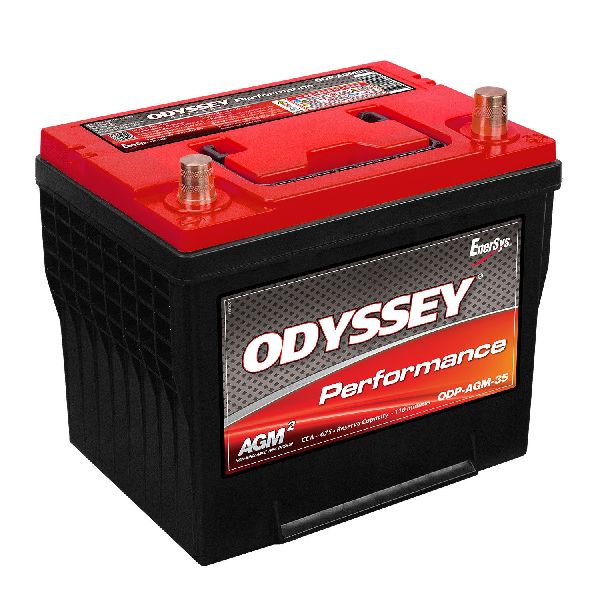
- Low Battery Voltage or Failing Alternator 🔴 High Probability → Shop Vehicle Battery Modern control modules, including the BCM, are sensitive to voltage. A weak battery or failing charging system can cause modules to drop off the network intermittently, triggering communication codes like U0140.
How to confirm: Test the battery voltage with the engine off; it should be above 12.4V. With the engine running, voltage should be between 13.7V and 14.7V. Most auto parts stores will test your battery and alternator for free.
Typical fix: Recharge or replace the battery. If the charging system is at fault, replace the alternator.
Est. part cost: $150-$400 - Poor BCM Ground Connection 🟡 Medium Probability Ground wires attached to the chassis can corrode or loosen over time, creating high resistance and causing unpredictable electrical issues. While not a specific known issue for this model, it's a common cause for network codes on many vehicles.
How to confirm: Locate the main ground point(s) for the BCM (consult a service manual for exact location, often near the A-pillar or under the dash). Visually inspect for corrosion or looseness. Use a multimeter to check for resistance between the BCM ground pin and the negative battery terminal; it should be less than 0.5 ohms.
Typical fix: Disconnect the ground wire, clean the terminal and the chassis contact point to bare metal, and re-secure it tightly. Apply dielectric grease to prevent future corrosion.
Est. part cost: $1-$5 - Blown Fuse for the BCM 🟡 Medium Probability
How to confirm: Consult the owner's manual to identify all fuses related to the Body Control Module in both the interior (driver's footwell) and under-hood fuse boxes. Look for fuses labeled 'BCM', 'ROOM', or similar. Visually inspect each fuse or test for continuity with a multimeter.
Typical fix: Replace the blown fuse with a new one of the exact same amperage. If the fuse blows again, it indicates a short circuit that needs to be diagnosed.
Est. part cost: $1-$10 - Damaged Wiring or Loose Connector ⚪ Low Probability
How to confirm: Visually inspect the wiring harness going to the BCM for any signs of chafing, cuts, or rodent damage. Disconnect the BCM connector (with the battery disconnected) and inspect for bent, corroded, or loose pins.
Typical fix: Repair the damaged section of the wire harness. Clean corroded pins with an electrical contact cleaner. Replace the connector if it is damaged.
Est. part cost: $10-$100
Rare But Worth Checking
- Faulty Body Control Module (BCM): → Shop Body Control Module This is the least likely cause and should only be suspected after all other electrical possibilities (power, ground, wiring) have been exhaustively checked and ruled out. A dealership or specialist with a proper scan tool can attempt to communicate directly with the BCM to confirm if it is truly unresponsive.
- CAN Bus Network Fault: A short or open in the CAN bus wiring itself, or a fault in another module on the network, can sometimes cause communication to drop. This requires advanced diagnostics with a multimeter or oscilloscope to check network resistance (~60 Ohms) and signal integrity.
- Aftermarket Accessory Interference: Improperly installed aftermarket accessories, such as remote starters or alarm systems that tap into the CAN bus, can introduce electrical noise and disrupt communication, leading to a U0140 code.
Diagnosis Steps
- Check Battery Health: Start by testing the battery voltage and the charging system. Ensure voltage is stable and within specifications (12.4V+ engine off, 13.7-14.7V engine on). A weak battery is a primary suspect.
- Scan for All Codes: Use a quality OBD-II scanner that can access all modules (not just the engine). Note if other 'U' codes are present, which can help pinpoint a network-wide problem versus a single module issue.
- Inspect Fuses: Check all fuses related to the BCM in the interior and engine bay fuse panels. Refer to the owner's manual for specific locations.
- Inspect BCM and Grounds: Locate the BCM in the driver's side footwell, to the left of the steering column, often integrated with the interior fuse panel. Visually inspect its connectors for corrosion or damage. Locate and inspect the main body ground connections for corrosion or looseness.
- Check CAN Bus Resistance: With the battery disconnected, use a multimeter to measure the resistance between Pin 6 (CAN-High) and Pin 14 (CAN-Low) 🎬 Watch: A quick guide to testing CAN bus resistance and voltage. on the OBD-II port. A healthy network should read approximately 60 ohms.
- Verify Power/Ground at BCM: Using a wiring diagram, use a multimeter to confirm the BCM is receiving proper battery and ignition power and has a solid ground connection at its main connector.
- Seek Professional Help: If all the above steps check out, the issue may be an internal BCM failure or a complex wiring problem requiring professional diagnosis with an oscilloscope 🎬 See this professional case study on BCM diagnosis and programming. or advanced scan tool.
Parts You'll Likely Need
- Body Control Module (BCM)
(OEM #Varies by VIN and model year (e.g., GJR9-67-560x, KD45-67-560x). Must be matched to the vehicle.)— This is only needed if the module itself has failed internally, which is rare. It is the last part to be replaced after all wiring, power, and ground issues have been ruled out. Requires programming by a dealer or specialist.
Trusted brands: Mazda (OEM)
OEM price range: $500-$800 - Battery — A weak or failing battery is a very common cause of intermittent communication codes in modern vehicles.
Trusted brands: Deka, Interstate, DieHard
OEM price range: $200-$300
Aftermarket price range: $150-$250
Related Codes That Often Appear With This One
- U0073 — U0073 means 'Control Module Communication Bus A Off'. If you see this with U0140, it points to a major network failure affecting the entire bus, rather than just a problem with the BCM itself.
- U0100 — Lost Communication with ECM/PCM. Seeing this with U0140 suggests a more widespread network problem affecting multiple critical modules, often pointing back to a bad battery or main power/ground issue.
- U0155 — Lost Communication with Instrument Panel Cluster. The cluster is another key module, and its failure often accompanies BCM communication issues, as they are all on the same network.
Technical Service Bulletins (TSBs) & Recalls
- SA-027-24 / NHTSA ID 10254187: While not directly for U0140, this service alert addresses 'ghost touch' and delamination on the Mazda Connect infotainment screen for 2016-2021 Mazda 6 models. An erratic infotainment system could potentially disrupt CAN bus communication, although this is not a confirmed cause of U0140.
- Cross-Manufacturer Reference: While documented on other Mazda platforms, owner reports like NHTSA ODI #10644947 indicate that U0140 can appear alongside ABS hydraulic unit issues, sometimes referencing Service Bulletin No. 04-002/13.
Platform-Specific Known Issues
- Owner Experience: Battery Replacement Solves U0140 and Other Codes: → Shop Vehicle Battery A user on a Mazda forum with a 2014 Mazda 6 reported that after their car failed to start, they received a U0140 code along with a host of other communication codes. After confirming the battery was dead, they replaced it
Mechanic-Grade Diagnostic Values
- CAN Bus Resistance — expected: Approximately 60 Ω. Failure: A reading of ~120 Ω indicates an open circuit or missing terminating resistor. A reading significantly below 60 Ω suggests a short between the CAN High and Low lines.
- CAN Bus Voltage (Key On, Engine Off) — expected: CAN-High (Pin 6) should be ~2.5V rising to ~3.5V when active. CAN-Low (Pin 14) should be ~2.5V falling to ~1.5V when active.. Failure: Voltages that are stuck high, low, or do not mirror each other indicate a bus wiring fault or a module pulling the bus down.
- BCM Ground Circuit Voltage Drop — expected: ≤100–200 mV (0.1-0.2V). Failure: A reading higher than 200mV indicates excessive resistance in the ground circuit, which can cause the module to malfunction.
Scan Tool Commands That Help
- Mazda M-MDS (or equivalent): Configuration (As-Built) — This function must be used BEFORE removing the old BCM. It saves the vehicle-specific configuration data (personalization settings, key data, etc.), which is then loaded onto the new module after installation to ensure proper function and avoid a no-start condition.
- Advanced Bidirectional Scan Tool (e.g., FORScan, Autel): BCM Self-Test or Output State Control — To verify if the BCM is truly offline. A technician can command the BCM to perform an action (e.g., 'Turn on dome light'). If the command fails, it helps confirm the BCM is unresponsive, assuming power and ground are good. If the command works, the problem is likely intermittent or on the network side.
Wiring & Ground Locations
- BCM (Body Control Module) — Located in the driver's side footwell, mounted to the left of the steering column, often integrated with or behind the interior fuse panel. Requires removal of the driver-side lower panel and front scuff plate/side trim for access.. This is the primary module that has lost communication. All power, ground, and network wiring for the BCM terminates at this location.
- FBCM (Front Body Control Module) / RBCM (Rear Body Control Module) — On 2018+ facelift models (GL chassis), the system is split. The FBCM is in the traditional driver's footwell location, while an RBCM may also be present.. On later models, a U0140 could refer specifically to the FBCM. Diagnosis must consider the entire FBCM/RBCM network architecture, not just a single module.
OEM Part Supersession History
KD45-67-5Y0A through KD45-67-5Y0F→KD45-67-5Y0G— Standard hardware and software revisions by the manufacturer to improve reliability or fix bugs.
Heads up: While the latest version (G) is generally backwards compatible, it is critical to match the part number to the vehicle's VIN and options. Using a module from a car with different features may cause issues even after programming.
Model Year Variations Within This Range
- 2018-2021: The 2018 facelift (GL generation) introduced a more complex body electrical system that can include both a Front Body Control Module (FBCM) and a Rear Body Control Module (RBCM). Pre-facelift models (2013-2017, GJ generation) typically have a single, centralized BCM. This changes the diagnostic approach, as the fault could be with the FBCM, RBCM, or the wiring between them.
Diagnostic Flowchart
Other Known Issues on This Vehicle
Issues unrelated to this code that are worth knowing about as an owner of this generation:
- Infotainment Screen Delamination/Ghost Touch 🟠 Medium — Very common, especially on 2016-2020 models. Often appears after 3-5 years due to heat cycles causing adhesive failure. (Ref: Mazda Service Alert SA-027-24 (NHTSA ID 10254187) describes the issue and provides a repair kit procedure.)
- SkyActiv-G Engine Carbon Buildup 🟡 Low — A potential long-term issue for all direct-injection engines. While Mazda's design aims to minimize it, buildup can occur over high mileage (80k-100k+ miles), especially with short-trip driving patterns. It is not considered a widespread, premature failure point on these engines.
- Prematurely Worn Wheel Bearings 🟠 Medium — Reports indicate that wheel bearings, particularly in the front, can become noisy and require replacement earlier than expected, sometimes before 60,000 miles.
- Thin Paint 🟡 Low — A common complaint across this generation is that the paint, especially Mazda's signature 'Soul Red Crystal', is thin and prone to chipping easily from road debris.
Used vs. New Parts: Buying Guide for This Vehicle
When a used part is the smart pick: A used BCM is a very common and cost-effective repair strategy, but ONLY if you use a 'cloning' service. It is not a plug-and-play part. This is ideal when your original BCM is physically damaged (e.g., water intrusion) but the data can still be extracted by a specialist.
Donor-vehicle mileage cap: roughly under 150000 miles for the part to have meaningful remaining life.
What to inspect on the donor part:
- Match the OEM part number EXACTLY. Even a single letter difference can indicate an incompatible hardware or software version.
- Source the used BCM from a vehicle with the same model year and options package if possible.
- Ensure the connector pins on the donor unit are clean, straight, and free of any corrosion.
- Ask the seller to confirm the donor vehicle was not involved in a flood.
OEM-only on this vehicle (don't cheap out):
- Body Control Module (BCM) - No aftermarket companies manufacture new BCMs for this vehicle; the only options are new OEM, used OEM, or remanufactured OEM.
Aftermarket brands forum-validated for this vehicle:
- For this repair, you are not buying an aftermarket part, but rather an aftermarket service. 'BCM Cloning' services offered by companies like Karman Auto or other mail-in electronics repair shops are a validated method for using a donor BCM.
Real Owner Stories
Aggregated from forums and TSBs cited above. Mileages and costs reflect what owners reported in those sources.
2014 Mazda 6
Symptoms: The vehicle failed to start (no-crank condition) and the owner received a U0140 code along with multiple other communication codes.
What fixed it: Confirmed the battery was dead and replaced it with a new unit.
Source hint: Owner Experience: Battery Replacement Solves U0140 and Other Codes
Documented NHTSA Reports
Mazda Communication and ABS Faults
Symptoms: Multiple warning lights illuminated. Computer readouts showed codes C0020, U0140, and U0140, which were noted as being related to the ABS hydraulic unit.
Context: NHTSA ODI #10644947 describes this scenario where a repair shop provided a specific service bulletin regarding the ABS hydraulic unit in relation to these communication codes.
Intermittent Electrical and Network Codes
Symptoms: An owner reported finding codes U3003, U0140, and U0428 after performing a check with an OBD2 reader following routine maintenance checks.
Context: As documented in NHTSA ODI #10669995, these codes can appear together even when no immediate driving symptoms are noted during fluid or tire pressure checks.
ABS and BCM Communication Loss
Symptoms: A vehicle scan revealed a cluster of codes including C0020:1C-2B (ABS Pump Motor Control Circuit), U0425:62-60 (Invalid Data from IPC/ABS), and U0140:00-28 (Lost Communication with BCM).
Context: NHTSA ODI #11683431 notes that these issues are consistent with manufacturer technical service bulletins regarding module communication.
Related OBD-II Codes
Frequently Asked Questions
Could the 'ghost touch' issue on my 2017 Mazda 6 infotainment screen be causing the U0140 communication code?
Where is the Body Control Module (BCM) located on the 2013-2021 Mazda 6 for inspection?
My 2014 Mazda 6 won't start and shows U0140; could it just be the battery?
Which fuses should I check on my Mazda 6 if I suspect a BCM communication failure?
Can I simply swap in a used BCM from a donor Mazda 6 to fix this?
What should the CAN bus resistance be when testing the OBD-II port on this vehicle?
Helpful Videos

Used OEM Parts in Stock
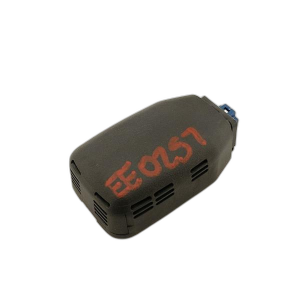
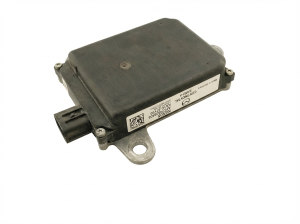
New Aftermarket Parts Available


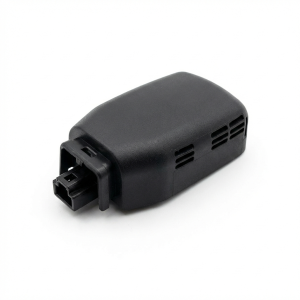
The information in this article is provided for general reference and educational purposes only. Vehicle specifications, procedures, and part compatibility can vary by production date, trim level, and region. Always consult your vehicle's factory service manual and verify part numbers before purchasing or performing repairs. Safety-critical components such as airbags, seat belts, and braking systems should be installed by a qualified professional.
- Mazda 6:
- 🧭 Diagnostic Flowchart
- 🎬 Helpful Videos
- 🛍️ Shop This Part
- What's Unique About the 2013-2021 Mazda 6
- Symptoms You May Notice
- Most Likely Causes
- Rare But Worth Checking
- Diagnosis Steps
- Parts You'll Likely Need
- Related Codes That Often Appear With This One
- Technical Service Bulletins (TSBs) & Recalls
- Platform-Specific Known Issues
- Mechanic-Grade Diagnostic Values
- Scan Tool Commands That Help
- Wiring & Ground Locations
- OEM Part Supersession History
- Model Year Variations Within This Range
- Other Known Issues on This Vehicle
- Used vs. New Parts: Buying Guide for This Vehicle
- Real Owner Stories
- 2014 Mazda 6
- Documented NHTSA Reports
- Mazda Communication and ABS Faults
- Intermittent Electrical and Network Codes
- ABS and BCM Communication Loss
- Related OBD-II Codes
- Frequently Asked Questions
- 🎟️ Get 5% Off