

U0140 on 2013-2016 Mazda CX-5: Lost Communication With Body Control Module Causes and Fixes
U0140 indicates a communication failure with the Body Control Module (BCM). On a 2013-2016 Mazda CX-5, this is often caused by a weak battery, a poor ground connection, or a faulty shifter switch. Always check these simpler electrical issues before assuming the expensive BCM has failed.
- Code U0140 on a 2013-2016 Mazda CX-5 means the Body Control Module (BCM) is offline.
- Before suspecting a failed BCM, always test the battery, clean the terminals, and inspect all major ground connections. These are the most common fixes.
- Symptoms will be varied electrical problems, including non-working lights, locks, wipers, and potentially a no-start condition.
- If the BCM does need to be replaced, it is not a DIY-friendly job as the new module must be professionally programmed to the vehicle's VIN.
What's Unique About the 2013-2016 Mazda CX-5
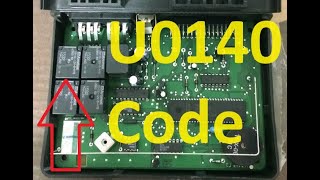
The first-generation Mazda CX-5 (2013-2016) does not have a widely documented, systemic flaw causing code U0140. However, like many modern vehicles, it is sensitive to low voltage. Owner and technician experiences with Mazda vehicles suggest that basic electrical faults, such as a failing battery or corroded chassis grounds, are a more frequent cause of communication codes like U0140 than the actual failure of the Body Control Module itself. 🎬 Watch: Understanding the U0140 code and common BCM communication fixes. A Reddit user with a 2014 CX-5 experiencing a 'Christmas tree' dash and a U0140 code suspected a bad ground or a faulty FBCM, highlighting a common diagnostic crossroads for owners. The CX-5 also utilizes a Rear Body Control Module (RBCM), and faults in this secondary module or its wiring (e.g., shorting the cargo area light) can sometimes cause network issues.
Symptoms You May Notice
- Multiple warning lights on the dashboard (ABS, traction control, etc.).
- Exterior lights (headlights, taillights) flickering, staying on, or not working at all.
- Interior lights not functioning correctly.
- Power windows and door locks working intermittently or not at all.
- Windshield wipers behaving erratically or not turning on.
- Keyless entry or remote start not working.
- Vehicle will not start (crank-no-start or no-crank).
- Power steering assist may be reduced or lost.
- Radio/infotainment system stays on after the car is turned off.
- Replacing the Body Control Module before thoroughly checking the battery, fuses, and all ground connections. These simpler electrical issues are far more common causes for this code.
- Overlooking a faulty shifter position switch that causes a battery drain, leading to the low voltage that triggers the U0140 code.
Most Likely Causes
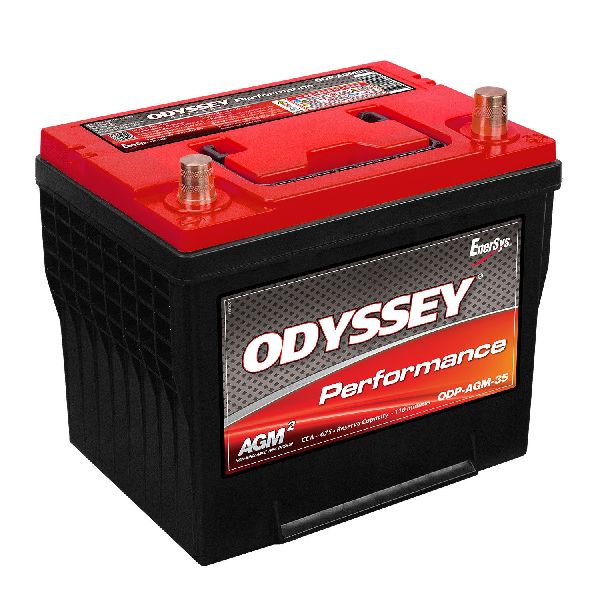
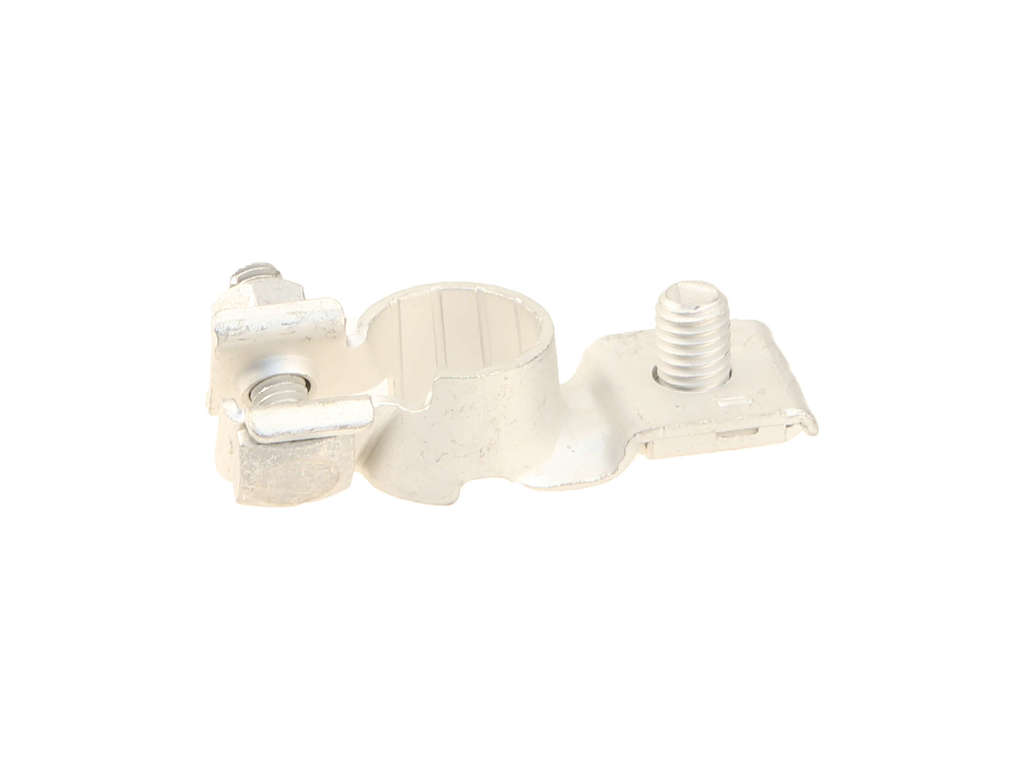
- Weak Battery or Poor System Voltage 🔴 High Probability → Shop Vehicle Battery All modern electronic modules, including the BCM, require a stable voltage to communicate properly. Low voltage from an old battery or a failing alternator is a very common cause of network communication codes. A user on Reddit with a 2015 CX-5 reported a U0140 code immediately following a 'Charging System Malfunction' warning, which persisted even after a battery replacement, indicating the sensitivity of the system.
How to confirm: Test the battery voltage with a multimeter. It should be approximately 12.6V with the engine off and 13.7V-14.7V with the engine running. Have the battery load-tested at an auto parts store.
Typical fix: Charge or replace the battery. Clean the battery terminals and cable ends.
Est. part cost: $150-$300 - Corroded or Loose Ground Connection 🔴 High Probability Mazda vehicles can be susceptible to ground wire corrosion, which interrupts the electrical circuit for the BCM. This is a known issue on other Mazda models that can cause a U0140 code. Key grounding points are located under the left headlight (G01, G02), on the left front of the engine compartment (G03), and under the dash.
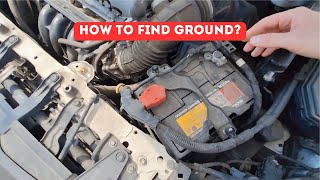
How to confirm: Visually inspect the main chassis ground straps near the battery and the ground connections for the BCM. Look for rust, looseness, or fraying. Use a multimeter to check for voltage drop on the ground side; it should be less than 0.2V. 🎬 See how to locate and inspect your car's ground connections.
Typical fix: Remove the ground wire, clean the contact point on the chassis to bare metal, and re-secure the connection. Apply dielectric grease to prevent future corrosion.
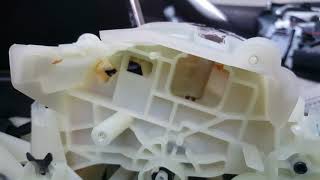
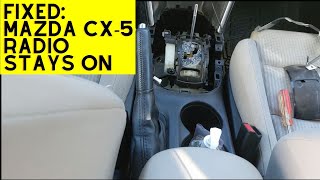
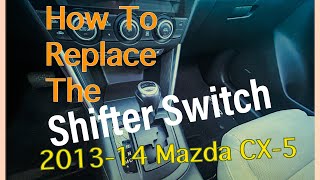
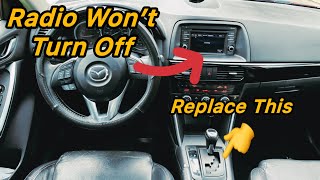
Est. part cost: $1-$10 - Faulty Shifter Position Switch 🟡 Medium Probability A faulty shifter position switch (part number KDY0-46-040) can fail to tell the car it is in Park. This can cause the radio to stay on, draining the battery and leading to low voltage conditions that trigger the U0140 code and a dashboard full of warning lights. This is a known issue with a Technical Service Bulletin (TSB 05-003/19) available.
How to confirm: Observe if the radio or accessory power stays on after shutting off the vehicle and opening the door. When shifting into Park, a forceful push may temporarily make the connection and shut the vehicle off properly.
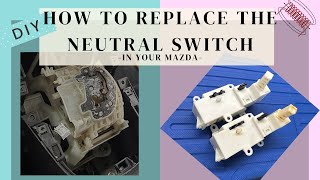
Typical fix: Replace the shifter position switch. This is a DIY-friendly repair that takes about 45 minutes. 🎬 Watch this step-by-step guide to replacing the shifter position switch.
Est. part cost: $50-$60 - Wiring Harness or Connector Fault 🟡 Medium Probability Wires can be damaged from vibration, chafing, or rodent activity. Connectors can also become corroded, especially if exposed to moisture from a leak.
How to confirm: Visually inspect the wiring harness leading to the BCM for any signs of damage. Disconnect the BCM connectors and check for corrosion, moisture, or bent/loose pins.
Typical fix: Repair the damaged section of wiring. Clean corroded connectors with an electrical contact cleaner and apply dielectric grease.
Est. part cost: $10-$100 - Failed Body Control Module (BCM) ⚪ Low Probability → Shop Body Control Module While less common than electrical issues, the BCM can fail internally from vibration, heat, or internal short circuits. Sometimes physical evidence like a burnt smell or visible damage on the circuit board can be found.
How to confirm: This is typically diagnosed by exclusion. If the battery, grounds, and all wiring to the BCM have been confirmed to be good, and a professional scan tool cannot communicate with the BCM, the module itself is the likely culprit.
Typical fix: Replace the Body Control Module and have it professionally programmed to the vehicle using the M-MDS system.
Est. part cost: $400-$800
Rare But Worth Checking
- Blown Fuse: A simple but sometimes overlooked cause. The BCM has several fuses that supply it with power. A blown fuse will take the module offline.
- Aftermarket Accessory Interference: A poorly installed remote starter, alarm system, or stereo can interfere with the CAN bus network, causing communication errors.
Diagnosis Steps
- Check Battery Health: Ensure the battery is fully charged (12.6V+) and the charging system is working correctly (13.7-14.7V while running). Clean any corrosion from the battery terminals.
- Inspect Fuses: Check all fuses related to the BCM, often labeled 'BCM', 'Body', or similar, in both the interior and under-hood fuse boxes.
- Inspect Ground Connections: Locate and inspect the main chassis ground straps for tightness and corrosion. Key locations include under the left headlight (G02) and on the left side of the engine compartment (G03). Clean them thoroughly if any doubt exists.
- Check for Shifter Switch Fault: Turn the vehicle off. If the radio remains on, the shifter position switch may be faulty, causing a battery drain. Try pushing the shifter firmly into Park to see if it turns off.
- Visual Wiring Inspection: Carefully inspect the wiring harness connected to the BCM. Look for any signs of chafing, cuts, or corrosion on the connectors.
- Check for Power and Ground at the BCM: Using a multimeter and a wiring diagram, confirm that the BCM is receiving proper battery voltage and has a solid ground connection at its connector pins.
- CAN Bus Resistance Check: With the battery disconnected, use a multimeter to measure the resistance between Pin 6 (CAN-H) and Pin 14 (CAN-L) at the OBD-II port. A healthy network should read approximately 60 ohms. Readings of 120 ohms or 0 ohms indicate a problem in the network wiring or a failed terminating resistor.
- Professional Diagnosis: If all the above steps check out, the BCM itself is likely faulty. A professional technician can use an advanced scan tool (like Mazda's M-MDS) to attempt direct communication with the module to confirm it is offline before recommending replacement.
Parts You'll Likely Need
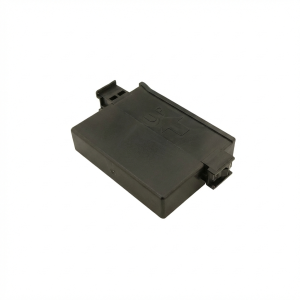
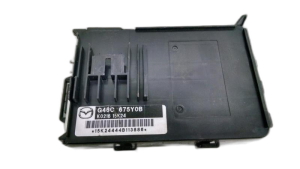
- Body Control Module (BCM)
(OEM #KD33-67-560B, KD33-67-560C, KD33-67-560D)— This is the part that must be replaced if it has failed internally, after all other electrical and wiring issues have been ruled out.
Trusted brands: Mazda (OEM)
OEM price range: $500-$800
Aftermarket price range: $300-$600 - Battery — A weak or failing battery is a primary cause of low-voltage situations that trigger communication fault codes.
Related Codes That Often Appear With This One
- U0100 — Lost Communication with ECM/PCM. This often appears with other U-codes when a network-wide issue like low voltage is present.
- U0121 — Lost Communication With ABS Control Module. The ABS module is another critical component on the CAN bus that will report a loss of communication.
- U0155 — Lost Communication With Instrument Panel Cluster (IPC). The instrument cluster relies on data from the BCM, and a network fault will often cause both to log codes.
Technical Service Bulletins (TSBs) & Recalls
- TSB R052/16C: Addresses issues with the Electronic Parking Brake (EPB) on 2016 models where out-of-spec rear calipers can cause dragging or lock-ups, requiring caliper replacement. While not directly a U0140 cause, it highlights the platform's electrical sensitivity.
Mechanic-Grade Diagnostic Values
- CAN Bus Network Resistance — expected: 55-65 Ohms (Ω). Failure: A reading of ~120Ω indicates an open circuit or one of the two terminating resistors is offline. A reading near 0Ω indicates a short between the CAN High and CAN Low wires.
- CAN Bus Voltage (Key On, Engine Off) — expected: CAN High (Pin 6) should be ~2.6-2.7V. CAN Low (Pin 14) should be ~2.3-2.4V. Both voltages should total ~5V.. Failure: Voltages that are flat, stuck high/low, or equal (e.g., both at 2.5V) indicate a short or open in the network wiring.
- BCM Ground Voltage Drop — expected: < 0.2 Volts (200 mV). Failure: A voltage reading higher than 0.2V indicates high resistance in the ground circuit, which can cause the module to malfunction.
Scan Tool Commands That Help
- Mazda M-MDS (or FORScan): Module Programming > F_BCM Configuration (Using As-Built Data) — This function is mandatory after replacing the Front Body Control Module (FBCM). It downloads the vehicle's specific configuration from Mazda's servers (or a saved file) and writes it to the new module, which is required to sync the immobilizer and enable vehicle features.
- Professional Scan Tool (e.g., M-MDS, Autel, Snap-on): Bidirectional Control / Active Test — To test if the BCM is responsive. A technician can command the BCM to perform a function, such as 'Turn on Dome Light' or 'Lock Doors'. If the command is sent but the action does not occur, and the wiring/component is good, it points towards a faulty BCM.
Wiring & Ground Locations
- FBCM (Front Body Control Module) — Integrated into the main under-dash fuse box, typically on the driver's side.. This is the primary module that sets the U0140 code. All power, ground, and communication lines must be verified at its connectors.
- RBCM (Rear Body Control Module) — In the left side of the luggage/cargo compartment, behind the side trim panel.. While U0140 points to the FBCM, a fault in the RBCM or its wiring can sometimes disrupt the entire CAN network, causing other modules to lose communication.
- G01 / G02 — Under the left (driver's side) headlight assembly.. These are major chassis ground points for front-end components. Corrosion here due to its exposed location can cause widespread electrical issues.
- G03 — On the left (driver's side) front of the engine compartment.. This is a primary ground point for the FBCM and other engine bay modules. A loose or corroded connection here is a high-probability cause for communication codes.
- G11 — Lower left center of the dashboard, behind the driver's side trim.. This is a key interior ground point. Issues here can affect the BCM and instrument cluster.
- G21 / G23 — In the left side of the luggage compartment.. These are the primary ground points for the Rear Body Control Module (RBCM). A fault here would directly impact RBCM function.
Real Owner Repair Stories
- Mazda Forum user 'paljoey' (2013 Mazda CX-5) — Cargo light was out. After attempting to replace the bulb, there was a small spark. Subsequently, the fuel gauge, MPG, and other fuel-related readouts became erroneous and contradictory. All other BCM functions (lights, locks, windows) worked correctly.
❌ Tried (didn't work) Replacing the cargo light bulb., Disconnecting the battery for 10-15 minutes to reset the modules.
✅ What actually fixed it The user discovered that the cargo light is directly connected to the Rear Body Control Module (RBCM) without a dedicated fuse. The spark from changing the bulb shorted and damaged the RBCM. The final fix was to replace the RBCM and have it programmed by a Mazda dealership, as it is not a plug-and-play part.
Documented NHTSA Reports
- An owner of a Mazda vehicle reported finding codes U3003, U0140, and U0428 during a checkup after inspecting fluids and tire pressure (NHTSA ODI #10669995).
- A report describes a vehicle displaying multiple warning lights where computer readouts showed code U0140 twice, specifically related to the ABS hydraulic unit (NHTSA ODI #10644947).
- NHTSA ODI #11683431 describes a lost communication with the Body Control Module (U0140:00-28) occurring alongside ABS pump motor control circuit issues (C0020:1C-2B).
OEM Part Supersession History
KD33-67-560B, KD33-67-560C→KD33-67-560D— Internal revisions and updates by the manufacturer.
Heads up: While later revisions are generally backward compatible, it is critical to match the part number or use a confirmed supersession when ordering. A different part number, G46C675X0, is listed for the 2016 model year, suggesting a significant change for the facelift model.N/A→KDY0-46-040— The original shifter position switch was prone to wear. The new part number is an improved design to resist wear, released under TSB 05-003/19.
Model Year Variations Within This Range
- 2016: The 2016 model year, which received a facelift, may use a different Front Body Control Module with part number G46C675X0, whereas earlier models use the KD33-67-560x series. Compatibility must be verified by VIN.
- 2013 - Early 2015: Vehicles produced before December 2, 2014, are subject to a TSB (09-040/16) for the sunroof switch shorting out in cold weather and opening the sunroof. This could potentially introduce noise on the network.
Diagnostic Flowchart
Other Known Issues on This Vehicle
Issues unrelated to this code that are worth knowing about as an owner of this generation:
- Spontaneously Cracking Windshield 🟠 Medium — Common complaint across many forums for 2013-2016 models. Cracks often appear without impact, starting from the top or bottom edge. (Ref: No official US recall, but numerous owner complaints filed with NHTSA. Some owners report dealers replacing them under warranty on a case-by-case basis.)
- Failing LED Daytime Running Lights (DRL) 🟡 Low — Primarily affects 2016 models with signature LED headlights. The LED strip flickers or fails completely, often due to moisture intrusion from a faulty gasket. (Ref: Mazda issued Safety Recall 4320A for this issue. Repair requires replacing the entire headlight assembly, which is expensive if out of warranty.)
- Infotainment 'Ghost Touch' 🟠 Medium — The infotainment screen registers phantom touches, causing random station changes, navigation inputs, or settings adjustments. It is a well-known problem for this generation of Mazda infotainment. (Ref: A common DIY fix is to disconnect the touchscreen's ribbon cable, disabling touch functionality but retaining control via the commander knob. Mazda issued a warranty extension (SSPB6) for this issue on some models like the Mazda 3, but not officially for the CX-5.)
- Electronic Parking Brake (EPB) Malfunction 🔴 High — Particularly noted on 2016 models, the EPB can drag, fail to engage/disengage, or lock up the rear wheels. This can be caused by out-of-tolerance rear calipers or glitches after a battery change. (Ref: TSB R052/16C was issued for 2016 models, recommending replacement of the rear calipers. Often misdiagnosed as a tech error during brake service.)
- Faulty Shifter Position Switch 🟠 Medium — The switch fails to detect when the vehicle is in Park, causing the radio/accessories to stay on and drain the battery. (Ref: A TSB exists for this issue. The part number is KDY0-46-040.)
Used vs. New Parts: Buying Guide for This Vehicle
When a used part is the smart pick: A used Body Control Module (BCM/FBCM/RBCM) is a viable option to save significant cost over a new OEM unit, but ONLY if you have a guaranteed way to have it reprogrammed. If the original module is readable, some specialists can clone it. If not, you will need a dealer or a shop with Mazda's M-MDS software or equivalent (like FORScan with As-Built data access) to program the used module to your car's VIN.
Donor-vehicle mileage cap: roughly under 100000 miles for the part to have meaningful remaining life.
What to inspect on the donor part:
- Match the OEM part number EXACTLY. Even a different letter at the end can indicate an incompatible revision.
- Inspect the module and its connectors for any signs of water damage, corrosion (green or white crust), or a burnt plastic smell.
- Purchase from a reputable salvage yard that offers a warranty and guarantees the part is from a vehicle that was not flood-damaged.
OEM-only on this vehicle (don't cheap out):
- Body Control Module: While used OEM is an option, avoid unbranded 'new' aftermarket BCMs. The complexity of programming and vehicle-specific software makes these a very high risk for incompatibility and failure. Stick with genuine new or used Mazda parts.
Brands owners have reported issues with on this vehicle:
- Generic/unbranded Body Control Modules from online marketplaces.
Real Owner Stories
Aggregated from forums and TSBs cited above. Mileages and costs reflect what owners reported in those sources.
2014 Mazda CX-5
Symptoms: The owner experienced the 'stereotypical, every light on the dash' Mazda issue along with a sensor that wouldn't recognize the car was in Park, causing the battery to drain.
What fixed it: Replacing the shifter switch (part number KDY0-46-040) as recommended by TSB 05-003/19.
Source hint: Reddit r/CX5 thread titled 'Ground or BCM issue?'
2015 Mazda CX-5 2.0 Petrol
Symptoms: U0140 code appeared immediately after a 'Charging System Malfunction' warning. Symptoms included malfunctioning windshield wipers, indicators, and headlights.
What fixed it: The owner replaced the battery, though the report noted symptoms persisted, indicating the sensitivity of the system to voltage drops.
Source hint: Reddit r/CX5 thread titled 'Lost communication with BCM front 2015 2.0 petrol'
2013-2016 Mazda CX-5
Symptoms: Windshield wipers failed to function correctly.
What fixed it: Replacement of the Body Control Module (BCM).
Source hint: Reddit r/mazda
Related OBD-II Codes
Frequently Asked Questions
Why does my radio stay on after I turn off my 2013-2016 CX-5 and open the door?
I replaced my battery but the U0140 code and dashboard lights are still there. What should I check next?
Does TSB R052/16C cause the U0140 communication code?
Where are the most common ground points to check for a U0140 on a Mazda CX-5?
Can a faulty shifter switch really cause a 'Lost Communication with BCM' code?
Helpful Videos


Used OEM Parts in Stock
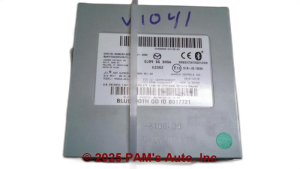
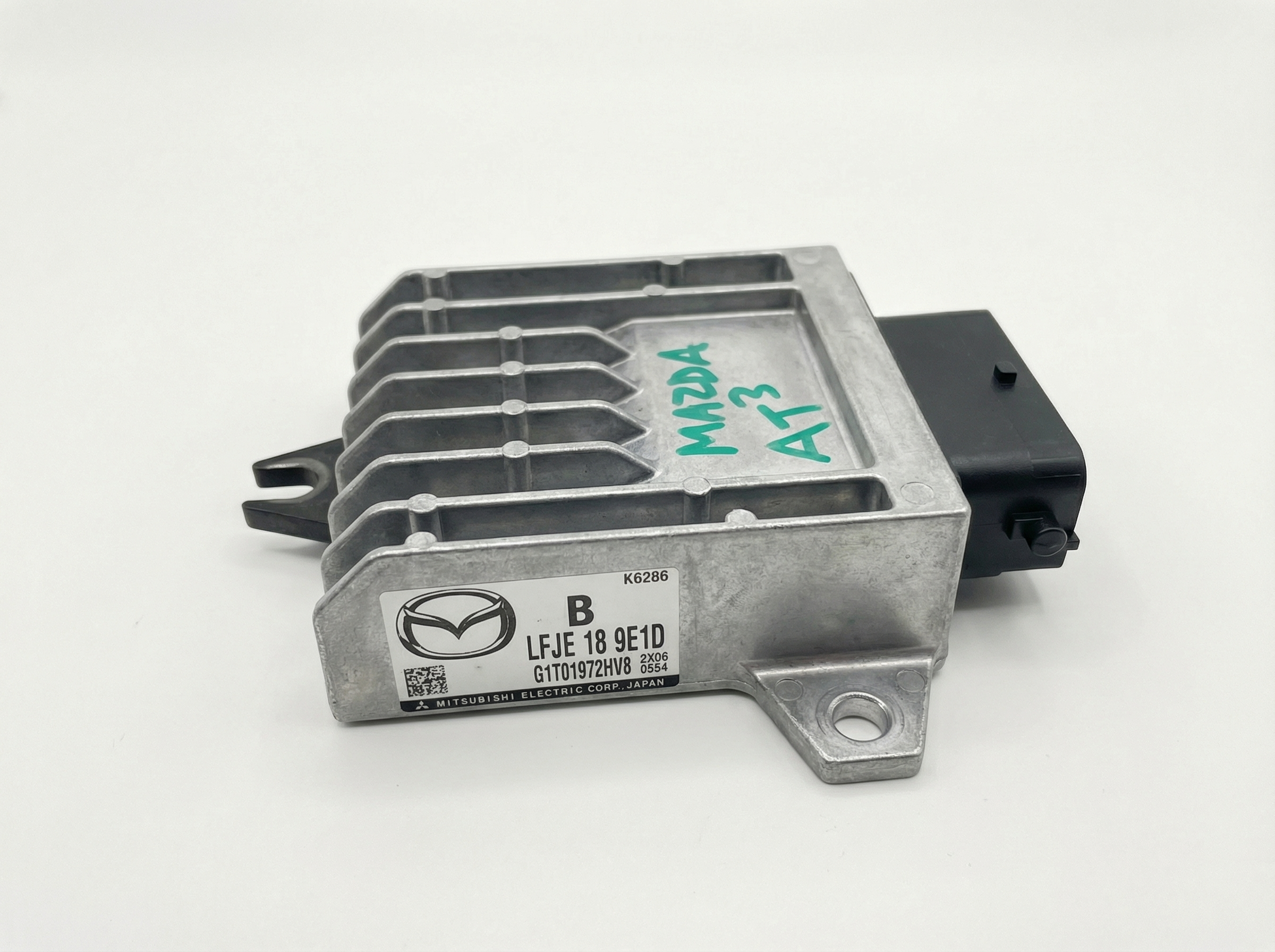
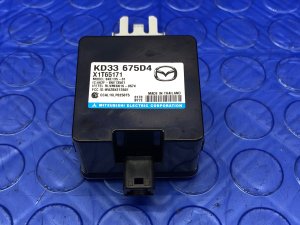
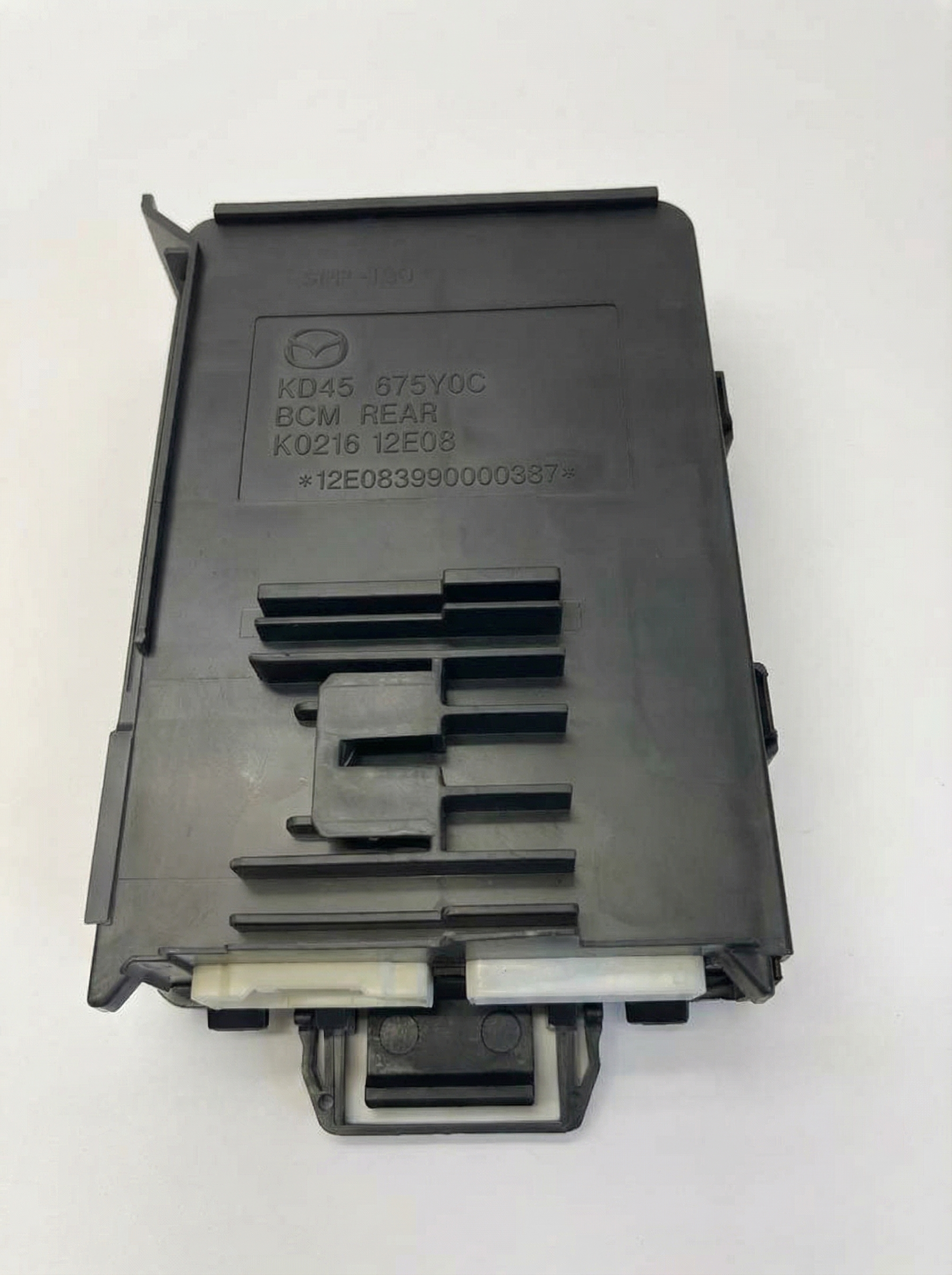
New Aftermarket Parts Available



The information in this article is provided for general reference and educational purposes only. Vehicle specifications, procedures, and part compatibility can vary by production date, trim level, and region. Always consult your vehicle's factory service manual and verify part numbers before purchasing or performing repairs. Safety-critical components such as airbags, seat belts, and braking systems should be installed by a qualified professional.
- Mazda CX-5:
- 🧭 Diagnostic Flowchart
- 🎬 Helpful Videos
- 🛍️ Shop This Part
- What's Unique About the 2013-2016 Mazda CX-5
- Symptoms You May Notice
- Most Likely Causes
- Rare But Worth Checking
- Diagnosis Steps
- Parts You'll Likely Need
- Related Codes That Often Appear With This One
- Technical Service Bulletins (TSBs) & Recalls
- Mechanic-Grade Diagnostic Values
- Scan Tool Commands That Help
- Wiring & Ground Locations
- Real Owner Repair Stories
- Documented NHTSA Reports
- OEM Part Supersession History
- Model Year Variations Within This Range
- Other Known Issues on This Vehicle
- Used vs. New Parts: Buying Guide for This Vehicle
- Real Owner Stories
- 2014 Mazda CX-5
- 2015 Mazda CX-5 2.0 Petrol
- 2013-2016 Mazda CX-5
- Related OBD-II Codes
- Frequently Asked Questions
- 🎟️ Get 5% Off