

U0140 on 2010-2016 Mercedes-Benz E-Class: Lost Communication With Body Control Module Fixes
This code means the Body Control Module (BCM), known as the Front SAM (Signal Acquisition Module) on a Mercedes, is offline. The most common causes are a weak main battery, blown fuses, or a faulty Front SAM, which is integrated into the engine bay fuse box. A notorious issue on the W212 platform is water intrusion from clogged cowl drains dripping directly onto the SAM, causing corrosion and failure. A replacement SAM module requires professional SCN (Software Calibration Number) coding or clon
- U0140 on a 2010-2016 E-Class points to a communication failure with the Front SAM (Body Control Module).
- Always check the simplest things first: battery health and all related fuses before assuming the module is bad.
- Symptoms are often widespread, affecting lights, locks, wipers, and windows simultaneously.
- Replacing the Front SAM is not a DIY job for most people, as it requires expensive, specialized tools to program the new part to the car.
What's Unique About the 2010-2016 Mercedes-Benz E-Class
On the 2010-2016 E-Class (W212 generation), the 'Body Control Module' is the Front SAM (Signal Acquisition Module), which is physically integrated into the main fuse box in the engine compartment. This design makes it highly susceptible to water damage from clogged windshield cowl drains, a well-documented failure point for this platform. Unlike a simple plug-and-play part, replacing the Front SAM is a complex job that requires special programming (SCN coding) to link the new module to the car's VIN, security, and other electronic systems. Alternatively, the data from the original SAM can be 'cloned' to a used replacement part by specialized services, creating a plug-and-play solution without dealer involvement.
🎬 Watch: Mercedes Front SAM replacement and repair guideGeneration note: The 2010-2016 model years primarily cover the W212 generation. This includes the pre-facelift (2010-2013) and facelift (2014-2016) models. The core electrical architecture and the function of the Front SAM module are consistent across these years, as is the vulnerability to water intrusion. The facelift in 2013 (for MY2014) was extensive, changing nearly every body panel and updating the interior, but the Front SAM's location and function remained fundamentally the same.
Symptoms You May Notice
- Multiple, unrelated warning lights on the dashboard (e.g., ABS, SRS, traction control)
- Exterior lights (headlights, tail lights, turn signals) not working, staying on permanently, or flickering
- Power windows, door locks, or mirrors are inoperative
- Windshield wipers behaving erratically or not working (e.g., stuck on a timed sweep)
- Key fob remote functions failing
- In some cases, the vehicle may not start if the SAM is part of the immobilizer sequence.
- Horn not working
- Heated seats inoperative
- "Anti-theft protection activated" message o 🎬 See how to tell if your SAM module is badn the dash
- Replacing individual components like light bulbs, window motors, or wiper motors when the root cause is the SAM not sending the command to activate them.
- Replacing the Front SAM without first clearing the clogged cowl drains, leading to the new module failing from water damage shortly after installation.
Most Likely Causes
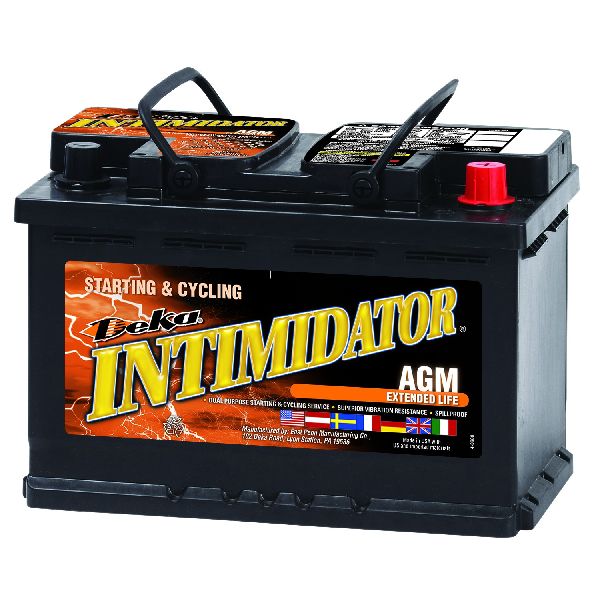
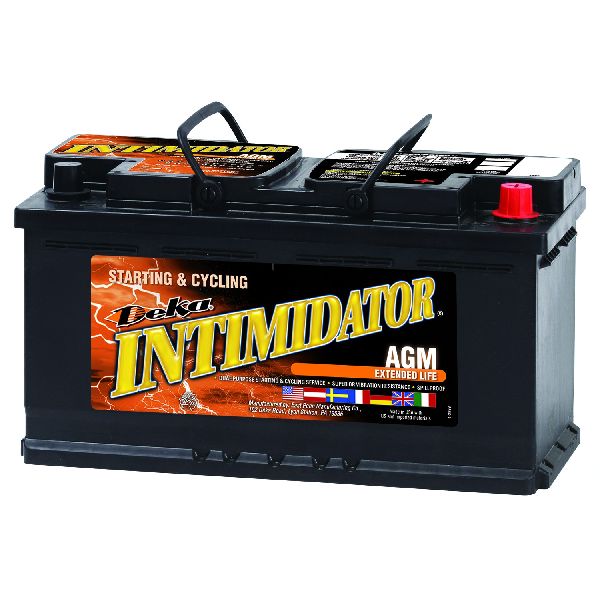
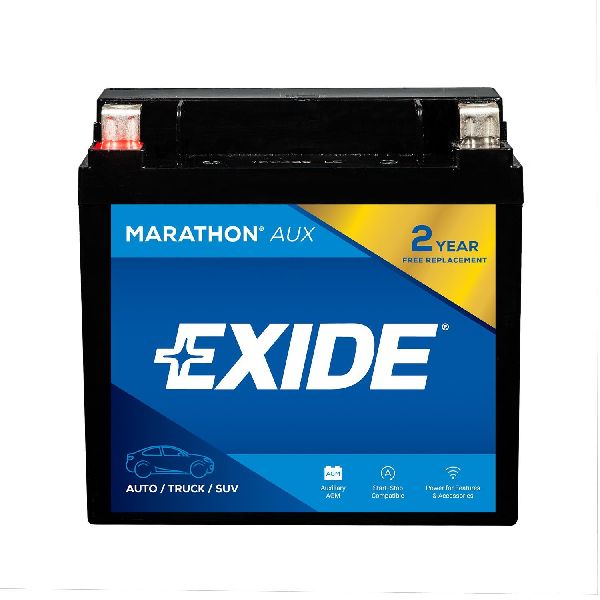
- Low Battery Voltage or Faulty Charging System 🔴 High Probability → Shop Vehicle Battery Complex electronic systems on modern Mercedes-Benz vehicles are highly sensitive to system voltage. A weak or dying main AGM battery is a very common cause of multiple communication codes, including U0140. The auxiliary battery, while important for features like gear selection and ECO start/stop, is less likely to cause this specific code.
How to confirm: Test the battery voltage with a multimeter. A healthy, resting battery should be at 12.4-12.6V. With the engine running, voltage should be between 13.7V and 14.7V. A load test is the most definitive way to confirm battery health.
Typical fix: Charge or replace the vehicle's main AGM battery. If the charging voltage is low, the alternator may need to be replaced.
Est. part cost: $200-$400 - Faulty Front SAM Module (Often due to Water Intrusion) 🔴 High Probability The Front SAM is located in the engine bay under the windshield cowl, an area where drains for rainwater can become clogged with leaves and debris. When these drains block, water overflows and drips directly onto and into the SAM module's housing, causing corrosion and short circuits on the unsealed circuit board. Internal electronic failure from heat cycles can also occur.
How to confirm: This is typically a process of elimination after power/grounds are verified. A key step is to physically remove the SAM from its housing and inspect the module and its connectors for any signs of white/green corrosion, moisture, or a tidemark indicating it was submerged. A professional scan tool (XENTRY) will also fail to communicate with the module.
Typical fix: Replace the Front SAM module and perform SCN coding or cloning. CRITICAL: Before installing a new module, the cowl drains MUST be thoroughly cleaned to prevent immediate repeat failure.
Est. part cost: $400-$800 for a new OEM part, plus programming costs. - Blown Fuses for the SAM/BCM 🟡 Medium Probability The Front SAM is the fuse box, so a power surge or short in a connected component can blow a fuse that powers the module's logic board.
How to confirm: Visually inspect all fuses in the Front SAM (engine bay) and Rear SAM (trunk) for breaks. Use a multimeter to test for continuity on fuses related to control units.
Typical fix: Replace any blown fuses with new ones of the exact same amperage rating. If the fuse blows again immediately, this indicates a short circuit that needs further diagnosis.
Est. part cost: $5-$20 - Corroded or Damaged Wiring/Connectors ⚪ Low Probability Wiring harnesses, especially ground wires attached to the chassis, can corrode over time. The main connector to the SAM can also develop corrosion or have pins back out, often as a result of the same water intrusion that damages the module itself.
How to confirm: Visually inspect the main wiring harness connector at the Front SAM for any signs of green/white corrosion, water damage, or bent/loose pins. Check the main ground straps in the engine bay for tightness and corrosion.
Typical fix: Clean corroded terminals with a specialized contact cleaner and a small brush. Repair any damaged wires. Replace the connector pigtail if damage is severe.
Est. part cost: $20-$150
Rare But Worth Checking
- CAN Bus Network Fault: Another module on the network could be shorting out the communication lines, causing the SAM to appear offline. This requires advanced diagnostics with a scan tool that can map the network topology and check CAN resistance (should be ~60 Ohms).
- Faulty Central Gateway Module (CGW): The Central Gateway (CGW) acts as the router between the different CAN bus networks. On some W212 models, it is a separate module located in the passenger footwell. A fault in the CGW can cause it to incorrectly report a communication loss with the Front SAM.
Diagnosis Steps
- Read all codes from all available modules using a Mercedes-compatible scanner (like XENTRY/STAR). Note all 'U' codes present.
- Check and record battery voltage (engine off and engine running). Perform a load test on the main battery.
- If battery is weak, charge or replace it. Clear codes and see if U0140 returns.
- Locate the Front SAM/fuse box in the engine bay on the driver's side. Open the housing and inspect for any signs of water, corrosion, or tidemarks.
- Inspect all fuses in the Front SAM visually and with a multimeter.
- Unplug and inspect the main connectors to the SAM for corrosion, moisture, or damaged pins.
- Check main power and ground connections to the SAM module. Check ground point W16/4 (right side engine compartment) for corrosion and tightness.
- Crucial Step: Check and clear the windshield cowl drains located at the base of the windshield to ensure water can flow freely.
- If all the above are good, the vehicle will need to be diagnosed by a professional with a tool that can check the CAN bus network integrity and attempt to communicate directly with the SAM.
- If the SAM is confirmed to be offline and has proper power/ground, it will likely need replacement and SCN coding or cloning.
Parts You'll Likely Need
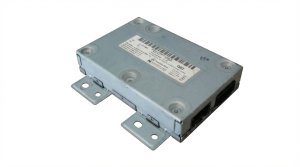
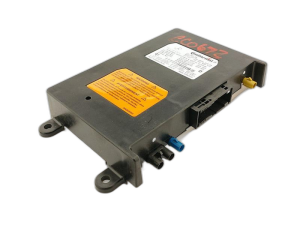
- Front Signal Acquisition Module (SAM) / Body Control Module
(OEM #A2129006112 (Note: Many variations exist, VIN is required for correct part))— This is the brain for the body electronics and the most common major component to fail, causing a U0140 code, often due to water damage. Part number must be matched to the vehicle's VIN and options.
Trusted brands: Mercedes-Benz (OEM)
OEM price range: $400-$800
Aftermarket price range: N/A (Used parts are available for $100-$250 but still require professional programming or cloning and carry risk) - AGM Vehicle Battery — Low system voltage from a failing battery is a primary cause of communication faults in these vehicles.
Trusted brands: Varta, Bosch, Interstate
OEM price range: $300-$450
Aftermarket price range: $200-$350
Related Codes That Often Appear With This One
- U0xxx — Multiple 'U' codes for other modules (e.g., U0100 - Lost Comms with ECM, U0121 - Lost Comms with ABS) often appear alongside U0140, indicating a widespread network failure, often pointing back to a bad battery, ground, or a faulty gateway module like the Front SAM.
Platform-Specific Known Issues
- Water Intrusion: The most significant vehicle-specific issue is the design of the windshield cowl area. The drains are prone to clogging with leaves and debris, causing rainwater to overflow and flood the compartment housing the Front SAM. The SAM's housing seal is often insufficient to prevent water from entering.
- Lack of Conformal Coating: The printed circuit board (PCB) inside the Front SAM lacks a protective conformal coating, making it extremely vulnerable to corrosion and short-circuiting from even small amounts of moisture or condensation.
Mechanic-Grade Diagnostic Values
- CAN Bus Network Resistance — expected: ~60 Ω across CAN-High and CAN-Low pins at the OBD-II connector (with battery disconnected).. Failure: A reading of ~120 Ω indicates a break in the circuit or a missing terminating resistor. A reading near 0 Ω indicates a short between CAN-High and CAN-Low.
- CAN-High (CAN-H) Voltage to Ground (Key On) — expected: Recessive state: ~2.5V. Dominant state: rises to ~3.5V.. Failure: Significant deviation from these voltages suggests a short to power or ground.
- CAN-Low (CAN-L) Voltage to Ground (Key On) — expected: Recessive state: ~2.5V. Dominant state: falls to ~1.5V.. Failure: Significant deviation from these voltages suggests a short to power or ground.
- Mercedes-Specific Body CAN (CAN-B) Dormant Voltage — expected: CAN-L: ~11.0V, CAN-H: ~0.025V when the network is asleep.. Failure: If the network fails to reach these voltages after a few minutes, it indicates a module is not going to 'sleep' correctly, which can cause battery drain and communication issues.
Scan Tool Commands That Help
- Mercedes XENTRY/DAS: Initial Startup — This function is required after installing a *new* Front SAM. It performs online SCN (Software Calibration Number) coding, which marries the new module to the vehicle's VIN and configures it with the correct equipment settings from Mercedes' central servers.
- Mercedes XENTRY/DAS: Control unit adaptations / Offline Coding — This may be used when installing a *used* SAM from a car with identical options. However, it is often unsuccessful if the donor car's configuration differs. It does not involve online SCN coding. Many forum users report this method failing, leading to multiple secondary error codes.
- Specialized Bench Programming Tools (e.g., VVDI PROG): Module Cloning — Used when replacing a faulty Front SAM with a used one. This process reads the entire data (EEPROM and Flash memory) from the original water-damaged SAM and writes it to a compatible used SAM. This makes the replacement unit a plug-and-play part, bypassing the need for dealer SCN coding.
Wiring & Ground Locations
- N10/1 — The Front SAM module itself, located in the fuse box on the driver's side of the engine bay, under a plastic cover near the windshield.. This is the module that has lost communication. Its location makes it vulnerable to water intrusion from clogged cowl drains.
- W16/4 — Ground point located in the engine compartment on the right side (passenger side in LHD vehicles), near the 'wheelhouse' or under the battery tray area.. This is a primary ground point for components in the engine bay. A corroded or loose W16/4 ground can cause a voltage drop or floating ground for the Front SAM, leading to communication errors.
- N93 (CGW) — On many W212 models, the Central Gateway Module is located in the front passenger footwell, under the carpet. On some later models, its function may be integrated into the Front SAM.. The CGW is the central router for all CAN bus traffic. If the Front SAM is not communicating, a fault with the CGW or its connection to the SAM could be the root cause, rather than the SAM itself.
Real Owner Repair Stories
- MBClub UK Forums (Mercedes E-Class W212) — Car broke down. Multiple errors after diagnosis and parts replacement including: "Without changing gear, consult workshop", "Anti-theft protection activated", ESP fail, AC fail, no power to belt pretensioners.
❌ Tried (didn't work) A specialist diagnosed a faulty Front SAM and TCU., The Front SAM was replaced with a used part for £450., Visiting multiple other garages for diagnostics which provided no solution.
✅ What actually fixed it The story highlights a failed repair. The conclusion from other forum members and the owner was that the used Front SAM was not coded properly to the car, causing a cascade of communication failures and the "Anti-theft protection activated" message. The final fix required finding a specialist capable of correctly coding the used SAM to the vehicle's specific configuration.
OEM Part Supersession History
A2129004500→Multiple variations exist based on model year and options.— Part updates and revisions.
Heads up: It is absolutely critical to match the part number exactly when sourcing a used SAM for cloning. Even if a part looks identical, internal hardware or firmware differences can make cloning or coding impossible. Always verify compatibility with the vehicle's VIN.
Model Year Variations Within This Range
- 2014-2016 (Facelift): While the core architecture is the same, the 2014 facelift introduced significant changes to electronics and features. This can affect the specific variant of the Front SAM required. A SAM from a 2011 pre-facelift car is highly unlikely to be compatible with a 2015 facelift car, even if it physically fits, due to different option configurations and software expectations.
- 2015+: Some forum discussions suggest that on the latest W212 models (approx. 2015 onwards), the Central Gateway (CGW) function was integrated directly into the Front SAM, eliminating the separate module in the passenger footwell. This would make the Front SAM an even more critical single point of failure for all network communications.
Diagnostic Flowchart
Other Known Issues on This Vehicle
Issues unrelated to this code that are worth knowing about as an owner of this generation:
- M276/M278 Engine Startup Rattle 🟠 Medium — Common on earlier V6 (M276) and V8 (M278) engines, typically from 2012-2014. A rattle for 2-5 seconds on a cold start indicates failing timing chain tensioners. (Ref: TSB LI05.10-P-056435 was issued to install updated tensioners and check valves to remedy the oil pressure bleed-down.)
- OM642 Diesel V6 Oil Cooler Leaks 🔴 High — Extremely common on BlueTEC diesel models. The original orange seals for the oil cooler, located in the 'V' of the engine, degrade and leak oil down the back of the engine, often misdiagnosed as a rear main seal leak. (Ref: No recall, but the seal material was updated to purple Viton in later models around 2010, which is more durable but not immune to failure.)
- Airmatic Suspension Failure 🔴 High — Common on vehicles equipped with Airmatic suspension, especially after 60,000-80,000 miles. Rear air springs are prone to developing leaks, causing the rear of the car to sag overnight. The compressor can also burn out from overwork.
- Faded Burl Walnut Wood Trim 🟡 Low — Very common on 2010-2013 models with burl walnut trim (option code 731). The trim fades and discolors due to inadequate UV protection. (Ref: TSB LI68.10-P-050415 and LI68.30-P-053962 were issued. A class-action lawsuit resulted in a settlement offering extended warranty coverage for this specific issue.)
- 7G-Tronic Transmission Conductor Plate/Speed Sensor Failure 🟠 Medium → Shop Transmission Assembly — Can occur on higher mileage vehicles, causing harsh shifting, getting stuck in gear, or a loud 'clunk' when shifting. Often caused by a failing turbine speed sensor located on the conductor plate inside the transmission.
- Auxiliary Battery Malfunction 🟡 Low → Shop Vehicle Battery — A common warning message on the dashboard. The small auxiliary battery, used for the electronic gear selector and ECO start/stop function, fails every 5-7 years.
Used vs. New Parts: Buying Guide for This Vehicle
When a used part is the smart pick: A used Front SAM is a very cost-effective option, but ONLY if you have a viable plan for programming. It makes sense if: 1) Your original SAM is water-damaged but still has readable data, and you can send both units to a cloning service. 2) You have access to a technician with advanced tools (like Vediamo or Monaco) who is experienced in manually coding used Mercedes modules, which is a high-risk, high-skill task.
Donor-vehicle mileage cap: roughly under 50000 miles for the part to have meaningful remaining life.
What to inspect on the donor part:
- The part number MUST match your original part number exactly.
- Ask the seller for the VIN of the donor car to check its options list (if possible). A closer match in options means a higher chance of successful coding.
- Visually inspect the used part for any signs of corrosion, water marks, or opened casing. Do not buy a part that looks like it has suffered the same fate as yours.
- Buy from a reputable recycler with a warranty, even if it's just 30 days, to protect against a DOA part.
OEM-only on this vehicle (don't cheap out):
- For a guaranteed, albeit expensive, fix without the risks of coding/cloning issues, a new OEM Front SAM from a Mercedes-Benz dealer is the only option. The dealer will perform the required online SCN coding as part of the installation.
Brands owners have reported issues with on this vehicle:
- There are no third-party aftermarket manufacturers for the Front SAM module itself. Be wary of any non-OEM, non-used part claiming to be a direct replacement.
Real Owner Stories
Aggregated from forums and TSBs cited above. Mileages and costs reflect what owners reported in those sources.
2010 Mercedes-Benz E-Class
Symptoms: Owner diagnosed with a water-damaged and corroded Front SAM unit.
What fixed it: Replacement of the Front SAM unit due to corrosion.
Source hint: MBClub UK - SAM unit problem
2012 Mercedes-Benz E220
Symptoms: After replacing the Front SAM with a used unit, the vehicle displayed multiple new error messages.
What fixed it: Proper SCN coding of the Front SAM unit.
Source hint: MBClub UK - Front sam coding
2014 Mercedes-Benz E-Class
Symptoms: Water dripping directly onto the Front SAM unit due to clogged drains under the wipers.
What fixed it: Clearing the clogged drains under the windshield wipers to stop the leak.
Source hint: MBClub UK - Water leak
2011-2016 Mercedes-Benz E-Class (W212)
Symptoms: Risk of corrosion from condensation and poorly sealed Front SAM box even without a major leak.
What fixed it: Preventative maintenance of the Front SAM box seals and monitoring for moisture.
Source hint: MBWorld.org - Long Term ownership - Potential Rain/Wash Water Leak Points
Related OBD-II Codes
Frequently Asked Questions
My 2012 E350 has a cold start rattle for a few seconds; is this related to the U0140 code?
Can I just swap in a used Front SAM from another E-Class to fix the communication error?
Why does my E-Class dashboard say 'Anti-theft protection activated' along with the U0140 code?
Is the auxiliary battery causing my U0140 communication code?
How does water get into the SAM module if it's inside a housing?
What should I check first before replacing the expensive SAM unit?
Helpful Videos
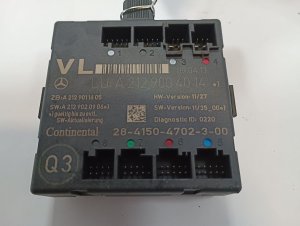
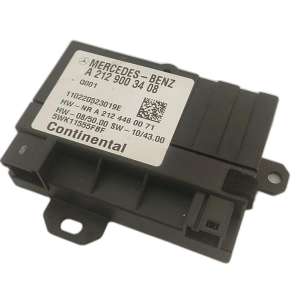
Used OEM Parts in Stock
New Aftermarket Parts Available



The information in this article is provided for general reference and educational purposes only. Vehicle specifications, procedures, and part compatibility can vary by production date, trim level, and region. Always consult your vehicle's factory service manual and verify part numbers before purchasing or performing repairs. Safety-critical components such as airbags, seat belts, and braking systems should be installed by a qualified professional.
- Mercedes-Benz E-Class:
- 🧭 Diagnostic Flowchart
- 🎬 Helpful Videos
- 🛍️ Shop This Part
- What's Unique About the 2010-2016 Mercedes-Benz E-Class
- Symptoms You May Notice
- Most Likely Causes
- Rare But Worth Checking
- Diagnosis Steps
- Parts You'll Likely Need
- Related Codes That Often Appear With This One
- Platform-Specific Known Issues
- Mechanic-Grade Diagnostic Values
- Scan Tool Commands That Help
- Wiring & Ground Locations
- Real Owner Repair Stories
- OEM Part Supersession History
- Model Year Variations Within This Range
- Other Known Issues on This Vehicle
- Used vs. New Parts: Buying Guide for This Vehicle
- Real Owner Stories
- 2010 Mercedes-Benz E-Class
- 2012 Mercedes-Benz E220
- 2014 Mercedes-Benz E-Class
- 2011-2016 Mercedes-Benz E-Class (W212)
- Related OBD-II Codes
- Frequently Asked Questions
- 🎟️ Get 5% Off