

U0140 on 2011-2018 Porsche Cayenne: Lost Communication With Body Control Module Fixes
Code U0140 on a 2011-2018 Porsche Cayenne means the Body Control Module (BCM) has stopped communicating on the vehicle's network. The most common cause is water intrusion into the cabin from clogged A/C or sunroof drains, shorting out the BCM or its wiring. Checking for damp carpets in the front footwells is the first and most critical diagnostic step.
- U0140 on a Cayenne is most often caused by water damage from clogged drains. Your first diagnostic step should be checking for wet carpets.
- Before suspecting expensive modules, always test the battery. Low voltage is a common and simple-to-fix cause for communication errors.
- The front Body Control Module is located in the driver's side dash area. Inspect it and its connectors for corrosion if you find any signs of moisture.
- Replacing the BCM is not a simple plug-and-play fix; it requires professional programming to work with your specific vehicle.
What's Unique About the 2011-2018 Porsche Cayenne
For the second-generation (958) Porsche Cayenne, the U0140 code is frequently linked to a well-documented platform weakness: water intrusion. Clogged air conditioning (A/C) evaporator drains are a primary culprit, with Porsche issuing a technical bulletin (ATI #1801) acknowledging a manufacturing defect in the drain flap that prevents it from opening fully. This causes water to back up and overflow into the passenger or driver footwell. Sunroof and cowl drains can also get blocked with leaves and debris, leading to similar water ingress. This moisture can directly damage the Front BCM, but more commonly, it corrodes critical wiring splices located in the harness under the carpet, causing the communication failure.
Generation note: This guide covers the second generation of the Porsche Cayenne (Type 958), which includes the 958.1 (2011-2014) and the facelifted 958.2 (2015-2018). The causes, particularly water intrusion from clogged drains, are common across this entire generation. Porsche corrected the A/C drain flap issue in production starting October 16, 2017.
Symptoms You May Notice
- Malfunctioning or inoperative interior and exterior lights (e.g., flickering reverse light)
- Power windows and door locks not working
- Wipers behaving erratically or not at all
- Multiple warning lights on the instrument cluster (e.g., ABS, PSM, Airbag)
- Keyless entry or remote start failure
- Inability of a scan tool to communicate with the BCM
- A/C blower motor failure or strange behavior
- Water sloshing sound from the dashboard area
- Damp or wet carpets, especially in the passenger footwell
- Replacing other control modules that are logging U-codes. When the BCM goes offline, many other modules will log codes indicating they can't communicate with it. The root cause is the BCM or its connection, not the modules reporting the error.
- Replacing the BCM without first inspecting the wiring harness under the carpet. Many owners and shops replace the expensive BCM only to find the problem persists because the actual fault was a corroded $2 wire splice.
Most Likely Causes
- Water Intrusion from Clogged Drains 🔴 High Probability The Cayenne is known for its A/C evaporator, sunroof, and cowl drains getting clogged with leaves and debris, causing water to back up and soak the carpets and underlying electronics. The Front BCM and its main wiring harness are located in areas susceptible to this water damage. Porsche TSB ATI #1801 specifically addresses a faulty A/C drain flap design that exacerbates this issue.
How to confirm: Peel back the carpet in the driver and passenger footwells and feel for any dampness in the carpet or the underlying foam padding. A musty smell is also a key indicator. Check for standing water after running the A/C or after rainfall. The A/C drain is located under the passenger side dashboard and can be accessed by removing the lower trim panel.
Typical fix: Unclog all affected drains (A/C evaporator, sunroof, and cowl drains). For the A/C drain, the flap may need to be trimmed to ensure it opens fully, as per TSB #1801. Dry the interior completely, which requires removing seats and carpets. Inspect the main wiring harness under the carpet for corroded butt-splice connectors. Repairing these corroded splices often restores BCM communication without needing to replace the module itself.
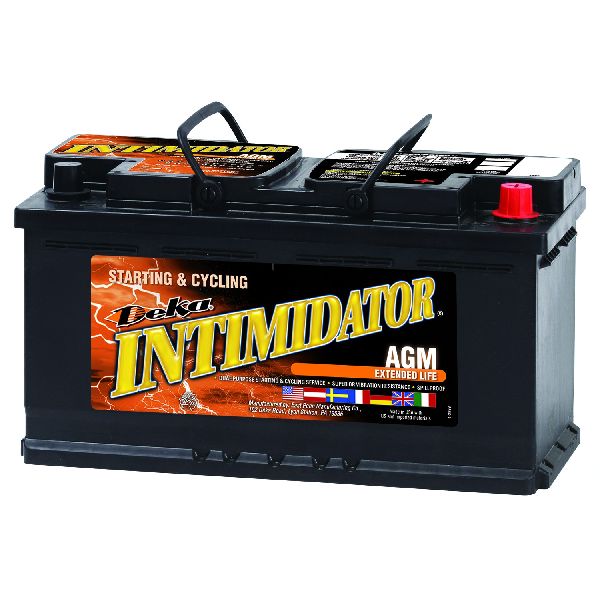
Est. part cost: $0-$50 for cleaning tools and wiring repair supplies. Potentially higher if wiring or the BCM needs replacement. - Weak or Failing Battery 🟡 Medium Probability → Shop Vehicle Battery Modern vehicles like the Cayenne have numerous electronic modules that are sensitive to voltage. A weak battery can provide just enough power to crank the engine but cause random communication faults between modules as voltage drops below the ~9V threshold.
How to confirm: Test the battery with a digital multimeter. A healthy, fully charged AGM battery should read approximately 12.6 volts with the engine off. Perform a load test to check the battery's true health. Many auto parts stores offer this service for free.
Typical fix: Replace the vehicle's battery. The new battery must be registered to the vehicle's management system using a Porsche-compatible scan tool (like PIWIS or an advanced aftermarket tool) to ensure proper charging and longevity.
Est. part cost: $250-$450 for a quality AGM battery. - Corroded BCM Connector or Wiring 🟡 Medium Probability Even if a major water leak is fixed, residual moisture can cause corrosion on the BCM's connector pins or, more commonly, on splices within the main body harness that runs under the footwell carpets. These splices are often simple butt connectors and are not waterproofed from the factory.
How to confirm: Locate the Front Body Control Module. On the 958 Cayenne, it is located under the dashboard on the driver's side, to the left of the steering column. Disconnect the battery, then unplug the BCM connectors and visually inspect for any green or white crusty deposits (corrosion) on the pins and in the harness. More importantly, lift the carpets and inspect the large wiring loom for swollen sections or corroded splices.
Typical fix: Clean corroded pins carefully with an electrical contact cleaner and a small brush. If corrosion is severe, the connector or a section of the wiring harness may need to be replaced. For corroded splices under the carpet, cut out the damaged section and replace with new, properly sealed (heat-shrink) butt connectors. Apply dielectric grease to the BCM connector before reassembly to prevent future moisture intrusion.
Est. part cost: $10-$150 for cleaners, connectors, or wiring pigtails. - Faulty Body Control Module (BCM) ⚪ Low Probability → Shop Body Control Module Internal failure of the BCM can occur due to direct water damage, voltage spikes, or age-related component failure. However, it is far more common for the wiring to be the root cause than the module itself.
How to confirm: This is a diagnosis of exclusion. If the battery is good, all power and ground connections to the BCM are verified, the wiring and splices are intact, and the CAN bus network is healthy, the BCM itself is the likely culprit. This requires advanced diagnostics with a tool that can attempt to communicate directly with the module.
Typical fix: Replace the Front Body Control Module. The new module must be programmed (coded) to the vehicle's specific options and VIN using a tool like the Porsche PIWIS tester.
Est. part cost: $400-$800 for a new OEM unit.
Diagnosis Steps
- Check Battery Health: Ensure the battery voltage is above 12.4V with the engine off. Perform a load test. A weak battery is a common cause of communication codes.
- Inspect for Water Intrusion: This is the most critical step. Thoroughly check the driver and passenger side footwells for any signs of moisture. Lift the carpets and feel the foam padding underneath. Check for a musty smell or condensation inside the vehicle.
- Scan All Vehicle Modules: Use a Porsche-compatible scan tool (PIWIS is best) to perform a full system scan. Note all modules that are reporting communication loss with the BCM. Attempt to directly communicate with the Front BCM.
- Check BCM Fuses: Locate the fuse box(es) (check owner's manual for locations on left and right of dashboard) and check all fuses related to the Body Control Module / Vehicle Electrical System Control Unit.
- Locate and Inspect the BCM: Find the front BCM under the driver's side dashboard, left of the steering column. Disconnect the battery. Unplug the BCM and inspect the module and its connectors for any signs of water damage or corrosion.
- Inspect Main Wiring Harness: Lift the driver and passenger side carpets and sill plates. Locate the main wiring loom and carefully inspect for any swollen tape, signs of moisture, or corroded butt-splice connectors. This is a very common failure point.
- Verify Power and Ground at the BCM: With the BCM unplugged, use a multimeter and wiring diagram to confirm that the module is receiving proper battery voltage and has a solid ground connection at the harness connector.
- Test CAN Bus Network: This advanced step involves checking the resistance (should be ~60 ohms) and voltage of the CAN bus wires at the OBD-II port or the BCM connector to look for shorts or opens in the network wiring. This is best left to a professional.
Parts You'll Likely Need
- Body Control Module (Front)
(OEM #958-907-064-J (and subsequent revisions like 7PP907064EJ))— This module is the most likely part to fail if direct water damage has occurred or if all wiring and power sources have been confirmed as good. Often misdiagnosed when the wiring is the real fault.
Trusted brands: Porsche (OEM)
OEM price range: $400-$800 - AGM Battery — Low system voltage from a weak battery is a frequent trigger for network communication codes.
Trusted brands: Bosch, Interstate, Varta
OEM price range: $350-$500
Aftermarket price range: $250-$450
Related Codes That Often Appear With This One
- U0100 — Lost Communication with ECM/PCM. If the BCM acts as a gateway or there is a major network problem, communication with the engine control module can also be lost.
- U0155 — Lost Communication with Instrument Panel Cluster (IPC). The IPC relies on the BCM for information about lights, doors, and other body functions, so a BCM failure often triggers this code.
- Multiple other U-codes — When a primary module like the BCM goes offline, nearly every other module on the network that expects to see it will log a communication fault code.
Technical Service Bulletins (TSBs) & Recalls
- ATI Bulletin #1801: Addresses A/C evaporator drains clogging due to an incompletely cut drain flap from the supplier, causing water to overflow into the footwell. The fix is to install a new drain or complete the cut on the existing flap.
Platform-Specific Known Issues
- Owner Experience: The Hidden Wiring Splice Corrosion: A common story on forums like Rennlist involves owners or shops chasing the U0140 code by replacing the BCM, only for the issue to remain. The true culprit is often found later: corroded wire splices in the main harness that runs along the floor under the driver or passenger side carpet. Water from clogged drains wicks into the harness and destroys these unprotected splices. The repair involves stripping the interior, locating the bad splices by inspecting the harness, and rebuilding that section of the loom with waterproof connectors.
Mechanic-Grade Diagnostic Values
- CAN Bus Network Resistance — expected: Approximately 60 Ω (Ohms) between CAN-High (Pin 6) and CAN-Low (Pin 14) at the OBD-II port with the battery disconnected.. Failure: A reading of ~120 Ω suggests a break in the circuit or a faulty terminating resistor in one of the modules. A reading significantly lower than 60 Ω (e.g., near 0 Ω) indicates a short circuit between the CAN lines.
- BCM Power Supply Voltage — expected: 12.2V - 12.8V at the BCM's main power pins with the key on, engine off.. Failure: Voltage below this range, especially under 9V, can cause the module to reset or fail to communicate.
- BCM Ground Resistance — expected: Less than 0.1 Ω between the BCM's ground pins and a clean chassis ground point.. Failure: Higher resistance indicates a poor ground connection, which can cause unpredictable module behavior and communication faults.
Scan Tool Commands That Help
- Porsche PIWIS Tester: Automatic Coding / Programming — This function is required after installing a new or used BCM. It reads the vehicle's configuration from the gateway module and writes it to the new BCM, enabling all the correct features for that specific car.
- Porsche PIWIS Tester: Commission Immobilizer — After replacing the BCM, the immobilizer system must be taught to recognize the new module and existing keys. This function guides the technician through the key-learning process. An online connection (PPN) may be required.
- Porsche PIWIS Tester: Guided Fault Finding (GFF) — When diagnosing a U0140 code, GFF provides a step-by-step diagnostic plan, prompting the technician to check specific values, test circuits, and inspect components in a logical order based on the fault code.
Wiring & Ground Locations
- Front Body Control Module (BCM) — Located under the driver's side dashboard, to the left/outboard of the steering column. It is not behind the instrument cluster or near the fuse box.. This is the module that has lost communication. Its location makes it and its connectors susceptible to damage from water leaking from the A-pillar or cowl area, and also from the rear washer fluid line in some cases.
- Main Chassis Ground — A major ground point is located in the driver's footwell, right in front of the driver's seat, accessible through a small cutout in the carpet.. A loose or corroded main ground can cause a voltage drop to multiple modules, including the BCM, leading to intermittent communication faults. All grounds on Porsche vehicles are typically brown wires.
Real Owner Repair Stories
- Rennlist Forum User (2011-2018 Porsche Cayenne 958) — Alarm going off randomly, inability to code a new BCM, active fault in BCM "Authentication DWA failed".
❌ Tried (didn't work) Attempting to write changes to DWA (anti-theft alarm) parameters with PIWIS failed., Cycling the key in the door and ignition did not resolve the alarm issue.
✅ What actually fixed it The user acquired a used rear BCM and a PIWIS 3 tool. The fix required using the PIWIS to perform an 'Automatic Coding' of the module, followed by commissioning the immobilizer. This suggests that even with a used part, the correct dealer-level programming sequence is essential and can resolve VIN mismatch/component protection issues if done correctly. In some cases, online access is required for this process.
OEM Part Supersession History
Multiple, e.g., 7PP907064EP, 958907064B→958-907-064-J— Part has been revised multiple times by Porsche for improvements or component changes.
Heads up: The latest part number, 958-907-064-J, replaces a long list of previous versions including 7PP907064EP, 7PP907064GF, 7PP907064HE, 7PP907064HH, 7PP907064HL, 7PP907064HP, 7PP907064HS, 7PP907064JB, 7PP907064JL, 7PP907064KJ, 7PP907064KM, and 958907064B. While physically interchangeable, replacement always requires programming with a PIWIS tester to match the vehicle's VIN and options.
Model Year Variations Within This Range
- 2011-2018: Unlike some manufacturers, Porsche wiring harnesses are often 'bespoke' to the car's specific option list. A harness from a base model will be missing the wiring for options found on a highly-optioned model. This means that simply swapping a BCM might not be enough if the associated wiring for a feature is not present in the main harness.
Diagnostic Flowchart
Other Known Issues on This Vehicle
Issues unrelated to this code that are worth knowing about as an owner of this generation:
- Transfer Case Failure 🔴 High — Very common. Symptoms like jerky shifts or shuddering can appear as early as 30,000 miles. Often caused by fluid breakdown and wear of internal clutch packs. (Ref: Porsche extended the warranty on the transfer case for 10 years/unlimited miles for many affected vehicles.)
- Camshaft Adjuster Bolt Failure 🔴 High — Primarily affects 2011-2012 V8 models. The original aluminum bolts can shear, causing a sudden engine stall and potential for major engine damage. (Ref: NHTSA Campaign 17V368000 (Porsche Recall AH08) was issued to replace the aluminum bolts with stronger steel ones.)
- Coolant Pipe & Hose Leaks 🟠 Medium — Common on V8 models. Plastic pipes in the engine valley can become brittle and crack, and glued-in fittings can fail, causing significant coolant leaks. (Ref: No recall, but a well-known issue. Aftermarket aluminum pipe upgrades are a common preventative fix.)
- High-Pressure Fuel Pump (HPFP) Failure 🟠 Medium — A known weak point on direct-injection engines (most 958 models), leading to long crank times, rough running, and loss of power.
- Ignition Coil Failure 🟡 Low — Premature failure is common across many Porsche engines, including the Cayenne's. Leads to engine misfires and a check engine light. Typically occurs after 50,000 miles.
Used vs. New Parts: Buying Guide for This Vehicle
When a used part is the smart pick: A used BCM is a viable option ONLY if you have access to a Porsche PIWIS tester with online capabilities (PPN) or a specialized service that can handle the programming. It can save significant money over a new part, but the programming is not a DIY task and many independent shops cannot perform it. Some services offer mail-in cloning if your original module is still able to communicate.
Donor-vehicle mileage cap: roughly under 120000 miles for the part to have meaningful remaining life.
What to inspect on the donor part:
- The part number on the used module MUST be on the approved supersession list for your vehicle.
- Absolutely no signs of water damage, corrosion on pins, or physical damage to the case or connectors.
- Obtain the VIN of the donor car if possible to help with programming history.
- Purchase from a reputable dismantler with a warranty and return policy.
OEM-only on this vehicle (don't cheap out):
- Body Control Module (BCM). Due to 'Component Protection' and the need for VIN-specific programming with a PIWIS tester, aftermarket or non-programmable modules will not work.
Aftermarket brands forum-validated for this vehicle:
- N/A for the BCM itself. For wiring repairs, use quality heat-shrink butt connectors and automotive-grade wiring.
Brands owners have reported issues with on this vehicle:
- Any non-OEM Body Control Module. They will not integrate with the vehicle's immobilizer and network.
Real Owner Stories
Aggregated from forums and TSBs cited above. Mileages and costs reflect what owners reported in those sources.
2016 Porsche Cayenne
Symptoms: Water ingress leading to various electrical problems and communication issues.
What fixed it: The repair involved stripping the interior, locating corroded wire splices in the main harness under the carpet (caused by water wicking from clogged drains), and rebuilding the affected section of the loom with waterproof connectors.
Source hint: Rennlist: 'water ingress... then electrical problems' - URL: https://rennlist.com/forums/cayenne-958-2011-2018/1336142-water-ingress-then-electrical-problems.html
2011-2018 Porsche Cayenne (958)
Symptoms: Clogged air conditioner drain hose causing moisture accumulation in the passenger footwell.
What fixed it: Diagnosing and clearing multiple drain systems, including the A/C drain hose, to prevent water from leaking into the cabin electronics area.
Source hint: 6SpeedOnline: '958 Air Conditioner drain hose clogged' - URL: https://www.6speedonline.com/forums/cayenne-958/434947-958-air-conditioner-drain-hose-clogged.html
Related OBD-II Codes
Frequently Asked Questions
My 2016 Cayenne has wet passenger carpets and electrical glitches; is there a specific Porsche bulletin for this?
Where is the Front Body Control Module located on my 958 Cayenne?
I replaced my BCM but the U0140 code and light issues persist. What did I miss?
Do I need special tools to replace the battery on my 2011-2018 Cayenne?
Can a weak battery really cause a U0140 communication code?
How can I check if my A/C drain is the source of the water leak?
Helpful Videos

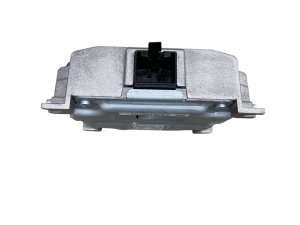
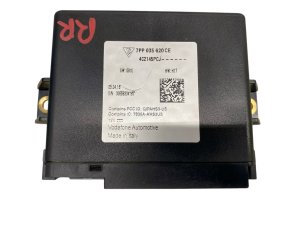
Used OEM Parts in Stock
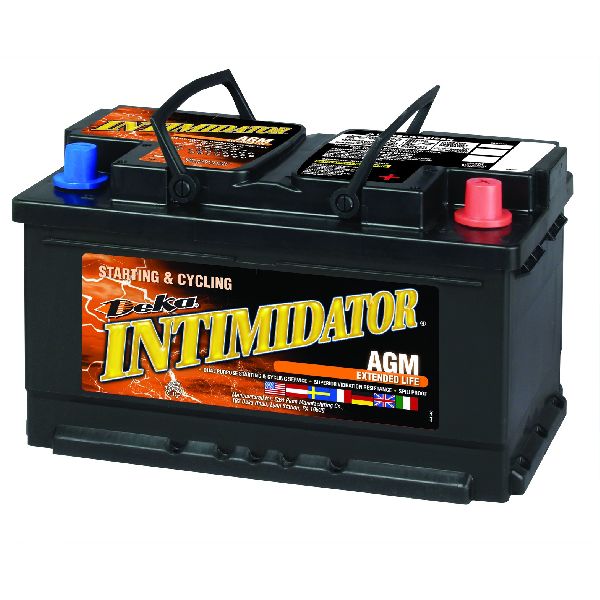
New Aftermarket Parts Available


The information in this article is provided for general reference and educational purposes only. Vehicle specifications, procedures, and part compatibility can vary by production date, trim level, and region. Always consult your vehicle's factory service manual and verify part numbers before purchasing or performing repairs. Safety-critical components such as airbags, seat belts, and braking systems should be installed by a qualified professional.
- Porsche Cayenne:
- 🧭 Diagnostic Flowchart
- 🎬 Helpful Videos
- 🛍️ Shop This Part
- What's Unique About the 2011-2018 Porsche Cayenne
- Symptoms You May Notice
- Most Likely Causes
- Diagnosis Steps
- Parts You'll Likely Need
- Related Codes That Often Appear With This One
- Technical Service Bulletins (TSBs) & Recalls
- Platform-Specific Known Issues
- Mechanic-Grade Diagnostic Values
- Scan Tool Commands That Help
- Wiring & Ground Locations
- Real Owner Repair Stories
- OEM Part Supersession History
- Model Year Variations Within This Range
- Other Known Issues on This Vehicle
- Used vs. New Parts: Buying Guide for This Vehicle
- Real Owner Stories
- 2016 Porsche Cayenne
- 2011-2018 Porsche Cayenne (958)
- Related OBD-II Codes
- Frequently Asked Questions
- 🎟️ Get 5% Off