

U0140 on 2012-2014 Toyota Prius C: Lost Communication With Body Control Module Causes and Fixes
On a 2012-2014 Prius C, code U0140 means the Body Control Module (BCM) has stopped communicating. Before suspecting a bad BCM, check for a weak 12V auxiliary battery, as low voltage is the most common trigger. If the battery is good, inspect the 'ECU-B' and 'DOME' fuses and wiring for damage before considering a BCM replacement, which requires professional programming.
- Always check the 12V auxiliary battery first for code U0140; it's the most common and cheapest fix.
- Symptoms can be dramatic (no-start, many warning lights), but the root cause is often simple, like a bad battery or blown fuse.
- Do not replace the Body Control Module (BCM) unless you have ruled out all power, ground, and wiring issues.
- If the BCM must be replaced, it is not a DIY-friendly job. The car will not start until a professional programs the new module to the car's security system.
What's Unique About the 2012-2014 Toyota Prius C
For the Prius C, the U0140 code is often a secondary symptom of a more basic problem. The hybrid system is very sensitive to stable voltage, and a failing 12V auxiliary battery is a frequent culprit for causing random communication codes, including U0140. Owners often report a cascade of warning lights, including the 'Check Hybrid System' message, which can be alarming but may simply trace back to a weak 12V battery rather than a catastrophic failure.
Symptoms You May Notice
- Multiple, seemingly random warning lights on the dashboard (a 'Christmas tree' effect), sometimes including the 'Check Hybrid System' message.
- Brake, ABS, and VSC warning lights may illuminate.
- Power windows, door locks, and interior lights stop working or behave erratically.
- Key fob (keyless entry) becomes unresponsive.
- The car fails to enter 'Ready' mode and will not start.
- A parasitic drain that causes the 12V auxiliary battery to die overnight.
- Replacing the hybrid battery pack. The 'Check Hybrid System' light can be triggered by this code, but the issue is rarely with the high-voltage battery itself. Always diagnose the 12V system first.
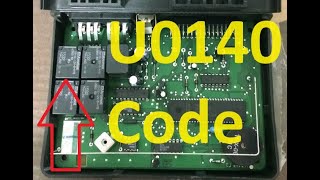
- Replacing other control modules. Because U0140 is a communication code, other modules may also store error codes. The root cause is the BCM not talking, not the other modules failing. 🎬 Watch: A breakdown of common causes for the U0140 code.
Most Likely Causes
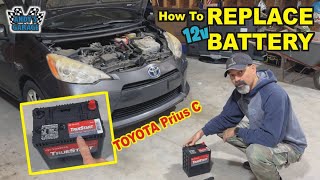
- Weak or Failing 12V Auxiliary Battery 🔴 High Probability → Shop Vehicle Battery Hybrid systems are highly sensitive to voltage fluctuations. A 12V battery with low voltage can cause modules to drop off the communication network, triggering false codes.
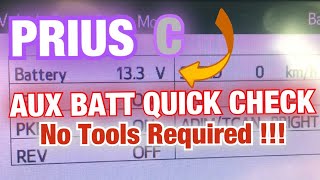
How to confirm: Test the 12V AGM battery (located under the rear passenger seat) with a multimeter or battery tester. A healthy battery should read above 12.4V with the car off. A reading below 12.2V after resting is a strong indicator of failure. Many forum users report resolving U0140 simply by replacing an old 12V battery. A hidden diagnostic menu can also show battery voltage. 🎬 Watch: How to quickly check your battery voltage via the dashboard.
Typical fix: Replace the 12V auxiliary battery and clear the trouble codes.
Est. part cost: $180-$250 - Blown Fuse or Poor Ground Connection 🟡 Medium Probability
How to confirm: Check fuses related to the BCM in the driver's side interior fuse panel. Specifically, inspect the 'ECU-B NO. 1' (10A) and 'DOME' (7.5A) fuses. Inspect the main BCM ground connection for corrosion or looseness. A bad ground is a common cause of communication issues.
Typical fix: Replace any blown fuses. Clean and tighten any corroded or loose ground connections.
Est. part cost: $1-$10 - Wiring Harness or Connector Issue ⚪ Low Probability
How to confirm: Visually inspect the wiring harness leading to the BCM (located behind the lower-left dashboard) for signs of chafing, rodent damage, or corrosion. Disconnect the BCM connectors and check for corroded or bent pins. Water intrusion from a leaky windshield cowl seal can cause corrosion here.
Typical fix: Repair the damaged section of the wiring harness. Clean or replace the affected connector.
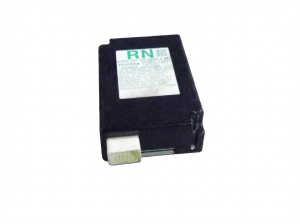
Est. part cost: $10-$100 - Faulty Body Control Module (BCM) ⚪ Low Probability → Shop Body Control Module While not a widespread defect, internal failure from moisture damage or age can occur.
How to confirm: This is diagnosed by exclusion. If the battery, fuses, grounds, and wiring are all confirmed to be good, the BCM itself is the likely culprit. A professional scan tool (like Toyota Techstream) that can't communicate with the BCM points to a failed module.
Typical fix: Replace the Body Control Module and have it professionally programmed to the vehicle's immobilizer system.
Est. part cost: $50-$125 (Used), $450-$550 (New OEM)
Rare But Worth Checking
- Aftermarket OBD-II Device Interference: Poorly designed aftermarket devices (like insurance trackers, cheap scan tools, or remote starters) plugged into the OBD-II port can sometimes disrupt CAN bus communication and trigger U-codes.
- Water Intrusion: Water leaking from a compromised windshield seal or clogged cowl drain can drip onto the BCM or its connectors, causing corrosion and short circuits that lead to communication failure. On Priuses, water leaks in the rear hatch area are also known to cause electrical issues by affecting wiring that runs through the area.
- Cross-Model Network Failures: While reported on a different Toyota model, NHTSA ODI #11665292 describes a scenario where U0140 appeared alongside other network codes like U1117 and U0115, coinciding with ABS warning lights and TPMS malfunctions, indicating a broader failure of the vehicle's communication and stability systems.
Diagnosis Steps
- Read all codes from all modules using a full-system scanner (like Toyota Techstream) to perform a 'Health Check' and see which other modules are reporting a loss of communication.
- Check the 12V auxiliary battery voltage. It should be above 12.4V. Charge or replace the battery if it is low. Clear codes and see if they return. This is the most common fix.
- Inspect the 'ECU-B NO. 1' (10A) and 'DOME' (7.5A) fuses in the driver-side interior fuse box. Replace any that are blown.
- Locate the BCM behind the lower-left side of the dashboard, near the steering column. Visually inspect the area for water stains, which would indicate a leak. Check its connectors and nearby wiring for any signs of corrosion or physical damage.
- Check the BCM ground connection to ensure it is clean, tight, and free of corrosion. A poor ground can cause a variety of electrical issues.
- If using an advanced scan tool, check the CAN bus resistance at the OBD-II port (pins 6 and 14). A reading of approximately 60 ohms is expected with the battery disconnected. If it's 120 ohms, one of the terminating resistors is offline. If it's near 0 ohms, there's a short.
- If all of the above steps do not resolve the issue, the BCM has likely failed. The vehicle will need to be taken to a dealer or qualified shop to have a new BCM installed and programmed.
Parts You'll Likely Need
- 12V Auxiliary Battery — A weak 12V AGM battery is the most frequent cause of communication codes like U0140 on the Prius C.
Trusted brands: Toyota TrueStart, Optima (YellowTop), Bosch AGM
OEM price range: $220-$280
Aftermarket price range: $180-$250 - Body Control Module (BCM)
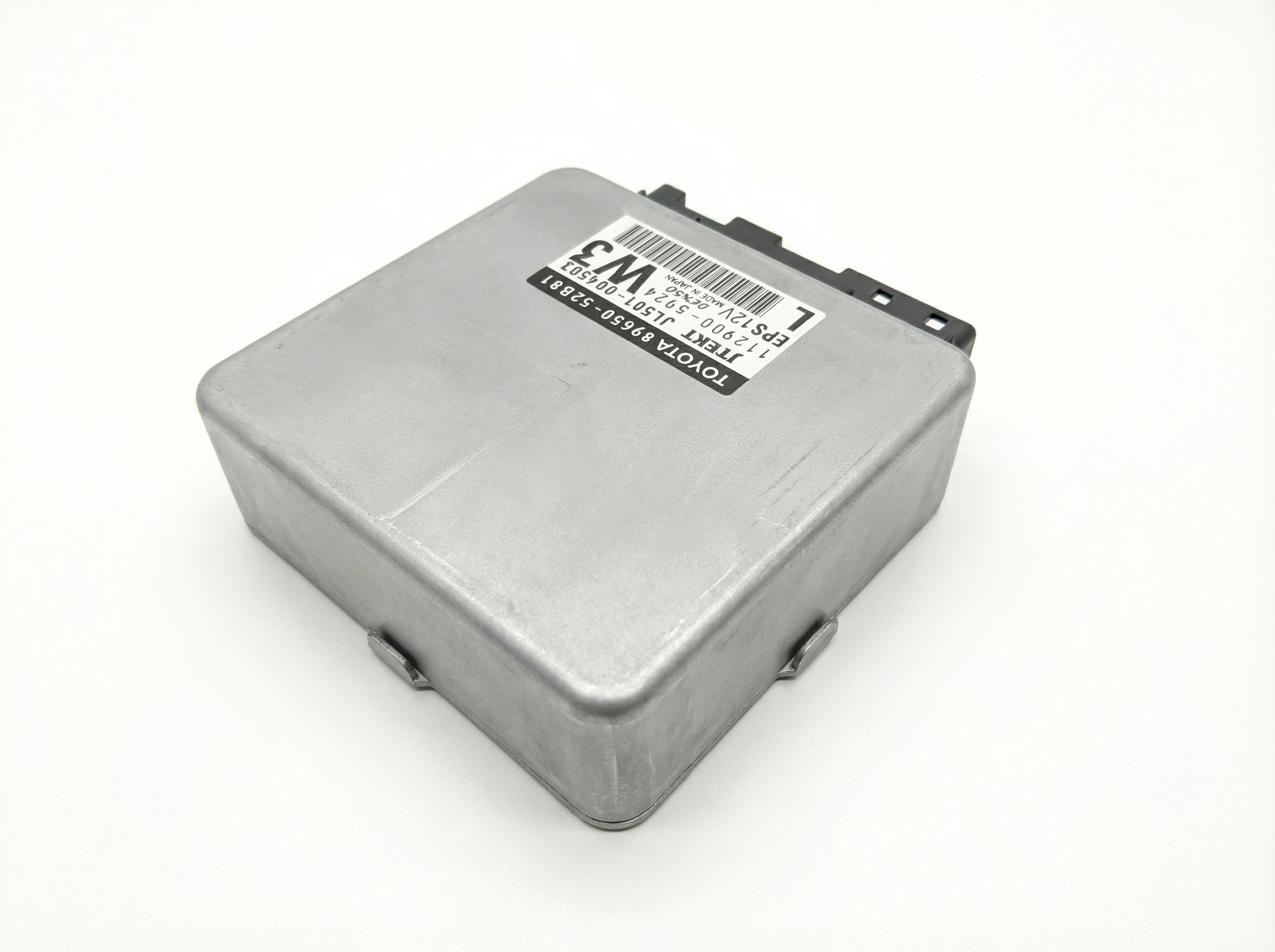
(OEM #89220-52521 (replaces 89220-52520), 89650-52B80, 89650-52B81)— If all power, ground, and wiring checks pass, the module itself has likely failed. It controls all major body electronics.
Trusted brands: Toyota (OEM)
OEM price range: $450-$550
Aftermarket price range: $50-$150 (Used/Remanufactured)
Related Codes That Often Appear With This One
- U0073 — Control Module Communication Bus 'A' Off. This is a general network failure code that often appears with U0140, indicating a broader communication problem on the CAN bus.
- U0100 — Lost Communication with ECM/PCM. If the BCM acts as a gateway or a major node, its failure can disrupt communication with the engine and powertrain control modules.
- B-prefix codes — Various body codes (e.g., for lights, locks, windows) may be present, as these are the systems the BCM directly controls.
Technical Service Bulletins (TSBs) & Recalls
- T-SB-0035-13: This is a general Technical Service Bulletin from Toyota that provides a framework for diagnosing CAN communication system issues. While not specific to U0140 on the Prius C, it outlines the official procedure for checking bus lines, which is a critical step in diagnosing this code.
Mechanic-Grade Diagnostic Values
- CAN Bus Resistance (Battery Disconnected) — expected: Approximately 60 Ω. Failure: 120 Ω indicates an open circuit or one missing terminating resistor. 0 Ω indicates a short between CAN High and CAN Low lines.
- CAN Bus Voltage (Key On, Engine Off) — expected: CAN High (Pin 6 at OBD-II) should be ~2.5-3.5V. CAN Low (Pin 14 at OBD-II) should be ~1.5-2.5V.. Failure: Voltages stuck at 0V, 12V, or equal to each other indicate a circuit fault.
- BCM Ground Resistance — expected: < 0.1 Ω. Failure: Higher resistance indicates a poor ground connection, which can cause module communication failure.
- 12V Auxiliary Battery Voltage (Car Off) — expected: 12.4V - 12.7V. Failure: A resting voltage below 12.2V indicates a weak or failing battery that can cause communication DTCs.
Scan Tool Commands That Help
- Toyota Techstream: Health Check — This is the first step when connecting to the vehicle. It polls all ECUs on the network and displays which ones are communicating and which are not, immediately highlighting the lack of communication with the BCM.
- Toyota Techstream: Bus Check — After a Health Check, the 'Bus Check' function can be used to see a list of all ECUs on the CAN bus and their status. This helps confirm if only the BCM is offline or if there is a wider network problem.
- Toyota Techstream: Immobilizer Registration — This function is mandatory after replacing the BCM. The new module must be registered with the vehicle's immobilizer system, or the car will not start.
Wiring & Ground Locations
- BCM (Main Body ECU) — Inside the cabin, under the driver's side dashboard, near the steering column. The lower dash panel must be removed for access.. This is the module that has lost communication. Physical inspection for water damage, corrosion, or loose connectors is a key diagnostic step.
- G6 Ground Point — Located in the driver's side kick panel area.. This is a major ground point for several components in the dashboard area. A loose or corroded G6 ground can cause intermittent communication issues for the BCM and other modules.
- Cowl Drains — Under the plastic cowl panel below the windshield wipers.. These drains can become clogged with leaves and debris, causing rainwater to overflow and leak into the cabin, potentially dripping directly onto the BCM or nearby wiring and causing corrosion.
Real Owner Repair Stories
- PriusChat user 'mistertentpole' (2014 Toyota Prius C) — Car would not go into 'Ready' mode. Received 'Check Hybrid System Stop The Vehicle' error message on the display, along with code U0140.
❌ Tried (didn't work) Recharging the 12V battery.
✅ What actually fixed it Replacing the 12V auxiliary battery. The old battery, despite being recharged, had failed and was causing the communication error with the Body Control Module.
OEM Part Supersession History
89220-52520→89220-52521— Typically for a vendor change, minor internal revision, or to consolidate parts. Toyota does not usually publish the specific reason for supersession.
Heads up: The newer part number (89220-52521) is the correct replacement for the original. Using the old part number is not recommended as it may lack updates from the newer version. Both require programming.
Diagnostic Flowchart
Other Known Issues on This Vehicle
Issues unrelated to this code that are worth knowing about as an owner of this generation:
- Hybrid Inverter Failure 🔴 High — Common enough that Toyota issued a Warranty Enhancement Program (ZE3) extending coverage to 15 years/unlimited miles, and later to 20 years. Failure can cause the vehicle to enter limp mode or shut down. (Ref: Warranty Enhancement Program ZE3 (covers DTCs P0A94, P324E, P3004, P0A1A).)
- Brake Booster & Actuator Failure 🔴 High — A very common issue for this generation, typically occurring after 80,000 miles. Symptoms include a loud buzzing/groaning noise from the engine bay, a hard brake pedal, and multiple brake-related warning lights. It is an expensive repair. (Ref: Customer Support Program ZJB (covers certain internal malfunctions).)
- EGR System Clogging 🟠 Medium — The EGR valve, cooler, and intake manifold passages are prone to clogging with carbon buildup, typically after 100,000 miles. This can lead to engine rattling, hesitation, and if ignored, potential head gasket failure. Many owners perform preventative cleaning.
- Excessive Oil Consumption 🟡 Low — Some owners report higher-than-average oil consumption, though it is less prevalent than on other Toyota engines of the era.
Used vs. New Parts: Buying Guide for This Vehicle
When a used part is the smart pick: A used Body Control Module (BCM) is a viable cost-saving option, as the part itself is generally reliable. The primary cost is often the professional programming, which is required for both new and used units. A used BCM from a reputable salvage yard can be a smart choice if the price is significantly lower than a new OEM part.
Donor-vehicle mileage cap: roughly under 80000 miles for the part to have meaningful remaining life.
What to inspect on the donor part:
- Ensure the part number is an exact match to the original BCM.
- Inspect the connectors for any signs of corrosion, bent pins, or water damage.
- Ask for the donor vehicle's history to avoid parts from flood-damaged cars.
- Purchase from a seller that offers a warranty or return policy.
OEM-only on this vehicle (don't cheap out):
- Body Control Module (BCM) - While used OEM is an option, aftermarket BCMs are not recommended for this vehicle due to the complex, vehicle-specific programming required for the immobilizer and other systems. A new OEM or a verified used OEM part is the safest bet.
Brands owners have reported issues with on this vehicle:
- Generic or no-name BCMs found on online marketplaces. These often fail to program correctly or have a short lifespan.
Real Owner Stories
Aggregated from forums and TSBs cited above. Mileages and costs reflect what owners reported in those sources.
2012 Toyota Prius C
Symptoms: Owner experienced a 12V battery drain event followed by a no-start condition and a 'Check Hybrid System' message on the dash.
What fixed it: Replacing the weak 12V auxiliary battery resolved the communication issues and cleared the code.
Source hint: PriusChat: 'DTC U0140'
2012 Toyota Prius C
Symptoms: Multiple 'lost communication' codes including the BCM; dashboard lights illuminated and the system reported a 'Service Hybrid System' warning.
What fixed it: Replacement of the original, weak 12V battery.
Source hint: PriusChat: '2012 with Service Hybrid System warning'
2012-2014 Toyota Prius C — ~100000 miles
Symptoms: Multiple electronic issues and codes appearing simultaneously, leading to concerns about complex system failures.
What fixed it: Replacing the failing 12V battery, which is the recommended first step for electronic glitches on this platform.
Source hint: PriusChat: 'Can a weak 12v battery cause this much trouble?'
Toyota Owner Report
Symptoms: An owner reported experiencing ABS warning lights, a TPMS malfunction warning, and sudden clunks from the rear suspension. Diagnostic scans revealed DTCs including U1117, U0140, and U0115, indicating network and stability system failures.
Source hint: NHTSA ODI #11665292
Related OBD-II Codes
Frequently Asked Questions
Where is the 12V auxiliary battery located on my 2012-2014 Prius C to check for U0140?
Does the Toyota T-SB-0035-13 apply to my Prius C's communication issues?
Can I use a Body Control Module from a Toyota Yaris to fix my Prius C?
Which specific fuses should I check if my Prius C has a 'Christmas tree' dashboard and U0140?
Is the U0140 code related to the Hybrid Inverter Warranty Enhancement Program (ZE3)?
Could a leaky windshield cowl cause the U0140 code in my Prius C?
Helpful Videos

Used OEM Parts in Stock
New Aftermarket Parts Available


The information in this article is provided for general reference and educational purposes only. Vehicle specifications, procedures, and part compatibility can vary by production date, trim level, and region. Always consult your vehicle's factory service manual and verify part numbers before purchasing or performing repairs. Safety-critical components such as airbags, seat belts, and braking systems should be installed by a qualified professional.
- Toyota Prius C:
- 🧭 Diagnostic Flowchart
- 🎬 Helpful Videos
- 🛍️ Shop This Part
- What's Unique About the 2012-2014 Toyota Prius C
- Symptoms You May Notice
- Most Likely Causes
- Rare But Worth Checking
- Diagnosis Steps
- Parts You'll Likely Need
- Related Codes That Often Appear With This One
- Technical Service Bulletins (TSBs) & Recalls
- Mechanic-Grade Diagnostic Values
- Scan Tool Commands That Help
- Wiring & Ground Locations
- Real Owner Repair Stories
- OEM Part Supersession History
- Other Known Issues on This Vehicle
- Used vs. New Parts: Buying Guide for This Vehicle
- Real Owner Stories
- 2012 Toyota Prius C
- 2012 Toyota Prius C
- 2012-2014 Toyota Prius C — ~100000 miles
- Toyota Owner Report
- Related OBD-II Codes
- Frequently Asked Questions
- 🎟️ Get 5% Off