

U0140 on 2010-2018 Volvo S60: Lost Communication With Central Electronic Module (CEM) Causes and Fixes
On a 2010-2018 Volvo S60, code U0140 almost always points to a problem with the Central Electronic Module (CEM). This is often caused by water damage due to clogged sunroof drains or a simple low battery. Before suspecting the CEM, fully charge and test the battery. If the CEM is faulty, it must be replaced and its software cloned, or a new one must be programmed by a dealer or specialist with Volvo-specific software (VIDA). This is not a simple DIY job.
- U0140 on a 2010-2018 S60 means the Central Electronic Module (CEM) has stopped communicating.
- Before suspecting an expensive module failure, always test the battery and check for low voltage, as this is a common and simple fix.
- The most likely cause of a true CEM failure on this car is water damage from clogged sunroof drains or a leaky windshield seal.
- A replacement CEM is not plug-and-play. It requires special programming or 'cloning' from your original module to work with your car's keys and systems.
- Due to the complexity of diagnosis and the need for programming, this issue is best handled by a professional mechanic or a Volvo specialist.
What's Unique About the 2010-2018 Volvo S60
On this generation of Volvo S60 (P3 platform), the Central Electronic Module (CEM) is a well-documented point of failure. The primary cause is often water intrusion. The CEM is located in the passenger footwell, tucked up under the glove box against the firewall. If sunroof drains get clogged or a windshield seal leaks, water runs down the A-pillar and can seep in, soaking the module and its connectors. This causes corrosion and catastrophic electrical failure. While electrical issues can be complex on any car, the specific vulnerability of the P3 platform's CEM to water damage is a key characteristic.
Symptoms You May Notice
- Multiple, unrelated warning lights on the dashboard (e.g., 'Brake Failure, Stop Safely', ABS, SRS/Airbag).
- A no-start or no-crank condition, even with a good battery.
- Erratic or non-functional headlights, interior lights, or turn signals.
- Windshield wipers turning on by themselves or not working at all.
- Power windows, door locks, or radio stop working intermittently or completely.
- Instrument cluster gauges behaving erratically or going dead.
- Parasitic battery drain that kills the battery overnight.
- Car may stall intermittently while driving.
- Keyless entry system fails to work.
- Replacing individual components like light switches, window motors, or the instrument cluster when the root cause is the CEM that controls them.
- Replacing the battery without addressing a parasitic drain caused by a faulty CEM that isn't going to 'sleep'.
- Condemning the CEM without first thoroughly checking for and repairing water leaks, which will cause the replacement module to fail as well.
Most Likely Causes
- Low Battery Voltage or Failing Alternator 🔴 High Probability → Shop Vehicle Battery Modern cars with many electronic modules, like this S60, are highly sensitive to system voltage. A weak battery can cause modules to drop off the communication network during startup and generate spurious codes.
How to confirm: Test the battery voltage with a multimeter (should be >12.4V static). Perform a load test on the battery. Check the alternator's output voltage with the engine running (should be ~13.8-14.4V).
Typical fix: Recharge or replace the battery. Ensure it's the correct type (e.g., AGM) and size. Replace the alternator if its output is low.
Est. part cost: $150-$350 - Faulty Central Electronic Module (CEM) due to Water Damage 🟡 Medium Probability The CEM is located in the passenger footwell, an area vulnerable to water from clogged sunroof drains or leaking windshield seals. This is a widely known failure point for the P3 platform.
How to confirm: Physically access the CEM under the passenger side dashboard/glovebox. Inspect the module and its connectors for any signs of green or white corrosion, moisture, or water stains in the surrounding carpet and insulation. A musty smell inside the car is also a clue.
Typical fix: The CEM must be replaced or repaired. A used module must have its software 'cloned' from the original. A new module must be programmed by a dealer or specialist. The source of the water leak (e.g., clearing sunroof drains) must also be found and repaired to prevent recurrence.
Est. part cost: $500-$1200 - Corroded or Loose Ground Connections ⚪ Low Probability Like any vehicle, grounds can corrode over time, leading to high resistance and unstable voltage for electronic modules, causing them to drop off the network.
How to confirm: Inspect the main battery ground strap and the chassis grounds for the CEM. Ensure they are clean, tight, and free of corrosion. A voltage drop test across the ground connection can confirm high resistance.
Typical fix: Clean the contact points with a wire brush and re-secure the ground connection. Apply a dielectric grease to prevent future corrosion.
Est. part cost: $1-$10 - Damaged CAN Bus Wiring Harness ⚪ Low Probability Wiring can be damaged by chafing against sharp metal brackets (a known issue behind the radio), previous improper repairs, or rodent activity.
How to confirm: Visually inspect the wiring harnesses leading to the CEM for any signs of physical damage. This is a difficult task and may require a professional to perform continuity and resistance checks on the CAN bus wires (should measure around 60 ohms between CAN High and CAN Low).
Typical fix: Repair the damaged section of the wire. This requires soldering and heat-shrinking for a durable repair.
Est. part cost: $10-$50
Diagnosis Steps
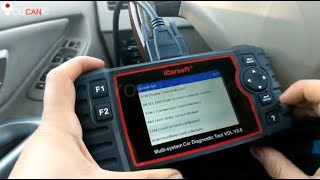
- Scan for all DTCs in all modules using a Volvo-specific scanner (like VIDA) to see which other modules are reporting communication loss. This gives a full picture of the network health.
- Check and confirm the battery is fully charged and passes a load test. A weak battery is a very common cause of communication codes.
- Inspect battery terminals and major ground points (chassis and engine block) for cleanliness and tightness.
- Check all fuses related to the CEM and other body control functions in the vehicle's fuse boxes (in the engine bay and passenger compartment).
- Locate the CEM in the passenger footwell area, under the glove box. A video guide from a company like XeMODeX can be helpful. 🎬 Watch: Step-by-step guide to diagnosing the CEM module
- Carefully disconnect the CEM connectors and inspect for any signs of water damage, such as green or white corrosion on the pins or connector housings. Check the surrounding carpet and padding for dampness.
- If corrosion is found, the CEM is almost certainly faulty. The source of the water leak (clogged sunroof drains, windshield seal, or A/C drain tube) must be identified and repaired before replacing the CEM.
- If no water damage is visible, check for power and ground at the CEM connector with a multimeter. This verifies the module is receiving the power it needs to operate.
- If power and ground are good, the problem could be an internal failure of the CEM or a wiring issue on the CAN bus network. A professional can test the CAN bus network wiring for proper resistance (around 60 ohms) and signal integrity with an oscilloscope before condemning the unit.
Parts You'll Likely Need
- Central Electronic Module (CEM)
(OEM #31394157, 30786889, 31282455 (Varies by year/options, check with dealer))— This module is the most common point of failure for this code on this vehicle, often due to water damage or internal faults.
Trusted brands: Volvo (Genuine OE), XeMODeX (Remanufactured/Cloned), Module Master (Repair Service)
OEM price range: $800-$1200
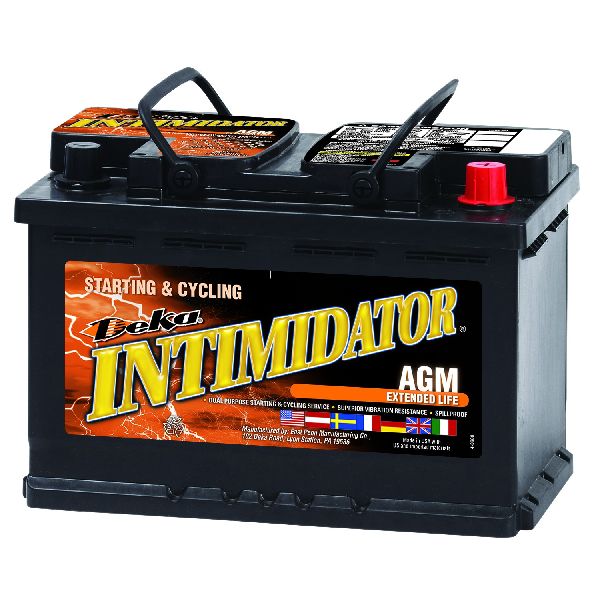
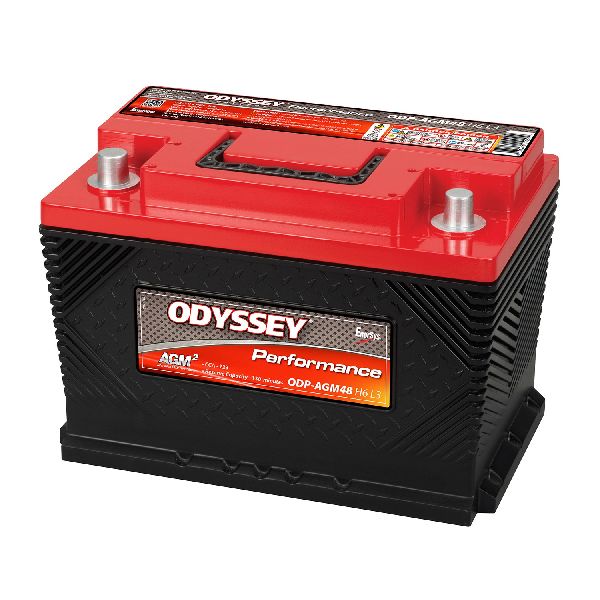
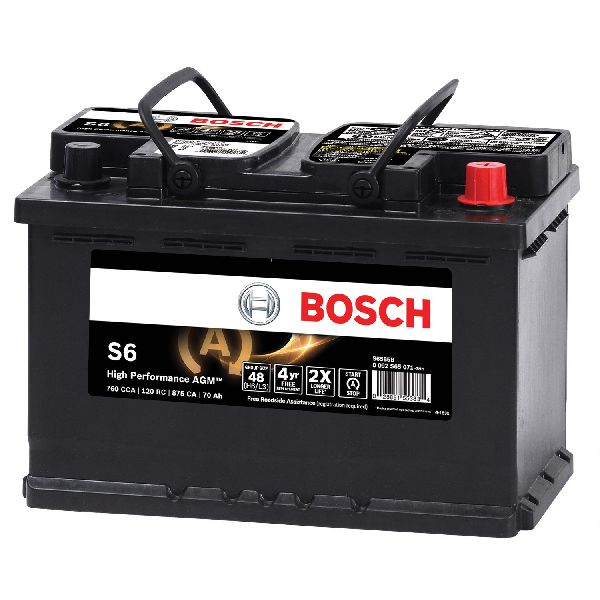
Aftermarket price range: $400-$700 (Remanufactured/Cloned). - AGM Battery — A weak or failing battery is a frequent cause of communication codes as modules fail to initialize properly with low voltage.
Trusted brands: Bosch, Interstate, Deka
OEM price range: $250-$400
Aftermarket price range: $150-$250
Related Codes That Often Appear With This One
- U0100 — Lost Communication with ECM/PCM. If the CEM is failing, it can disrupt the entire network, leading to communication loss codes with many other modules.
- U0155 — Lost Communication With Instrument Panel Cluster (IPC) Control Module. The instrument cluster often gets its data via the CEM, so a CEM failure will cut off communication.
- U0121 — Lost Communication With Anti-Lock Brake System (ABS) Control Module. This can be triggered by the CEM failure causing network-wide communication breakdown.
- U0101 — Lost Communication with TCM. A failing CEM can disrupt the CAN bus, preventing the Transmission Control Module from communicating, which may cause shifting issues.
Platform-Specific Known Issues
- The location of the CEM in the passenger footwell makes it highly susceptible to water damage from clogged sunroof drains, which is a common problem on this platform. Water runs down the A-pillars and soaks the module.
- A user on the SwedeSpeed forum reported over $3,000 in damage to electronics from a water leak caused by clogged sunroof drains, highlighting the severity of the issue.
Mechanic-Grade Diagnostic Values
- CAN Bus Network Resistance — expected: Approximately 60 Ω (Ohms) when measured between CAN High (Pin 6) and CAN Low (Pin 14) at the OBD-II port with the battery disconnected.. Failure: A reading of 120 Ω indicates a missing termination resistor or an open in one of the CAN wires. A reading near 0 Ω indicates a short circuit between the CAN High and Low wires.
- CAN Bus Voltage (Key On, Engine Off) — expected: CAN High and CAN Low lines should both read approximately 2.5V relative to a good chassis ground.. Failure: Significant deviation from 2.5V on either line at idle suggests a faulty transceiver in a module or a wiring short to power or ground.
- CEM Resistance to Ground — expected: Mega-ohms (MΩ) or an open circuit when measuring between either CAN pin at the disconnected module and the module's ground pin.. Failure: Low resistance indicates an internal short within the CEM, often caused by water damage or component failure.
Hidden / Shadow Codes Worth Checking
- CEM-DF series codes (e.g., CEM-DF03, CEM-DF16): These are Volvo-specific fault codes stored within the Central Electronic Module that provide more detail than the generic U-code. They can point to specific circuit failures (e.g., LIN bus communication) controlled by the CEM. (see via Requires a Volvo-specific diagnostic tool like VIDA (Vehicle Information and Diagnostics for Aftersales).)
Scan Tool Commands That Help
- Volvo VIDA: CEM Reload — This function is mandatory after replacing the CEM. It downloads the vehicle-specific software and configuration into the new or cloned module, binding it to the car's network and immobilizer system.
- Volvo VIDA: Hardware Changes — This function is used within VIDA to initiate the process of replacing a module. The software performs a vehicle readout to identify the replaced hardware (the CEM) and adds the necessary 'Reload' software to the download queue.
- Volvo VIDA: Customer Symptom / DTC search — This allows a technician to look up the specific U0140 code and follow guided fault tracing procedures, which may include activating specific components to test the CEM's output functions.
Wiring & Ground Locations
- CEM Module Ground — For LHD vehicles, the primary ground point is 31/6, located at the left-hand A-pillar. For RHD vehicles, it is 31/10 at the right-hand A-pillar.. A corroded or loose A-pillar ground is a common cause of intermittent CEM communication failure. This ground is critical for the stable operation of the module.
- Main Engine Ground Strap — On the 2.5L engine, a key ground strap connects the top of the engine near the timing belt cover to the chassis.. A weak or corroded main engine ground can introduce electrical noise into the entire vehicle system, potentially disrupting CAN bus communications and causing spurious U-codes.
- CEM Connectors — Located under the passenger side of the dashboard, tucked against the firewall. Access requires removing the glovebox and/or lower trim panels.. This is the primary point of inspection for water damage and corrosion. The pins for power, ground, and the CAN bus network must be clean and secure for the CEM to function.
Real Owner Repair Stories
- YouTube user Redneck Weekly (Unknown year truck (demonstrating a universal fix applicable to the Volvo's issue)) — DTC U0140 - Lost communication with body control module.
❌ Tried (didn't work) Not specified, but the fix implies standard diagnostics did not pinpoint the cause.
✅ What actually fixed it An additional, redundant ground wire was run from the negative battery terminal directly to both sides of the Body Control Module's mounting bracket, and then also to a ground point on the ECM itself. This suggests the factory ground path had high resistance. - Multiple forum users (e.g., Reddit, SwedeSpeed) (Various P2 and P3 platform Volvos, including S60 models.) — Classic U0140 symptoms: no-start, erratic electronics, multiple warning lights.
❌ Tried (didn't work) Replacing the battery., Clearing codes, which would return immediately or intermittently.
✅ What actually fixed it The CEM was found to have corrosion from water damage. The final fix was to send the original CEM and a compatible used CEM (with a matching part number) to a specialist service like XeMODeX for cloning. The water leak (typically sunroof drains) also had to be repaired to prevent recurrence.
OEM Part Supersession History
Varies→Varies— Revisions and updates by the manufacturer.
Heads up: When sourcing a used CEM for cloning, the part number must be an exact match to the original. However, some remanufacturers state that the last two letters of the part number do not matter for compatibility on certain series. Always confirm with the cloning service provider.
Model Year Variations Within This Range
- 2014-2018: The S60 received a significant facelift for the 2014 model year, which included redesigned lights and front fascia.
- 2015.5-2018: Starting mid-way through the 2015 model year, Volvo introduced new 'Drive-E' four-cylinder engines and an updated electronics/infotainment system. This may lead to different CEM hardware or software versions compared to earlier 2010-2015 models. Verification of the part number is critical for these transition years.
Diagnostic Flowchart
Other Known Issues on This Vehicle
Issues unrelated to this code that are worth knowing about as an owner of this generation:
- Excessive Oil Consumption (2.0L Drive-E Engines) 🔴 High — Common on 2015-2016 models with the 4-cylinder Drive-E engine. Caused by a design flaw in the piston rings that leads to carbon buildup. (Ref: Volvo Quality Bulletin P10186 / Extended Warranty P10207 address this issue, often requiring piston and ring replacement.)
- PCV System / Oil Trap Clogging 🟠 Medium — Common on 5-cylinder and 6-cylinder engines, especially with short-trip driving. Can cause whistling noises, oil leaks from seals due to crankcase pressure, and poor idling.
- Powershift Transmission Problems (6DCT450) 🔴 High → Shop Transmission Assembly — Affects models equipped with the Ford-derived Powershift dual-clutch transmission. Can suffer from rough shifting, hesitation, and complete failure. Repairs are expensive.
- Aisin-Warner Geartronic Transmission Issues 🟠 Medium → Shop Transmission Assembly — Some earlier models with the conventional automatic can experience 'shift flares' or harsh shifts, often related to a faulty B4 servo cover or old fluid. (Ref: A B4 Servo Update kit was developed by Volvo to address some of these shifting problems.)
Used vs. New Parts: Buying Guide for This Vehicle
When a used part is the smart pick: For the Central Electronic Module (CEM), using a second-hand part is the most common and cost-effective repair strategy. A new CEM from Volvo is expensive and requires dealer programming. A used CEM with a matching part number can be purchased for a fraction of the cost and then have the software from the original, faulty module 'cloned' onto it.
Donor-vehicle mileage cap: roughly under 150000 miles for the part to have meaningful remaining life.
What to inspect on the donor part:
- The part number on the used CEM must EXACTLY match the original module's part number.
- Visually inspect the donor module's connectors for any signs of pin corrosion, water stains, or physical damage.
- Purchase from a reputable salvage yard with a return policy in case the module is dead on arrival.
- Crucially, your original CEM must still be readable by a cloning tool. If the original is too damaged (e.g., completely fried or waterlogged), cloning will be impossible.
OEM-only on this vehicle (don't cheap out):
- For this repair, a new OEM part is the alternative to a cloned used part, but it is significantly more expensive and must be programmed by a dealer with a VIDA subscription.
Aftermarket brands forum-validated for this vehicle:
- XeMODeX (Specializes in repair and cloning services)
- Module Master (Offers repair services for the original module)
- Velectronix (Offers cloning services)
Brands owners have reported issues with on this vehicle:
- Unknown or unverified cloning services on platforms like eBay without significant positive reviews specific to Volvo CEMs.
Real Owner Stories
Aggregated from forums and TSBs cited above. Mileages and costs reflect what owners reported in those sources.
2012 Volvo S60
Symptoms: Passenger side flooding after a storm, followed by catastrophic electrical failures and multiple warning lights.
What fixed it: Repair of electronics damaged by water and clearing of clogged sunroof drains.
Cost: $3,000-$3,500
Source hint: SwedeSpeed Forum - User experience with water damage
Volvo V60 (P3 Platform)
Symptoms: Experienced U0140 along with a host of other communication codes and network-wide chaos.
What fixed it: Replacement of a faulty Central Electronic Module (CEM).
Source hint: Volvo Owners Club Forum - U0140 Discussion
Related OBD-II Codes
Frequently Asked Questions
Why are my windshield wipers and headlights acting erratically on my S60?
Is there a specific area I should check for water damage on my 2012 Volvo S60?
Can a weak battery cause a U0140 code on my S60 even if the car still starts?
My 2015 S60 Drive-E is consuming a lot of oil; is this related to the U0140 code?
Can I just swap in a used CEM from another S60 to fix the U0140 code?
Where is the most common place for CAN bus wiring damage on this model?
Helpful Videos
We Have This Part in Stock


The information in this article is provided for general reference and educational purposes only. Vehicle specifications, procedures, and part compatibility can vary by production date, trim level, and region. Always consult your vehicle's factory service manual and verify part numbers before purchasing or performing repairs. Safety-critical components such as airbags, seat belts, and braking systems should be installed by a qualified professional.
- Volvo S60:
- 🧭 Diagnostic Flowchart
- 🎬 Helpful Videos
- 🛍️ Shop This Part
- What's Unique About the 2010-2018 Volvo S60
- Symptoms You May Notice
- Most Likely Causes
- Diagnosis Steps
- Parts You'll Likely Need
- Related Codes That Often Appear With This One
- Platform-Specific Known Issues
- Mechanic-Grade Diagnostic Values
- Hidden / Shadow Codes Worth Checking
- Scan Tool Commands That Help
- Wiring & Ground Locations
- Real Owner Repair Stories
- OEM Part Supersession History
- Model Year Variations Within This Range
- Other Known Issues on This Vehicle
- Used vs. New Parts: Buying Guide for This Vehicle
- Real Owner Stories
- 2012 Volvo S60
- Volvo V60 (P3 Platform)
- Related OBD-II Codes
- Frequently Asked Questions
- 🎟️ Get 5% Off