

U1000 on 2005-2009 Chevrolet Equinox: Class 2 Communication Failure Causes and Fixes
Code U1000 on a 2005-2009 Equinox means there's a communication breakdown between the vehicle's computers. This is most often caused by a faulty Body Control Module (BCM), bad wiring at a splice pack, or poor ground connections. Other less common but notable causes on this platform include a failed Instrument Panel Cluster (IPC) or Electronic Brake Control Module (EBCM). A new BCM is a common fix, but thorough diagnosis is key to avoid replacing the wrong part.
- U1000 on your Equinox is a serious network communication error, not a simple sensor failure.
- The most likely cause is a faulty Body Control Module (BCM), a known weak point on this vehicle.
- Other common causes are bad wiring, corroded connectors, or poor ground connections.
- Do not start replacing parts without proper diagnosis. A professional scan tool is needed to identify which module is offline.
- If you experience bizarre electrical problems (gauges, locks, lights acting up) along with a U1000 code, the BCM is the primary suspect.
What's Unique About the 2005-2009 Chevrolet Equinox
The first-generation Equinox, along with its platform-mates the Pontiac Torrent and Saturn VUE, is known for having electrical issues that trigger a U1000 code. 🎬 Watch: How to diagnose a U1000 code While any module on the network can cause this code, the Body Control Module (BCM) is a frequent culprit on this specific vehicle, leading to a host of strange electrical problems. However, other modules are also common failure points on this platform, specifically the Electronic Brake Control Module (EBCM/ABS module) and the Instrument Panel Cluster (IPC), which can fail internally and drag the entire network down. Additionally, the Class 2 data wiring is routed through centralized junction blocks called 'splice packs' (like SP205), which are known points of failure due to corrosion or poor pin contact.
Symptoms You May Notice
- Check Engine Light or other warning lights (ABS, Service Engine Soon) are on
- Vehicle may not start or may stall intermittently
- Erratic or non-functional instrument cluster (gauges, speedometer, message center all dead)
- Malfunctioning electrical accessories like power windows, door locks, radio, or HVAC controls
- Horn honking randomly
- No communication with the scan tool, or only certain modules respond
- Security light may be on or flashing, preventing startup
- Loss of power steering if the EBCM is the source of the failure
- Replacing the ECM (Engine Control Module) when the BCM is the actual cause.
- Replacing the battery without testing it first, when the underlying issue is a wiring fault or a bad module causing a parasitic drain.
- Replacing random modules without performing a systematic diagnosis by isolating each module on the network.
Most Likely Causes
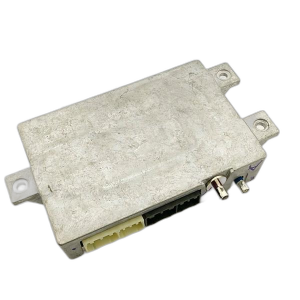
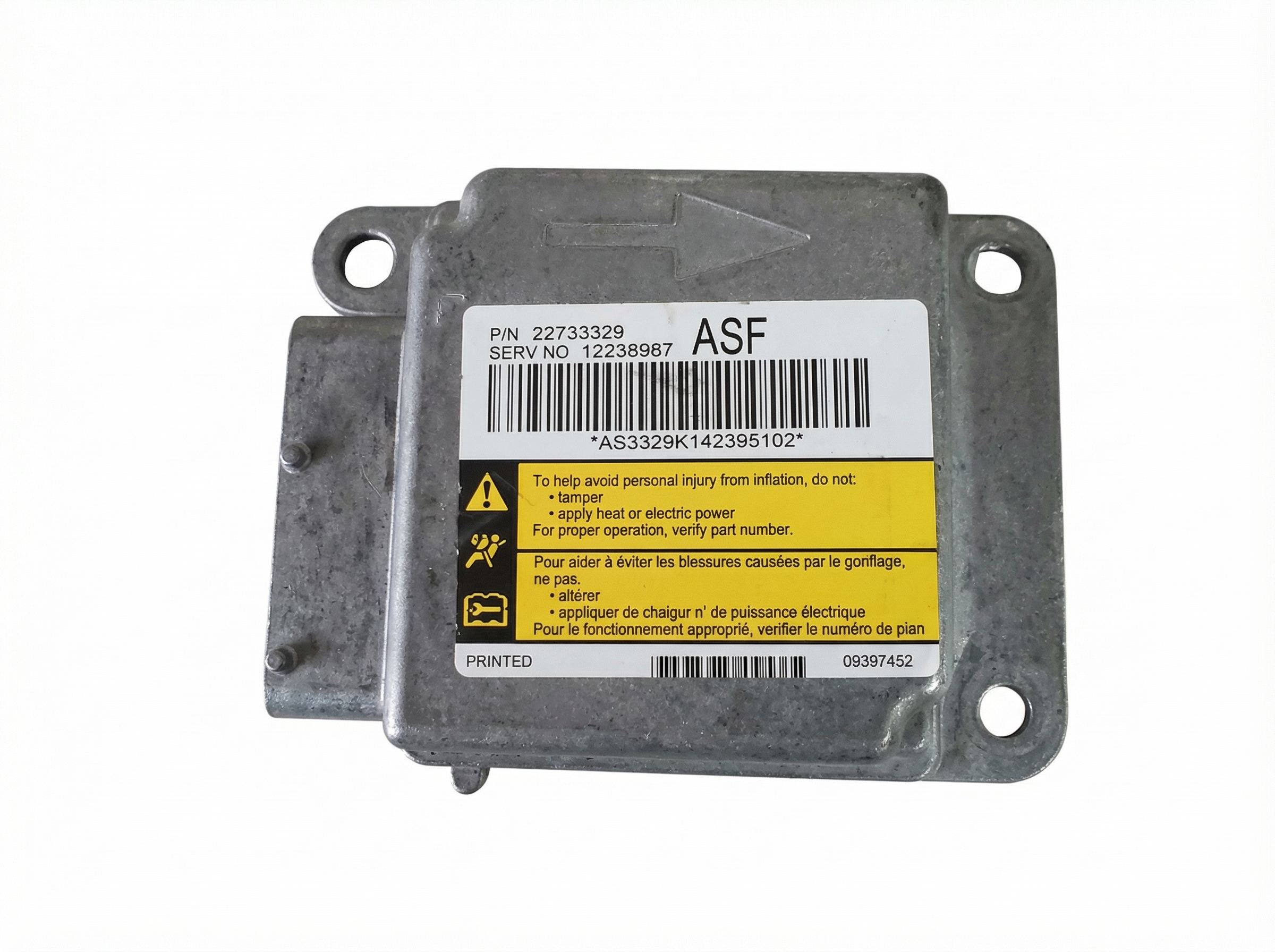
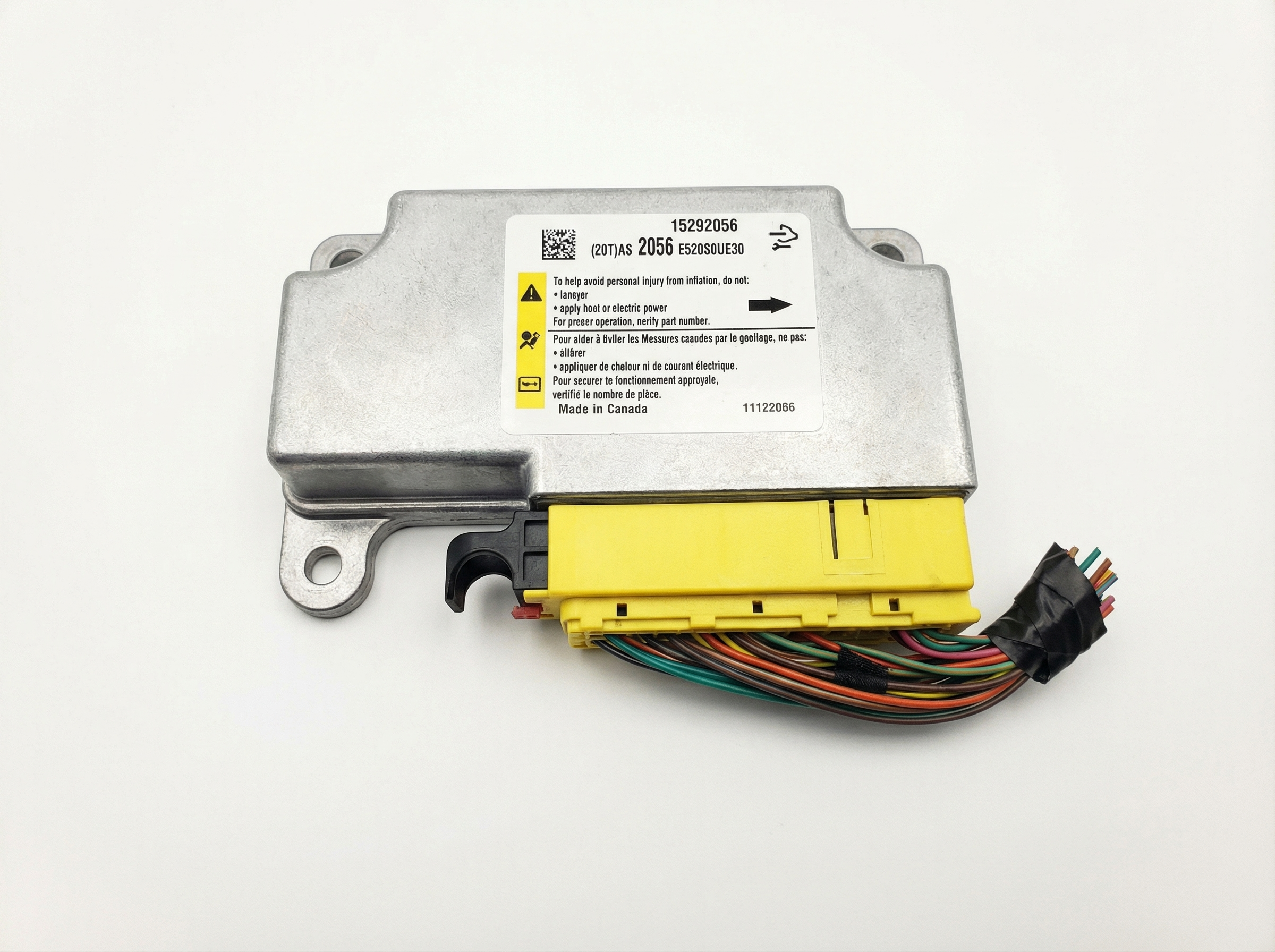
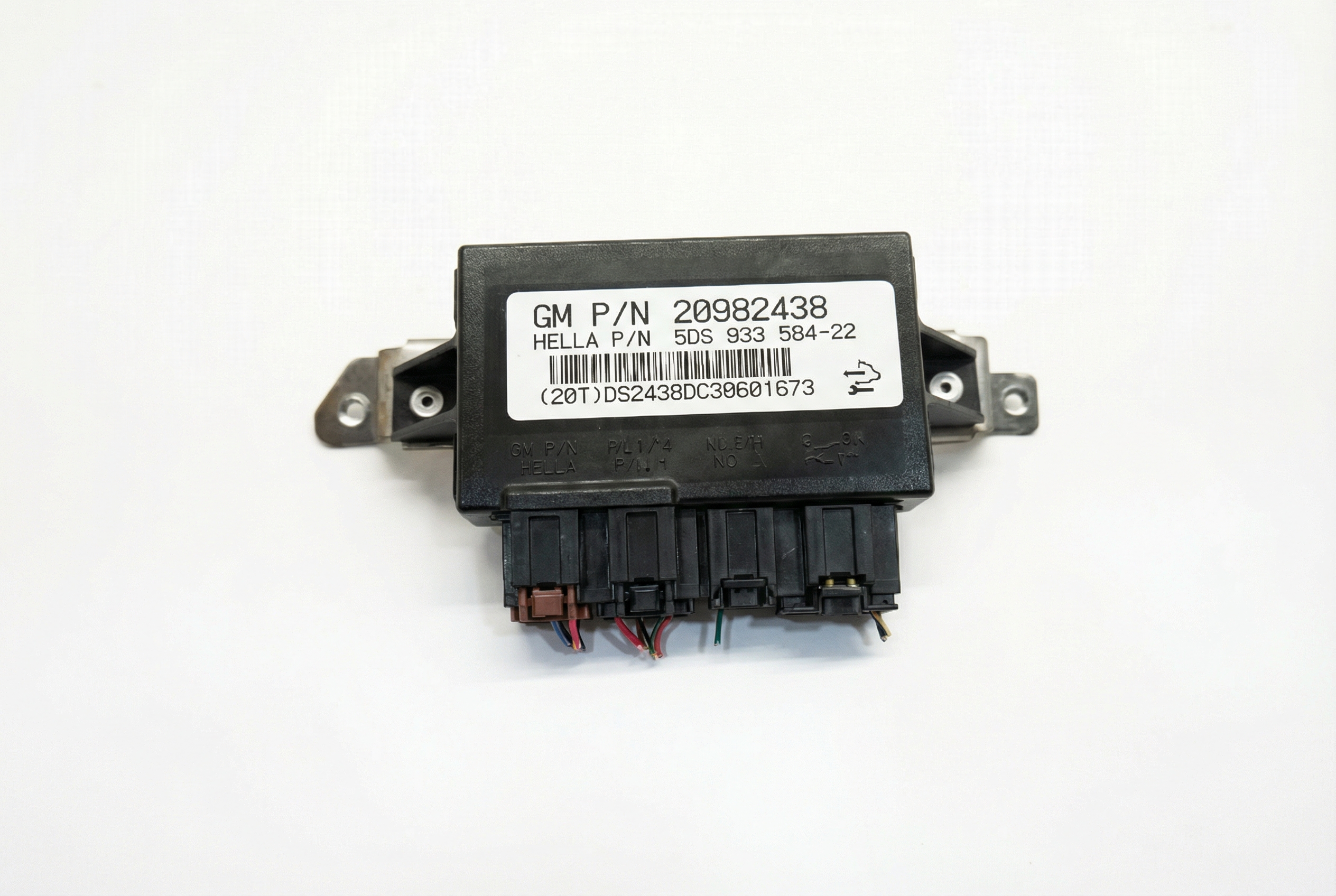
- Faulty Body Control Module (BCM) 🔴 High Probability → Shop Body Control Module The BCM used in the first-generation Equinox and its platform-mates is a well-documented common failure point, often causing a wide range of electrical issues and communication codes.
How to confirm: A professional technician will use a scan tool to see if the BCM is offline. They may also perform a 'roll call' of all modules; if communication is restored when the BCM is disconnected, the BCM is likely the faulty component. A shorted BCM can pull the Class 2 data line voltage down from its normal 7V state to under 2V.
Typical fix: Replace the Body Control Module. A new or refurbished BCM will need to be programmed to the vehicle's VIN and specific options using a GM Tech 2 or similar tool. A used BCM is often VIN-locked and may not be programmable.
Est. part cost: $150-$400 - Damaged Wiring or Corroded Connectors 🟡 Medium Probability Wiring can chafe against chassis components, and connectors can corrode. A key failure point is the Class 2 splice pack (SP205), a junction where all data lines meet. It is located under the driver's side dash/kick panel area and corrosion here can take the whole network down.
How to confirm: Visually inspect wiring harnesses for obvious damage. Locate splice pack SP205 (may be wrapped in brown tape) and inspect the pins and comb connector for green or white corrosion. A multimeter can be used to check for continuity and shorts on the data line (Pin 2 of the DLC).
Typical fix: Repair the broken or shorted wire. Clean or replace corroded splice packs or connectors. In some cases, the splice pack is bypassed with soldered connections.
Est. part cost: $5-$50 - Poor Ground Connections 🟡 Medium Probability GM vehicles of this era are known for issues with ground points corroding or becoming loose, which can cause unpredictable electrical problems across the entire vehicle. Key grounds are located on the engine block, near the battery, and under the dash.
How to confirm: Locate, remove, clean, and tighten all major chassis and engine ground straps. Pay special attention to the grounds for the ECM and BCM. A voltage drop test across the ground connection can confirm a poor connection.
Typical fix: Clean the contact surfaces of the ground wire and the chassis down to bare metal and re-secure the connection.
Est. part cost: $0-$10 - Faulty Instrument Panel Cluster (IPC) or EBCM ⚪ Low Probability → Shop Instrument Cluster On the Equinox/Torrent platform, the Instrument Panel Cluster (IPC) and Electronic Brake Control Module (EBCM) are also known to fail internally and short the Class 2 data line, causing a U1000 code.
How to confirm: The diagnostic process involves unplugging modules one by one. If unplugging the IPC or EBCM causes the other modules to start communicating again (verified with a scan tool), that module is the source of the fault.
Typical fix: Replace the faulty module. The EBCM may require programming to the vehicle's VIN.
Est. part cost: $150-$600 - Weak or Failing Battery ⚪ Low Probability → Shop Vehicle Battery
How to confirm: A low voltage state can cause communication modules to drop off the network. Test the battery voltage with a multimeter; it should be above 12.4V with the engine off. Have the battery load tested at an auto parts store.
Typical fix: Replace the vehicle's battery.
Est. part cost: $150-$250
Rare But Worth Checking
- Faulty Aftermarket Electronics: An improperly installed aftermarket stereo, remote start system, or alarm can interfere with or short the Class 2 data line, bringing the entire network down. The radio is a common culprit.
- Failure of another module: While the BCM, IPC, and EBCM are most common, any module on the network (TCM, Radio, OnStar/VCIM, HVAC controls, etc.) can fail and short the data bus, causing a U1000 code.
- Twisted wiring at VCIM connector: A GM document (PIT3433) noted cases where the wiring to the Vehicle Communication Interface Module (OnStar) C3 connector was twisted, causing an intermittent connection on the data lines and a no-crank condition with multiple U-codes.
Diagnosis Steps
- Connect a professional scan tool capable of reading GM-specific codes. Check for any other 'U' codes, which can help pinpoint the faulty module.
- Check and charge the battery. Ensure it has a full charge (at least 12.4V) and tight, clean terminals. A weak battery is a common cause of communication codes.
- Attempt to communicate with all modules on the network (ECM, BCM, TCM, IPC, EBCM, etc.). Note which modules are not responding.
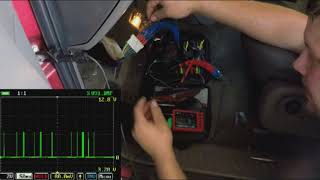
- If multiple modules are offline, the problem is likely in the shared network wiring. Check the voltage at Pin 2 (Dark Green wire) of the OBD-II port with the key on. It should be a fluctuating 0-7V signal. A voltage stuck low (e.g., under 2V) indicates a shorted module or wire.
- Visually inspect all major wiring harnesses for signs of chafing, melting, or rodent damage. Pay close attention to harnesses near the engine, transmission, and under the dash.
- Locate and inspect the main Class 2 data bus splice pack (SP205) 🎬 See: GM Class 2 network diagnostic tips under the driver's side dash/kick panel. Check for any signs of water intrusion or corrosion on the pins.
- Inspect and clean all major ground connections from the battery to the chassis and from the engine to the chassis.
- If a single module is offline or the data bus is shorted, begin unplugging modules one by one. Start with the most likely culprits: BCM, Radio, IPC, EBCM, and the OnStar module (VCIM). After unplugging each one, re-check the data line voltage or attempt to communicate with the remaining modules. When communication is restored, the last module unplugged is the source of the fault.
Parts You'll Likely Need
- Body Control Module (BCM)
(OEM #15880684, 25826125, 84922494)— This is the most common module to fail on this platform and cause a U1000 code along with various electrical gremlins.
Trusted brands: ACDelco (GM Genuine), Dorman (Remanufactured)
OEM price range: $250-$400
Aftermarket price range: $150-$300 - Wiring Repair Supplies — If the cause is a broken or corroded wire, especially at a splice pack, you will need supplies to repair
Related Codes That Often Appear With This One
- U0100 — Lost Communication With ECM/PCM
- U0101 — Lost Communication with TCM
- U0140 — Lost Communication With Body Control Module
- U0155 — Lost Communication With Instrument Panel Cluster (IPC) Control Module
Technical Service Bulletins (TSBs) & Recalls
- PIT3433 - A GM document noting that a no-crank condition with loss of communication to multiple modules (BCM, IPC, PCM, etc.) can be caused by twisted or damaged wiring at the C3 connector of the Vehicle Communication Interface Module (VCIM/OnStar).
- Bulletin #PIC3557 - This Preliminary Information communication provides diagnostics for a Class 2 communications DTC U1000, noting that the code may not always lead a technician to a final repair and may need to be disregarded in certain diagnostic contexts.
- Bulletin #GCUS-3-423 - Notes that during a crank/no-start event, the vehicle may store codes U0100, U1000, and B2193, requiring a revision of the engine harness.
- Bulletin #PIT5369A - Describes a crank/no-start issue after sitting overnight below freezing where a technician may find DTC U1000; the fix involves unsecuring and inspecting the engine harness above the fuel rail.
- Bulletin #PIT5369 - Reports that the Service Engine Soon lamp may illuminate with DTCs U0100 and U1000 stored in multiple high-speed modules, often accompanied by B2190 or B2193 in the Body Control Module.
Platform-Specific Known Issues
- The Body Control Module (BCM) on the 2005-2009 Equinox is a known high-failure item, often requiring replacement to solve communication and electrical issues.
- Corrosion in the Class 2 data line splice pack (SP205) under the driver's side dash is a common cause for network-wide communication loss.
- Internal failure of the Instrument Panel Cluster (IPC) or the Electronic Brake Control Module (EBCM) can also bring down the entire data network.
Mechanic-Grade Diagnostic Values
- Class 2 Serial Data Line Voltage (DLC Pin 2) — expected: Fluctuating signal between 0V (inactive/recessive) and 7.0-7.5V (active/dominant).. Failure: Voltage stuck low (e.g., under 2V) indicates a short to ground. Voltage stuck high (e.g., over 8V, sometimes near battery voltage) indicates a short to power from a faulty module.
- Class 2 Data Bus State of Health (SOH) Message — expected: Each module on the bus sends a 'State of Health' message every two seconds when the ignition is in RUN.. Failure: The absence of a specific module's SOH message indicates that module has dropped off the network, helping to isolate the fault. This requires a scan tool capable of monitoring network traffic.
Scan Tool Commands That Help
- Tech 2 / GDS2: Module 'Roll Call' or Network Scan — Used at the beginning of diagnosis to see which modules are actively communicating on the network and which are offline. This helps narrow the search for the faulty component.
- Tech 2 / GDS2: Setup SDM Primary Key in BCM — This function is required after replacing the BCM to sync the new module with the existing airbag system (Supplemental Deployment Module). Failure to do this will result in an airbag warning light.
- Tech 2 / GDS2: BCM Programming (SPS) — When installing a new BCM, the Service Programming System (SPS) is used to load the vehicle's specific VIN and RPO codes (options) into the blank module.
Wiring & Ground Locations
- SP205 — Located under the driver's side of the instrument panel, often near the kick panel area. It may be wrapped in tape.. This is the main splice pack where the Class 2 data wires from many different modules meet. Corrosion or a loose connection in SP205 can take down the entire communication network, causing a U1000 code.
- G109 / G112 — Engine block grounds. G109 is on the top right rear of the 2.4L engine, and G112 is on the lower left front.. These are the main ground points for the engine and Engine Control Module (ECM). A poor connection here can cause the ECM to lose communication or behave erratically.
- G203 — Located at the lower center of the dash, behind the instrument panel.. This is a crucial interior ground point for several modules under the dash, including potentially the BCM or IPC. A loose or corroded G203 can cause intermittent communication failures.
- G302 — Located under the center console, near the rear.. This ground serves components like the radio amplifier. Since the radio is a module on the Class 2 network, a bad ground here could potentially cause it to malfunction and disrupt communications.
- DLC Pin 2 — The Data Link Connector (OBD-II port) under the driver's side dash.. This is the terminal for the Class 2 Serial Data line. All network communication can be monitored from this pin using a multimeter or oscilloscope, making it the primary test point for the entire bus.
Real Owner Repair Stories
- YouTube diagnostic video (2008 Chevrolet Equinox) — Lost communication with the ABS module, setting various communication codes.
❌ Tried (didn't work) Initial scan showed no communication with the EBCM.
✅ What actually fixed it After verifying good power, ground, and wake-up signal to the Electronic Brake Control Module (EBCM), the technician concluded the module itself had failed internally and was not communicating. The fix was to replace the EBCM. - YouTube diagnostic video (General Motors vehicle with Class 2 Data Bus) — No communication with any modules, multiple communication codes.
❌ Tried (didn't work) Attempting to scan with key in RUN position failed.
✅ What actually fixed it The technician found the Class 2 data line voltage was being pulled up to over 10V. By disconnecting the comb from the splice pack, he isolated the circuit from the EBCM (ABS module) as the source of the high voltage. Unplugging the faulty EBCM restored normal 7V communication to the rest of the modules. The fix was replacing the EBCM. - NHTSA ODI #11244385 — An owner reported that the car will throw codes P0700, U0073, and U1000, causing the vehicle to lose engine power while the Stabilitrak and Check Engine lights illuminate. The car may buck and gauges like the odometer, RPM, and temperature may malfunction.
OEM Part Supersession History
15880684→25826125, among others.— Part consolidation and minor revisions.
Heads up: Part number 25826125 is a widely used BCM that replaces over 30 older GM part numbers, including 15880684. When purchasing, it is critical to buy from a vendor who will pre-program the module to your vehicle's VIN. A used module from another vehicle is VIN-locked and generally cannot be reprogrammed by a dealer to work in a different car.
Model Year Variations Within This Range
- 2007-2009: For 2007, the Equinox received a refresh with a redesigned instrument panel, radio, and climate controls. While the underlying Class 2 network architecture remained, the physical modules for these components changed, which can be relevant when diagnosing by disconnection.
- 2008-2009: A 3.6L V6 engine became available, alongside the standard 3.4L V6. This is not directly related to the U1000 code but is a key difference in the powertrain and ECM for these model years.
Diagnostic Flowchart
Other Known Issues on This Vehicle
Issues unrelated to this code that are worth knowing about as an owner of this generation:
- Blown Head Gaskets (3.4L V6) 🔴 High — Common issue, often preceded by a leaking lower intake manifold gasket which is also a very frequent failure. Can occur from 100k miles onward.
- Broken HVAC Blend Door 🟠 Medium — Extremely common. The plastic door inside the HVAC case breaks at the actuator shaft, resulting in a loss of temperature control (no heat or no AC). Requires dashboard removal to replace.
- Clogged Heater Core 🟠 Medium — Frequently reported, leading to no heat. Often related to coolant neglect or residue from previous intake gasket or head gasket failures.
- Failed Ignition Switch 🟠 Medium → Shop Ignition Switch — A known issue that can cause a no-crank/no-start condition or cause the vehicle to stall while driving. The electrical portion of the switch fails, cutting power to key systems.
- Corroded Underhood Fuse Block (UBEC) 🔴 High → Shop Fuse Box — The fuse block is susceptible to internal corrosion, which can cause intermittent power to critical modules like the ECM, leading to no-start conditions and communication codes like U0100.
Used vs. New Parts: Buying Guide for This Vehicle
When a used part is the smart pick: For most electronic modules involved in a U1000 fault (BCM, EBCM, IPC), buying used from a junkyard is NOT recommended. These parts are often VIN-locked to the donor car and cannot be reprogrammed by a dealer. The only time a used part makes sense is if it's purchased from a specialized refurbisher who has cleared the VIN and offers pre-programming services.
Donor-vehicle mileage cap: roughly under 150000 miles for the part to have meaningful remaining life.
What to inspect on the donor part:
- For a BCM, ensure the vendor explicitly states it is 'unlocked' or 'cleared' and offers VIN programming.
- Check for signs of water damage or corrosion on the casing and connectors.
- Ask for a warranty. Reputable electronics rebuilders will offer at least 90 days to 1 year.
OEM-only on this vehicle (don't cheap out):
- Body Control Module (BCM): While aftermarket (Dorman) is available, many forum users and specialists strongly recommend a new ACDelco part or a professionally refurbished OEM unit that is pre-programmed to the vehicle's VIN to avoid functionality issues.
Aftermarket brands forum-validated for this vehicle:
- ACDelco (GM Genuine/OEM)
- Dorman (Remanufactured - ensure it's programmable or pre-programmed)
Brands owners have reported issues with on this vehicle:
- Unbranded, 'no-name' modules from online marketplaces that do not offer VIN programming or a warranty.
Real Owner Stories
Aggregated from forums and TSBs cited above. Mileages and costs reflect what owners reported in those sources.
2005 Chevrolet Equinox
Symptoms: Gauges and radio dying intermittently; electrical problems throughout the vehicle.
What fixed it: The issue was traced to damaged wiring at the OnStar (VCIM) module, as described in GM document PIT3433.
Source hint: chevroletforum.com thread titled '2005 Electrical Problems'
2006 Pontiac Torrent
Symptoms: Dead instrument panel and a U1000 code present.
What fixed it: Replacement of the Instrument Panel Cluster (IPC), which is a common failure point on this platform.
Source hint: carjunky.com thread 'u1000 code in 2006 pontiac torrent'
2005 Chevrolet Equinox
Symptoms: Discussion regarding BCM replacement, VIN-locking, and mileage data storage.
What fixed it: Replacing the BCM with a new unit and programming it to the vehicle's VIN using a professional tool.
Source hint: Reddit r/AskMechanics thread titled '05 Chevy Equinox BCM'
Related OBD-II Codes
Frequently Asked Questions
Does GM document PIT3433 apply to my 2005-2009 Chevrolet Equinox if it won't start?
Can I use a used Body Control Module (BCM) from a salvage yard to fix my U1000 code?
Where is the Class 2 data bus splice pack (SP205) located on the Equinox?
Why is my Equinox horn honking randomly and the power windows not working?
Could a failing battery cause a U1000 communication code on my 2006 Equinox?
Is it true that the instrument cluster itself can cause the U1000 code?
Helpful Videos


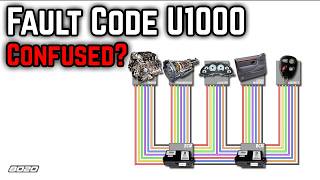
We Have This Part in Stock

The information in this article is provided for general reference and educational purposes only. Vehicle specifications, procedures, and part compatibility can vary by production date, trim level, and region. Always consult your vehicle's factory service manual and verify part numbers before purchasing or performing repairs. Safety-critical components such as airbags, seat belts, and braking systems should be installed by a qualified professional.
- Chevrolet Equinox:
- 🧭 Diagnostic Flowchart
- 🎬 Helpful Videos
- 🛍️ Shop This Part
- What's Unique About the 2005-2009 Chevrolet Equinox
- Symptoms You May Notice
- Most Likely Causes
- Rare But Worth Checking
- Diagnosis Steps
- Parts You'll Likely Need
- Related Codes That Often Appear With This One
- Technical Service Bulletins (TSBs) & Recalls
- Platform-Specific Known Issues
- Mechanic-Grade Diagnostic Values
- Scan Tool Commands That Help
- Wiring & Ground Locations
- Real Owner Repair Stories
- OEM Part Supersession History
- Model Year Variations Within This Range
- Other Known Issues on This Vehicle
- Used vs. New Parts: Buying Guide for This Vehicle
- Real Owner Stories
- 2005 Chevrolet Equinox
- 2006 Pontiac Torrent
- 2005 Chevrolet Equinox
- Related OBD-II Codes
- Frequently Asked Questions
- 🎟️ Get 5% Off