

U1000 on 2016-2021 Hyundai Tucson: Network Communication Failure Causes and Fixes
The U1000 code on a 2016-2021 Hyundai Tucson means there's a communication breakdown between the vehicle's computers. The most common causes are a weak battery, bad ground connections, or damaged wiring. Start by testing the battery and cleaning all major ground points before suspecting a faulty module like the ABS unit, which is a known issue on this platform.
- U1000 means there is a general communication failure on your Tucson's internal computer network.
- Always start diagnosis by testing the battery and cleaning the main ground connections. This fixes the issue a surprising amount of the time.
- Do not replace any expensive computer modules unless you have definitively proven they are the cause of the failure through systematic testing.
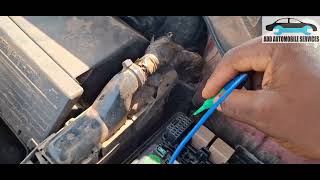
- Inspect wiring harnesses carefully, especially around the battery, for any signs of physical damage or corrosion.
- Due to the complexity, professional diagnosis is recommended if the battery and grounds are not the obvious cause.
What's Unique About the 2016-2021 Hyundai Tucson
For the third-generation (2016-2021) Tucson, the U1000 code does not point to a single, universally recognized design flaw but often stems from common electrical issues. However, this platform has a notable history of recalls and complaints related to the Anti-lock Brake (ABS) module's Hydraulic Electronic Control Unit (HECU), which can corrode internally, cause electrical shorts, and lead to communication failures or even engine compartment fires. This makes the ABS module a key area of suspicion when a U1000 code appears. Additionally, wiring harnesses routed near the battery tray have been identified in service bulletins for related models as susceptible to damage, which can also cause communication errors.
Symptoms You May Notice
- Check Engine Light is on
- Multiple warning lights on the dashboard (ABS, Traction Control, ESP) may illuminate simultaneously.
- Instrument cluster gauges (speedometer, tachometer) may stop working or behave erratically.
- Loss of function in electrical systems like power windows or radio.
- Engine may run poorly, hesitate, or stall in severe cases.
- Transmission may not shift correctly or may enter a 'limp mode'.
- Vehicle may intermittently fail to start or have a no-crank, no-start condition.
- Reverse camera display may go black.
- Replacing a control module (like the ECM or BCM) without first verifying that its power, ground, and network connections are intact. The problem is often in the wiring, not the module itself.
- Replacing the battery without testing the alternator, which may have failed and caused the battery to drain.
Most Likely Causes
- Weak or Failing Battery 🔴 High Probability → Shop Vehicle Battery Low voltage (below 10-11V) during startup or operation can disrupt communication between modules, causing temporary network faults. Hybrid models are noted in forums to have sensitive 12V systems that can cause various electronic glitches when battery charge is low.
How to confirm: Test the battery with a multimeter or a battery tester. A healthy battery should read approximately 12.6V with the engine off and 13.7V-14.7V with the engine running. Look for dim interior lights or rapid clicking on startup attempts.
Typical fix: Recharge or replace the vehicle's 12V battery.
Est. part cost: $150-$300 - Poor Ground Connections 🟡 Medium Probability Corrosion or looseness at main chassis, engine, or module ground points can create electrical resistance, leading to unpredictable communication errors across the CAN network. These are often overlooked and are a common cause of intermittent electronic issues, especially after collision repair or other service work.
How to confirm: Visually inspect the main ground straps from the battery to the chassis and from the engine to the chassis. Perform a voltage drop test on the ground side of the circuit; it should be less than 0.2V.
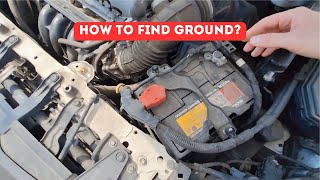
Typical fix: Remove, clean, and securely re-tighten all corroded or loose ground connections. This may involve sanding the connection point to bare metal. 🎬 Watch: How to diagnose and solve bad ground connection problems.
Est. part cost: $0-$10 - Damaged CAN Bus Wiring 🟡 Medium Probability Wiring harnesses can become chafed, corroded, or damaged by aftermarket installations or previous repairs. A TSB for a related model points to potential harness damage near the battery tray. Forum users have reported finding small cuts or breaks in wiring harnesses leading to PCM/BCM communication issues.
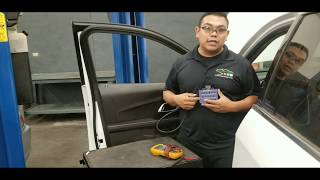
How to confirm: Visually inspect the wiring harnesses, especially around the battery, fuse box, and where they pass through the firewall. With the battery disconnected, use a multimeter to check for continuity on the CAN High and CAN Low wires and check for a total resistance of approximately 60 ohms across the two wires 🎬 See how to test a CAN bus network with a multimeter. at the OBD-II port.
Typical fix: Repair the damaged section of the wire. This involves soldering, heat-shrinking, and properly securing the harness.
Est. part cost: $5-$50 - Faulty ABS Module / HECU 🟡 Medium Probability → Shop ABS Control Module A widespread recall (NHTSA Campaign 195) affects 2016-2021 Tucsons. The Anti-lock Brake Hydraulic Electronic Control Unit (HECU) can corrode internally, causing an electrical short. This can lead to a U1000 code, loss of ABS/ESC function, and an increased risk of an engine compartment fire.
How to confirm: Use a professional scan tool to check for communication with the ABS module. If the module is offline and other modules are online, it is a strong indicator. Check if the vehicle is part of the recall. A visual inspection may reveal signs of corrosion or heat damage at the module.
Typical fix: The recall fix involves replacing the HECU fuse and, in some cases, updating software. If the module has already failed, it will need to be replaced, which requires programming by a dealer or qualified shop.
Est. part cost: $500-$1500+ - Faulty Control Module (Other) ⚪ Low Probability An internal failure in any module on the CAN network (e.g., ECM, BCM) can cause it to stop communicating or flood the network with bad data, bringing down the entire system.
How to confirm: This is an advanced diagnostic step. Use a scan tool to see which modules are not responding. Disconnect suspect modules one by one to see if communication is restored to the rest of the network.
Typical fix: Replace the faulty module. The new module will require programming by a dealer or a qualified shop with Hyundai-specific software.
Est. part cost: $300-$1500+
Rare But Worth Checking
- Aftermarket Accessories: Poorly installed remote starters, alarms, aftermarket radios, or telematics devices that are tapped into the CAN bus wiring can disrupt network communication and trigger a U1000 code.
- Corroded Under-Hood Fuse Box: In older Tucson models, corrosion within the main fuse box has been known to cause a crank-no-start condition by affecting the fuel pump relay. While less documented for the 2016+ generation, it remains a possibility in harsh climates.
Diagnosis Steps
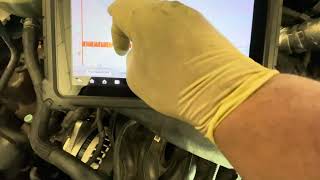
- Scan for All Codes: Use an OBD-II scanner to read all stored codes from all modules. Note any 'U01xx' codes, as they can point to the problematic area. Pay special attention to codes related to the ABS module.
- Check Battery Health: Test the battery voltage with the engine off (should be ~12.6V) and running (should be 13.7-14.7V). A weak battery is a very common cause. Clean any corrosion from the terminals.
- Check Recalls: Enter the vehicle's VIN on the NHTSA website to check for open recalls, especially NHTSA Campaign 195 related to the ABS HECU fire risk.
- Inspect Grounds: Visually inspect and physically check the main battery ground, engine-to-chassis ground, and any other visible ground points for tightness and corrosion. Clean and tighten as needed.
- Visual Wiring Inspection: Carefully inspect wiring harnesses for signs of damage, chafing, or corrosion, paying close attention to the area around the battery tray, fuse box, and the ABS module. Also check for any non-factory wiring from aftermarket accessories.
- Check CAN Bus Resistance: With the ignition off and battery disconnected, use a multimeter to measure the resistance between Pin 6 (CAN High) and Pin 14 (CAN Low) on the OBD-II port. A healthy network should read approximately 60 ohms. A reading of 120 ohms suggests a problem with a terminating resistor or a break in the wiring. A reading near 0 ohms indicates a short circuit.
- Isolate the Faulty Module (Advanced): If the steps above don't reveal the issue, the next step is to disconnect modules one by one (starting with the ABS module given its history) to see if network communication is restored. This is best done by a professional using a wiring diagram to identify module locations.
Parts You'll Likely Need
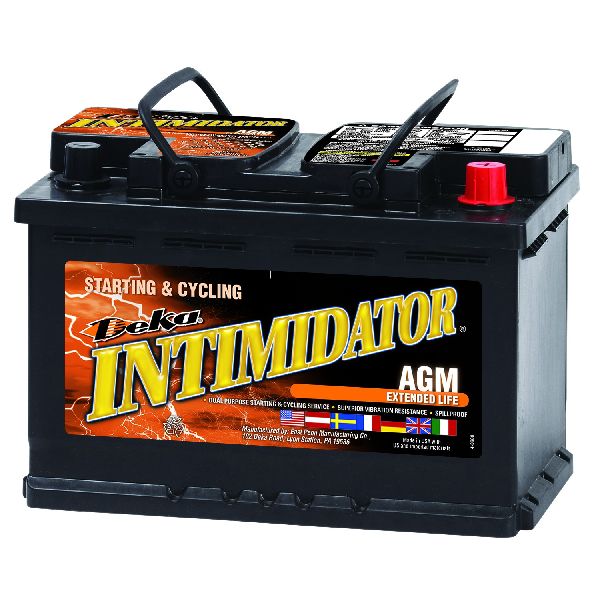
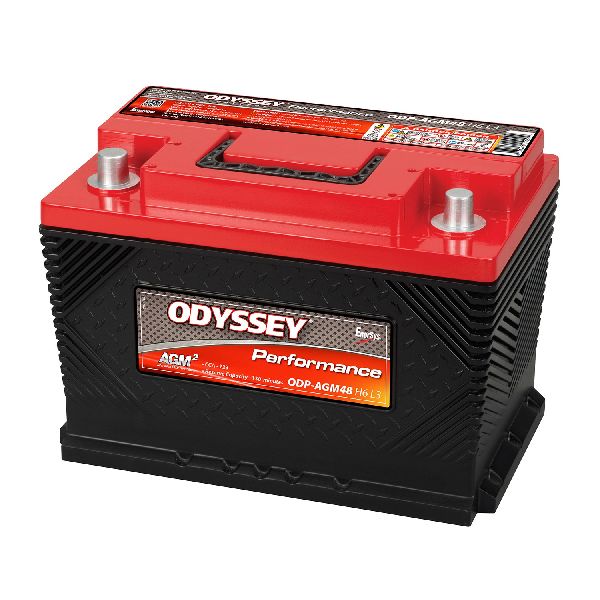
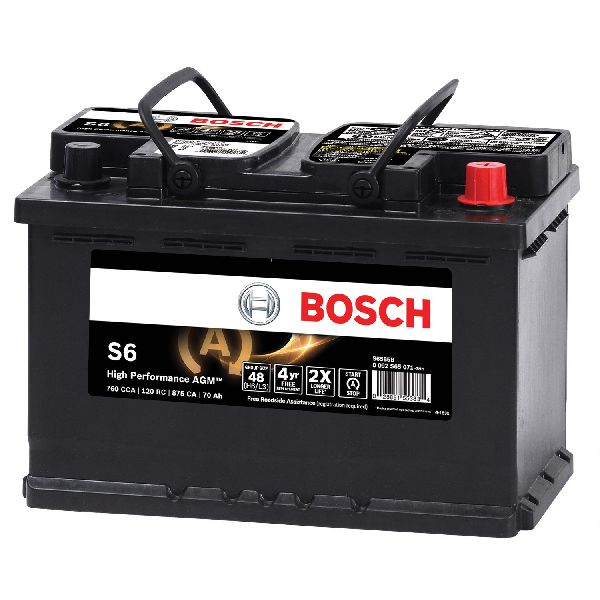
- 12V Battery — Low system voltage is a primary cause of network communication codes. An aging or weak battery is often the root cause.
Trusted brands: Bosch, Interstate, DieHard
OEM price range: $200-$350
Aftermarket price range: $150-$250
Related Codes That Often Appear With This One
- U01xx (e.g., U0100, U0101, U0121) — While U1000 is a general network failure, U01xx codes are more specific, indicating a loss of communication with a particular module (e.g., U0100 for the ECM, U0121 for the ABS module). These codes help pinpoint the source of the network problem.
- C2402 — This code, for 'Hydraulic Pump Motor', may be stored in conjunction with a U-code if the ABS module is failing.
- C1702 — This code for 'Variant Coding Error' will appear if a new or used ABS module is installed but not correctly programmed to the vehicle's VIN and specific options.
Technical Service Bulletins (TSBs) & Recalls
- TSB 19-AT-015H: While not for U1000, this TSB addresses various transmission solenoid DTCs for the 2016+ Tucson (TL) 2.0L, indicating a known area for electrical faults in the powertrain system.
- TSB 19-AT-016H: Supersedes a previous TSB for solenoid DTCs on newer generation valve bodies, relevant for some models in this year range.
- TSB 20-AT-014H: Details issues with the transmission fluid temperature sensor (P0711, P0712, P0713) on the 2.0L Tucson, another potential source of electrical codes.
Documented NHTSA Reports
While the following reports involve other manufacturers, they provide critical cross-platform insight into how the U1000 code manifests in modern electrical networks:
- ECM Communication Failures: NHTSA ODI #11489161 describes a scenario where multiple U1000 codes were stored due to no communication with the ECM, accompanied by a burning smell from the ECM connector and cooling fans running on high.
- TCM and Battery Tray Issues: In NHTSA ODI #11461728, an owner reported U1000 codes indicating lost communication with the TCM, noting that the module may overheat due to its location directly under the battery box.
- Network Jams: NHTSA ODI #11727548 describes a "systemic U1000 Electrical Network Jam" caused by unconfigured or obsolete telematics units, which resulted in critical failures such as disabled airbags.
- Instrument Cluster and BCM: NHTSA ODI #10970695 highlights a U1000 failure where the instrument cluster had no communication despite power and ground being present, requiring a BCM failure retest after cluster replacement.
- Battery Replacement Limitations: NHTSA ODI #11653700 notes an instance where an owner replaced the battery to resolve a U1000-01 communication circuit problem, but the vehicle still required a jump start, indicating the fault was deeper in the circuit.
Platform-Specific Known Issues
- ABS/HECU Module Fire Risk Recall: A significant recall (NHTSA #20V543000, Hyundai #195) was issued for 2016-2021 Tucsons because the Hydraulic Electronic Control Unit (HECU) of the ABS module can corrode and short circuit, potentially causing a fire even with the vehicle off. This failure can also manifest as a U1000 code. Owners were advised to park outside until the recall repair (fuse replacement and/or software update) was performed.
Mechanic-Grade Diagnostic Values
- CAN Bus Network Resistance — expected: Approximately 60 Ω (measured between Pin 6 and Pin 14 of the OBD-II port with battery disconnected).. Failure: A reading of ~120 Ω indicates a break in the circuit or a missing terminating resistor. A reading near 0 Ω indicates a short between the CAN High and CAN Low wires. A reading of ~40-45 Ω may indicate a third, unwanted terminating resistor is on the network, possibly from an aftermarket device.
- CAN Bus Voltage (Idle/Key On, Engine Off) — expected: CAN High (Pin 6) and CAN Low (Pin 14) should both read approximately 2.5V when measured to ground.. Failure: No voltage, or voltage stuck high or low on either line indicates a short to power or ground. If both lines are flat at 2.5V on an oscilloscope during communication attempts, it indicates a 'stuck idle' fault where no data is being transmitted.
- CAN Bus Voltage (Active Communication) — expected: Using an oscilloscope, CAN High should toggle between ~2.5V and ~3.5V. CAN Low should toggle between ~2.5V and ~1.5V. The two signals should be a mirror image of each other.. Failure: A flat line, missing signal on one wire, or distorted waveforms indicate a network problem, short, or faulty module/transceiver.
Scan Tool Commands That Help
- Hyundai GDS / Autel MaxiSYS / Launch X431: Variant Coding — This function is mandatory after replacing a major control module like the ABS or SRS unit. It writes the vehicle's specific configuration (VIN, options) to the module. Failure to perform this will result in a C1702 code and non-functional system.
- Hyundai GDS: Fault Code Searching (All Systems) — This function performs a comprehensive network sweep to see which modules are communicating and which are not. For a U1000 code, this is the first step to see which module is 'offline' and is the likely source of the network disruption.
- Hyundai GDS / High-End Aftermarket: ECU Information / Read Coding — Crucial step to perform on the OLD module *before* replacing it. This command reads the existing variant code (e.g., 'F201'), which must then be written to the replacement module.
Wiring & Ground Locations
- OBD-II Port — Under the driver's side dashboard, to the left of the steering column, typically exposed without needing to remove a panel.. This is the primary access point for network diagnostics. Pins 6 (CAN-H) and 14 (CAN-L) are used for resistance and voltage tests of the main C-CAN network.
- Engine Ground Strap — Connects the engine block to the vehicle chassis, often near the front of the engine bay or from the transmission to the frame rail.. A poor engine ground can cause voltage instability and electrical noise, disrupting communication between the ECM/TCM and other modules. OEM part numbers include 91860-D3510 and 91860-D3520.
- Transmission Ground Strap — Connects the transmission case to the vehicle chassis/frame rail.. Similar to the engine ground, this ensures a stable ground reference for the TCM and other sensors on the transmission. A known OEM part number is 91860-D3610.
- Battery Negative Ground — The main cable from the negative battery terminal to a stud on the vehicle's chassis/shock tower in the engine compartment.. This is the master ground for the entire vehicle's electrical system. Corrosion or looseness here is a primary cause of intermittent and widespread electrical faults, including U1000 codes.
- Interior Fuse Box / BCM — Located in the driver's side of the instrument panel, behind a cover.. This area houses the Body Control Module (BCM) and is a junction for the B-CAN (Body-CAN) network. A wiring diagram for a 2017 model shows C-CAN and B-CAN lines passing through connectors here, making it a key inspection point for connector or wiring issues.
Real Owner Repair Stories
- Reddit user on r/HyundaiTucson (2019 Hyundai Tucson) — Intermittent hard starting, followed by almost all warning lights illuminating (including collision avoidance and lane assist warnings). When the fault occurs, the tachometer does not work and the engine has low power. The car also stalls at stops. A battery discharge warning appears on the dash even while the engine is running.
❌ Tried (didn't work) Took it to the dealer, who claimed it was a loose battery terminal and tightened it; the problem returned the next day., Battery and alternator were tested at two different shops and both passed.
✅ What actually fixed it The user did not post a final resolution, but the symptoms strongly point to a classic CAN communication failure due to a compromised wiring harness or a poor ground connection, likely related to a previous collision repair where the front collision avoidance system was replaced. The fact that basic electrical checks (battery, alternator) passed while the issue persists is a hallmark of an intermittent wiring or ground fault.
OEM Part Supersession History
Varies by HECU→91KIT-D325AQQH or 91KIT-D330AQQH— These are not replacement HECU units, but rather fuse repair kits mandated by Recall 195 to mitigate fire risk from potential internal HECU shorts. The specific kit depends on the original HECU part number in the vehicle.
Heads up: The recall procedure also requires a software update for HECU part number 58920-D3530, but not for 58920-D3550 or 58920-D3100.
Model Year Variations Within This Range
- 2019-2021: The 2019 model year marked a mid-cycle refresh for the Tucson. While the core CAN architecture remained similar, changes to features like the infotainment system and advanced driver-assistance systems (ADAS) mean that module programming ('Variant Coding') is highly specific. When replacing a module, it is critical to use one from a donor vehicle with identical options or to ensure the scan tool can code it correctly for the post-facelift configuration.
- 2016-2021: The ABS/HECU recall (Campaign 195) fix varies based on the installed part. Vehicles with HECU P/N 58920-D3530 require both a fuse kit and an ESC software update. Vehicles with HECU P/Ns 58920-D3550 or 58920-D3100 only require the fuse kit installation.
Diagnostic Flowchart
Other Known Issues on This Vehicle
Issues unrelated to this code that are worth knowing about as an owner of this generation:
- Engine Failure (Theta II, Nu, Gamma engines) 🔴 High — Widespread across multiple model years and engine types (1.6T, 2.0L, 2.4L). Subject of multiple class-action lawsuits and recalls. Often presents as engine knocking, excessive oil consumption, stalling, and can lead to catastrophic failure. (Ref: Multiple recalls and warranty extensions (e.g., Hyundai Recall 195))
- 7-Speed Dual-Clutch Transmission (DCT) Problems 🟠 Medium → Shop Transmission Assembly — Common on 1.6L Turbo models. Owners report hesitation from a stop, jerky/rough shifting, and premature failure of clutch actuators. (Ref: Recall 16V628000 for some 2016 models for failure to move.)
- ABS Module / HECU Fire Risk 🔴 High → Shop ABS Control Module — Affects a large number of 2016-2021 models. Internal corrosion of the HECU can cause an electrical short, leading to a risk of fire even when the vehicle is parked. (Ref: NHTSA Campaign Number: 20V543000 (Hyundai Recall 195))
- Excessive Oil Consumption 🟠 Medium — Frequently reported by owners, often as a precursor to more serious engine problems. Requires frequent oil top-offs. (Ref: Related to engine failure recalls and warranty extensions.)
- Secondary Hood Latch Failure 🔴 High — A recall was issued for 2016 models because the secondary hood latch could fail, potentially allowing the hood to open while driving if the primary latch was released. (Ref: NHTSA Campaign Number: 16V348000)
Used vs. New Parts: Buying Guide for This Vehicle
When a used part is the smart pick: A used ABS/HECU module is a very sensible choice, as the cost is significantly lower than a new OEM part. However, it is absolutely NOT a plug-and-play repair. It only makes sense if you or your mechanic have access to a professional-grade scan tool capable of performing 'Variant Coding'.
Donor-vehicle mileage cap: roughly under 100000 miles for the part to have meaningful remaining life.
What to inspect on the donor part:
- Match the OEM part number on the module EXACTLY. There are multiple variations based on features (AWD, FWD, ADAS) and build location.
- Source the part from a vehicle that was not involved in a front-end collision to reduce the risk of internal damage.
- Visually inspect the electrical connector pins on the used module for any signs of corrosion, moisture, or physical damage before purchasing.
OEM-only on this vehicle (don't cheap out):
- While a used module is viable, it's recommended to use a new OEM fuse kit (e.g., 91KIT-D325AQQH) for the recall-related repair, as this is an inexpensive safety-critical part.
Aftermarket brands forum-validated for this vehicle:
- For scan tools capable of programming, Autel (MaxiSYS series) and Launch (X431 series) are frequently cited by independent shops as being able to perform the required 'Variant Coding' on used Hyundai/Kia modules.
Brands owners have reported issues with on this vehicle:
- Avoid generic, low-cost CANbus decoders for aftermarket accessories like LED lights or head units, as they often fail to properly communicate with the Tucson's BCM and can introduce network errors.
Real Owner Stories
Aggregated from forums and TSBs cited above. Mileages and costs reflect what owners reported in those sources.
2017 Hyundai Tucson 1.6T
Symptoms: Harsh DCT engagement and failed software updates; the issue became more frequent after replacing a weak battery.
What fixed it: The owner noted the sensitivity of the vehicle's electronics to battery health, though the specific resolution for the harsh engagement involved navigating failed software updates and battery replacement.
Source hint: Reddit r/MechanicAdvice
2016 Hyundai Tucson 1.6L DCT
Symptoms: Hesitation and shifting problems.
What fixed it: The owner discussed these symptoms in relation to TCM-affected network codes and DCT problems.
Source hint: Hyundai-Forums.com
2016-2021 Hyundai Tucson
Symptoms: Internal corrosion and electrical short in the Hydraulic Electronic Control Unit (HECU), leading to loss of ABS/ESC function and potential fire risk.
What fixed it: Replacing the HECU fuse and/or updating software as part of NHTSA Campaign 195.
Source hint: NHTSA Campaign 195
Related OBD-II Codes
Frequently Asked Questions
Is there a recall for my 2016-2021 Hyundai Tucson that could cause a U1000 code?
Why did my Tucson's reverse camera and dashboard lights fail at the same time as the U1000 code?
Can a weak 12V battery really cause a U1000 on a Tucson Hybrid?
My Tucson is having transmission shifting issues; could this be related to TSB 19-AT-015H?
How can I check if my Tucson's CAN bus wiring is damaged near the battery?
What is the recommended fix for the HECU fire risk recall?
Helpful Videos
We Have This Part in Stock


The information in this article is provided for general reference and educational purposes only. Vehicle specifications, procedures, and part compatibility can vary by production date, trim level, and region. Always consult your vehicle's factory service manual and verify part numbers before purchasing or performing repairs. Safety-critical components such as airbags, seat belts, and braking systems should be installed by a qualified professional.
- Hyundai Tucson:
- 🧭 Diagnostic Flowchart
- 🎬 Helpful Videos
- 🛍️ Shop This Part
- What's Unique About the 2016-2021 Hyundai Tucson
- Symptoms You May Notice
- Most Likely Causes
- Rare But Worth Checking
- Diagnosis Steps
- Parts You'll Likely Need
- Related Codes That Often Appear With This One
- Technical Service Bulletins (TSBs) & Recalls
- Documented NHTSA Reports
- Platform-Specific Known Issues
- Mechanic-Grade Diagnostic Values
- Scan Tool Commands That Help
- Wiring & Ground Locations
- Real Owner Repair Stories
- OEM Part Supersession History
- Model Year Variations Within This Range
- Other Known Issues on This Vehicle
- Used vs. New Parts: Buying Guide for This Vehicle
- Real Owner Stories
- 2017 Hyundai Tucson 1.6T
- 2016 Hyundai Tucson 1.6L DCT
- 2016-2021 Hyundai Tucson
- Related OBD-II Codes
- Frequently Asked Questions
- 🎟️ Get 5% Off