

U1000 on 2022 Nissan Pathfinder: CAN Communication Error Causes and Fixes
On a 2022 Nissan Pathfinder, code U1000 indicates a communication failure between the vehicle's computers. The most likely causes are a weak battery or poor ground connections, which should be checked before suspecting more expensive parts. This is a complex electrical issue that typically requires professional diagnosis. A temporary battery disconnect and reconnect has resolved the issue for some owners, suggesting a simple module reset can sometimes clear the fault.
- U1000 means there is a communication failure between computers on your Pathfinder; it is not a fault with a specific mechanical part.
- Always start your diagnosis by checking the battery and cleaning all major ground connections in the engine bay. This simple step fixes the problem in many cases.
- The module that stores the U1000 code is almost never the one that is broken.
- Do not replace expensive computers like the ECM or BCM unless a professional has confirmed they are the source of the failure after thorough network testing.
- Due to the complexity of CAN bus diagnostics, professional service is highly recommended to avoid expensive misdiagnosis.
What's Unique About the 2022-2022 Nissan Pathfinder
The 2022 Pathfinder is the first model year of the new R53 generation, which replaced the much-maligned CVT with a new 9-speed automatic transmission from ZF. While there are no specific recalls for U1000, this new generation has shown sensitivity to electrical issues, including no-start conditions and various system faults that can be linked to CAN communication. Nissan's own diagnostic TSBs for CAN communication (NTB10-066B and NTB13-027C) explicitly exclude 🎬 Watch: How to diagnose and fix Nissan U1000 codes the 2022 Pathfinder R53, suggesting its network architecture may differ from prior models, though the fundamental diagnostic principles of checking power and ground remain the same.
Symptoms You May Notice
- Check Engine Light or other warning lights (ABS, VDC, etc.) are illuminated
- Electrical glitches, such as infotainment or climate control issues
- Engine hesitation, stalling, or rough idle
- Failure to start, sometimes with multiple warning lights appearing on the dash.
- Auto Start/Stop system fault message displayed.
- Vehicle randomly shifts itself into Park.
- Gear position indicator (P, R, N, D) may not display on the instrument cluster.
- Replacing the first control module that reports the U1000 code. That module is usually the messenger, not the cause of the problem.
Most Likely Causes
- Low Battery Voltage or Failing Battery 🔴 High Probability → Shop Vehicle Battery Modern vehicles with many electronic modules are highly sensitive to voltage. A slight drop during startup or operation can cause modules to temporarily lose communication and trigger a U1000 code. Several 2022 Pathfinder owners have reported premature battery failure or resolution of complex electrical issues simply by replacing the battery or performing a battery reset.
How to confirm: Test the battery with a multimeter; it should read above 12.4V with the engine off. Use a load tester for a more accurate assessment of the battery's health. A reading below 11V when off is a strong indicator of a problem. Check the alternator output is between 13.5V and 14.5V with the engine running.
Typical fix: Recharge or replace the battery. Ensure battery terminals are clean and tight. In some cases, a simple battery disconnect for 20 seconds and reconnect can reset the modules and clear the fault.
Est. part cost: $150-$300 - Poor Ground Connections 🔴 High Probability Nissan technical service bulletins frequently cite poor or corroded ground connections as a root cause for U1000 codes across many models. These connections are essential for stable communication between modules. Common failure points on Nissans include the main battery-to-chassis ground and smaller straps from the engine/exhaust to the firewall.
How to confirm: Visually inspect the main ground straps from the battery to the chassis and from the chassis to the engine block. Look for corrosion, looseness, or fraying. A voltage drop test across the ground points can confirm high resistance. A technician would use a multimeter to measure resistance between the negative battery terminal and a clean chassis point; it should be less than 0.5 ohms.
Typical fix: Remove the ground connection, clean the contact points on the terminal and the chassis/engine to bare metal, and re-secure it tightly. Applying dielectric grease can prevent future corrosion. In some cases, the entire ground cable may need replacement.
Est. part cost: $0-$75 - Damaged Wiring Harness or Connectors 🟡 Medium Probability The CAN bus consists of a pair of twisted wires. If these wires are shorted together, shorted to ground, or cut, communication will fail. This can happen due to chafing against a bracket, rodent damage, or water intrusion into a connector.
How to confirm: This requires a detailed visual inspection of the wiring harnesses between modules. A technician would use a multimeter to check for continuity and for the correct resistance (approximately 60 ohms) across the CAN High and CAN Low pins at the DLC port with the battery disconnected.
Typical fix: Repair the damaged section of the wire or replace the affected connector. This is often labor-intensive.
Est. part cost: $10-$500
Rare But Worth Checking
- Faulty Control Module: While possible, a module failure (e.g., ECM, BCM, IPDM) is the least likely cause. All other possibilities, especially power and ground issues, must be ruled out first before condemning an expensive computer module. Manufacturer service bulletin TSB Bulletin #NTB10066A emphasizes that when a module reports a U1000 code, it is typically operating normally and simply reporting a communication loss.
- Faulty Intelligent Power Distribution Module (IPDM): → Shop Fuse Box On older Nissan platforms, the IPDM was a common failure point leading to U1000 codes. While less documented on the R53 Pathfinder, its role as a central power distributor makes it a potential, though rare, cause for network-wide communication failures. TSB Bulletin #NTB13023A notes that a faulty BCM can cause the IPDM IGN relay to turn on and off continuously while the brake and charge lamps blink, often accompanied by U1000.
Diagnosis Steps
- Use a high-quality OBD-II scanner that can read manufacturer-specific codes to check for any other DTCs in all vehicle modules.
- Check and record the battery's state of charge. A healthy battery should be at least 12.4 volts. Perform a load test on the battery.
- Inspect the battery terminals for corrosion and ensure they are tight.
- Visually inspect and physically check all major ground connections in the engine bay. Pay close attention to the battery-to-chassis and engine-to-chassis ground straps.
- If a no-start condition is present with many warning lights, attempt a simple reset by disconnecting the negative battery terminal for at least 20 seconds before reconnecting.
- If power and grounds are good, the next step is professional diagnosis. A technician will use a tool like Nissan's CONSULT to see which modules are not communicating on the network.
- The technician will then check the CAN bus wiring for correct resistance (around 60 ohms), shorts to power, or shorts to ground.
- Based on the network map and test results, the technician will isolate the faulty wire, connector, or, in rare cases, the control module itself.
Parts You'll Likely Need
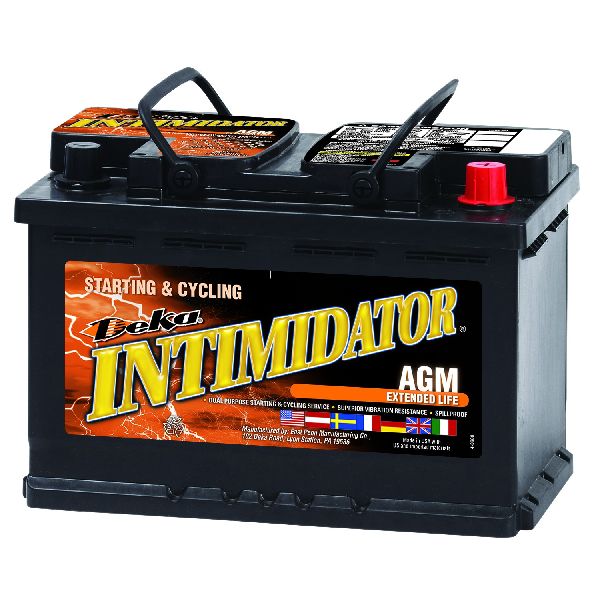
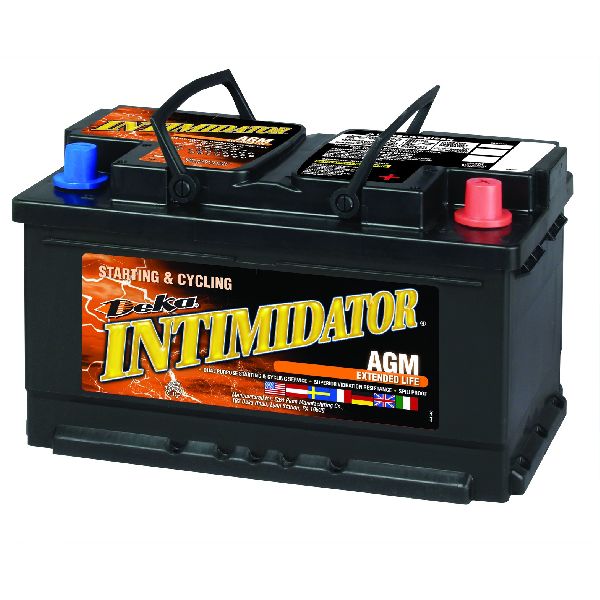
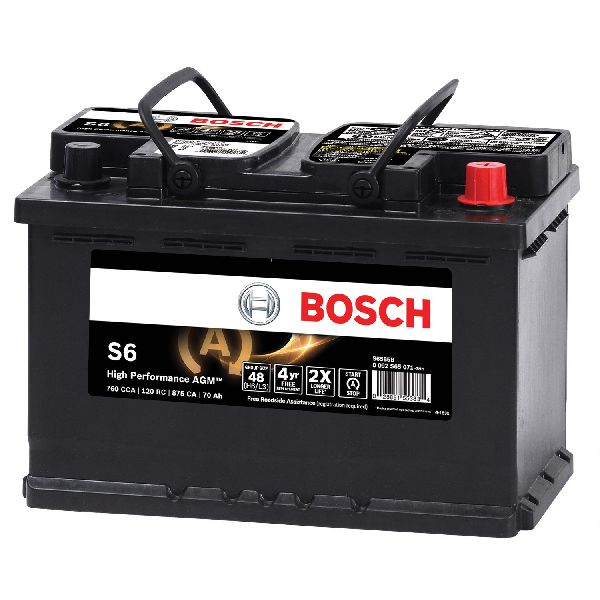
- Vehicle Battery — A weak or failing battery is one of the most common triggers for communication codes on modern Nissan vehicles. Several owners of 2022 models have reported premature battery failure.
Trusted brands: Interstate, DieHard, Nissan OE
OEM price range: $200-$350
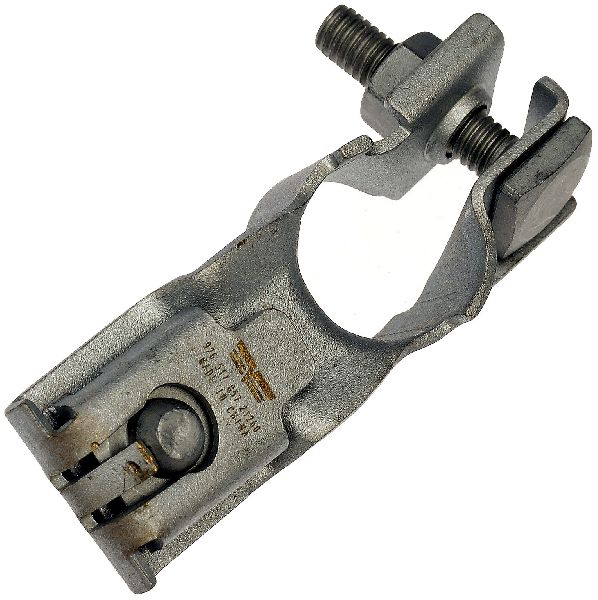
Aftermarket price range: $150-$250 - Ground Strap — Corrosion or breakage of a main ground strap can create high resistance, disrupting the entire electrical system and causing CAN communication faults. This is a classic Nissan failure point.
Trusted brands: Nissan OE
OEM price range: $25-$75
Aftermarket price range: $15-$50
Related Codes That Often Appear With This One
- U1001 — This code is also a CAN communication error and often appears alongside U1000, sometimes pointing more specifically to a primary module like the ECM being offline.
- Various B-codes, C-codes, or P-codes — When a specific module (like ABS, Body, or Transmission) goes offline, the main computer will log a U1000 code, and you may also see other codes related to the functions of the missing module. For example, a 'Start/Stop System Fault' is a common companion to electrical issues on this platform.
- P0805 — In one documented case for a "Start/Stop System Fault" on a 2022 Pathfinder, a dealer found DTC P0805 and performed a TCM update, suggesting a link between transmission control software and network stability.
Technical Service Bulletins (TSBs) & Recalls
- NTB21-074: Titled 'IDLE STOP / START SYSTEM FAULT ERROR MESSAGE 🎬 Watch: How to permanently disable the auto start/stop system', this TSB notes that a fault message can appear if the seatbelt status doesn't change over 10 consecutive drive cycles. The fix is to buckle/unbuckle the belt with the ignition on. While not directly a U1000 cause, it shows the sensitivity of the vehicle's monitoring systems.
- NTB22-069A: This TSB addresses misfire DTCs (P0300-P0306) that can be stored during a cold start. The fix is an ECM reprogram. This is relevant as spurious codes can sometimes accompany a U1000, and it highlights that software updates are a common fix for this platform.
- TSB Bulletin #NTB10066A: Provides service information for communication codes U1000, U1001, U1002, and U1010, advising technicians to always diagnose communication codes first.
- TSB Bulletin #NTB13023A: Describes a condition where the IPDM IGN relay may cycle on and off while the brake and charge lamps blink, potentially storing U1000; the recommended action is replacing the Body Control Module (BCM).
Platform-Specific Known Issues
- {'title': 'Reddit - /r/nissanpathfinder - "Auto stop/start system error" on 2022 Platinum', 'description': 'An owner experienced a no-start condition with multiple dashboard warnings, including "auto stop/start system error". After a trickle charge brought the battery to 12.66V, the issue persisted. The final fix was simply disconnecting the battery for 20 seconds and reconnecting it, which resolved all issues. This points to a module glitch that was cleared by a hard reset.', 'url': 'https://www.reddit.com/r/nissanpathfinder/comments/10k2p1z/auto_stopstart_system_error_on_2022_platinum/'}
- {'title': 'Reddit - /r/nissanpathfinder - Start/Stop System Fault', 'descr
Mechanic-Grade Diagnostic Values
- CAN Bus Resistance — expected: ~60 Ohms. Failure: A reading of ~120 Ohms indicates one of the two terminating resistors (or the module containing it) is offline. A reading near 0 Ohms indicates a short between the CAN High and CAN Low wires.
- CAN High Voltage to Ground (Key On, Engine Off) — expected: ~2.5V to 3.0V (typically ~2.7V). Failure: Significant deviation from this voltage, or 0V, indicates a short or open on the CAN High line.
- CAN Low Voltage to Ground (Key On, Engine Off) — expected: ~2.0V to 2.5V (typically ~2.3V). Failure: Significant deviation from this voltage, or 0V, indicates a short or open on the CAN Low line.
- Resistance from CAN High or CAN Low to Chassis Ground — expected: Mega-ohms or Open Circuit (OL). Failure: Low resistance (kilo-ohms or less) indicates a short to ground on the respective CAN line.
Scan Tool Commands That Help
- Nissan CONSULT-III plus: CAN Diagnosis (Sub) / CAN Diag Support Monitor — This is the primary professional diagnostic function to use after retrieving the U1000 code. It actively polls all modules on the network and displays a list of which ones are communicating and which are not. This is the fastest way to identify the specific module that has dropped off the network, guiding further diagnosis of that module's power, ground, and wiring.
Wiring & Ground Locations
- CAN Terminating Resistors — The CAN bus has two 120-ohm terminating resistors. On most modern Nissans, one is located inside the Engine Control Module (ECM) and the other is inside the Intelligent Power Distribution Module (IPDM) or Body Control Module (BCM).. If the CAN bus resistance measures 120 ohms instead of 60, it means one of these terminating modules is offline or the wiring to it is compromised. This is a critical diagnostic step to narrow down the search area.
- Main Chassis/Engine Grounds — Key ground points include the negative battery cable to the chassis, a braided strap from the engine block/cylinder head to the firewall, and various smaller ground points on the inner fenders in the engine bay.. Corrosion or looseness at these primary ground points creates voltage instability that can cause random modules to lose communication, triggering a U1000 code. This is a very common cause on Nissan vehicles.
- Trailer Tow Harness Connector — Underneath the vehicle on the passenger side, there is a factory-installed connector for the trailer tow harness.. Water intrusion into this connector or a fault within an aftermarket trailer light module plugged into it can short the CAN bus lines or introduce electrical noise, causing a U1000 code.
Real Owner Repair Stories
- Forum User Reports (2022 Nissan Pathfinder) — Multiple warning lights, Auto Start/Stop error, no-start condition.
❌ Tried (didn't work) Trickle charging the battery.
✅ What actually fixed it Disconnecting the negative battery terminal for 20-30 seconds and then reconnecting it. This performed a hard reset of all modules and cleared the communication glitch. - Forum User Reports (Modern Nissan vehicle with U1000) — Check engine light with U1000, trailer running lights not working.
❌ Tried (didn't work) Replacing fuses for trailer lights.
✅ What actually fixed it The fault was traced to a short circuit inside the trailer's 7-pin wiring junction box. This short was back-feeding into the vehicle's electrical system and disrupting the CAN network. Repairing the trailer wiring and replacing the blown vehicle fuse resolved the U1000 code. - Professional Technician Anecdote (Nissan Pathfinder (R53 generation implied)) — Persistent U1000 code, various electrical glitches.
❌ Tried (didn't work) Checking and cleaning all main power and ground connections., Verifying CAN bus resistance and voltages were correct., Disconnecting modules one-by-one to isolate the fault.
✅ What actually fixed it The Body Control Module (BCM) was identified as faulty using a Nissan CONSULT scan tool and was replaced. The new BCM required programming to the vehicle's anti-theft system before it would function. - NHTSA ODI #11341340 — An owner reported that their transmission began to slip and the vehicle would not start, showing engine code U1000. Despite replacing the starter, the issue persisted.
- NHTSA ODI #10583698 — A driver reported that their vehicle turned off and would not restart; diagnostic checks revealed codes U1000, U1001, and P0717.
- NHTSA ODI #10789140 — An owner experienced a situation where the vehicle was in motion and an OBD check later showed code U1000, indicating a Controller Area Network (CAN) communication line signal malfunction.
Diagnostic Flowchart
Other Known Issues on This Vehicle
Issues unrelated to this code that are worth knowing about as an owner of this generation:
- Hesitation or Jerky Shifting from 9-Speed Transmission 🟠 Medium → Shop Transmission Assembly — Common complaint among owners, especially in the first few model years. Often described as jerky or hesitant at low speeds. Some issues may be addressed by a TCM software update. (Ref: A TCM reprogram was noted to fix a P0805 code in one instance, but no widespread TSB for general shift quality is confirmed.)
- Auto Start/Stop System Faults or Annoying Behavior 🟡 Low — Frequently reported by owners. Can manifest as a 'System Fault' error, failure to operate, or a noticeable lurch when the engine restarts. Many owners choose to disable it at every startup. (Ref: NTB21-074 addresses a specific fault message trigger but not the general performance complaints.)
- Premature Battery Failure 🟠 Medium → Shop Vehicle Battery — Multiple owners of 2022 models have reported the original battery failing within 1-2 years, often causing a cascade of electrical warnings and no-start conditions.
- Gurgling/Leaking Moonroof Drains 🟡 Low — Owners report hearing a gurgling or dripping noise from the moonroof area during or after rain. This is due to an issue with the drain tube grommets. (Ref: NTB23-073)
- Infotainment System Glitches / Blank Rearview Camera 🟠 Medium — Complaints include system reboots, which can cause the rearview camera to go blank. This was widespread enough to trigger a recall. (Ref: Recall R22A5 / PC901 / PC902)
- Multiple Seat-Related Recalls 🔴 High — The 2022 model year had several recalls related to insufficient welds on seat frames and improper headrest assembly, which could increase injury risk in a crash. (Ref: Recalls PC844, PC845, PC846, PC847)
Used vs. New Parts: Buying Guide for This Vehicle
When a used part is the smart pick: For this repair, a used ground strap or a factory wiring harness pigtail/connector from a junkyard is a perfectly acceptable and cost-effective choice, provided it is clean, free of corrosion, and not brittle.
Donor-vehicle mileage cap: roughly under 80000 miles for the part to have meaningful remaining life.
What to inspect on the donor part:
- For ground straps, ensure the braided cable is fully intact with no broken strands and the eyelets are not corroded or bent.
- For connectors, inspect for any signs of water intrusion (green/white corrosion), bent pins, or cracked plastic housings.
- Avoid parts from vehicles with obvious signs of flood damage or fire.
OEM-only on this vehicle (don't cheap out):
- Body Control Module (BCM)
- Engine Control Module (ECM)
- Intelligent Power Distribution Module (IPDM)
Aftermarket brands forum-validated for this vehicle:
- For the battery, brands like Interstate, DieHard, and other reputable AGM battery manufacturers are considered reliable alternatives to OEM.
Brands owners have reported issues with on this vehicle:
- Avoid off-brand, no-name electronic modules or control units. They are highly likely to have compatibility issues.
- Be cautious with cheap aftermarket trailer wiring kits, as they can lack proper circuit protection and cause network interference.
Real Owner Stories
Aggregated from forums and TSBs cited above. Mileages and costs reflect what owners reported in those sources.
2022 Nissan Pathfinder Platinum
Symptoms: No-start condition with multiple dashboard warnings, specifically an 'auto stop/start system error' message. The battery was tested at 12.66V after a trickle charge, but the vehicle still would not start.
What fixed it: Disconnecting the negative battery terminal for 20 seconds and reconnecting it (hard reset).
Source hint: Reddit - /r/nissanpathfinder - "Auto stop/start system error" on 2022 Platinum
2022 Nissan Pathfinder
Symptoms: Vehicle randomly shifts itself into Park and displays multiple warning lights on the dash.
What fixed it: Replacing the battery or performing a battery reset, as the 2022 model is prone to premature battery failure causing module communication loss.
Source hint: Common Causes - Low Battery Voltage
Documented NHTSA Reports
Symptoms: A driver reported that their vehicle turned off and would not restart; diagnostic checks revealed codes U1000, U1001, and P0717 (NHTSA ODI #10583698). In another instance, an owner reported the transmission began to slip followed by a no-start condition with engine code U1000 (NHTSA ODI #11341340).
Related OBD-II Codes
Frequently Asked Questions
My 2022 Pathfinder is showing an 'Auto stop/start system error' and won't start. Is there a quick fix I can try before towing it?
Does TSB NTB21-074 explain why my 2022 Pathfinder has a Start/Stop system fault?
Could a failing battery cause my 2022 Pathfinder to randomly shift itself into Park?
What should the battery voltage be on my Pathfinder to avoid U1000 communication codes?
Is there a TSB for the jerky shifting I'm experiencing alongside these electrical codes?
Where are the common ground points that fail on the 2022 Pathfinder?
Helpful Videos

We Have This Part in Stock


The information in this article is provided for general reference and educational purposes only. Vehicle specifications, procedures, and part compatibility can vary by production date, trim level, and region. Always consult your vehicle's factory service manual and verify part numbers before purchasing or performing repairs. Safety-critical components such as airbags, seat belts, and braking systems should be installed by a qualified professional.
- Nissan Pathfinder:
- 🧭 Diagnostic Flowchart
- 🎬 Helpful Videos
- 🛍️ Shop This Part
- What's Unique About the 2022-2022 Nissan Pathfinder
- Symptoms You May Notice
- Most Likely Causes
- Rare But Worth Checking
- Diagnosis Steps
- Parts You'll Likely Need
- Related Codes That Often Appear With This One
- Technical Service Bulletins (TSBs) & Recalls
- Platform-Specific Known Issues
- Mechanic-Grade Diagnostic Values
- Scan Tool Commands That Help
- Wiring & Ground Locations
- Real Owner Repair Stories
- Other Known Issues on This Vehicle
- Used vs. New Parts: Buying Guide for This Vehicle
- Real Owner Stories
- 2022 Nissan Pathfinder Platinum
- 2022 Nissan Pathfinder
- Documented NHTSA Reports
- Related OBD-II Codes
- Frequently Asked Questions
- 🎟️ Get 5% Off