

U3000 on 2011-2018 Porsche Cayenne: Control Module Fault Causes and Fixes
On a 2011-2018 Porsche Cayenne, code U3000 is a generic 'Control Module Failure' code. The most common causes are a weak battery or water damage to a control module, particularly the KESSY module under the driver's seat. Diagnosis requires a professional scan tool to identify the specific faulty module.
- U3000 is a generic code; you MUST use a Porsche-specific scanner to find out which module is at fault.
- Before any complex diagnostics, fully charge and load test the battery. A weak battery is the most likely culprit.
- Thoroughly check for water ingress under the front carpets and near the fuse boxes. Clogged drains are a common cause of expensive electronic failures on the Cayenne.
- Do not replace modules without professional diagnosis. All modules require programming to the vehicle, making this a poor DIY task.
What's Unique About the 2011-2018 Porsche Cayenne
The 2011-2018 Cayenne (E2/958 generation) is a complex vehicle with dozens of interconnected electronic modules. While the U3000 code itself is generic, this platform is particularly susceptible to two issues that commonly trigger it: low battery voltage causing widespread communication errors, and water ingress. Clogged cowl, sunroof, or AC evaporator drains can allow water to enter the cabin and damage sensitive, low-mounted electronics like the KESSY (keyless entry) module under the driver's seat or the Rear BCM in the rear footwell, which are frequent culprits for network-related faults on this vehicle.
Generation note: The 2011-2018 model years cover the entire second generation of the Cayenne (Type 958, or E2). This includes the 2015 facelift (E2 II). The common causes, particularly water ingress and battery sensitivity, are relevant across this entire generation.
Symptoms You May Notice
- Multiple, seemingly unrelated warning lights on the dashboard (e.g., 'PSM Failure', 'ABS Failure', 'Brake Distribution Failure', 'Chassis System Failure').
- Features controlled by a specific module stop working (e.g., power windows, central locking, wipers, interior lights).
- Vehicle will not start (no-crank condition), sometimes accompanied by an 'Immobiliser Activated' message.
- Instrument cluster is dead or unresponsive.
- Keyless entry and start (KESSY) system is inoperative or works intermittently.
- AC system may fail to cool properly.
- Vehicle may enter a reduced-power "limp mode".
- Replacing a single component (like an ABS sensor) just because its warning light is on, without first confirming that the module itself is powered, grounded, and communicating.
- Assuming a module is bad when the root cause is a corroded ground wire or a weak battery.
Most Likely Causes
- Weak or Failing Main Battery 🔴 High Probability → Shop Vehicle Battery Cayennes have a high electrical demand, and a battery with low voltage (especially during cranking) can cause modules to drop off the network and set communication faults. This is often the first thing to check, as many owners report a host of electrical issues that are resolved with a new battery.
How to confirm: Perform a load test on the battery located under the driver's seat. A simple voltage check is often not sufficient. Voltage dropping below 11V during cranking is a red flag. The battery requires an M10 Triple Square bit to unbolt the seat. 🎬 Watch: Step-by-step guide to replacing your Cayenne battery.
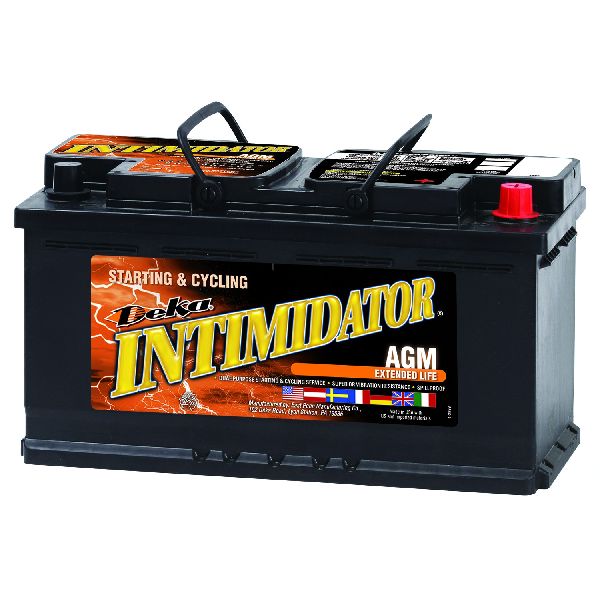
Typical fix: Replace the main vehicle battery (AGM Type H8 or H9 are common) and register the new battery with the vehicle's gateway module using a capable scan tool like PIWIS or an Autel device. Failure to register the new battery can lead to premature battery failure.
Est. part cost: $250-$450 - Water Damage to KESSY Module 🟡 Medium Probability The KESSY (Keyless Entry & Start System) module is located in a vulnerable position under the driver's seat carpet. Clogged sunroof or cowl drains are a well-documented issue that causes water to pool in this area, damaging the module and its connectors.
How to confirm: Peel back the carpet on the driver's side floor and inspect the KESSY module and surrounding area for any signs of moisture, corrosion, or a white/green powdery residue on the connectors. The carpet and underlying foam may be soaked.
Typical fix: If water damage is found, the module and its connectors will likely need to be replaced. The new module must be programmed to the vehicle by a dealer or specialist due to 'Component Protection'. In some cases, a skilled electronics technician can repair the board or clone the data to a used module.
Est. part cost: $400-$700 - Water Damage to Wiring or Body Control Module (BCM) 🟡 Medium Probability → Shop Body Control Module A known issue on Cayennes involves water leaking from a disconnected washer fluid line or clogged drains near the A-pillar, dripping onto wiring harnesses and the BCM in the footwell. Additionally, clogged rear sunroof drains can cause the rear BCM (located in the rear passenger side cargo area) to flood.
How to confirm: Inspect the driver's and passenger's side footwell areas, behind the trim panels, for signs of moisture or corrosion on wiring harnesses and the Body Control Module. Check the spare tire well and right rear cargo area for water, which can indicate a flooded rear BCM.
Typical fix: Repair the source of the leak (e.g., clear drains, fix washer line). Damaged wiring sections must be repaired or replaced. 🎬 Watch: How to repair wire harness corrosion from water intrusion. A water-damaged BCM will need replacement and programming.
Est. part cost: $50-$600 - Gateway Module Failure ⚪ Low Probability The gateway is the central router for all network communication. While robust, an internal failure can bring down communication between multiple systems, causing a cascade of faults.
How to confirm: This is difficult to confirm without a Porsche-specific scan tool. If the scan tool cannot communicate with most modules, the gateway itself is a primary suspect. Check relevant fuses in the dashboard fuse panels.
Typical fix: Replace the gateway module, which is located behind the dashboard, and have it programmed by a professional with PIWIS and PPN access.
Est. part cost: $300-$500
Rare But Worth Checking
- Faulty Alternator:
- Electronic Power Steering (EPS) Faults: While more common in other manufacturers, NHTSA ODI Investigation #PE14030 notes that U3000 (with various sub-faults like -46, -49, or -61) can be stored in the event of an electric power steering system failure, which may require replacement of the steering assembly.
Diagnosis Steps
- Fully charge and load test the vehicle's main battery. A weak battery is the #1 cause of random electronic faults. Do not skip this step.
- Using a Porsche-specific scan tool (like PIWIS, Autel, or iCarsoft for Porsche), perform a full system scan to identify which specific control module has logged the U3000 fault.
- Check for any recalls or Technical Service Bulletins (TSBs) related to software updates for the identified module. Many communication issues can be resolved with a reflash.
- Inspect the vehicle for signs of water ingress, especially under the front seats, in the footwells, and in the spare tire well. Proactively clean all sunroof, cowl, and AC evaporator drains. 🎬 See how to clear every water drain port on your Cayenne.
- Locate the module identified in the scan. Visually inspect the module and its electrical connectors for corrosion, bent pins, or physical damage.
- Check all relevant fuses for the affected module in the fuse boxes located on both sides of the dashboard and potentially in the cargo area.
- If no physical damage is found, a technician will need to perform advanced diagnostics, such as checking for power, ground, and CAN bus signal integrity at the module's connector using a multimeter or oscilloscope.
- If the module has power and ground, and the network wiring is intact, the module itself has likely failed internally and requires replacement and programming.
Parts You'll Likely Need
- Main Battery (AGM)
(OEM #7P0915105D (105Ah))— A weak battery is the most common trigger for miscellaneous communication faults on this platform.
Trusted brands: Varta, Bosch, Interstate, Duralast Platinum
OEM price range: $350-$500
Aftermarket price range: $250-$400 - KESSY (Keyless Entry) Control Module
(OEM #7P0907064 (various suffixes))— Frequently damaged by water due to its location under the driver's seat carpet.
Trusted brands: OEM Porsche
OEM price range: $400-$700 - Gateway Control Module
(OEM #7P0907530 (various suffixes))— As the central communication hub, its failure can cause widespread issues.
Trusted brands: OEM Porsche
OEM price range: $300-$500
Related Codes That Often Appear With This One
- Multiple U-codes — If the gateway module is failing or there is a major network wiring issue, many modules may report a loss of communication simultaneously.
- Various B- and C-codes — Faults in body (B-codes) or chassis (C-codes) modules are often the root cause that leads to the generic U3000 code being set.
- 00003 - Control Module — This is a VAG-specific fault code often read by tools like VCDS or Autel that corresponds to the generic U3000, indicating an electrical fault in a circuit.
Platform-Specific Known Issues
- Clogged sunroof drains or windshield cowl drains are a well-documented problem that leads to water entering the cabin and damaging electronics located on the floor.
- The KESSY keyless entry module is located under the driver's seat, making it extremely vulnerable to water damage from clogged drains or spills.
- Clogged AC evaporator drains can also cause water to leak into the passenger footwell.
Mechanic-Grade Diagnostic Values
- CAN Bus Line Voltage (Key On, Engine Off) — expected: CAN High: ~2.7V, CAN Low: ~2.3V. The sum of both lines should be ~5.0V.. Failure: CAN High shorted to ground will be near 0V. CAN Low shorted to power will be near 5V. A short between the two lines will cause both to read ~2.5V.
- CAN Bus Termination Resistance — expected: ~60 Ohms. Failure: A reading of ~120 Ohms indicates one of the two terminating resistors (often in the Gateway and Instrument Cluster) is offline. A reading near 0 Ohms indicates a short circuit between the CAN lines.
- Engine to Chassis Ground Strap Resistance — expected: 0.0 - 0.2 Ohms. Failure: Any reading higher than 0.2 Ohms indicates excessive resistance from corrosion or a loose connection, which can cause intermittent module communication errors.
Scan Tool Commands That Help
- PIWIS (Porsche Integrated Workshop Information System): Control module replacement — When replacing a major control module like the Gateway, KESSY, or BCM. The PIWIS tester, with an active PPN (Porsche Partner Network) online connection, is required to remove 'Component Protection' and code the new or used module to the vehicle's specific configuration.
- PIWIS: Guided Fault Finding — After retrieving the U3000 code, this function guides the technician through a logical test plan to isolate the fault, prompting checks of specific fuses, connectors, and wiring based on which module set the code.
- Abrites (PO009 License): Module Adaptation / Cloning — As an alternative to the dealer's PIWIS online system, tools like Abrites can be used by independent specialists to clone the data from a faulty module (like an ECU or BCM) to a used donor module, bypassing Component Protection.
Wiring & Ground Locations
- Main Engine Ground Strap — In the engine bay, connecting the engine block to the strut tower on the passenger side.. Corrosion on this primary ground can cause high resistance, leading to intermittent power and communication issues for multiple modules, triggering a U3000 code.
- Chassis to Engine Ground Strap — Underneath the vehicle in the front right corner, connecting the chassis frame to the bottom of the engine.. Similar to the main engine ground, a poor connection here can cause a host of electrical gremlins and communication faults across the vehicle's networks.
- Driver's Footwell Ground Point — Located under the dashboard near the steering column, above the hood release lever.. This is a critical ground point for several interior modules. It is also in an area susceptible to water damage from cowl or A-pillar leaks, making it a prime suspect for corrosion-induced faults.
- Rear BCM Location — In the rear cargo area, on the passenger side, behind the trim panels. It is often the lower of two modules stacked together.. This location is highly vulnerable to water damage from clogged rear sunroof drains, a common cause of failure for this module.
Real Owner Repair Stories
- Rennlist Forum User (Porsche Cayenne (958 generation, year not specified)) — Vehicle ran for a few seconds then shut off with 'System Fault' on the dash. iCarsoft scanner showed 'No Communication with rear-end electronic control unit'. Rear right footwell and spare tire well were full of water.
❌ Tried (didn't work) Replacing the main battery.
✅ What actually fixed it The root cause was a blocked rear panoramic sunroof drain, which caused water to flood the rear cargo area and destroy the Rear BCM. The fix required replacing the Rear BCM and clearing the blocked drain tube to prevent recurrence. The user noted the smell of burnt electronics from the old module.
Model Year Variations Within This Range
- 2015-2018 (958.2 Facelift): The facelifted models introduced a twin-turbo 3.6L V6 to replace the naturally aspirated 4.8L V8 in the Cayenne S and GTS trims. A plug-in E-Hybrid model was also introduced, replacing the earlier conventional hybrid. The PCM infotainment system was updated to version 4.0 starting in 2017. While the core electronic architecture and vulnerability to water ingress remain similar, these powertrain and infotainment changes mean some control modules and software versions differ from the 958.1 models.
Diagnostic Flowchart
Other Known Issues on This Vehicle
Issues unrelated to this code that are worth knowing about as an owner of this generation:
- Transfer Case Failure 🔴 High → Shop Transfer Case Motor — Very common, especially on S, GTS, and Turbo models. Symptoms (shuddering on light acceleration) can appear as early as 20,000-40,000 miles. Porsche issued an extended warranty. (Ref: Extended Warranty (not a formal TSB/Recall))
- Camshaft Adjuster Bolt Shearing (V8) 🔴 High — Primarily affects 2011-2012 V8 models (S and Turbo). Aluminum bolts can shear, potentially causing catastrophic engine damage. (Ref: Porsche Campaign WC-22 / AH08)
- Coolant Pipe & Thermostat Housing Leaks (V8) 🟠 Medium — Common on V8 models. Adhesive on plastic coolant pipes and seals on the thermostat housing can fail over time, causing leaks in the engine 'V' or at the rear of the engine.
- Timing Chain Cover Oil Leak 🟠 Medium — A common oil leak that requires significant labor to fix as the engine may need to be removed to properly reseal the timing cover.
- Air Suspension Failures 🟠 Medium — Air struts develop slow leaks over time, causing one corner to sag overnight. Ignoring the leak will burn out the air compressor. Common after 80,000 miles.
- High-Pressure Fuel Pump (HPFP) Failure 🟠 Medium — Common failure point around 80,000-100,000 miles on direct-injection engines, causing long cranks or stumbling under acceleration.
Used vs. New Parts: Buying Guide for This Vehicle
When a used part is the smart pick: A used control module (KESSY, BCM, Gateway) can be a cost-effective option IF you have access to a specialist with the tools and expertise to handle 'Component Protection'. Services exist that can clone the data from your original water-damaged module to a compatible used part, making it plug-and-play. This avoids expensive dealer programming.
Donor-vehicle mileage cap: roughly under 120000 miles for the part to have meaningful remaining life.
What to inspect on the donor part:
- Verify the part number on the used module exactly matches the original. Suffixes can matter.
- Source parts from a reputable dismantler that guarantees the part is functional.
- Inspect the donor part's connectors for any signs of corrosion, bent pins, or previous water exposure.
- For UK buyers, proof of purchase for used modules may be required by programmers for security reasons.
OEM-only on this vehicle (don't cheap out):
- KESSY Module
- Gateway Module
- Body Control Modules (Front/Rear)
Aftermarket brands forum-validated for this vehicle:
- For electronic control modules, there are no reliable aftermarket alternatives. The choice is between new OEM or a properly programmed/cloned used OEM part.
Brands owners have reported issues with on this vehicle:
- Avoid any non-OEM electronic control modules, as they will not integrate with the vehicle's complex network and security systems.
Real Owner Stories
Aggregated from forums and TSBs cited above. Mileages and costs reflect what owners reported in those sources.
2011-2018 Porsche Cayenne (958)
Symptoms: Water-damaged Rear BCM due to blocked panoramic roof drains, leading to a 'System Fault' message and no-start condition.
What fixed it: Replacement of the Rear BCM after clearing blocked panoramic roof drains.
Source hint: Rennlist.com thread titled 'Rear BCM blown after pan roof drains blocked'
Porsche Cayenne (955/957)
Symptoms: KESSY module fault (code 00003) after a dead battery.
What fixed it: Replacing MOSFETs and resistors on the KESSY module's circuit board.
Source hint: 6SpeedOnline thread titled 'KESSY Successy'
2011-2018 Porsche Cayenne (958)
Symptoms: Water leak inside the passenger footwell.
What fixed it: Clearing clogged AC or sunroof drains.
Source hint: Reddit.com thread 'Water leak inside Porsche Cayenne 958'
Related OBD-II Codes
Frequently Asked Questions
Why is my 2011-2018 Cayenne showing 'PSM Failure' and 'ABS Failure' at the same time?
Where is the battery located on my Cayenne, and what tools do I need to check it?
My keyless entry (KESSY) stopped working and the carpet is damp. What is the likely cause?
Do I need to do anything special after replacing the battery to clear electronic faults?
Can a clogged AC drain cause U3000 or other module communication errors?
Is there a known issue with the rear cargo area electronics on the 958 Cayenne?
Helpful Videos



Used OEM Parts in Stock
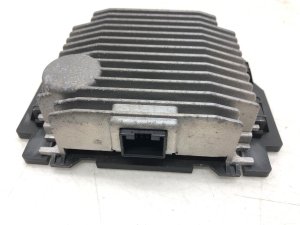
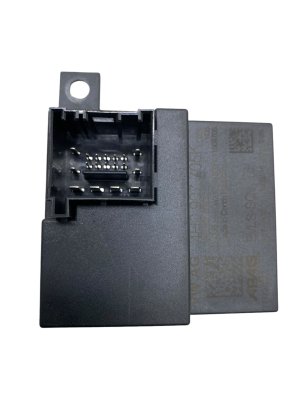
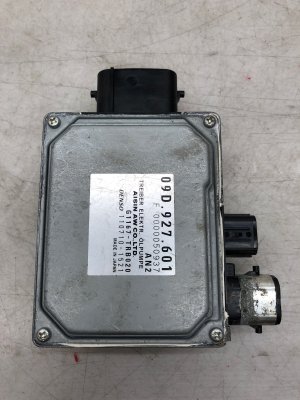
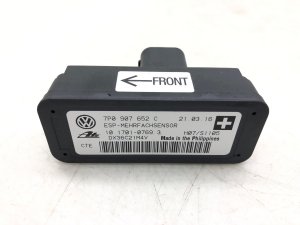
New Aftermarket Parts Available


The information in this article is provided for general reference and educational purposes only. Vehicle specifications, procedures, and part compatibility can vary by production date, trim level, and region. Always consult your vehicle's factory service manual and verify part numbers before purchasing or performing repairs. Safety-critical components such as airbags, seat belts, and braking systems should be installed by a qualified professional.
- Porsche Cayenne:
- 🧭 Diagnostic Flowchart
- 🎬 Helpful Videos
- 🛍️ Shop This Part
- What's Unique About the 2011-2018 Porsche Cayenne
- Symptoms You May Notice
- Most Likely Causes
- Rare But Worth Checking
- Diagnosis Steps
- Parts You'll Likely Need
- Related Codes That Often Appear With This One
- Platform-Specific Known Issues
- Mechanic-Grade Diagnostic Values
- Scan Tool Commands That Help
- Wiring & Ground Locations
- Real Owner Repair Stories
- Model Year Variations Within This Range
- Other Known Issues on This Vehicle
- Used vs. New Parts: Buying Guide for This Vehicle
- Real Owner Stories
- 2011-2018 Porsche Cayenne (958)
- Porsche Cayenne (955/957)
- 2011-2018 Porsche Cayenne (958)
- Related OBD-II Codes
- Frequently Asked Questions
- 🎟️ Get 5% Off