

A Comprehensive Guide to Spark Plugs for the 1950-1969 Mercury Monterey
Keep your classic Monterey's engine firing on all cylinders with the correct set of new spark plugs.
- Verify the correct spark plug for your specific engine and year, as the Monterey used many different engines from 1950-1969.
- Autolite and Motorcraft are considered the standard for reliability and are historically linked to Ford.
- NGK is a highly-regarded modern alternative known for quality and resisting fuel fouling.
- Always check and set the spark plug gap before installation; .035 inches is a common setting for these vehicles.
Symptoms of Failing Spark Plugs
Worn-out spark plugs can cause noticeable problems in your Monterey. Because these classic cars provide more direct feedback to the driver, you'll likely feel and hear when something is wrong. Common signs include:
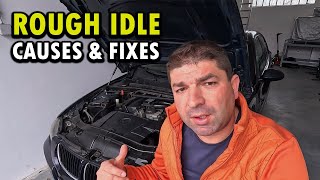
- Rough Idle: The engine may shake or sound uneven when the car is stopped. 🎬 Watch: How to fix engine idle problems in your car
- Engine Misfires: You might feel a hesitation or stumble from the engine, especially when accelerating. This happens when a plug fails to ignite the fuel in its cylinder.
- Trouble Starting: Weak plugs have a hard time creating the initial spark needed to start the engine, leading to long cranking times.
- Poor Acceleration: If your Monterey feels sluggish or has lost its get-up-and-go, fouled plugs could be the cause.
- Reduced Fuel Economy: When plugs don't fire efficiently, your engine wastes fuel, and you'll notice you're filling up more often.
A Note on Engine Codes
The 1950-1969 Mercury Monterey was built before the era of computerized engine diagnostics. This means it does not have an On-Board Diagnostics (OBD) port and will not display trouble codes (like P0301 for a misfire) like modern cars do.
Choosing the Right Aftermarket Spark Plug
For a classic vehicle like the Monterey, the line between "OEM" and "aftermarket" can be blurry. Ford purchased the Autolite brand in 1961 and later created Motorcraft in the early 1970s. Champion was also a common original equipment supplier during this period. Your choice depends on whether you prioritize period-correct appearance, modern reliability, or price.
Brand Tiers for Your Monterey
Tier 1: OEM-Style / Standard Replacement
- Autolite / Motorcraft: These are the go-to brands for most classic Ford and Mercury owners. Autolite is often considered the most "period-correct" choice for cars from the 1960s. Both brands are known for their reliability and consistent quality.
Tier 2: High-Quality Modern Alternative
- NGK: Many classic car enthusiasts have switched to NGK plugs. Forum discussions frequently praise them for high quality and for being more resistant to fouling, especially when using modern fuels in older engines.
Tier 3: Economy / Traditional Choice
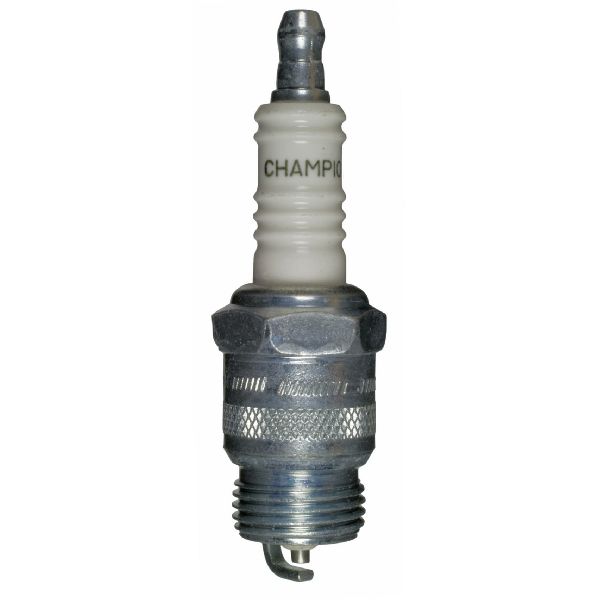
- Champion: While Champion was original equipment on many classic cars, including early Fords, many owners have reported issues with the quality of modern Champion plugs. Some users still use them without issue, but reports of receiving bad plugs out of the box are common in forums.
Performance Brands
- MSD: If your Monterey has a modified, high-performance ignition system, a brand like MSD might be recommended by your engine builder. For stock or mildly modified engines, they are generally not necessary.
Check Your Engine
The 1950-1969 Monterey was available with many different engines, including the Flathead V8, 223 I-6, 292 Y-Block, 390 FE, and 429 V8. The exact spark plug part number you need will change depending on the engine and year. Always verify the correct plug for your specific application.
🎬 See a full tune-up on a classic Mercury 390 engineAftermarket Spark Plug Cost for 1950-1969 Mercury Monterey
| Category | Price Range (Per Plug) |
|---|---|
| Standard Replacement (Autolite, NGK) | $3.70 - $7.00 |
| Performance / Premium (MSD, Iridium) | $8.00 - $14.32 |
Frequently Asked Questions
How often should I change the spark plugs on my classic Monterey?
For these classic engines with standard copper-core spark plugs, a good interval is every 10,000 to 20,000 miles or every few years, whichever comes first. Unlike modern cars that can go 100,000 miles, older ignition systems and richer fuel mixtures cause plugs to wear and foul more quickly.
What is the correct spark plug gap for my Monterey?
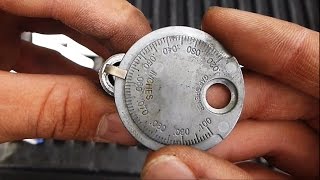
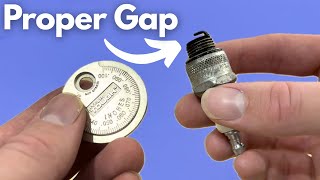
The most common spark plug gap for these engines is .035 inches when using a standard points-style ignition. However, you should always verify the correct specification for your car's year and engine, as it can vary. Using a gapping tool to set this gap is a critical step for proper performance.
🎬 Watch: How to gap spark plugs for the best performanceCan I use modern platinum or iridium spark plugs?
Yes, you can use them, and they will work. The main benefit of platinum and iridium plugs is their long service life in modern high-energy ignition systems. In a classic car with a standard ignition, you won't see a major performance gain, and the extra cost may not be justified since you'll likely change them sooner due to fuel or oil fouling. Sticking with quality copper plugs is often the most cost-effective choice.
What's the difference between Autolite and Motorcraft?
Ford owned the Autolite brand from 1961 to 1973. After being forced to sell it, Ford created Motorcraft as its in-house parts brand. For a 1961-1969 Monterey, an Autolite plug is technically more "period correct," but both are considered excellent, Ford-approved choices.
Helpful Videos



Technical Specifications
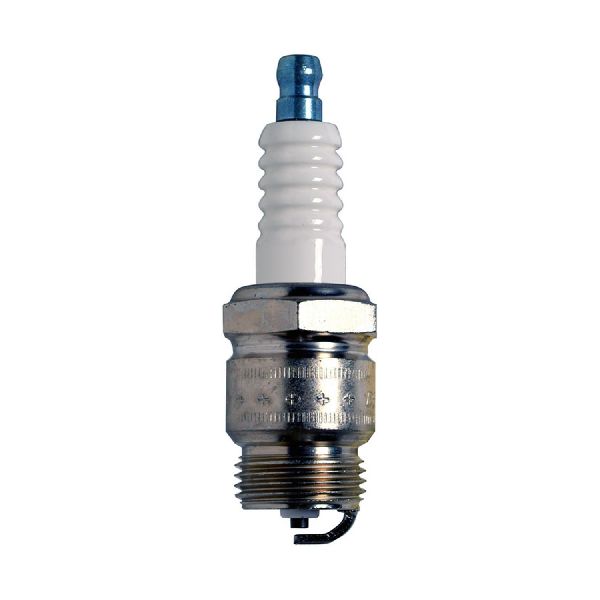
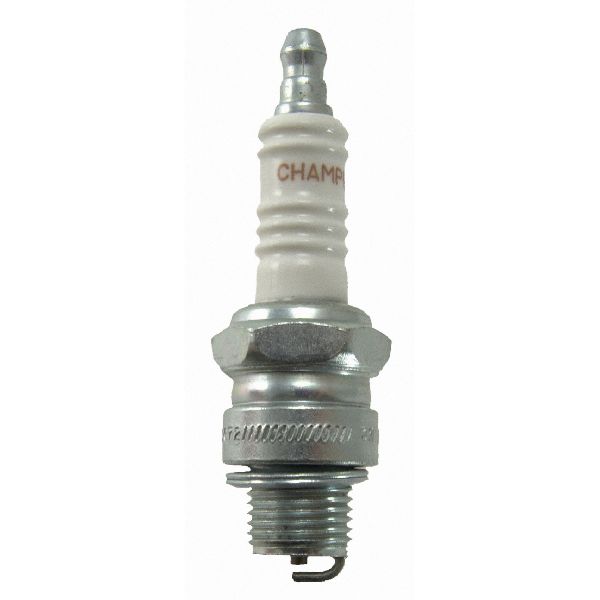
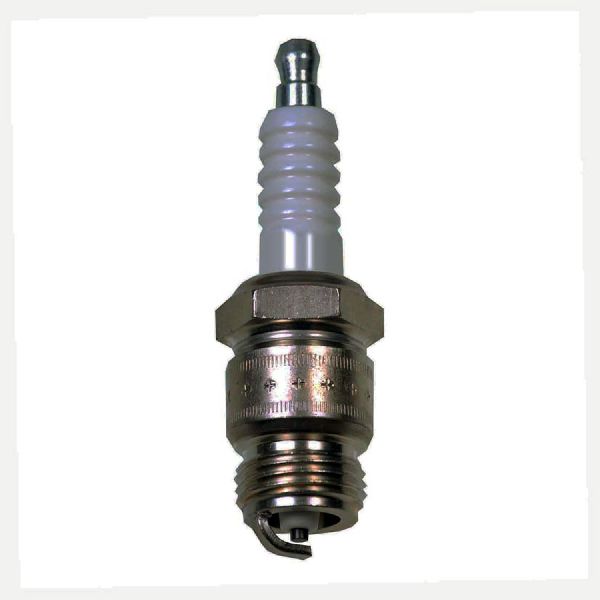
OEM Part Numbers: B7A-12405-A Autolite 216 Autolite 45 Champion H10C Motorcraft BSF42C
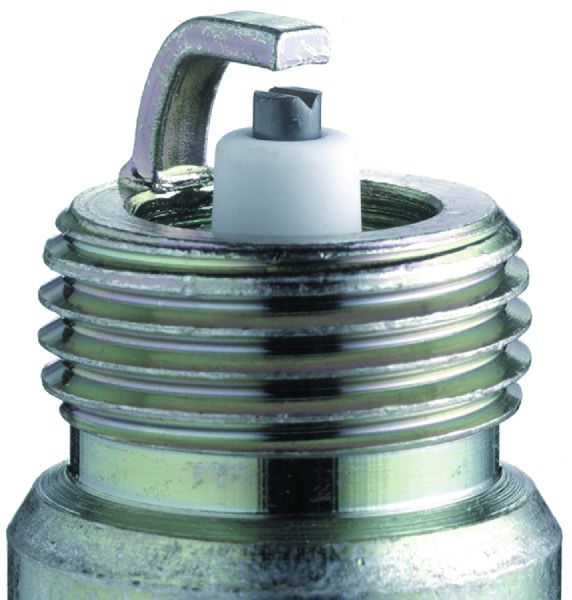
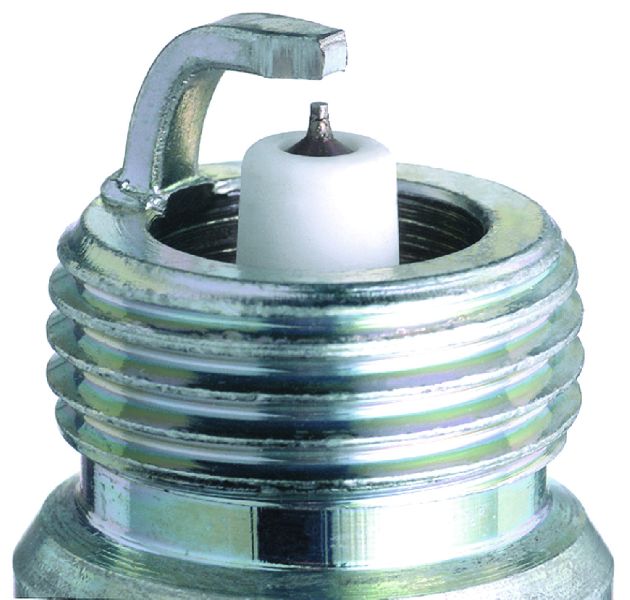
Spark plug selection is highly dependent on the specific engine (Flathead V8, I-6, Y-Block, FE V8, etc.) and year. Most applications use a standard copper-core plug with a 14mm or 18mm thread. A common gap setting for points-based ignitions is .035 inches.
We Have This Part in Stock

The information in this article is provided for general reference and educational purposes only. Vehicle specifications, procedures, and part compatibility can vary by production date, trim level, and region. Always consult your vehicle's factory service manual and verify part numbers before purchasing or performing repairs. Safety-critical components such as airbags, seat belts, and braking systems should be installed by a qualified professional.