

Ford Custom Spark Plug Guide: 1959-1963 Replacement Information
Keep your classic Ford running smoothly with the right set of new spark plugs.
- Stick with standard copper-core plugs from brands like Autolite or NGK for best performance in the original ignition system.
- Symptoms of failure include rough idle, hesitation, hard starting, and poor gas mileage.
- Replacing spark plugs is an easy and inexpensive DIY job that should be done every 10,000-20,000 miles.
- Always verify the correct spark plug and gap for your specific engine (I-6 or V8) before purchasing and installing.
Signs of Failing Spark Plugs
The simple ignition system in your classic Ford Custom relies on healthy spark plugs. When they start to wear out or get dirty, you'll notice it. Worn plugs can't create a strong enough spark to burn all the fuel in the cylinder. This can lead to a variety of issues that make your car less reliable and enjoyable to drive.
- Rough Idle: The engine may shake or sound uneven when you're stopped.
- Hard Starting: The engine may crank for a long time before it starts, or it might not start at all.
- Engine Misfires: You might feel a jerking or stumbling sensation while driving, especially when accelerating.
- Poor Acceleration: The car may feel sluggish or down on power when you press the gas pedal.
- Reduced Fuel Economy: You may find yourself visiting the gas station more often because fouled plugs can cause incomplete combustion.
Choosing the Right Aftermarket Spark Plugs
For a 1959-1963 Ford Custom, you don't need expensive, fancy spark plugs. The original ignition system was designed for basic, reliable copper or nickel plugs. Modern plugs from reputable brands are excellent, but it's most important to choose the correct one for your specific engine (e.g., 223 I-6, 292 V8, 352 V8).
Brand Quality Tiers
| Brand | Assessment |
|---|---|
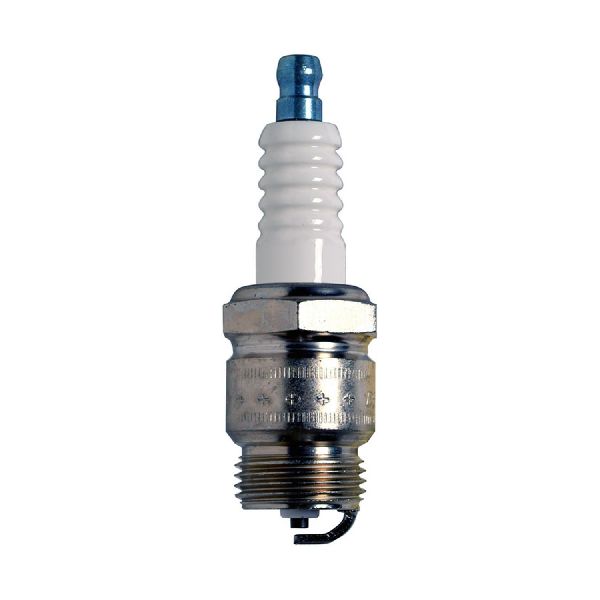
| Autolite | Often considered the original equipment equivalent for classic Fords. Autolite copper plugs are a reliable, period-correct choice that will provide excellent performance. |
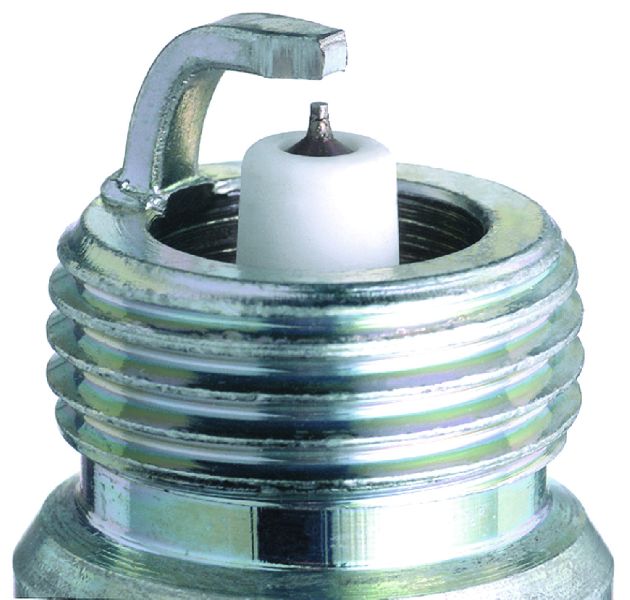
| NGK | A high-quality choice trusted by mechanics. Their standard copper (V-Power) plugs are an excellent, affordable upgrade that can improve ignitability. |
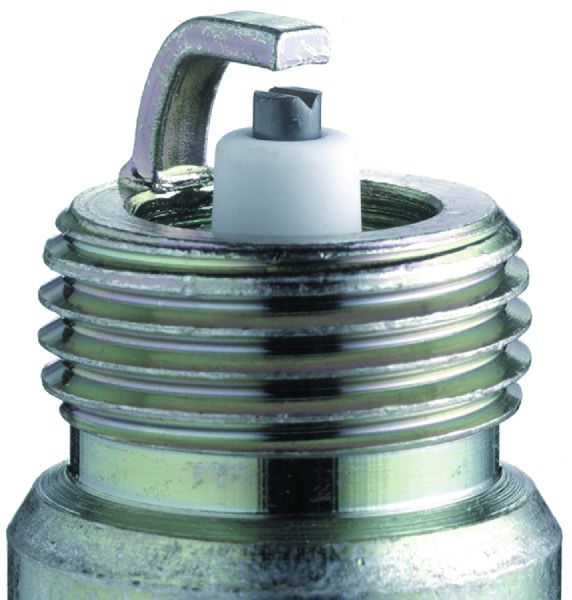
| Denso | Another top-tier Japanese brand known for quality. Their standard U-Groove plugs are a great option and offer reliable performance. Cross-reference parts like the Denso 5008 match up with the Autolite 45. |
| ACDelco | A well-known general aftermarket brand. While not specifically associated with Ford, their standard plugs are a solid, budget-friendly service replacement part. |
A Note on Platinum and Iridium Plugs
While modern platinum and iridium plugs last longer, they are not necessary for your Custom. The benefits are minimal in this type of vintage ignition system. Sticking with standard copper or nickel plugs and changing them more frequently (every 10,000-20,000 miles) is a better and more cost-effective strategy.
Typical Cost for New Aftermarket Spark Plugs
Spark plugs are one of the most affordable maintenance items for your car. Prices vary slightly by brand, but you can expect to pay the following for a single spark plug.
| Brand | Estimated Price (per plug) |
|---|---|
| ACDelco, Autolite, NGK, Denso (Standard Copper/Nickel) | $4.47 - $6.00 |
| NGK, Denso (Platinum/Iridium) | $7.00 - $14.32 |
Installation Best Practices
Replacing spark plugs is a simple DIY job. Always check the spark plug gap with a feeler gauge before installation and adjust if necessary. The correct gap is crucial for performance; check your service manual for the exact specification for your engine. A light coat of anti-seize compound on the threads can make the next plug change much easier.
Frequently Asked Questions
How often should I change the spark plugs on my Ford Custom?
For standard copper plugs in a vintage vehicle like this, a good interval is every 10,000 to 20,000 miles or every two years. Since it's an inexpensive job, frequent changes will ensure your engine is always running at its best.
What is the correct spark plug gap?
The correct gap depends on your specific engine. It is typically between 0.032" and 0.035". Always refer to the service manual or the decal under the hood for the exact specification for your car's engine.
Do I need special tools to change my spark plugs?
You will need a basic ratchet, a spark plug socket (which has a rubber insert to protect the plug), an extension, and a spark plug gap gauge/tool. These are all commonly available at any auto parts store.
What does a spark plug's 'heat range' mean?
The heat range refers to how hot the tip of the spark plug gets during engine operation. It's a measure of how well the plug dissipates heat. For a stock engine, always use the standard heat range recommended by the manufacturer (like Autolite, NGK, or Denso). Using a plug that is too 'hot' can cause engine damage, and one that is too 'cold' can foul easily.
Technical Specifications
OEM Part Numbers: B5C-12405-A
Engine application is critical. Common Autolite part numbers are 45 and 46. Common NGK cross-references include WR5. Always verify the part number for your specific engine (e.g., 223, 292, 352) before purchase. The spark plug gap should be set according to your vehicle's service manual, typically around 0.032"-0.035".
We Have This Part in Stock


The information in this article is provided for general reference and educational purposes only. Vehicle specifications, procedures, and part compatibility can vary by production date, trim level, and region. Always consult your vehicle's factory service manual and verify part numbers before purchasing or performing repairs. Safety-critical components such as airbags, seat belts, and braking systems should be installed by a qualified professional.