

A Guide to Spark Plugs for the 1963-1991 Jeep Wagoneer
Keep your classic Wagoneer's legendary engine running strong with the correct set of spark plugs.
- For most stock 1963-1991 Wagoneers, standard copper spark plugs from brands like Champion or Autolite are the correct and most cost-effective choice.
- Always verify the correct part number for your specific engine and year, as several different engines were used during this period.
- Checking and adjusting the spark plug gap with a feeler gauge before installation is a critical step for proper engine performance.
- Engine misfires, rough idling, and a sudden drop in fuel economy are common signs that your spark plugs need to be replaced.
Signs of a Bad Spark Plug in Your Wagoneer
Worn-out spark plugs can cause a number of noticeable problems. If your Wagoneer is experiencing a rough idle, where the engine shakes or vibrates at a stop, it could be due to a plug not firing correctly. You might also feel the engine hesitate or stumble when you accelerate, a symptom known as an engine misfire. Other common signs include a decrease in fuel economy, as the engine works harder to compensate for the weak spark, and difficulty starting the vehicle, especially in cold weather.
Choosing the Right Aftermarket Spark Plug
For a classic vehicle like the 1963-1991 Wagoneer, you don't need the most expensive, high-tech spark plugs. The ignition systems on these vehicles were designed for traditional copper-core plugs, and in most cases, they are still the best choice. Many owners and mechanics agree that using pricey platinum or iridium plugs offers little to no benefit and can sometimes even hinder performance if your ignition system isn't upgraded to take advantage of them.
OEM vs. Aftermarket Quality
For many years, Champion was the original equipment manufacturer (OEM) for Jeep's AMC engines. This means that a new aftermarket Champion plug is essentially the same as what the factory installed. High-quality aftermarket brands like Autolite and NGK are also trusted choices that meet or exceed original specifications. There is no significant quality drop-off when choosing a reputable aftermarket brand for your Wagoneer.
Brand Recommendations
- Standard/OEM-Style (Recommended for most): Champion and Autolite are the go-to choices for a stock Wagoneer. They are affordable, reliable, and what the AMC engines were designed to use. Many long-time owners swear by standard copper plugs from these brands for consistent performance.
- Reputable Alternative: NGK is another highly-regarded brand. Some owners of AMC V8s prefer NGK copper plugs for their reliability and resistance to fouling.
- Performance Brands: Brands like Accel and MSD are typically reserved for engines that have been modified with high-performance ignition systems. For a stock daily driver, they are not necessary.
- Budget-Friendly: Crown Automotive specializes in Jeep replacement parts and can be a good budget-conscious option.
Known Issues & Recalls
No specific recalls or Technical Service Bulletins (TSBs) related to spark plugs were found for the 1963-1991 Jeep Wagoneer during our search. Common issues reported by owners are typically related to general wear or incorrect installation. For example, plugs can become fouled by oil or fuel leaks, which is a sign of other engine problems. Another common issue is a "no spark" condition, which is often caused by a faulty ignition coil or ignition module rather than the plugs themselves.
| Item | Estimated Cost |
|---|---|
| Aftermarket Copper Spark Plugs (Set of 6-8) | $15 - $40 |
| Aftermarket Platinum Spark Plugs (Set of 6-8) | $30 - $80 |
| Shop Labor | $100 - $200 |
| Total DIY Cost (Copper) | $15 - $40 |
| Total Professional Replacement (Copper) | $115 - $240 |
Frequently Asked Questions
How often should I change the spark plugs on my Wagoneer?
For standard copper spark plugs, a good rule of thumb is to replace them every 15,000 to 30,000 miles, or every couple of years if the vehicle is not driven often. This regular maintenance helps ensure reliable performance and fuel efficiency.
What is a spark plug gap and why does it matter?
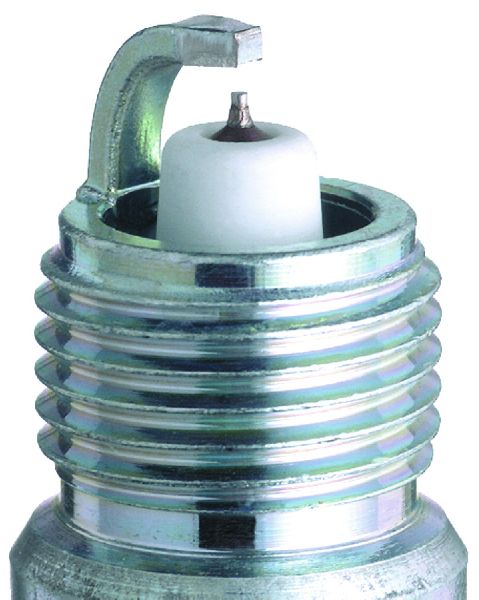
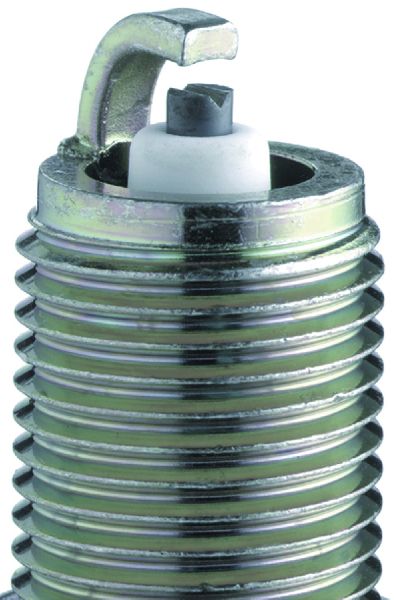
The "gap" is the small space between the center and ground electrodes at the tip of the spark plug. The spark has to jump this gap to ignite the fuel. The size of this gap is critical and is specified by the engine manufacturer. Always check and adjust the gap on new plugs using a gapping tool before installation; do not assume they are correct out of the box.
Do I need expensive iridium or platinum plugs for my classic Wagoneer?
No. The ignition systems in these older vehicles were designed for standard copper plugs. While platinum and iridium plugs last longer, they won't provide a noticeable performance increase on a stock engine and are not worth the extra cost. Stick with what the engine was designed for.
Should I use anti-seize on the spark plug threads?
This is a topic of debate. Some mechanics recommend a very small amount of copper-based anti-seize on the threads to prevent them from getting stuck in the cylinder head. However, many modern plugs have a special coating that prevents seizing, and using anti-seize can cause you to over-tighten the plug, potentially damaging the threads. If you do use it, use it sparingly and reduce the torque setting slightly.
Technical Specifications
OEM Part Numbers: J3242841 RN14YC RC12YC RN12YC
Specifications like thread size, reach, and heat range are engine-specific. The most common engines are the AMC Inline-6 (232, 258 ci) and the AMC V8 (360, 401 ci). Always verify the correct part number for your specific engine and year before purchasing.
We Have This Part in Stock

The information in this article is provided for general reference and educational purposes only. Vehicle specifications, procedures, and part compatibility can vary by production date, trim level, and region. Always consult your vehicle's factory service manual and verify part numbers before purchasing or performing repairs. Safety-critical components such as airbags, seat belts, and braking systems should be installed by a qualified professional.