

A Guide to Selecting Spark Plugs for the 1966-1974 Ford Bronco
Keep your classic Bronco's engine firing on all cylinders with the correct set of plugs.
- Stick with standard copper core spark plugs from brands like Autolite or Motorcraft for the best performance in a stock engine.
- Avoid expensive platinum or iridium plugs, as they often don't work well with the original ignition systems.
- Set the spark plug gap based on your ignition system: 0.035" for points, or 0.044-0.045" for electronic.
- Replacing spark plugs is a very easy and inexpensive DIY job that can significantly improve engine performance.
Symptoms of Failing Spark Plugs
Worn or fouled spark plugs can cause a number of noticeable problems in your first-generation Bronco. Because these engines are relatively simple, the effects of bad plugs are often easy to spot. You might experience a rough idle, engine misfires (a feeling of the engine stumbling or shaking), and a general loss of power. Other signs include difficulty starting the engine, reduced fuel economy, and sluggish acceleration. If a plug is completely fouled with fuel, oil, or carbon, that cylinder may not fire at all, leading to a very rough running engine.
🎬 Watch this video to help diagnose engine performance issues.Choosing the Right Aftermarket Spark Plug
For a classic vehicle like the 1966-1974 Bronco, choosing the right spark plug is straightforward. The original engines were not designed for fancy, modern plugs. Sticking to what works is the best approach.
Stick with Copper Plugs
The original ignition systems in these Broncos were designed for standard copper core spark plugs. Many owners and mechanics report that expensive platinum or iridium plugs do not perform well in these older, carbureted engines and can lead to fouling and misfires. Copper plugs are inexpensive, provide a strong spark, and are the most appropriate choice for a stock or near-stock engine.
Aftermarket Brand Quality
When it comes to brands, owner experience points to a few clear favorites. It's important to remember that Ford created the Motorcraft brand in 1972 and had previously acquired Autolite. Because of this history, both brands are considered OEM-quality choices.
- Top Tier (OEM equivalent): Motorcraft and Autolite are the most recommended brands for a classic Ford. Many long-time mechanics and owners report the best results and fewest problems when using these plugs in their Broncos. Autolite 45 plugs are a commonly cited part number for V8 engines of this era.
- Excellent Aftermarket: NGK is a very well-respected brand among Bronco owners, often mentioned as a high-quality alternative to Motorcraft or Autolite. Many have used them for years with no complaints.
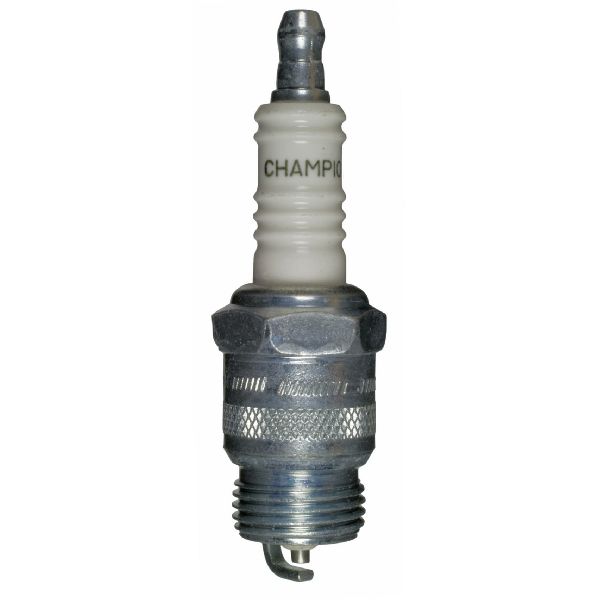
- Standard/Economy: Champion is another available brand, though some owners have reported mixed results compared to Autolite or Motorcraft in Ford engines. Denso and ACDelco are also available but are less commonly discussed in Bronco forums for this specific vintage.
- Performance Brands: MSD offers plugs, sometimes in iridium, which may be suitable for modified engines with high-output ignition systems but are generally unnecessary for stock setups.
A Note on Part Numbers
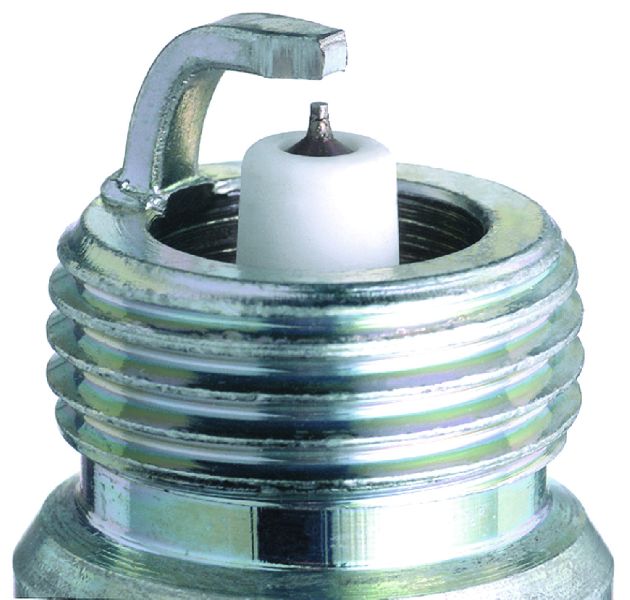
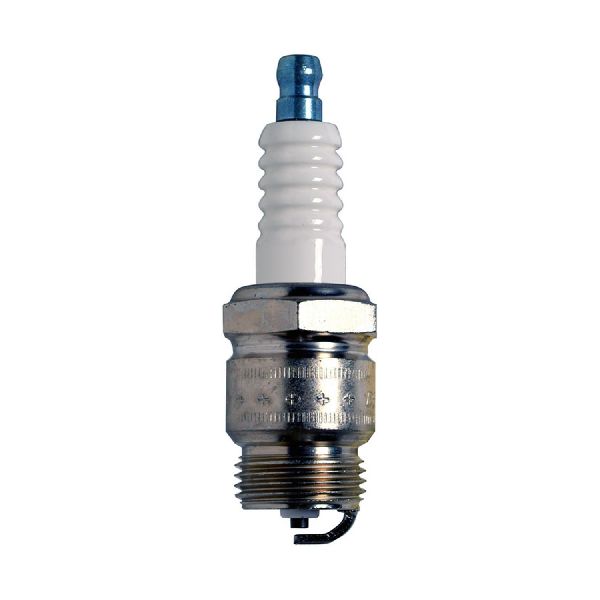
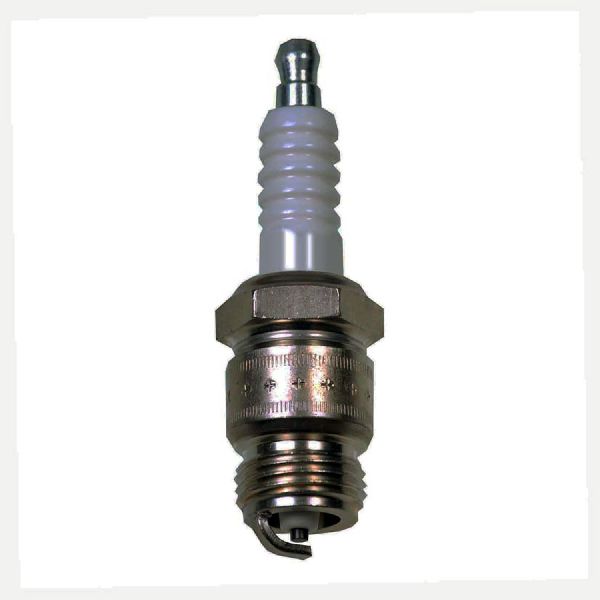
Always verify the correct part number for your specific engine and year. In 1975, Ford changed the spark plug thread size on the 302 V8 from 18mm to 14mm. While your 1966-1974 Bronco should have the earlier 18mm heads, it's possible a previous owner swapped in a later engine or heads. It's always wise to compare the new plug to the old one before installation.
Replacement Cost
The cost of replacing spark plugs on a classic Bronco is very reasonable. The parts themselves are inexpensive, and the job is simple enough for most DIY mechanics. Prices are per set of 6 or 8 plugs.
| Option | Estimated Cost |
|---|---|
| DIY Aftermarket Copper Plugs (Set of 6-8) | $20 - $40 |
| DIY Aftermarket Iridium Plugs (Set of 6-8) | $60 - $100+ |
| Shop Replacement (Labor) | $75 - $150 |
Frequently Asked Questions (FAQ)
What is the correct spark plug gap for my Bronco?
The correct gap depends on your ignition system. For a stock points-style ignition, the gap should be around 0.035 inches. If you have an upgraded electronic ignition system (like a Pertronix or Ford's own Duraspark from 1974), you can open the gap to around 0.044-0.045 inches to take advantage of the stronger spark. Always check the recommendation for your specific ignition system.
How often should I change the spark plugs?
For standard copper plugs in these vehicles, a good interval is every 10,000 to 15,000 miles, or as part of a regular annual tune-up. While some plugs can last longer, they are inexpensive and easy to change, making regular replacement a good preventative measure.
Do I need to use anti-seize on the threads?
Using a small amount of anti-seize compound on the plug threads is a common practice to prevent them from getting stuck in the cylinder head. However, be careful not to use too much, and some plug manufacturers advise against it. If you do use it, slightly reduce the final torque value. Also, a dab of dielectric grease in the spark plug wire boot helps ensure a good connection and prevents the boot from sticking to the plug.
Is this a difficult job to do myself?
No, this is one of the easiest maintenance jobs on a 1966-1974 Bronco. The spark plugs are generally easy to access on both the inline-six and V8 engines. You only need a few basic tools, including a ratchet, an extension, and a spark plug socket.
🎬 See how easy it is to change your plugs and wires.Helpful Videos
Technical Specifications
OEM Part Numbers: BF42 BRF42
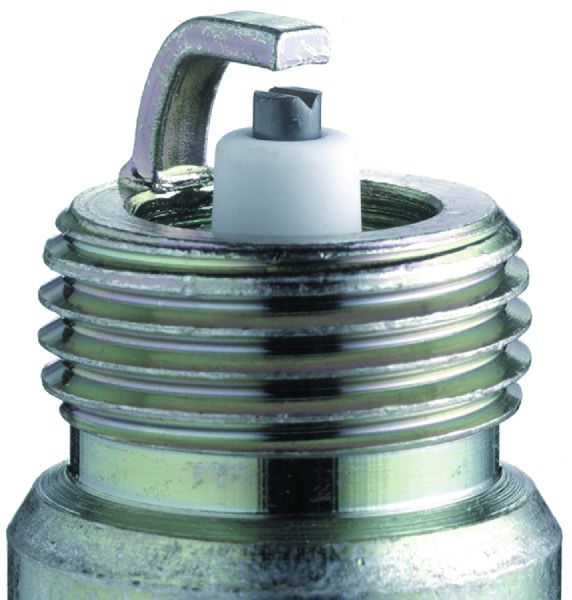
Common aftermarket part numbers include Autolite 45. The 1966-1974 models typically use an 18mm thread spark plug. The recommended gap is approximately 0.035 inches for points ignition and 0.044 inches for electronic ignition.
We Have This Part in Stock


The information in this article is provided for general reference and educational purposes only. Vehicle specifications, procedures, and part compatibility can vary by production date, trim level, and region. Always consult your vehicle's factory service manual and verify part numbers before purchasing or performing repairs. Safety-critical components such as airbags, seat belts, and braking systems should be installed by a qualified professional.