

A Guide to Spark Plugs for the 1968-1972 Ford F-100
Keep your classic Ford truck's engine firing on all cylinders with the right set of spark plugs.
- Standard copper-core spark plugs from brands like Autolite are an excellent, affordable choice that matches the original engine design.
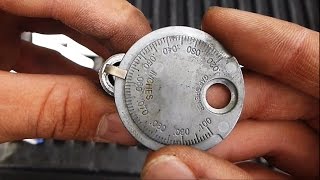
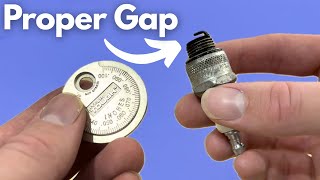
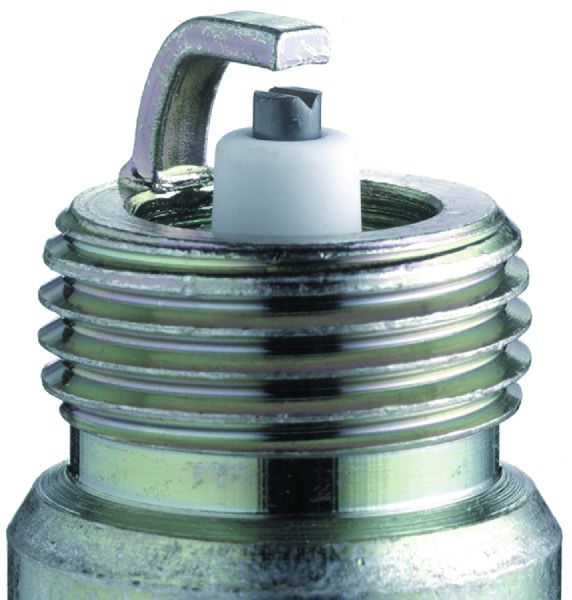
- Always check and set the spark plug gap to your engine's specification (usually .034"-.035") before installation.
- Symptoms of bad plugs include rough idle, misfires, poor acceleration, and reduced gas mileage.
- Replacing spark plugs is a simple, low-cost DIY job that can be done with basic tools in under an hour.
Signs of Failing Spark Plugs


The simple ignition systems in these classic trucks are sensitive to spark plug condition. Worn or fouled plugs can cause a number of noticeable problems. A fouled plug is one that has become coated in a substance like oil, fuel, or carbon, which prevents it from sparking correctly. Common symptoms include:
- Rough Idling: Your truck may shake or vibrate more than usual when stopped. This can be caused by an inconsistent spark leading to a cylinder misfiring.
- Engine Misfires: You might feel a hesitation or stumble from the engine while driving. A misfire happens when a cylinder fails to ignite the fuel mixture at the right moment.
- Reduced Fuel Economy: If you find yourself at the gas station more often, worn plugs could be the cause. Inefficient combustion means your engine uses more fuel to do the same amount of work.
- Sluggish Acceleration: If your truck feels like it has lost some of its power, it could be due to weak or inconsistent sparks from old plugs.
- Hard Starting: While many things can cause a no-start issue, weak spark plugs can make it difficult for the engine to fire up, especially when cold.
Don't Ignore Engine Knocking
If you hear a metallic pinging or knocking sound from your engine, it can be a sign of a serious issue potentially made worse by incorrect or failing spark plugs. This condition can lead to severe engine damage if not addressed quickly.
Choosing the Right Aftermarket Spark Plugs

For a vintage truck like the 1968-1972 F-100, you don't need the most expensive, high-tech spark plugs to get great performance. In fact, many owners find that standard, affordable plugs work best in these classic engines. The most important factors are choosing a quality brand and ensuring the plug has the correct specifications for your engine (e.g., 240/300 I6, 302, 360, or 390 V8).
OEM-Style vs. Modern Materials
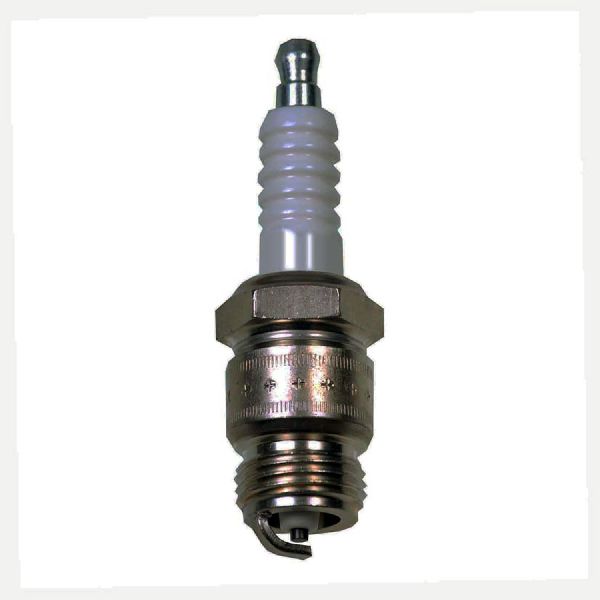
The original spark plugs for these trucks were standard copper-core plugs. Brands like Autolite were often the original equipment manufacturer (OEM) for Ford.
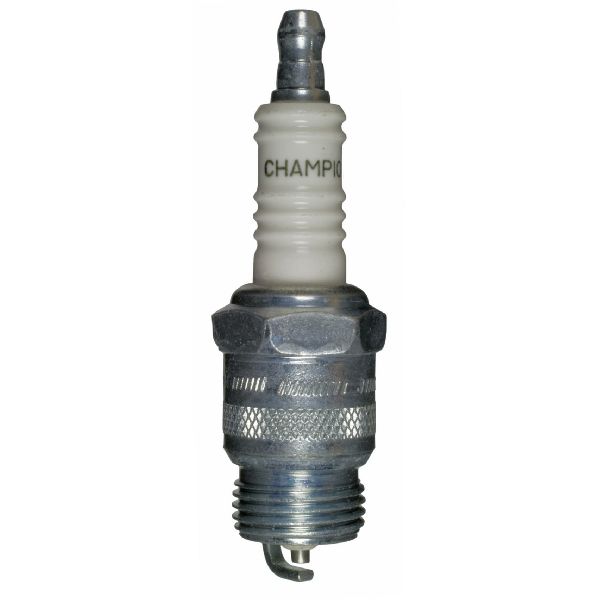
- Copper Plugs: These are the most affordable option and work exceptionally well in these engines. They conduct electricity very well but have a shorter lifespan, typically needing replacement every 20,000-30,000 miles. Brands like Autolite and Champion are classic choices.
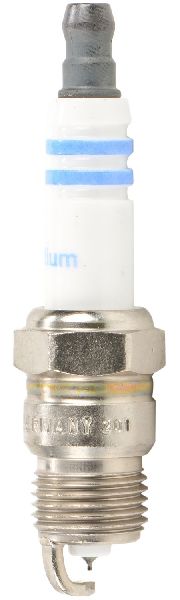
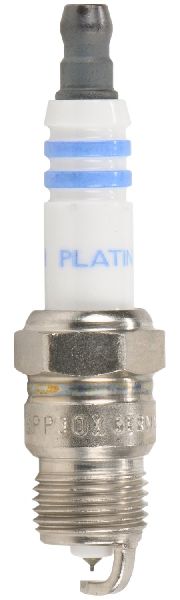
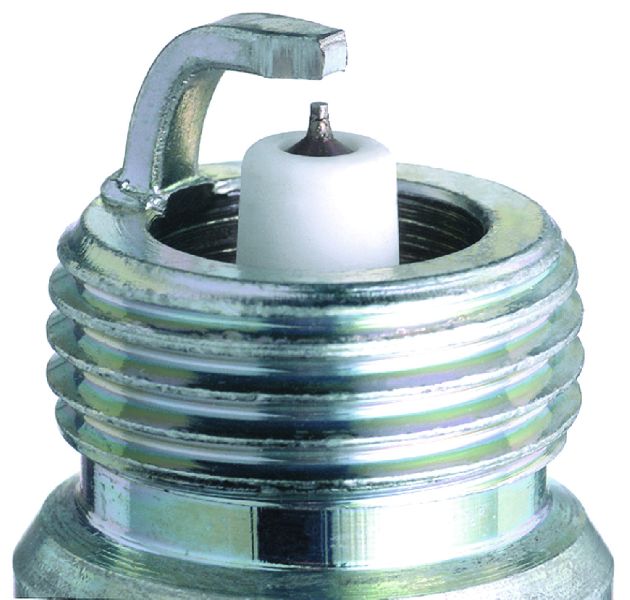
- Platinum/Iridium Plugs: These plugs have electrodes made from more durable materials, allowing them to last much longer (60,000-100,000 miles). While they cost more, they can be a good option if you want to extend the time between tune-ups. High-quality brands like NGK and Denso are popular choices among classic truck enthusiasts.
Pro Tip: Many experienced owners of Ford FE engines (like the 360 and 390) recommend sticking with standard copper Autolite or Motorcraft plugs for reliability and performance that matches the original design. The Autolite 45 is a frequently mentioned replacement.
Aftermarket Brand Tiers
- Trusted OEM-Style Brands: Autolite is a go-to for many Ford owners, as it was often the original factory plug. Motorcraft (Ford's own parts brand) and Champion are also solid, reliable choices.
- High-Quality Aftermarket: NGK and Denso have a strong reputation for quality and are often considered an upgrade from standard plugs. Bosch also offers a range of quality plugs that fit these applications.
- Performance Brands: Brands like Accel and MSD are geared more towards modified engines with upgraded ignition systems. For a stock or lightly modified F-100, they are generally not necessary.
Cost of Aftermarket Spark Plugs (1968-1972 Ford F-100)
| Plug Type | Typical Price Range (Per Plug) | Notes |
|---|---|---|
| Standard Copper (e.g., Autolite, Champion) | $3 - $6 | Excellent performance for stock engines, shorter lifespan. |
| Platinum (e.g., Bosch, NGK) | $5 - $15 | Longer service life than copper. |
| Iridium (e.g., NGK, Denso) | $8 - $25+ | Longest lifespan, often used in modern vehicles but available for classics. |
Frequently Asked Questions
What is the correct spark plug gap for my F-100?
The factory-recommended spark plug gap is typically around 0.034-0.035 inches for most engines in this range. However, always verify the specification for your specific engine and ignition setup. It's crucial to check and adjust the gap on your new plugs with a gapping tool before installation.
How often should I change the spark plugs?
For standard copper plugs, a good interval is every 20,000 to 30,000 miles or every couple of years as part of a regular tune-up. If you opt for longer-life platinum or iridium plugs, you can go much longer, often 60,000 miles or more.
Do I need to use anti-seize on the plug threads?
This is a topic of debate. Some mechanics apply a small amount of anti-seize compound to the threads to prevent them from getting stuck in the cylinder head. However, some plug manufacturers advise against it as it can affect how you torque the plug. If you do use it, apply only a very small amount to the threads, avoiding the electrode.
Are there any recalls or major issues for these spark plugs?
No recalls or Technical Service Bulletins (TSBs) related to spark plugs were found for the 1968-1972 Ford F-100. Later model Ford engines (specifically 3-valve modular engines from the mid-2000s) had well-known issues with plugs breaking, but this does not apply to the engines in these classic trucks.
Helpful Videos

Technical Specifications
OEM Part Numbers: BF32 BF42
The most common engines in this truck series, like the 360 V8, use a spark plug with an 18mm thread size and a tapered seat. The recommended spark plug gap is generally 0.034-0.035 inches. Always confirm the correct plug and gap for your specific engine (240, 300, 302, 360, 390).
We Have This Part in Stock

The information in this article is provided for general reference and educational purposes only. Vehicle specifications, procedures, and part compatibility can vary by production date, trim level, and region. Always consult your vehicle's factory service manual and verify part numbers before purchasing or performing repairs. Safety-critical components such as airbags, seat belts, and braking systems should be installed by a qualified professional.