

1970-1977 Chevrolet Monte Carlo Spark Plug Replacement Guide
Keep your classic Monte Carlo's V8 running smoothly with the right set of spark plugs.
- For most 1970-1977 Monte Carlos, standard copper spark plugs from brands like ACDelco (OEM) or NGK are the best choice.
- Symptoms of failure include rough idle, engine misfires, poor acceleration, and reduced gas mileage.
- This is a very DIY-friendly task that requires basic tools and about an hour of time on a cold engine.
- Always check and adjust the spark plug gap before installation to ensure optimal performance.
Is Your Monte Carlo Showing Signs of Bad Spark Plugs?
Worn-out spark plugs can cause a variety of noticeable problems in your classic Monte Carlo. Because these plugs are simple wear items, they need to be replaced periodically to maintain engine health and performance. If you notice any of the following symptoms, it might be time for a new set.
- Rough Idle: Your engine may sound uneven or shake more than usual when stopped.
- Engine Misfires: You might feel a hesitation or stumble from the engine, especially under acceleration. This can feel like a brief interruption in power.
- Poor Acceleration: The car may feel sluggish or lack its usual power when you press the gas pedal.
- Difficulty Starting: Worn plugs can make it harder for the engine to start, especially when cold.
- Reduced Fuel Economy: If you're filling up the tank more often, failing spark plugs could be the cause, as they lead to inefficient fuel burn.
Choosing the Right Aftermarket Spark Plugs
For a 1970-1977 Monte Carlo, you don't need expensive, high-tech spark plugs to get great performance. The original engines were designed for simple, reliable copper or conventional plugs. While modern platinum or iridium plugs are available, they often don't provide a noticeable benefit for these carbureted engines and are not worth the extra cost unless you have a highly modified engine.
Brand Tiers for Your Monte Carlo
| Tier | Brands | Quality & Notes |
|---|---|---|
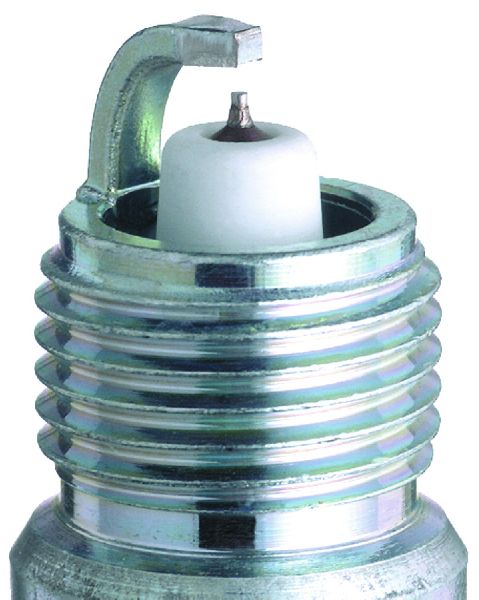
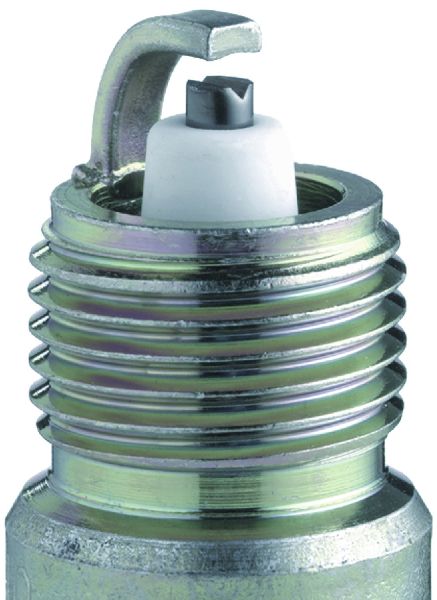
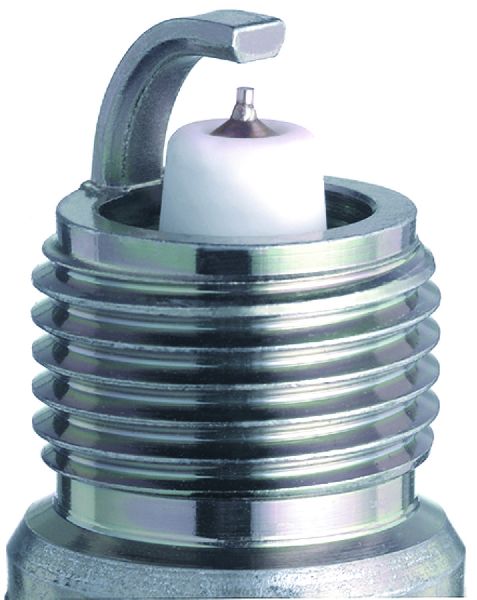
| OEM / Premium Aftermarket | ACDelco, NGK | ACDelco is the original equipment manufacturer for General Motors and is an excellent choice for a stock replacement. The R45TS is a common part number for these vehicles. NGK V-Power plugs are highly regarded by many mechanics and classic car owners for their reliability and performance in V8 engines. |
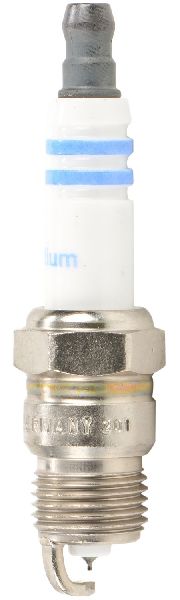
| Quality Aftermarket | Autolite, Champion, Denso, Bosch | These brands offer reliable, standard copper plugs that perform well in classic V8s. Autolite and Champion are traditional American brands that have been used in these engines for decades. Denso and Bosch also produce quality conventional plugs that are suitable replacements. |
| Performance / Specialty | Accel | Accel often produces plugs designed for performance applications, such as engines with headers where a shorter plug might be needed for clearance. These are a good option for modified engines but are not necessary for a stock vehicle. |
| Economy | Skyward | Economy brands will get the job done, but their lifespan and quality control may not match the more established brands. For a critical component like a spark plug, it is usually better to stick with a well-known manufacturer. |
Pro Tip: Always check the spark plug gap before installation. Even if the plugs come 'pre-gapped', they can be knocked out of spec during shipping. A gapping tool is inexpensive and ensures your new plugs are set perfectly for your engine. For most V8 engines of this era, a gap between .035 and .040 inches is common, but check your specific engine's requirements.
Cost to Replace 1970-1977 Monte Carlo Spark Plugs
Replacing spark plugs on these classic cars is one of the more affordable maintenance jobs.
| Item | Estimated Cost |
|---|---|
| New Aftermarket Spark Plugs (Set of 8) | $25 - $100 |
| Shop Labor | $75 - $150 |
| Total Cost | $100 - $250 |
Frequently Asked Questions
Do I need special spark plugs for my Monte Carlo's engine?
Not usually. For stock V8 engines like the 350, 400, or 454, standard copper-core plugs from a quality brand like ACDelco or NGK are perfect. The most common ACDelco part number is R45TS. If your engine is heavily modified, you might need a plug with a different heat range, but for most owners, the standard replacement is best.
How often should I change the spark plugs?
For conventional copper spark plugs used in these cars, a good rule of thumb is to replace them every 20,000 to 30,000 miles or every few years. Since it's an inexpensive job, frequent changes are good preventative maintenance.
Can I replace the spark plugs myself?
Yes, this is a great DIY job for beginners. The engines in the 1970-1977 Monte Carlo have plenty of room to work, and the process is straightforward. You will need a ratchet, a spark plug socket, and a gapping tool. Always work on a cold engine and replace one plug at a time to avoid mixing up the spark plug wires.
What does the 'heat range' of a spark plug mean?
The heat range refers to how fast the spark plug tip dissipates heat. A 'hotter' plug stays hotter to burn off carbon deposits, while a 'colder' plug runs cooler to prevent detonation in high-performance engines. For a stock Monte Carlo, always use the standard heat range recommended by the manufacturer.
Are there any recalls or known issues?
No recalls or Technical Service Bulletins (TSBs) exist for spark plugs on these vehicles. Any issues you encounter will be related to normal wear and tear, such as worn electrodes or fouling from engine oil. Inspecting your old plugs can give you clues about your engine's health.
Technical Specifications
OEM Part Numbers: R45TS
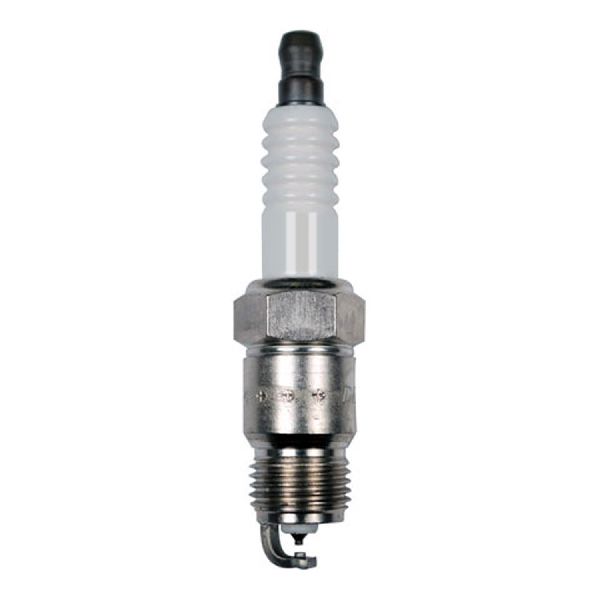
Engine type (V8 or L6) is the primary factor. Most V8 models use a 14mm thread, 5/8" hex, tapered seat plug. The ACDelco R45TS is a very common part number for GM V8s of this era.
We Have This Part in Stock


The information in this article is provided for general reference and educational purposes only. Vehicle specifications, procedures, and part compatibility can vary by production date, trim level, and region. Always consult your vehicle's factory service manual and verify part numbers before purchasing or performing repairs. Safety-critical components such as airbags, seat belts, and braking systems should be installed by a qualified professional.