

Choosing the Right Spark Plugs for Your 1973-1983 Ford F-100
Keep your classic Ford running strong with the correct spark plugs for its engine.
- Stick with standard copper-core spark plugs from reputable brands like Autolite or NGK for the best performance and value on a stock engine.
- Do not waste money on expensive iridium or platinum plugs, as they offer no real benefit for the original ignition systems in these trucks.
- Always verify the correct spark plug gap for your specific engine and ignition type using the under-hood sticker or a manual before installation.
- Replacing spark plugs is a straightforward DIY job, but some plugs on V8 models can be difficult to reach.
Signs of Failing Spark Plugs
Worn or fouled spark plugs can cause a number of noticeable problems. Because the ignition systems on these older trucks are less powerful than modern ones, they are more sensitive to spark plug condition.
- Rough Idle: The engine may shake or vibrate more than usual when stopped.
- Misfires: You might feel a hesitation or stumble during acceleration. In some cases, you can hear a popping sound from the exhaust.
- Poor Fuel Economy: If the fuel isn't burning completely, your truck will use more of it.
- Hard Starting: A weak spark makes it difficult for the engine to fire up, especially when cold.
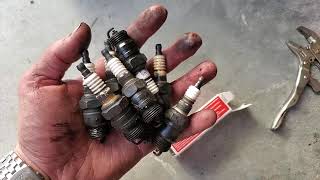
- Black Soot on Plugs: Pulling a plug and seeing it covered in dry, black soot can indicate a rich fuel mixture or a weak spark.
Choosing the Right Aftermarket Spark Plug
For a 1973-1983 F-100, newer technology isn't always better. The original ignition systems were designed for standard copper-core spark plugs. While platinum and iridium plugs are available, they often provide no benefit and are not worth the extra cost for these engines.
Brand Tiers for Your F-100
Owner experiences and mechanic recommendations provide a good picture of brand quality for these classic trucks.
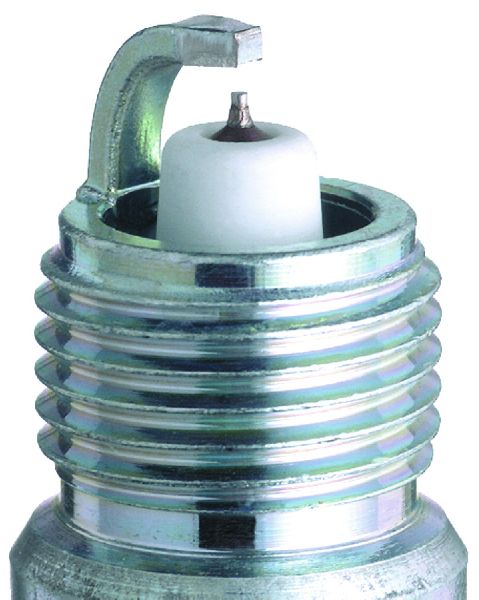
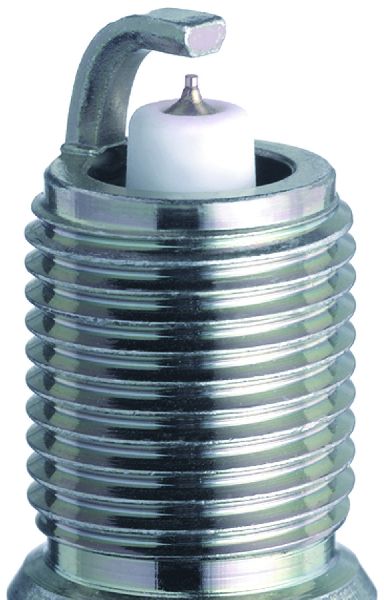
Standard & Recommended: Autolite and NGK are consistently recommended by owners. Many consider Autolite to be on par with the original Motorcraft plugs. NGK V-Power plugs are a popular, high-quality choice that works well in these Ford engines.
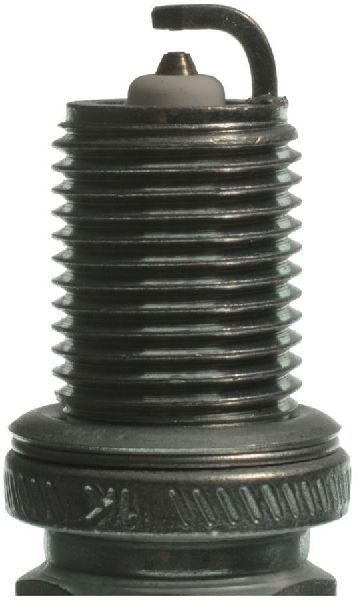
Good Alternatives: Champion and Denso are also reliable options that will work just fine in a stock F-100 engine. Some owners have preferences, but all are capable brands for this application.
Performance: Brands like Accel and MSD are geared towards modified engines with upgraded ignition systems. For a stock or lightly modified truck, they are generally not necessary.
Budget: While brands like Skyward are available, most owners stick with the well-known names like Autolite or NGK due to their proven reliability and affordable price.
Check The Gap!
Always check the spark plug gap before installation, even if the box says they are "pre-gapped." The required gap depends on your specific engine and ignition system (points vs. electronic). A common gap for electronic ignition systems is around 0.044 inches, but you must check the Vehicle Emission Control Information (VECI) sticker under your hood for the correct specification.
Known Issues & Recalls
There are no specific recalls or Technical Service Bulletins (TSBs) related to spark plugs for the 1973-1983 Ford F-100. TSBs regarding difficult spark plug removal (08-7-6) and spark plugs blowing out of cylinder heads apply to much newer Ford engines (typically 1997 and later) and do not affect this generation of F-100.
Cost of New Spark Plugs (1973-1983 Ford F-100)
| Category | Price Range (Set of 6 or 8) | Notes |
|---|---|---|
| Budget Aftermarket (Copper) | $15 - $35 | Brands like Autolite and Champion fall here. Perfectly adequate and often recommended. |
| Premium Aftermarket (Copper/Platinum) | $30 - $60 | Includes brands like NGK and Denso. Platinum offers little benefit for these engines. |
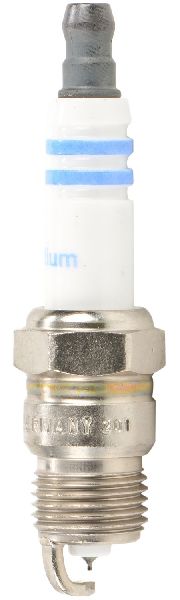
| High-Performance (Iridium/Specialty) | $60 - $100+ | Brands like MSD or high-end Bosch/NGK plugs. Only needed for highly modified engines. |
Frequently Asked Questions
How often should I replace the spark plugs on my F-100?
For a classic truck with a standard ignition system using copper spark plugs, a good interval is every 15,000 to 20,000 miles, or every two years. This ensures a strong spark and helps you keep an eye on engine health.
What is the correct spark plug gap?
The correct gap depends on your engine and whether you have a points-style or electronic ignition. It can range from 0.035" to 0.045" or more. Always check the VECI sticker under your hood or a reliable service manual for the exact specification for your truck's configuration.
Should I use anti-seize on the new spark plugs?
This is a topic of debate. Many modern plugs have a special plating that doesn't require anti-seize. If you do use it, apply only a very small amount to the threads, avoiding the electrode. Using anti-seize can also alter the final torque value, so you should reduce the manufacturer's torque spec by about 10-15% to avoid over-tightening.
Are there any special tools needed for the job?
You will need a ratchet, a spark plug socket (which has a rubber insert to protect the plug), and various extensions. A torque wrench is highly recommended to tighten the plugs correctly. For some V8 engines, a universal joint or swivel socket can be very helpful for reaching the rearmost plugs, which can be difficult to access.
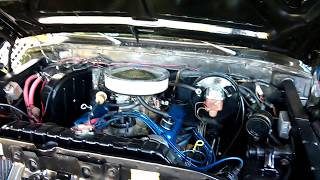
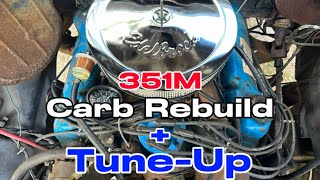
🎬 Watch this step-by-step spark plug replacement on a 1975 F-100.Helpful Videos


Technical Specifications
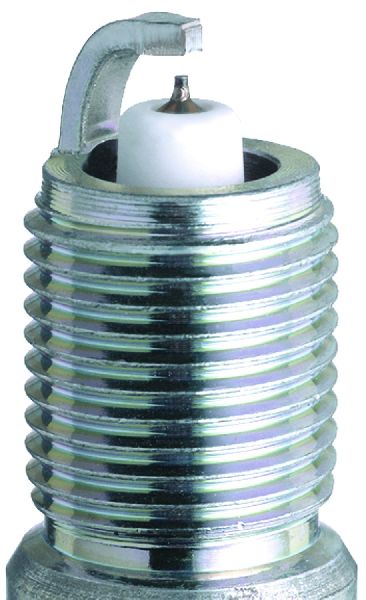
OEM Part Numbers: BSF42C BF42 BRF42
Spark plug choice and gap are dependent on the specific engine (e.g., 300 L6, 302 V8, 351M V8, 460 V8) and ignition system (points or electronic) for the model year. Common gaps range from 0.035" to 0.045". Always refer to the vehicle's emissions sticker under the hood for the most accurate information.
We Have This Part in Stock

The information in this article is provided for general reference and educational purposes only. Vehicle specifications, procedures, and part compatibility can vary by production date, trim level, and region. Always consult your vehicle's factory service manual and verify part numbers before purchasing or performing repairs. Safety-critical components such as airbags, seat belts, and braking systems should be installed by a qualified professional.