

A Guide to Spark Plugs for the 1973-1997 Ford F-350
Keep your classic Ford truck's engine firing on all cylinders with the correct plugs.
- Stick with Motorcraft or Autolite brand plugs for the best compatibility and performance on stock engines.
- Always check and adjust the spark plug gap before installation, even if the plugs are pre-gapped.
- For these older engines, simple copper or platinum plugs are often the best choice; expensive iridium plugs are not necessary.
- Work on a completely cool engine to prevent damage to the cylinder head threads during removal.
Signs of Failing Spark Plugs
Worn-out spark plugs can cause a number of noticeable problems. If you experience any of these symptoms, it might be time for a new set of plugs.
- Rough Idle: The engine may shake or sound uneven when the truck is stopped.
- Engine Misfires: You might feel a hesitation or stumble, especially when accelerating or pulling a heavy load.
- Poor Fuel Economy: When plugs don't fire efficiently, your engine wastes fuel, and you'll find yourself at the gas pump more often.
- Hard Starting: A weak spark makes it difficult for the engine to fire up, especially when cold.
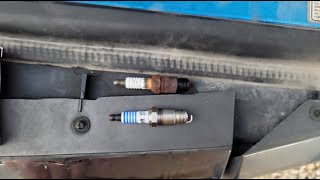
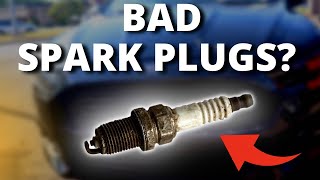
- Check Engine Light: On 1996 and 1997 models with OBD-II, a failing spark plug can trigger a misfire code and illuminate the check engine light. 🎬 Watch: A visual guide to common symptoms of bad spark plugs.
Choosing the Right Aftermarket Spark Plugs
For the 1973-1997 F-350, the original ignition systems were designed around simple, reliable spark plugs. While modern options exist, they aren't always better for these classic engines.
Brand & Material Tiers
| Tier | Brands | Description |
|---|---|---|
| OEM-Recommended | Motorcraft, Autolite | Ford truck owners and mechanics consistently report the best results with Motorcraft plugs, which were the original equipment. Autolite is a very common and reliable alternative, often made in the same factories. For these trucks, a standard copper or single platinum plug from these brands is a safe and effective choice. |
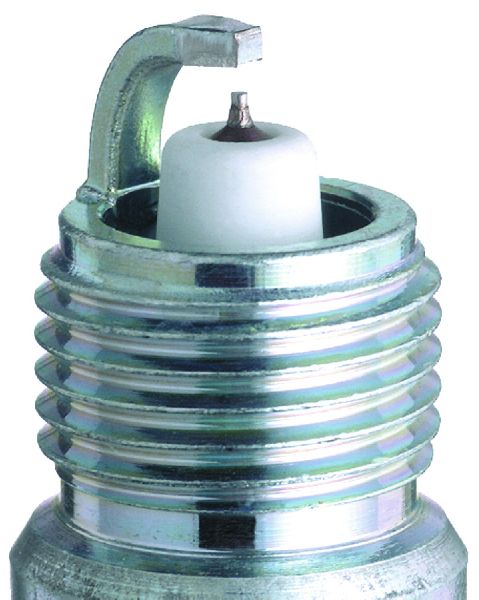
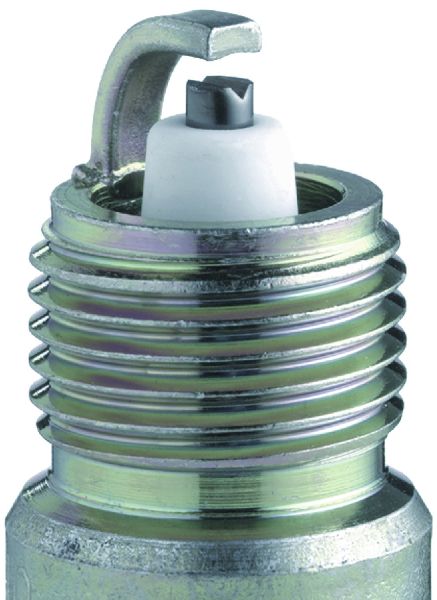
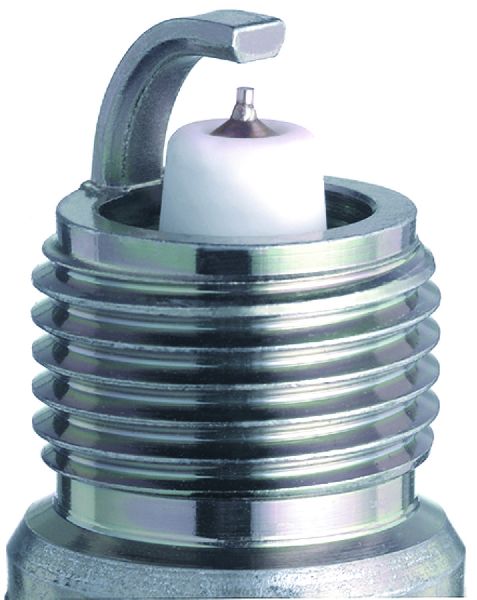
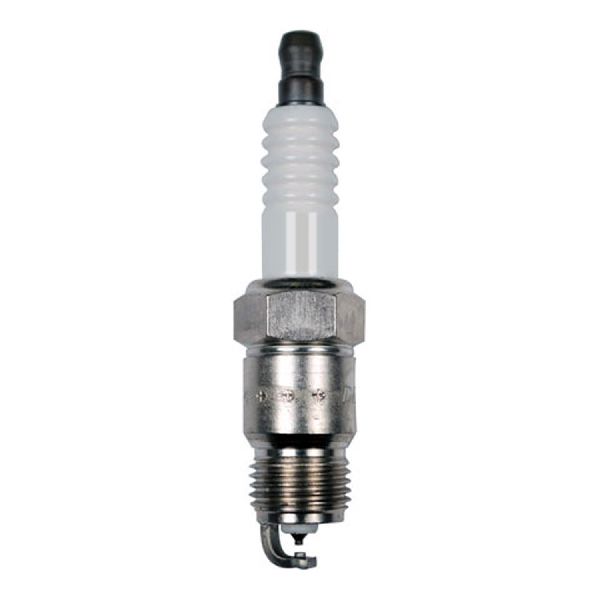
| Quality Aftermarket | NGK, Denso | NGK and Denso are well-respected Japanese brands that make excellent quality plugs. Their standard V-Power (NGK) or U-Groove (Denso) copper plugs are a great option and perform reliably in these Ford engines. |
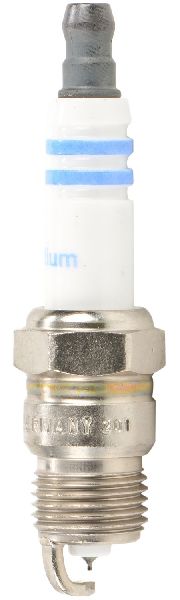
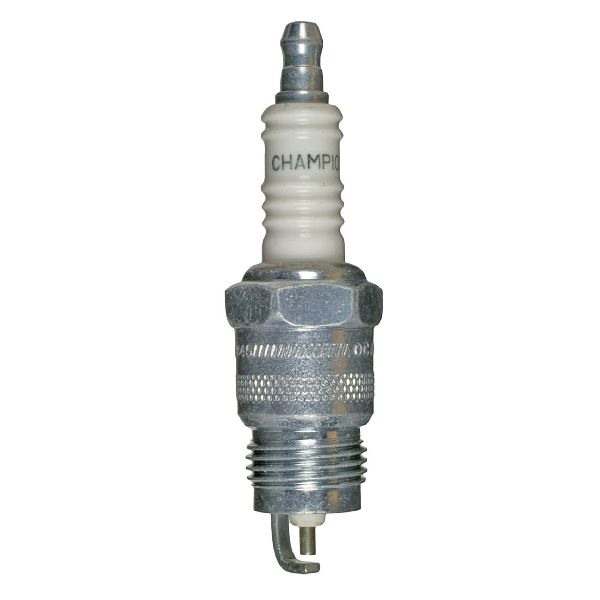
| Performance & Other | Bosch, Champion, MSD, Accel | While brands like Bosch make quality products, some older Ford engines can be picky about ignition parts. Some owners have reported issues after installing brands other than Motorcraft or Autolite. Unless you have a specific high-performance build, it's often best to stick with the OEM-style plugs that your truck's ignition system was designed for. |
Copper, Platinum, or Iridium?
For most 1973-1997 F-350s, standard copper plugs are inexpensive and conduct electricity extremely well. They work perfectly but need to be changed more often (every 20,000-30,000 miles). Platinum plugs last longer and are a good, low-maintenance upgrade. Expensive Iridium plugs are designed for modern high-energy ignition systems and generally do not provide a noticeable benefit in these older trucks to justify their high cost.
Known Issues
While many Ford trucks from later years (specifically those with 2-valve and 3-valve modular engines post-1997) are famous for issues where spark plugs can break during removal or get ejected from the cylinder head, this is not a common design flaw for the engines used in the 1973-1997 F-350s. However, on any engine of this age, spark plugs can become seized in the cylinder head due to rust and corrosion. Always work on a cold engine and use a penetrating lubricant if plugs are difficult to turn.
Frequently Asked Questions (FAQ)
How often should I change the spark plugs on my F-350?
It depends on the type of plug. Standard copper plugs should be changed every 20,000 to 30,000 miles. Single platinum plugs can last up to 60,000 miles. It's best to check them during regular tune-ups.
What is a spark plug 'gap' and why is it important?
The gap is the small space between the center and ground electrodes at the tip of the plug. The spark has to jump this gap. Even if new plugs say they are 'pre-gapped', you should always double-check the gap with a feeler gauge or gapping tool and adjust it to your truck's specific engine requirements before installation.
Do I need special tools to change my spark plugs?
You will need a ratchet, a few different-sized extensions, and a dedicated spark plug socket (which has a rubber insert to protect the plug). A torque wrench is highly recommended to avoid over-tightening the new plugs. For some hard-to-reach plugs, especially on V8 engines, a universal joint swivel can be very helpful.
🎬 See this step-by-step walkthrough for changing plugs on a Ford V8.Should I use anti-seize on the new spark plug threads?
This is a topic of debate. Some plug manufacturers, like NGK, coat their plugs with a material that prevents seizing and recommend NOT using anti-seize. If you do use it, apply only a very small amount to the threads, making sure to keep it away from the electrode. Using anti-seize can also alter the torque reading, so you should reduce the tightening torque by about 10-15% to avoid over-tightening.
🎬 Watch: Spark plug replacement tutorial for the 7.5L 460 engine.Helpful Videos


Technical Specifications
OEM Part Numbers: Motorcraft SP450 Motorcraft BSF42C Motorcraft ASF32C
Varies significantly by engine (4.9L I6, 5.0L V8, 5.8L V8, 7.5L V8). Always confirm the correct part number and gap specification for your specific engine and year.
We Have This Part in Stock

The information in this article is provided for general reference and educational purposes only. Vehicle specifications, procedures, and part compatibility can vary by production date, trim level, and region. Always consult your vehicle's factory service manual and verify part numbers before purchasing or performing repairs. Safety-critical components such as airbags, seat belts, and braking systems should be installed by a qualified professional.