

Choosing the Right Spark Plugs for Your 1974-1984 Jeep Cherokee (SJ)
Keep your classic Cherokee's engine firing on all cylinders with the correct set of new aftermarket plugs.
- For 1974-1984 Cherokees, standard copper core spark plugs from brands like NGK, Champion, or Autolite are the best choice.
- Avoid expensive platinum or iridium plugs, as they offer no real benefit and can cause issues with the stock ignition system.
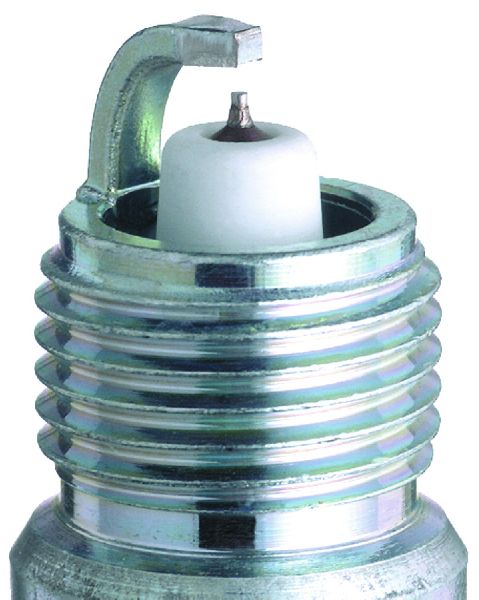
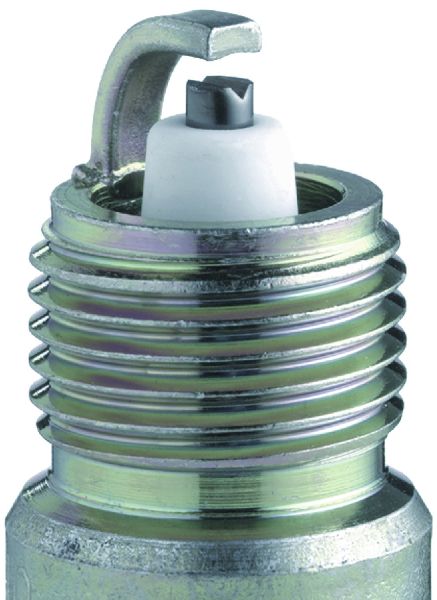
- Always check and set the spark plug gap to 0.035 inches before installation using a proper gapping tool.
- Applying a small amount of anti-seize to the threads will make future replacement much easier.
Signs of Failing Spark Plugs in Your Cherokee
The spark plugs in your classic Jeep are wear items, meaning they need to be replaced periodically. When they start to fail, you'll notice. Common symptoms include a rough idle, difficulty starting the engine, poor acceleration, and a noticeable drop in fuel economy. You might also hear the engine misfire, which can sound like a sputtering or stumbling noise. Visually inspecting the plugs can also tell you a lot; if they are covered in black carbon, wet with oil, or if the electrode is worn down, it's time for a new set.
Don't Ignore Misfires
A persistent misfire isn't just bad for performance; it can allow unburned fuel to enter the exhaust, potentially damaging other components. Addressing worn spark plugs promptly is cheap insurance against more expensive repairs down the road.
Choosing the Right Aftermarket Spark Plugs
For the carbureted AMC engines in the 1974-1984 Cherokee, the overwhelming consensus among experienced owners is to stick with standard copper core spark plugs. These engines were designed for them. While modern plugs made of platinum or iridium promise longer life, they often don't provide any performance benefit in these older ignition systems and can sometimes cause issues. The higher voltage required by these plugs may not be consistently delivered by the stock ignition coil.
Brand Tiers for Your Jeep
- Good (Standard/Value): Brands like Autolite and basic Champion copper plugs are affordable, widely available, and work well. Many owners have used Autolite plugs for decades with good results.
- Better (OEM-Style/Preferred): NGK copper plugs (like the V-Power series) are highly recommended by many Jeep owners and even AMC engine builders for their quality control and consistent performance. Champion was an original equipment supplier for many AMC vehicles, so their standard copper plugs are also a solid, factory-style choice. Crown Automotive is a well-regarded supplier of Jeep replacement parts and offers reliable spark plugs.
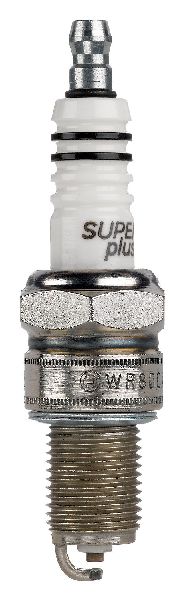
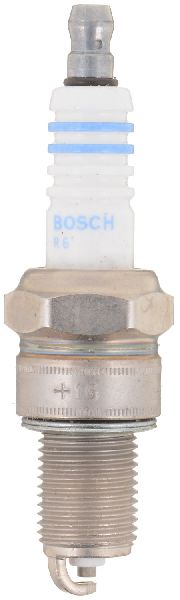
- Performance/Specialty: Brands like MSD and Accel are geared toward modified engines with upgraded ignition systems. Unless you have a high-output coil and other performance parts, these are generally not necessary. Some owners have experimented with premium plugs from Bosch, but experiences are mixed, with many preferring to stick with simpler copper designs for these engines.
Check the Gap!
No matter which brand you choose, you must check and adjust the spark plug gap before installation. The standard gap for most of these engines with a stock ignition is 0.035 inches. An incorrect gap can lead to poor performance and misfires. Use a spark plug gapping tool to ensure each plug is set correctly.
Cost of Aftermarket Spark Plugs (1974-1984 Jeep Cherokee)
Spark plugs are one of the most affordable maintenance items you can buy. Prices are per plug, so you will need to buy six for an I6 engine or eight for a V8.
| Category | Estimated Price Range (per plug) |
|---|---|
| Value (Autolite, basic Champion) | $2 - $4 |
| OEM-Style (NGK, Crown, Champion Copper Plus) | $3 - $6 |
| Premium/Performance (Bosch Platinum, MSD, Accel) | $5 - $15+ |
Frequently Asked Questions
How often should I change the spark plugs on my Cherokee?
For standard copper plugs in these older engines, a good interval is every 20,000 to 30,000 miles, or every few years. Given their low cost, it's an easy and effective tune-up item to keep your engine running its best.
Should I use platinum or iridium plugs for my classic Jeep?
It is generally not recommended. The ignition systems in 1974-1984 Cherokees were designed for copper plugs. Platinum and iridium plugs require a higher voltage to spark correctly, which a stock ignition system may not reliably provide, potentially leading to a weaker spark and poor performance. Stick with copper for the best results.
What does a spark plug's "heat range" mean?
The heat range refers to how quickly the plug dissipates heat. A "hotter" plug stays hotter to burn off carbon deposits at low speeds, while a "colder" plug runs cooler to prevent overheating in high-performance engines. For a stock or lightly modified Cherokee, using the standard heat range recommended by the plug manufacturer is the best choice.
Do I need to put anything on the spark plug threads?
Yes, it's highly recommended to apply a thin layer of anti-seize compound to the spark plug threads before installation. This prevents the plugs from getting stuck (galling) in the cast iron or aluminum cylinder head, making them much easier to remove next time. Also, a dab of dielectric grease in the spark plug boot helps seal it and makes removal from the plug easier.
Technical Specifications
OEM Part Numbers: RFN14LY J3189066
<ul><li><strong>Recommended Plug Type:</strong> Copper Core</li><li><strong>Recommended Brands:</strong> NGK, Champion, Autolite</li><li><strong>Stock Ignition Gap:</strong> 0.035 inches</li><li><strong>Thread Size:</strong> 14mm</li></ul>
We Have This Part in Stock


The information in this article is provided for general reference and educational purposes only. Vehicle specifications, procedures, and part compatibility can vary by production date, trim level, and region. Always consult your vehicle's factory service manual and verify part numbers before purchasing or performing repairs. Safety-critical components such as airbags, seat belts, and braking systems should be installed by a qualified professional.