

Choosing the Right Spark Plugs for Your 1975-1983 Ford Bronco
Get the best performance from your classic Bronco's engine by selecting the correct spark plugs.
- Confirm your specific engine (300, 302, 351, 400) before buying plugs, as they are not interchangeable.
- For stock ignition systems, standard copper core plugs from Motorcraft or Autolite are the recommended and most cost-effective choice.
- Always check and adjust the spark plug gap with a gauge before installation; do not assume they are correct out of the box.
- Replace plugs one at a time to avoid mixing up the spark plug wires, which would disrupt the engine's firing order.
Understanding Spark Plugs in Your Classic Bronco
The spark plugs in your 1975-1983 Ford Bronco are essential for engine health and performance. Unlike modern vehicles, these classic trucks have simpler, carbureted ignition systems. This makes choosing the right spark plug even more important. Using the correct plug ensures reliable starts, a smooth idle, and the power you expect from your vintage Ford. Most importantly, you must know which engine your Bronco has. Over these years, Ford offered several options, including the 300 I6, 302 V8, 351M V8, 351W V8, and 400 V8. The correct spark plug is specific to the engine type.
Symptoms of Failing Spark Plugs
When spark plugs wear out, they can cause noticeable problems. Because these Broncos are pre-OBD-II, they won't show a 'Check Engine' light with a specific code. You'll have to rely on how the truck feels and sounds. Look out for:
- Rough Idling: The engine may shake or sound uneven when you're stopped.
- Hard Starting: The engine cranks but struggles to fire up, especially when cold.
- Engine Misfires: You might feel a hesitation, stumble, or shudder from the engine while driving.
- Reduced Power and Acceleration: The truck feels sluggish and doesn't have its usual get-up-and-go.
- Worse Fuel Economy: You'll find yourself visiting the gas station more often because unburned fuel is being wasted.
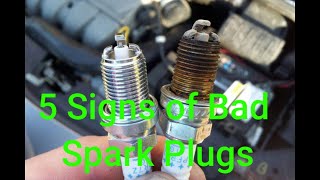
- Black Exhaust Smoke: In some cases, unburned fuel can enter the exhaust, creating black smoke. 🎬 Watch: A visual guide to common bad spark plug symptoms.
Choosing the Right Aftermarket Spark Plug
With many brands available, it's easy to get confused. For your vintage Bronco with a stock ignition system, the choice is simpler than you think. Traditional copper core spark plugs are often the best and most affordable option. Engines from this era were designed for them. While modern platinum and iridium plugs last longer, they require a hotter spark from an upgraded ignition system to be effective and can sometimes cause issues in older engines.
Spark Plug Brand Tiers for 1975-1983 Bronco
| Tier | Brands | Assessment |
|---|---|---|
| OEM & Best Bets | Motorcraft, Autolite | Motorcraft is the original Ford brand. Autolite has historically been the manufacturer for Motorcraft, making them essentially identical for many applications. For a stock Bronco, these are your most reliable choices. |
| High-Quality Alternatives | NGK, Denso | These Japanese brands are known for excellent quality and are a fantastic alternative if Motorcraft or Autolite aren't available. Many enthusiasts trust NGK plugs. |
| Performance Upgrades | Accel, MSD | These brands are geared towards modified engines. If your Bronco has an upgraded ignition system (like an MSD box), performance cam, or other significant engine work, these plugs are designed to handle the extra power. |
| Standard Replacements | Champion, Bosch | These are reputable, widely available brands that offer reliable performance for daily driving and standard use. They are a solid, middle-of-the-road choice. |
| Budget-Friendly | Skyward | This brand represents the lower end of the price spectrum. While functional, they may not offer the same longevity or consistent performance as the higher-tiered brands. |
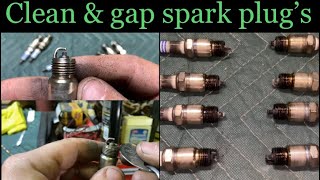
Pro Tip: Check The Gap! No matter which brand you buy, always check the spark plug gap before installation. The gap setting for your Bronco can vary depending on the engine and whether it has a points-style or electronic ignition. A common gap for electronic ignitions is around .044 inches, while points systems use a smaller gap around .035 inches. Use a feeler gauge or gapping tool to ensure it's set to your engine's specifications.
🎬 See how to properly clean and gap your Ford plugs.Known Issues, Recalls, and Service Bulletins
Searches for recalls and Technical Service Bulletins (TSBs) related specifically to spark plugs for the 1975-1983 Ford Bronco on the NHTSA database and other sources did not yield any specific results. Most TSBs for this era relate to other components like clutches, drivetrains, or emissions systems unrelated to the spark plugs themselves. The lack of specific recalls indicates that the original spark plug systems are generally reliable when maintained.
Frequently Asked Questions (FAQ)
How often should I change the spark plugs on my Bronco?
For a classic vehicle like the 1975-1983 Bronco using standard copper spark plugs, a good interval is every 20,000 to 30,000 miles, or every few years. Since these trucks are often not daily drivers, time can degrade plugs as much as mileage. Regular inspection is key.
Should I use copper, platinum, or iridium plugs?
For a stock engine and ignition system, stick with copper plugs. They are inexpensive and provide the best performance for these vintage systems. Platinum and iridium plugs are designed for modern, high-energy ignition systems and may not perform well or could even cause issues in an older, lower-voltage system. If you have upgraded to a high-output electronic ignition, then you can consider platinum or iridium.
What is a spark plug 'gap' and why is it important?
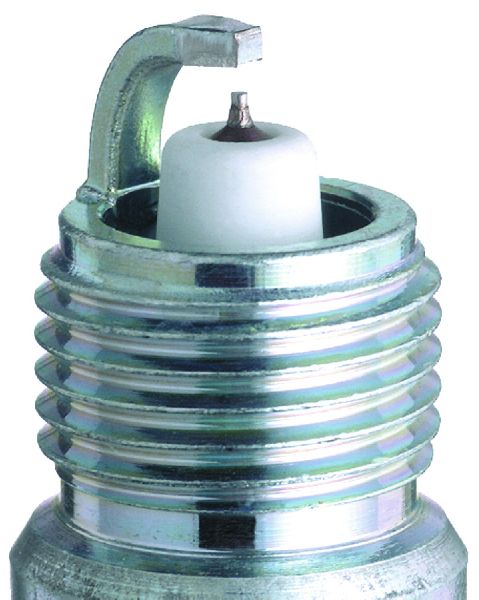
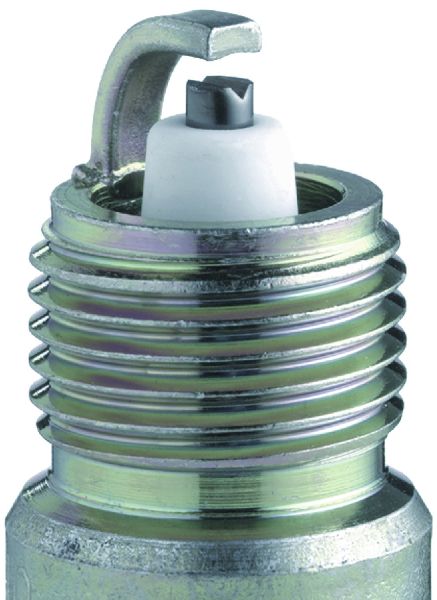
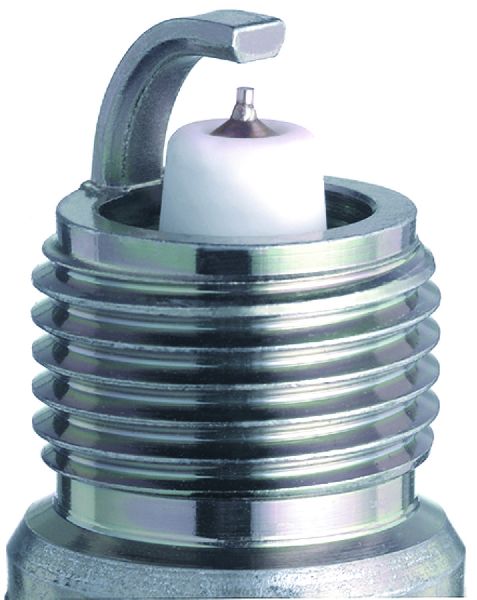
The gap is the small space between the center and ground electrodes at the tip of the plug. Electricity must jump this gap to create a spark. The size of the gap is critical; if it's too small, the spark is weak, and if it's too large, the ignition system may not be strong enough to fire it consistently. Always set the gap to your Bronco's specific engine requirements.
Do I need special tools to change my spark plugs?
You will need a ratchet, a spark plug socket (which has a rubber insert to protect the plug), and possibly some extensions and a universal joint to reach all the plugs. Some plugs, especially on V8 engines, can be difficult to access. A spark plug gap gauge is also essential. Applying a small amount of anti-seize compound to the new plug threads is also a recommended practice.
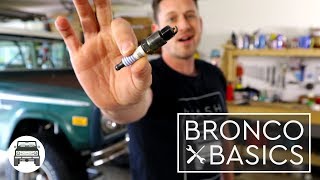
🎬 Watch this walkthrough for removing and installing plugs on a 302.Helpful Videos
Technical Specifications
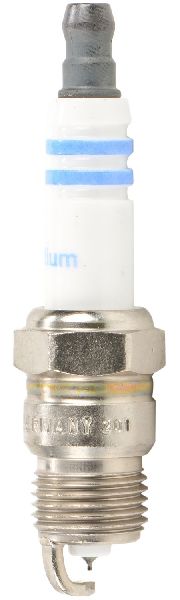
OEM Part Numbers: SP-450 SP-450-A ASF42CF4 SP-415-AX
The most critical specification is the spark plug gap. For Broncos from this era with a stock electronic ignition, the gap is typically around 0.044 inches. For older points-based systems, it is smaller, around 0.035 inches. The thread size is typically 14mm for most V8s of this period. Always confirm the correct gap for your specific year and engine configuration.
We Have This Part in Stock


The information in this article is provided for general reference and educational purposes only. Vehicle specifications, procedures, and part compatibility can vary by production date, trim level, and region. Always consult your vehicle's factory service manual and verify part numbers before purchasing or performing repairs. Safety-critical components such as airbags, seat belts, and braking systems should be installed by a qualified professional.