

Choosing the Right Spark Plugs for Your 1975-1983 Ford F-150
Keep your classic Ford truck running strong with the correct new aftermarket spark plugs.
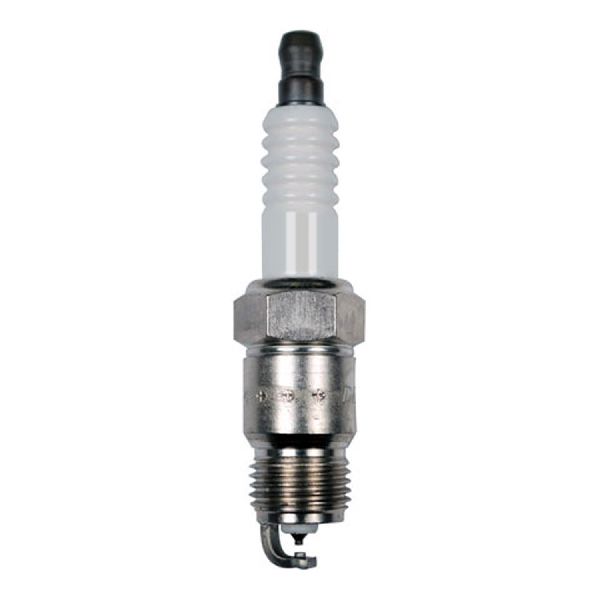
- For most 1975-1983 F-150s, standard copper core spark plugs are the best choice for performance and value.
- Always check and adjust the spark plug gap to your truck's specifications before installation, typically .044 inches.
- Stick with reputable brands like Autolite, Motorcraft, NGK, or Denso for reliable performance.
- Replacing spark plugs is a simple DIY task that can be done with basic tools in under an hour.
Signs of Failing Spark Plugs
Worn-out spark plugs can cause a variety of noticeable problems in your F-150. Because these trucks have simpler ignition systems than modern vehicles, they can be quite sensitive to plug condition. Look out for these common symptoms:
- Rough Idling: The engine may shake or sputter when you're stopped.
- Hard Starting: The engine cranks but takes a long time to fire up, or doesn't start at all.
- Engine Misfires: You might feel a hesitation or stumble from the engine during acceleration. 🎬 See how changing plugs resolved a misfire on this Ford.
- Poor Fuel Economy: If you're filling up the tank more often than usual, bad plugs could be wasting fuel.
- Sluggish Acceleration: Your truck may feel weak or slow to respond when you press the gas pedal.
Choosing the Right Aftermarket Spark Plug
For the 1975-1983 F-150, you don't need fancy, expensive spark plugs. The original ignition systems were designed for basic, reliable copper-core plugs, and in most cases, they are still the best choice.
Spark Plug Material
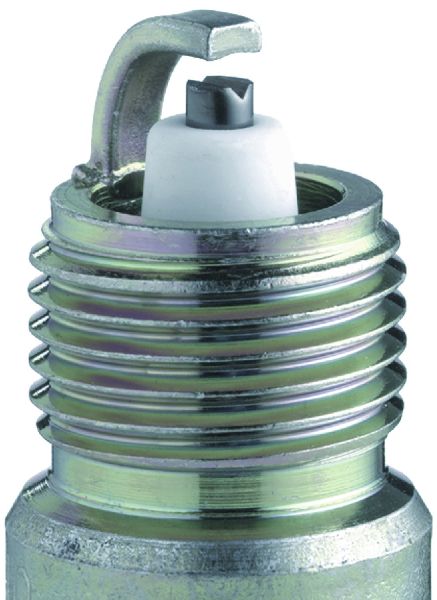
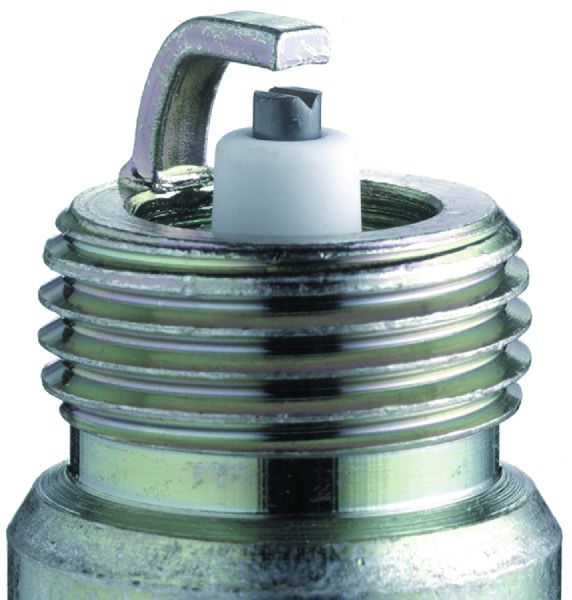
- Copper Core: This is the original style and the most recommended for these trucks. They provide excellent performance and are very affordable. Their main drawback is a shorter lifespan, so you'll need to change them more frequently (typically every 20,000-30,000 miles).
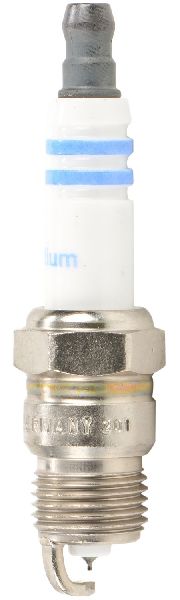
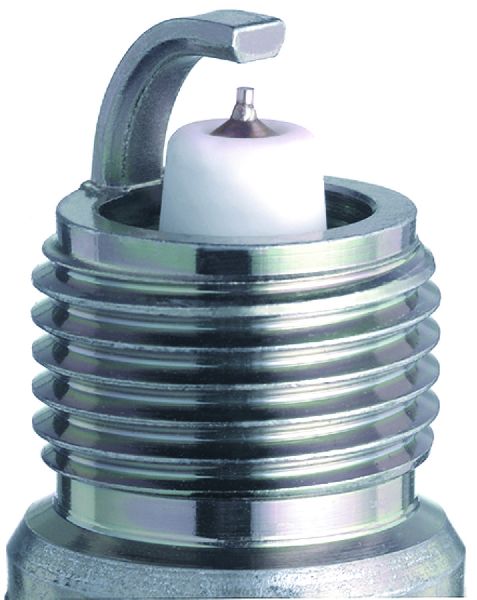
- Platinum/Iridium: These are long-life plugs, often lasting 60,000 miles or more. While they work, they are more expensive and their benefits are less noticeable on the older ignition systems of this F-150 generation. Some owners feel the different resistance of these plugs is not ideal for the original ignition components.
Pro Tip: Stick with Copper
For stock or lightly modified 1975-1983 F-150s, standard copper core spark plugs from a reputable brand are the best combination of performance and value. Save your money and just plan to replace them as part of your regular tune-up schedule.
🎬 Watch this full tune-up walkthrough for a 1978 F-150.Aftermarket Brand Tiers
Many owners have strong opinions, but most agree that sticking to well-known brands is a safe bet.
- OEM-Equivalent & Trusted: Autolite and Motorcraft (Ford's own brand) are the go-to choices for many owners. NGK and Denso are also highly respected brands that make excellent plugs for these trucks.
- Performance Options: Brands like Accel and MSD are known for performance ignition components and offer quality spark plugs if you have a modified engine.
- Standard & Budget-Friendly: Champion and Bosch offer reliable standard plugs. While some have preferences, they are generally considered a perfectly fine choice for a daily driver.
Installation & Known Issues
Replacing spark plugs on these trucks is a straightforward job for a DIY mechanic. The plugs are typically easy to access on the side of the engine.
There are no major recalls or technical service bulletins (TSBs) specifically for spark plugs on this generation of F-150. The most common issues are related to later model years with different engine designs.
Important: Check the Gap!
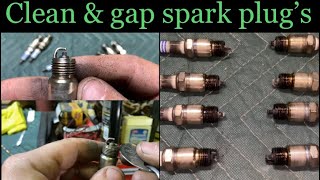
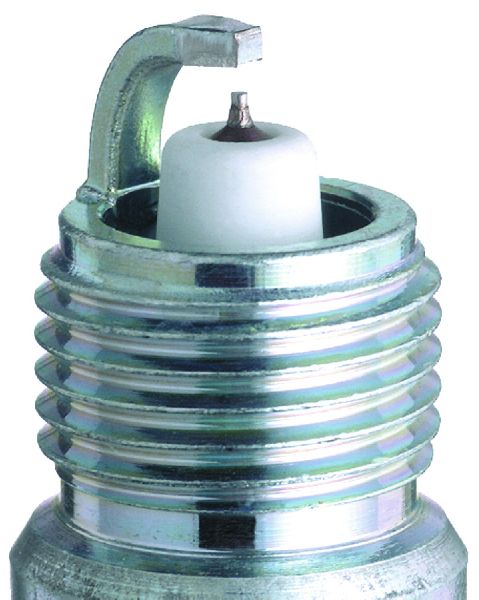
Always check the spark plug gap before installation using a gap tool. Even if the box says they are "pre-gapped," they can be knocked out of adjustment during shipping. For most engines in this range (4.9L, 5.0L, 5.8L), the gap should be .044 inches, but always check the emissions label under your hood for the exact specification for your truck.
🎬 Watch a quick guide on cleaning and gapping Ford plugs.Cost of New Spark Plugs
| Part | Price Range (Per Plug) |
|---|---|
| New Aftermarket Spark Plug | $3.72 - $12.00 |
| New OEM (Motorcraft) Spark Plug | $4.00 - $10.00 |
(Prices are estimates and do not include labor.)
Frequently Asked Questions
Do I need special tools to change my spark plugs?
You will need a ratchet, a few extensions, and a dedicated spark plug socket. A torque wrench is recommended to tighten the new plugs correctly, and a gap tool is essential for checking the gap.
Should I use anti-seize on the new spark plug threads?
This is a topic of debate. Many mechanics apply a very small amount of anti-seize compound to the threads to make future removal easier. However, some plug manufacturers, like NGK, advise against it because their plugs have a special coating. If you do use anti-seize, you should reduce the manufacturer's torque specification to avoid over-tightening.
What is the spark plug gap for my F-150?
For most 1975-1983 F-150 engines, the recommended spark plug gap is 0.044 inches. However, you should always verify this by checking the Vehicle Emission Control Information (VECI) sticker under the hood of your truck, as it can vary.
How often should I replace the spark plugs?
For standard copper plugs, a good interval is every 20,000 to 30,000 miles. If you use platinum or iridium plugs, you can go longer, often 60,000 miles or more, but they offer little performance advantage on these older engines.
Helpful Videos
Technical Specifications
OEM Part Numbers: ASF42C SP-502 25 45
The most common specification for this vehicle range is a standard copper core spark plug with a 14mm thread and a tapered seat. The recommended spark plug gap is typically 0.044 inches.
We Have This Part in Stock

The information in this article is provided for general reference and educational purposes only. Vehicle specifications, procedures, and part compatibility can vary by production date, trim level, and region. Always consult your vehicle's factory service manual and verify part numbers before purchasing or performing repairs. Safety-critical components such as airbags, seat belts, and braking systems should be installed by a qualified professional.